News


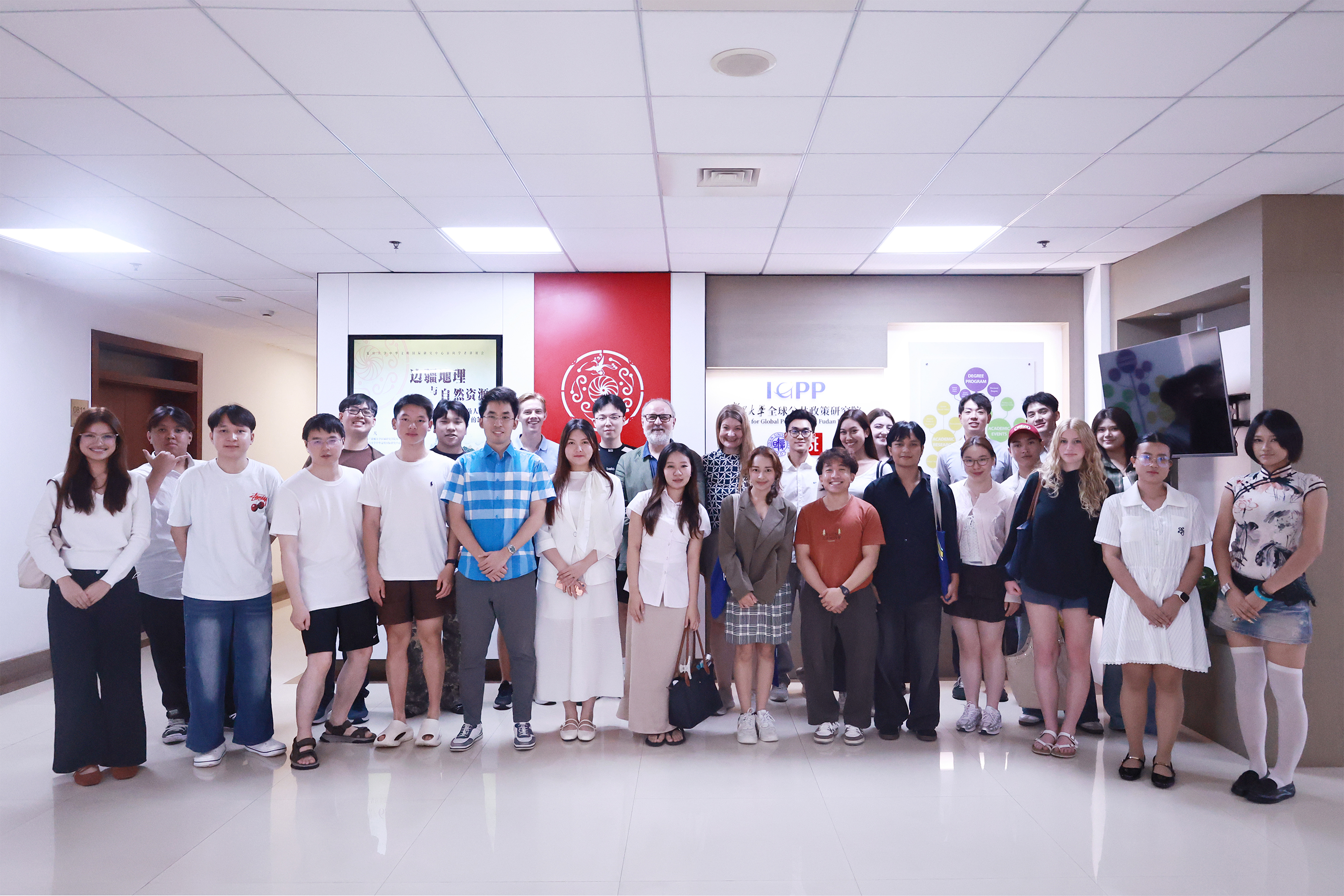
From July 6 to July 31, 2026, the 4th “Global Public Policy” Fudan International Summer School was successfully held at Fudan University’s Handan Campus. Jointly organized by the Institute for Global Public Policy (IGPP) at Fudan University and the Fudan–LSE Research Centre for Global Public Policy, the summer school leveraged Fudan University’s strong academic foundation in public policy and extensive international partnership networks. Centered around the two overarching themes of “Global Public Policy” and “China and the World,” the program brought together internationally renowned scholars to deliver high-quality courses addressing cutting-edge issues in global public policy and governance. It provided a valuable platform for young students from around the world to engage in cross-cultural learning and academic exchange, while fostering future global governance professionals with international perspectives, disciplinary expertise, and intercultural competencies. Participants included undergraduate and graduate students, high school students, and professionals from universities and institutions in China, the United States, the United Kingdom, France, Spain, Japan, Thailand, Mexico, Singapore, Malaysia, and other countries and regions.
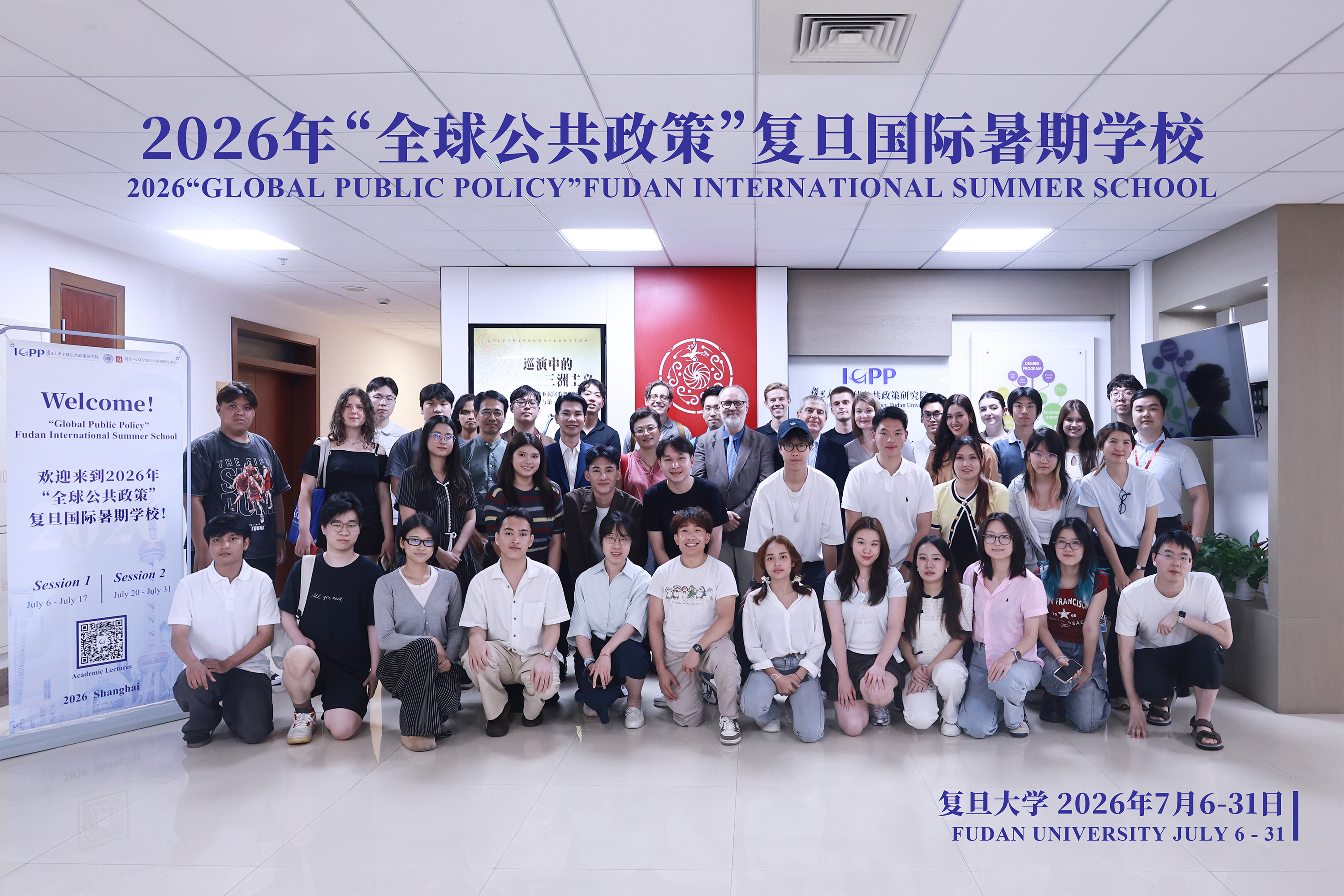
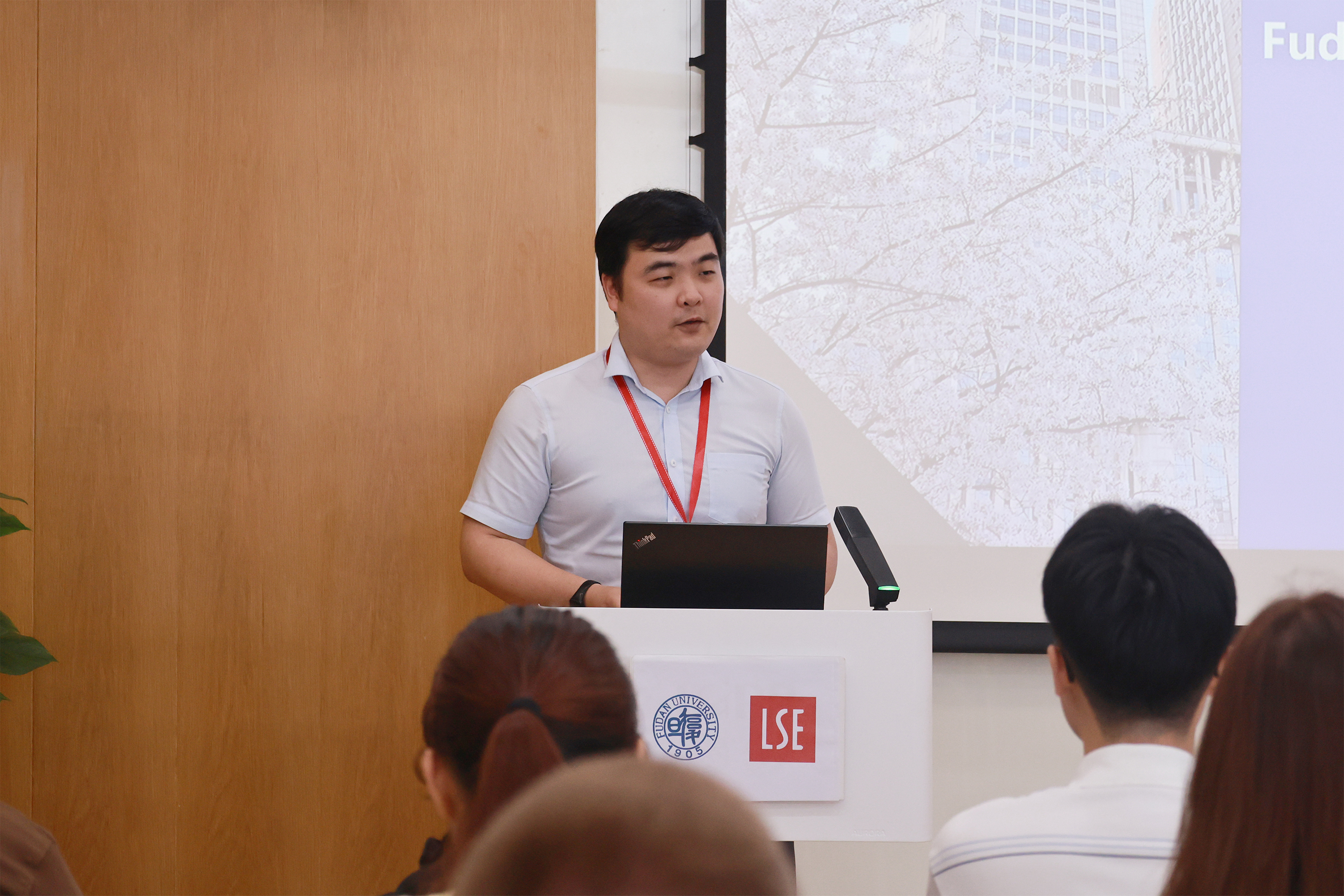
On July 6, the opening ceremony of the summer school was held at IGPP. Faculty members teaching the summer courses, representatives of IGPP faculty, and participating students attended the ceremony. During the ceremony, Associate Dean Haoqi Qian of IGPP extended a warm welcome to all faculty members and students. He reviewed the development of the summer school over the past four years and emphasized that, in an era of increasing global interdependence, a deep understanding of emerging theories and practical challenges in global public policy is essential for cultivating the next generation of global governance leaders. He encouraged students to make the most of the summer school experience by expanding their global perspectives through coursework, academic dialogue, and cross-cultural engagement. He also invited students to explore Shanghai’s urban culture and local experiences beyond the classroom. Faculty members from around the world introduced themselves and interacted with students, marking the beginning of an enriching summer learning journey.
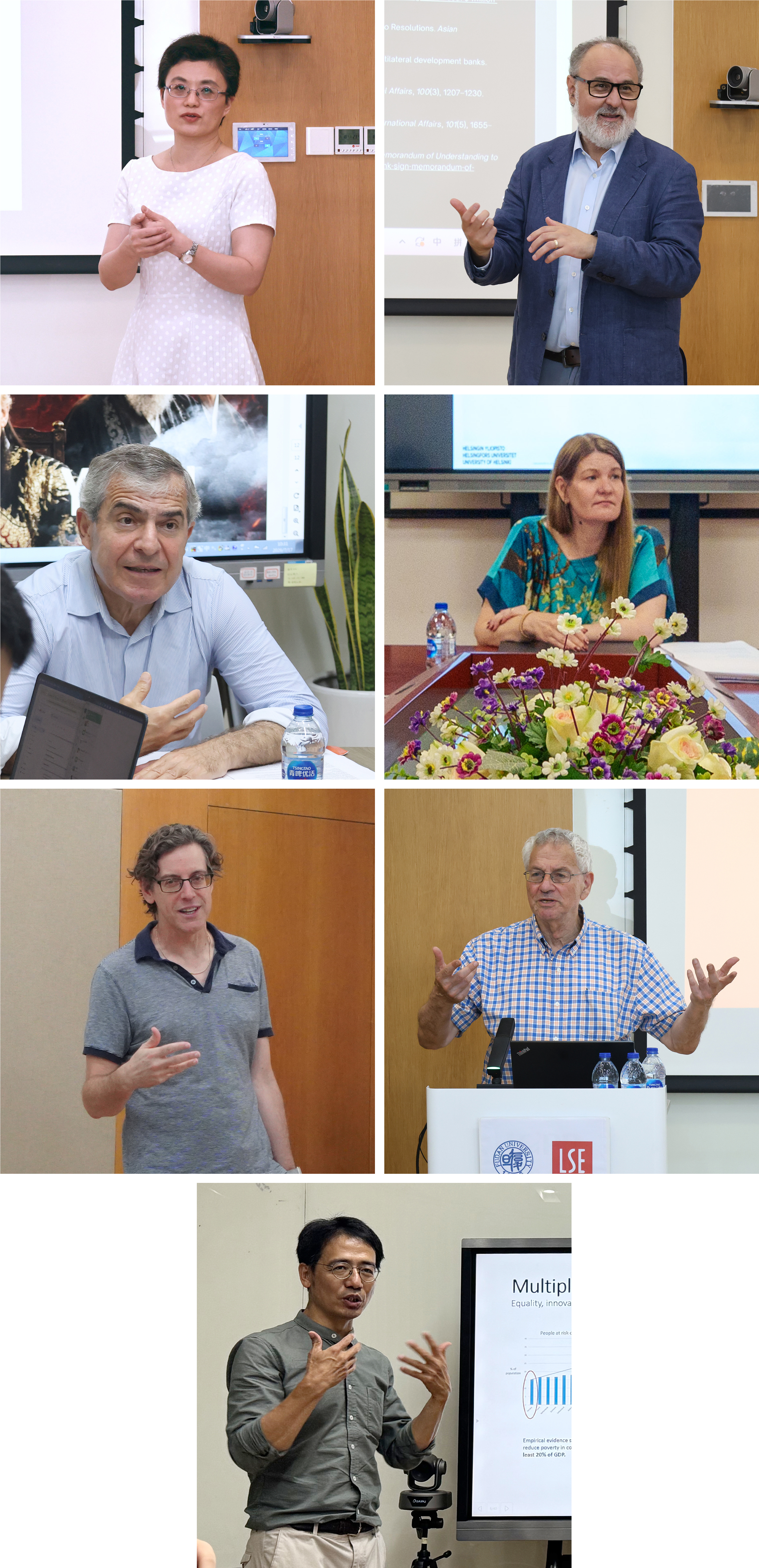
The summer school featured distinguished scholars, including Professor Bingchun Meng, Professor Alvaro Mendez, Professor Fawaz Gerges from LSE, Professor Minna van Gerven from the University of Helsinki, Professor Dan Slater from the University of Michigan, Professor Daniel Guttman, Fellow of the National Academy of Public Administration, and Professor Chunrong Liu from Fudan University. Through a combination of lectures, case studies, group discussions, and student presentations, the courses guided participants to explore key issues and emerging debates in global public policy and related fields.
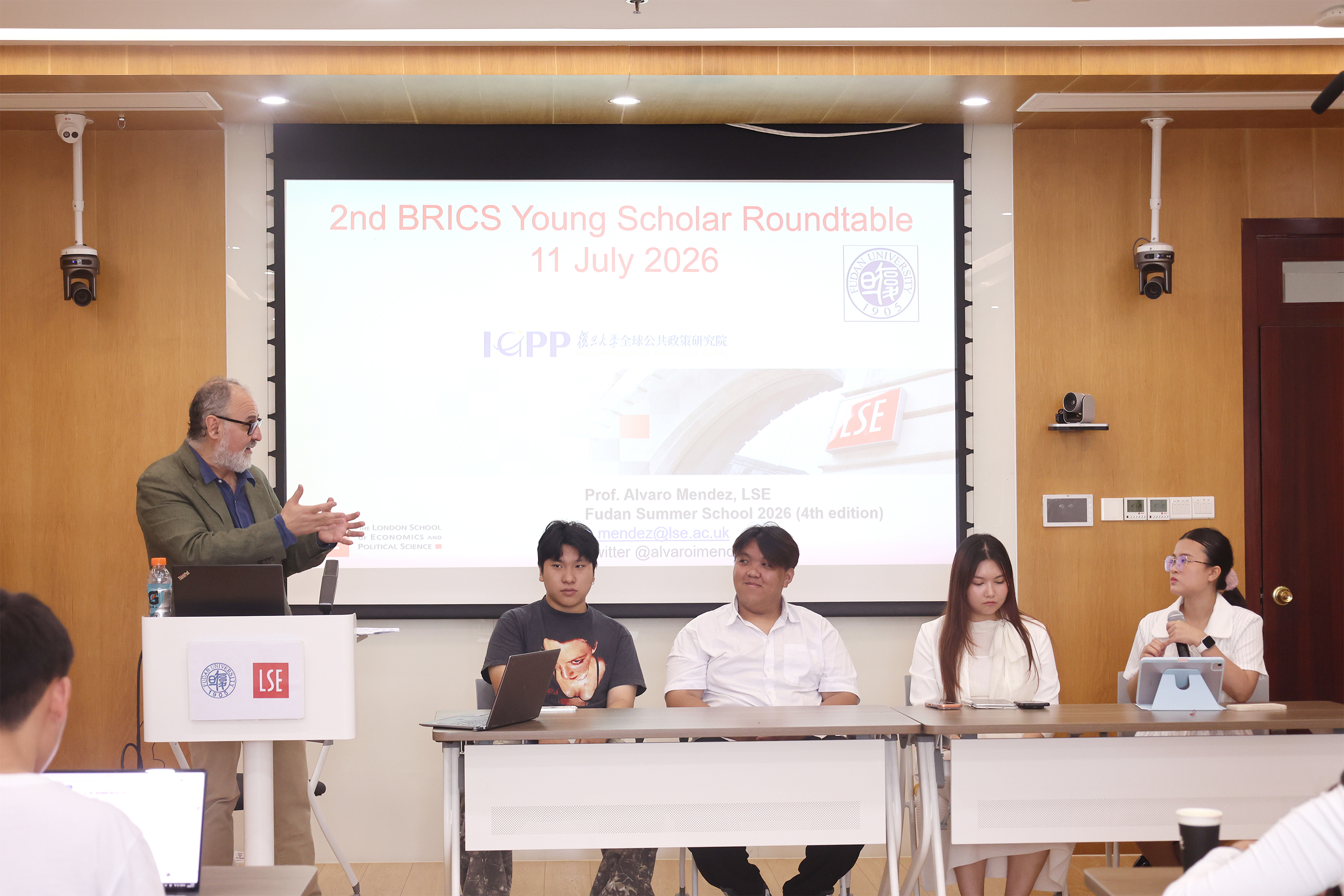
In addition to classroom instruction, the summer school organized a series of academic activities to promote broader intellectual exchange. Professor Mendez chaired the 2nd BRICS Young Scholars Roundtable Forum, where faculty members and students engaged in in-depth discussions on emerging opportunities and challenges in global governance, sustainable development, technological innovation, talent development, and international cooperation under the theme of “BRICS Countries and International Development in the 21st Century.”
During the summer school, several instructors also delivered public lectures open to a wider audience. Professor Mendez reviewed the development of the Asian Infrastructure Investment Bank since its establishment in 2016, examining its contributions to transportation, energy, and digital infrastructure, its cooperation with institutions such as the World Bank and the Asian Development Bank, and its broader implications for global governance. Professor Meng examined AI infrastructure as a phenomenon with both political and poetic dimensions, analyzing the political rationales underlying development and security policies, as well as the narratives and aspirations surrounding artificial intelligence. Professor Guttman discussed how emerging technologies such as AI create opportunities to address global challenges, including health, food security, and poverty, while also generating new risks due to their dual-use characteristics.
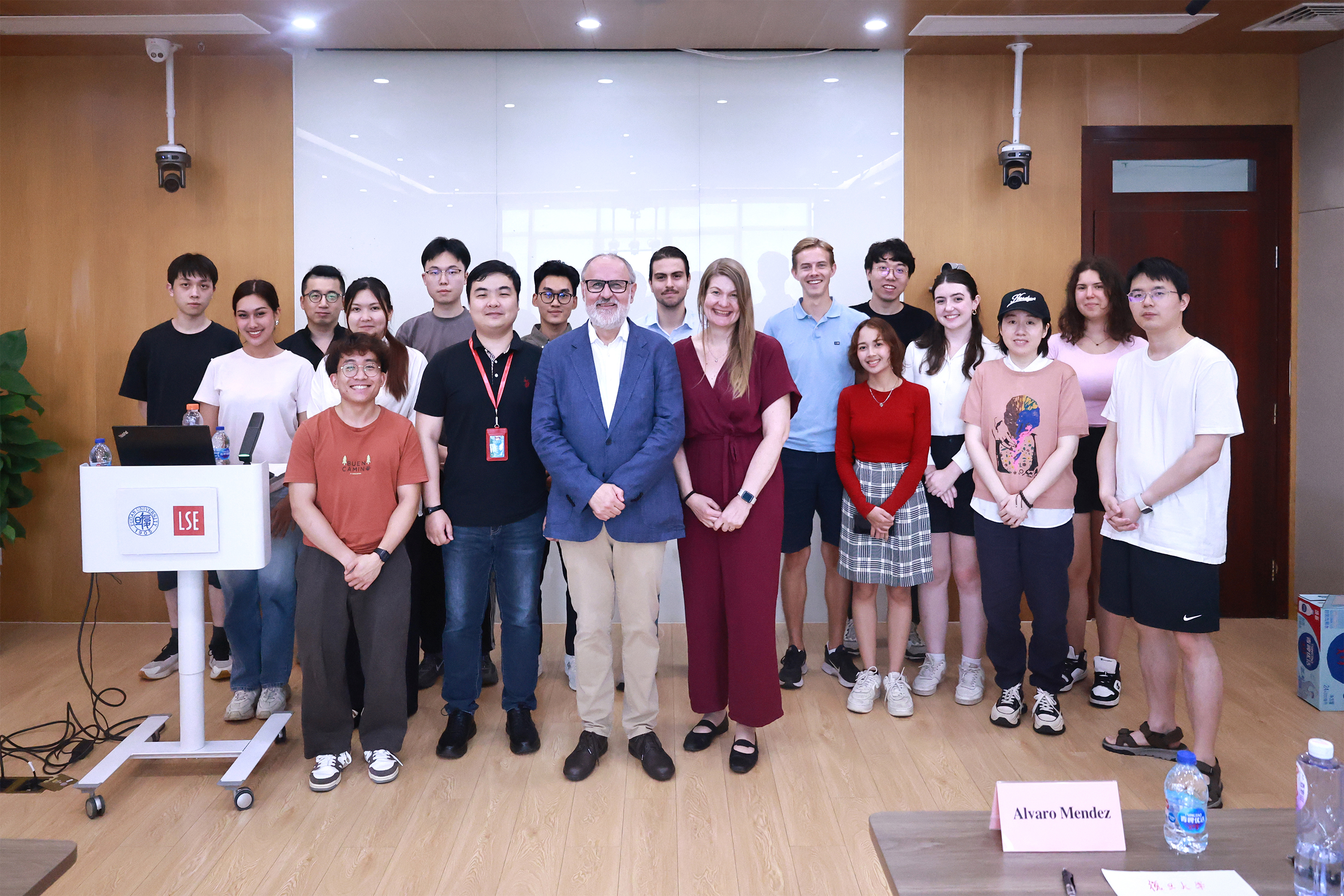
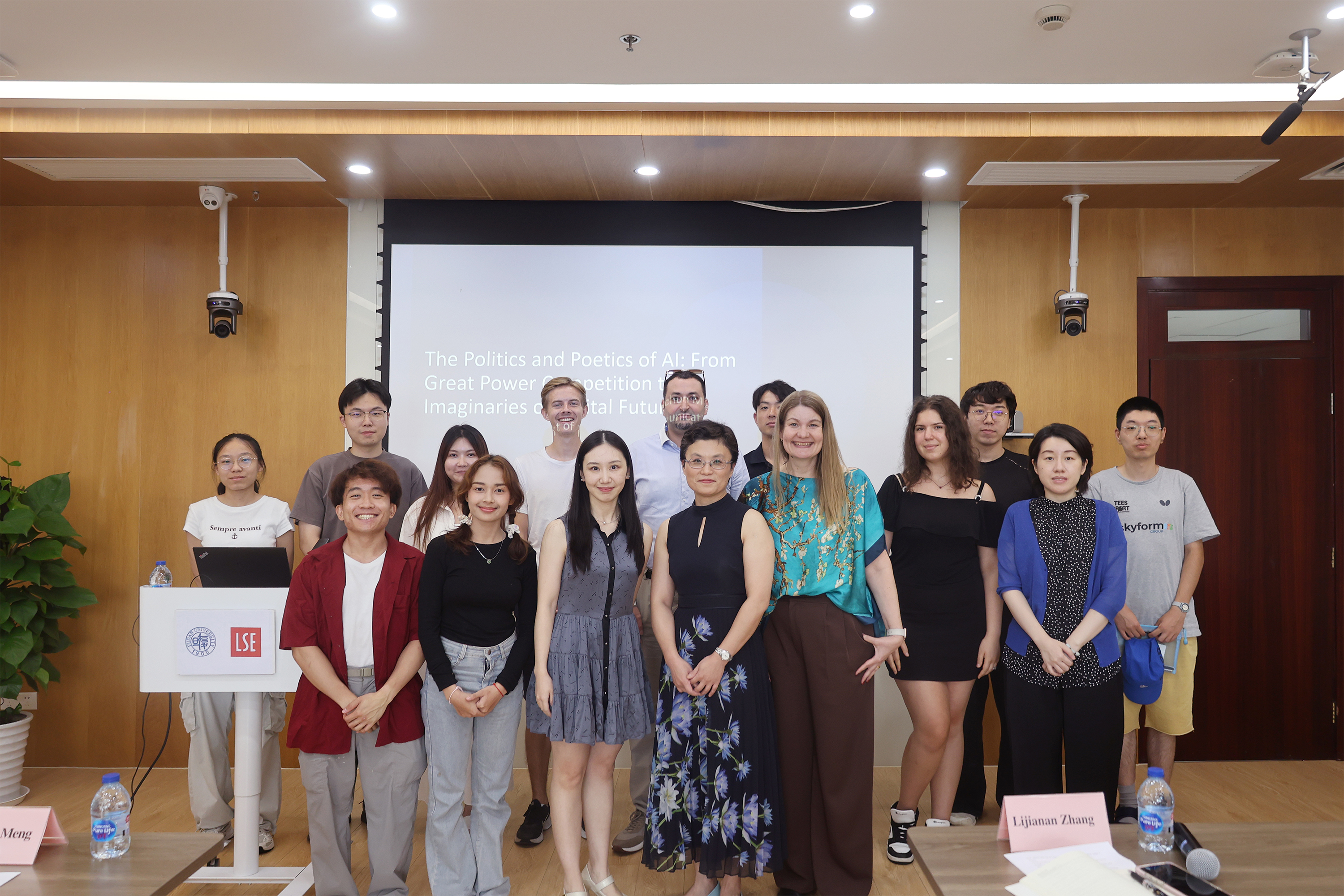
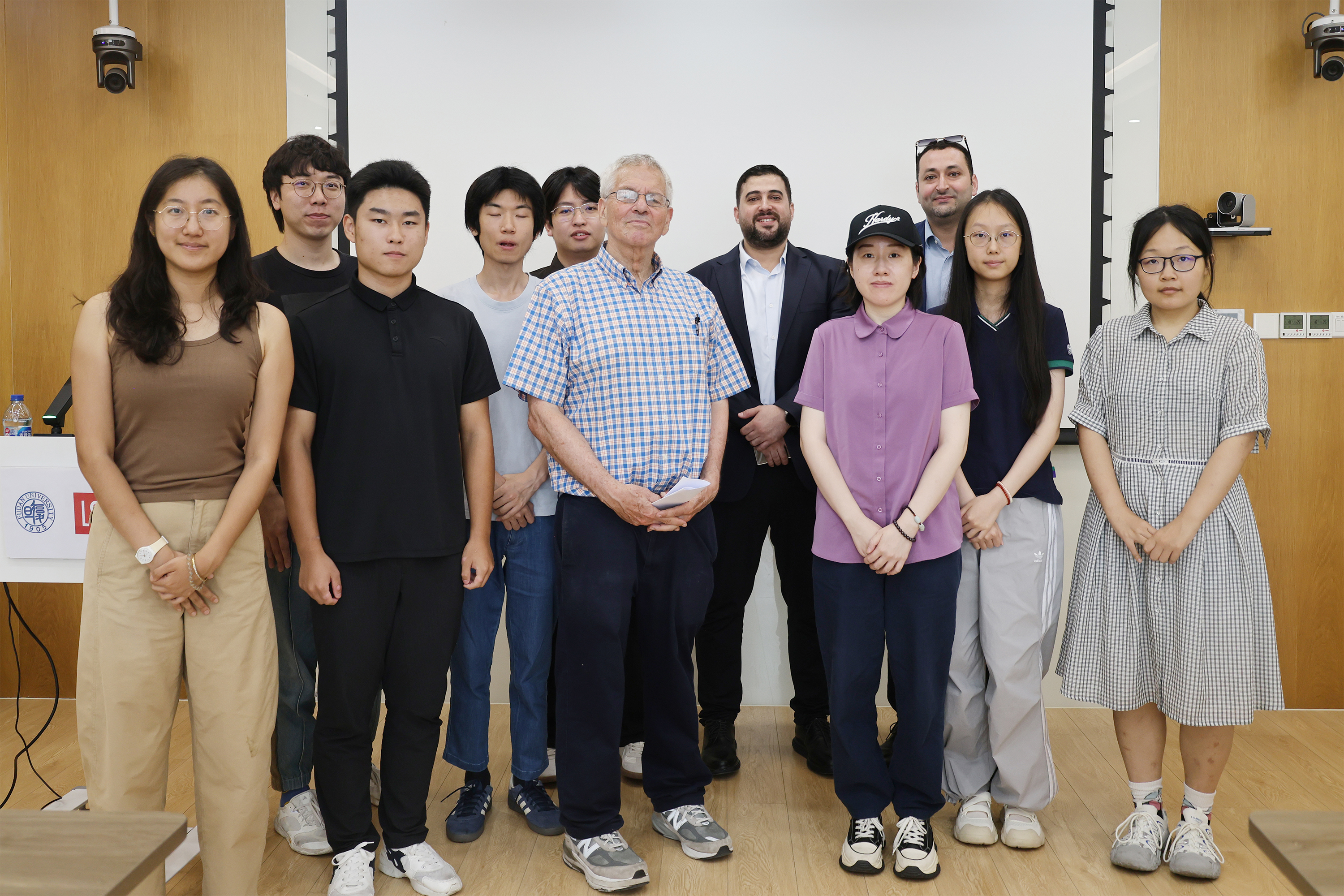
Students from diverse countries and regions actively shared their learning experiences and cultural perspectives, strengthening mutual understanding through academic exchange and building lasting friendships through collaborative learning. Niracha from Thailand noted that, although taking two courses simultaneously was challenging during the first week, the supportive guidance of instructors helped her quickly adapt to the new learning environment, making the experience both rewarding and enjoyable. Amanda from Brazil shared that the knowledge gained during the two-week program exceeded her expectations and expressed her hope to return to Fudan for future study opportunities. Many students highlighted that the summer school not only deepened their understanding of cutting-edge issues in global public policy but also enabled them to connect with peers from around the world, broaden their international horizons, and strengthen their aspirations for future study and research in public policy.
Looking ahead, IGPP will continue to integrate high-quality international academic resources, strengthen collaboration with leading universities and research institutions worldwide, and promote youth exchange and mutual learning. Through these efforts, IGPP remains committed to cultivating global governance professionals with strong academic foundations, broad international outlooks, excellent cross-cultural communication skills, and the leadership capacity needed to address complex global challenges.