News


On the morning of July 11, 2026, the 2nd BRICS Young Scholars Roundtable was held at Fudan University. Organized by the Institute for Global Public Policy (IGPP), the roundtable brought together young scholars and student representatives from universities in China and abroad, including Fudan University, China Foreign Affairs University, The Hong Kong University of Science and Technology, the University of Oxford, LSE, the University of Pennsylvania, and Khon Kaen University in Thailand. Under the theme “BRICS Countries and International Development in the 21st Century,” participants engaged in in-depth discussions on emerging opportunities and challenges in global governance, sustainable development, technological innovation, talent development, and international cooperation. The roundtable aimed to promote academic dialogue among young scholars from different countries and regions, deepen understanding of the development pathways of BRICS countries, and explore their evolving roles in international development in the 21st century.
In his opening remarks, Professor Alvaro Mendez from LSE noted that the evolution of BRICS represents a transformation from an economic concept into an international cooperation mechanism and, eventually, an institutional framework. He reviewed the origins of the term “BRIC,” which was coined by economist Jim O’Neill in 2001 to describe the growing influence of emerging economies in the global economic system. Over time, BRIC evolved into an intergovernmental cooperation platform, with its areas of cooperation expanding through regular summit mechanisms.
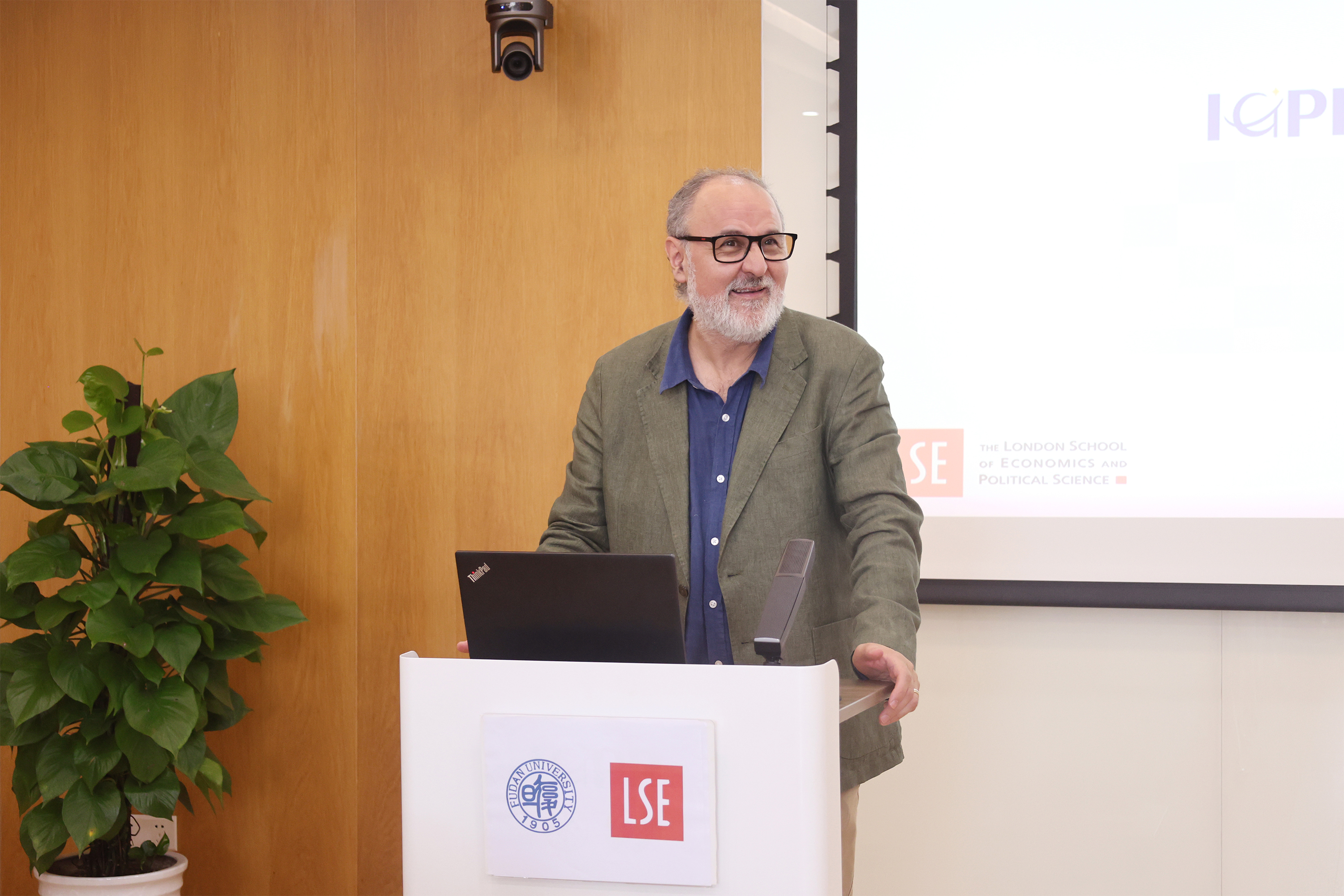
Professor Mendez further introduced the development of BRICS cooperation and the New Development Bank (NDB). He explained that BRICS is not a traditional international organization, but rather an intergovernmental cooperation platform based on consensus-building, rotating presidencies, and multidimensional collaboration. Established within the BRICS framework, the NDB represents an important achievement in translating shared ideas into institutional arrangements. By financing infrastructure and sustainable development projects, the bank has provided important support to emerging markets and developing countries in areas including clean energy, transportation, water resources, and digital infrastructure.
Professor Mendez emphasized that the development of BRICS and the NDB reflects profound changes in global development governance and the growing influence of developing countries in international finance and development cooperation. He encouraged young scholars to examine the future role of BRICS from multiple perspectives, including international relations, economic development, and global governance, while exploring issues such as the transition from economic ideas to institutional construction, new models of development financing, and emerging pathways for Global South cooperation.
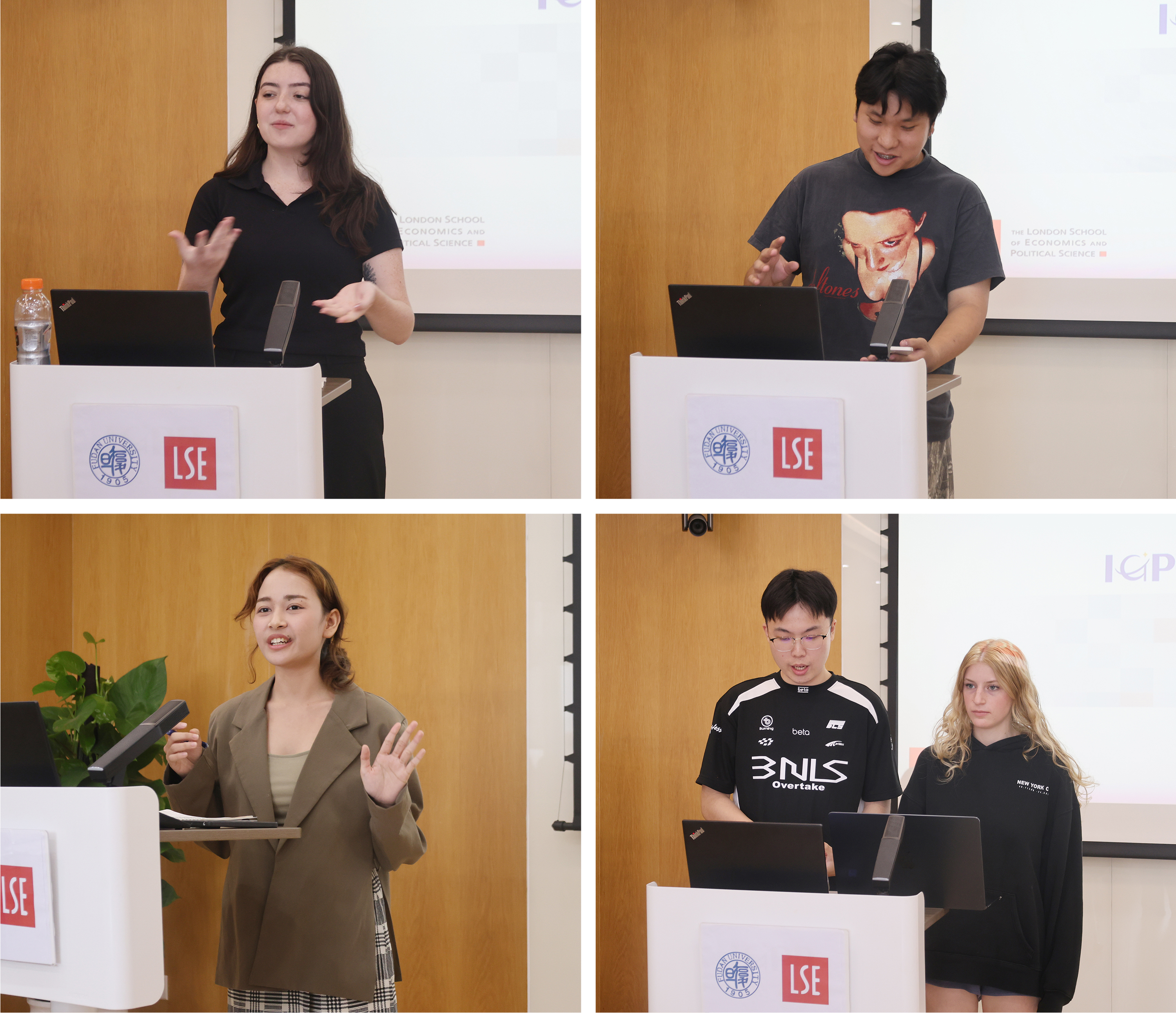
Following the opening session, four young scholars delivered presentations under the theme “BRICS Countries and International Development in the 21st Century,” examining the roles and influence of BRICS countries from perspectives including artificial intelligence governance, human capital development, geopolitical strategy, and transformations in the global order.
Rawinnipa Prachuabmon from Ubon Ratchathani University in Thailand presented “How BRICS Countries Are Reshaping the World.” She analyzed the evolution of BRICS cooperation mechanisms and their implications for the global political economy, exploring how BRICS contributes to multipolarity, South–South cooperation, and the restructuring of international development systems.
Anawat Nararak from Khon Kaen University focused on “Human Capital and Geopolitical Power.” Drawing on comparative experiences from Brazil and South Korea, he examined how education, talent development, and skills enhancement shape national development capacity and highlighted the importance of human capital to global competitiveness and sustainable development.
Kazuto Igarashi from Khon Kaen University used Thailand as a case study to examine the country’s strategic balancing between its aspirations for BRICS cooperation and changing U.S. trade conditions through the lens of the “Bamboo Pivot” strategy. His presentation explored how middle powers adjust their development strategies amid complex and evolving international economic and political environments.
Shihan Luo from Beijing Normal University–Hong Kong Baptist University United International College presented research on “AI Governance Pathways for Inclusive Digital Public Infrastructure in BRICS Countries.” The presentation examined how artificial intelligence can support the development of digital public infrastructure and contribute to more inclusive and sustainable development models.

During the subsequent young scholars’ roundtable discussion, participants exchanged views based on their respective research interests. Discussions centered on artificial intelligence governance, digital public infrastructure, national development strategies, and shifts in global power structures. Participants noted that digital innovation creates new opportunities for inclusive development in developing countries; middle powers need to pursue flexible development strategies amid changing international conditions; human capital accumulation remains fundamental to national competitiveness and sustainable development; and BRICS countries are increasingly promoting South–South cooperation, multipolar development, and reform of global governance mechanisms through institutional collaboration. Through cross-national perspectives and interdisciplinary dialogue, the young scholars deepened their understanding of BRICS development models and global influence while offering new perspectives on pathways for international development in the 21st century.
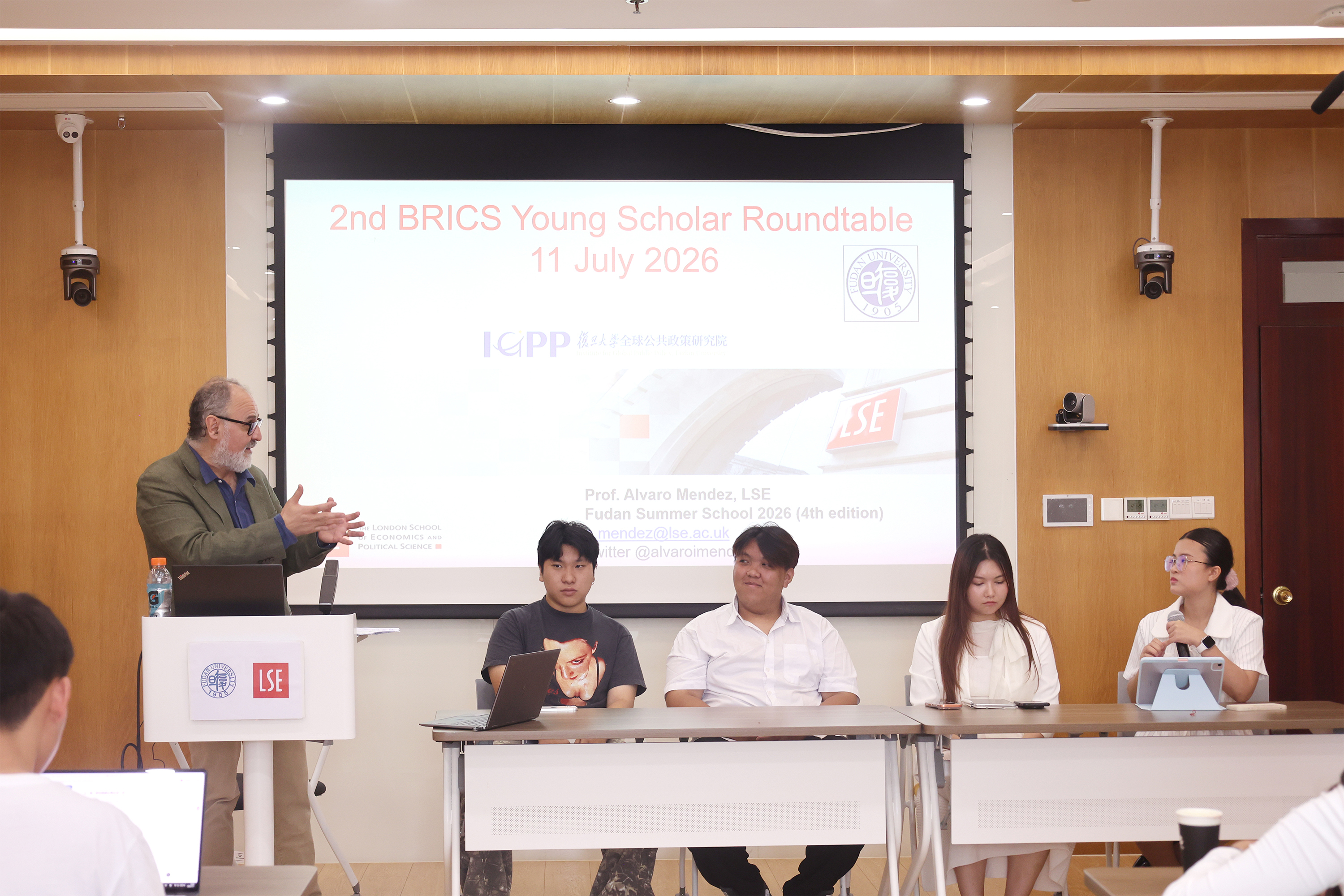
During the group discussion session, participants engaged in exchanges and debates around four thematic issues related to BRICS countries. Each group focused on a specific topic and presented its conclusions.
The first group discussed the balance between green and affordable energy, examining how BRICS countries can reconcile economic growth, energy security, and climate governance, as well as whether developing countries should prioritize green transformation at their current stages of development.
The second group focused on the “technology divide,” analyzing the opportunities and challenges associated with artificial intelligence, 5G technologies, and digital payment systems in BRICS countries. Participants discussed the impacts of technological innovation on youth employment, industrial transformation, and labor markets.
The third group explored “brain drain and talent return,” examining the international mobility of highly skilled workers, talent development policies, and individual career choices. The discussion focused on how BRICS countries can attract and retain talent and strengthen capacity building amid global competition for human resources.
The fourth group addressed “climate disasters and responsibility sharing,” discussing the challenges developing countries face in responding to climate risks such as floods, heat waves, and droughts. Participants exchanged views on historical emissions responsibility, climate justice, and mechanisms for international cooperation.
During the group presentations, young scholars drew on development experiences from different countries to analyze issues including economic growth and sustainable development, technological innovation and its social impacts, talent policies, and global climate governance. Through the exchange of ideas, participants further strengthened their understanding of the roles, opportunities, and challenges facing BRICS countries in 21st-century international development.
In his concluding remarks, Professor Mendez noted that BRICS countries have become an important force shaping the global development landscape. Their cooperation has expanded from economic collaboration into broader areas including technological innovation, sustainable development, talent development, and global governance. He emphasized that young scholars should actively engage in research on international development issues and contribute new academic perspectives through interdisciplinary and cross-regional dialogue. He also recognized the diverse perspectives and innovative thinking demonstrated by the participants and expressed his hope for continued academic exchange and cooperation on BRICS and international development.
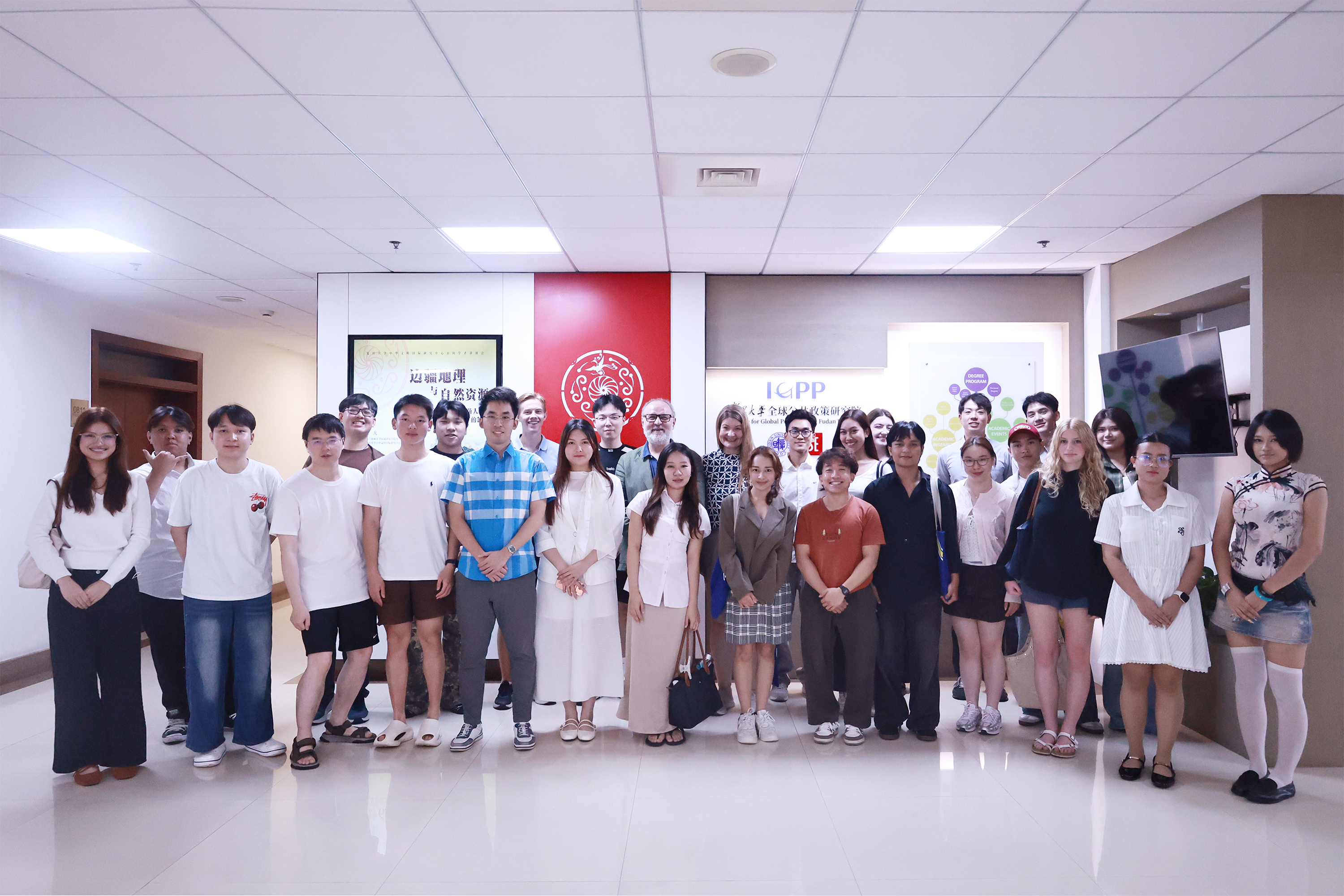
The roundtable concluded with a group photo featuring participating scholars, students, and guests. Through keynote presentations, roundtable discussions, and group dialogues, the roundtable provided an important platform for exploring the evolving role of BRICS countries in 21st-century international development while further strengthening academic exchange and cooperation among young scholars from different countries and regions.