Events


On June 16, 2026, the Fudan Institute for Global Public Policy (IGPP) hosted an academic lecture. Professor Yanwei Li from the School of Political Science and Public Administration at Shandong University delivered a lecture titled “Accountability and the Work Behavior of Street-Level Bureaucrats.” The event was chaired by Assistant Professor Wenyan Tu, with Associate Professor Ziteng Fan serving as the discussant.
Professor Li received his Ph.D. in Public Management from Erasmus University Rotterdam in 2016 and is currently Professor at Shandong University. His research focuses on social governance, public policy and public service, innovation and technology, and risk governance. His work has appeared in leading journals, including Journal of Public Administration Research and Theory and Public Administration Review.
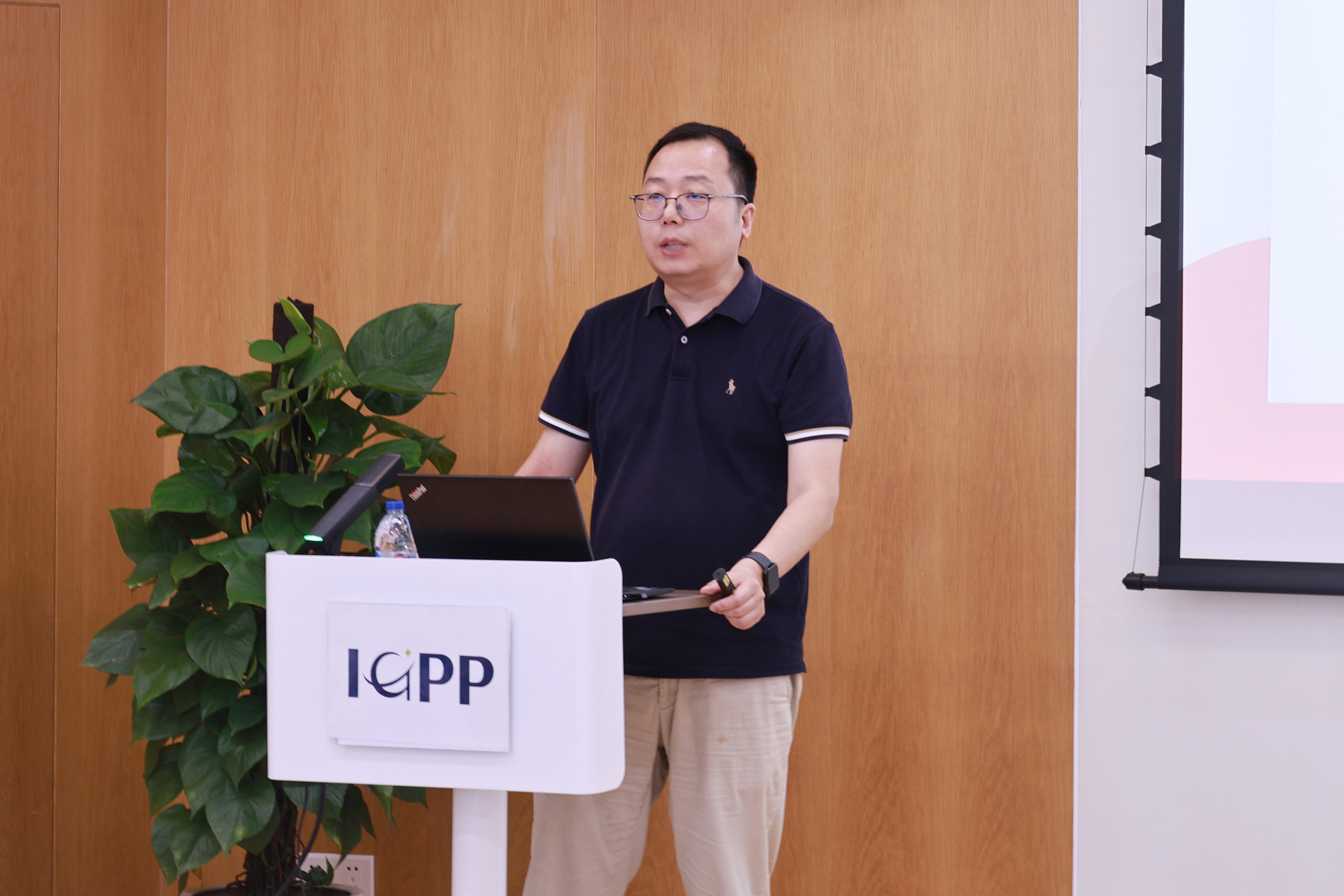
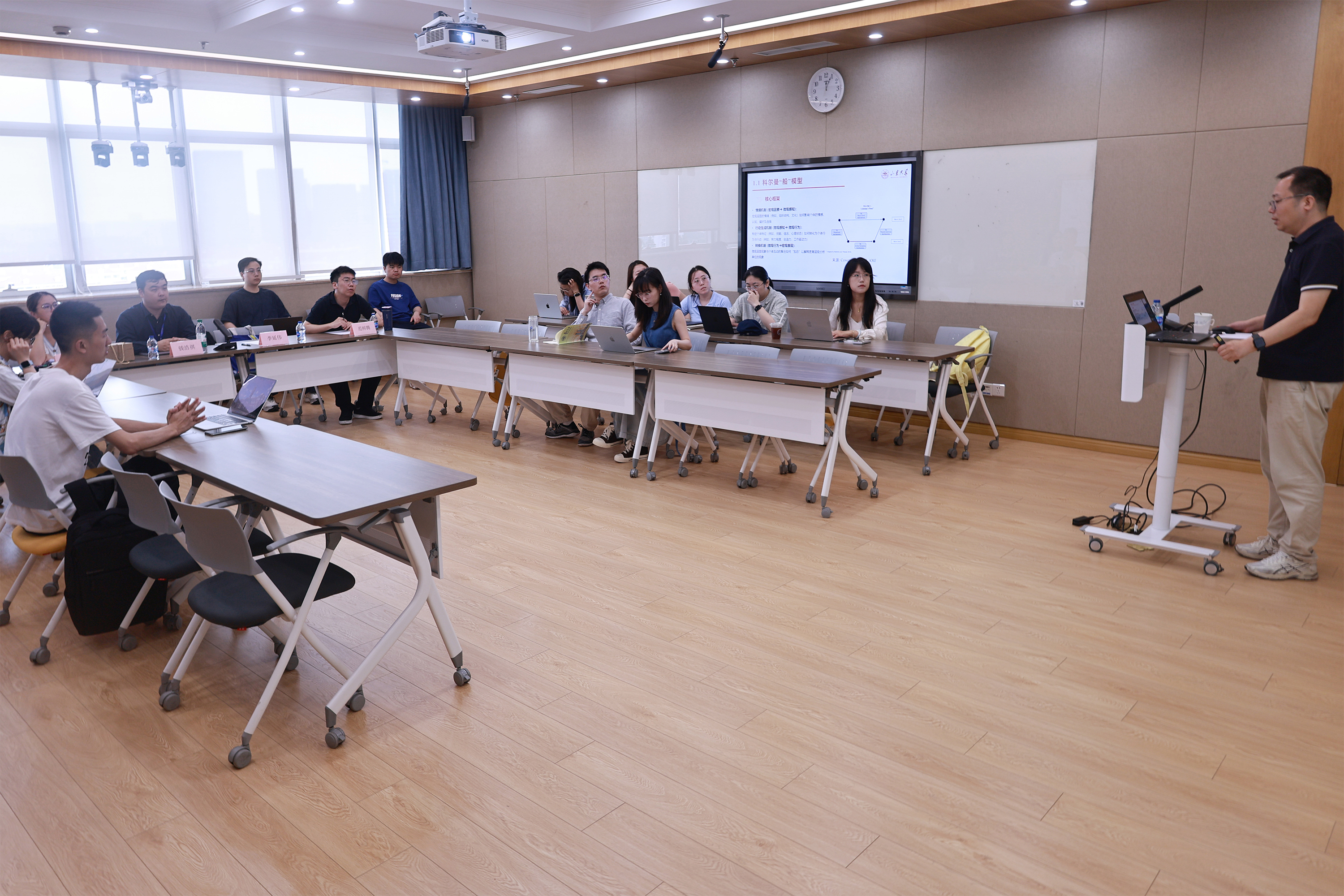
Professor Li began by examining the relationship between accountability and the work behavior of street-level bureaucrats. He argued that accountability is widely regarded as a cornerstone of modern governance, with governments around the world designing accountability systems to improve public sector performance. However, whether accountability mechanisms necessarily promote more constructive work behaviors remains an open empirical question. While conventional wisdom assumes that accountability naturally changes individual behavior, Professor Li noted that this assumption has increasingly been challenged. Drawing on Coleman’s “boat” model as his analytical framework, he explained how accountability arrangements influence street-level bureaucrats.
Professor Li then presented findings from two experimental studies conducted with approximately 2,200 firefighters in a city in northern China. The first study examined how different accountability arrangements affect prosocial rule-breaking. He categorized accountability into control-based, trust-based, and legitimacy-based models. Contrary to theoretical expectations, legitimacy-based accountability did not encourage prosocial rule-breaking among frontline professionals. Instead, both control-based and trust-based accountability were more likely to motivate firefighters to engage in rule-breaking intended to benefit the public. Professor Li explained that increased oversight from citizens and the media heightened perceptions of political risk, while differing expectations among stakeholders created greater evaluation uncertainty. Although participation and transparency enhanced procedural legitimacy, they did not provide sufficient incentives or protection for frontline professionals making discretionary decisions in the public interest. The second study focused on the effects of accountability arrangements on rule compliance. Professor Li distinguished among institution-based, project-based, and event-based accountability according to their degree of institutionalization. The findings suggested that highly institutionalized accountability mechanisms are not necessarily the most effective means of promoting compliance with rules, challenging conventional assumptions about accountability design.
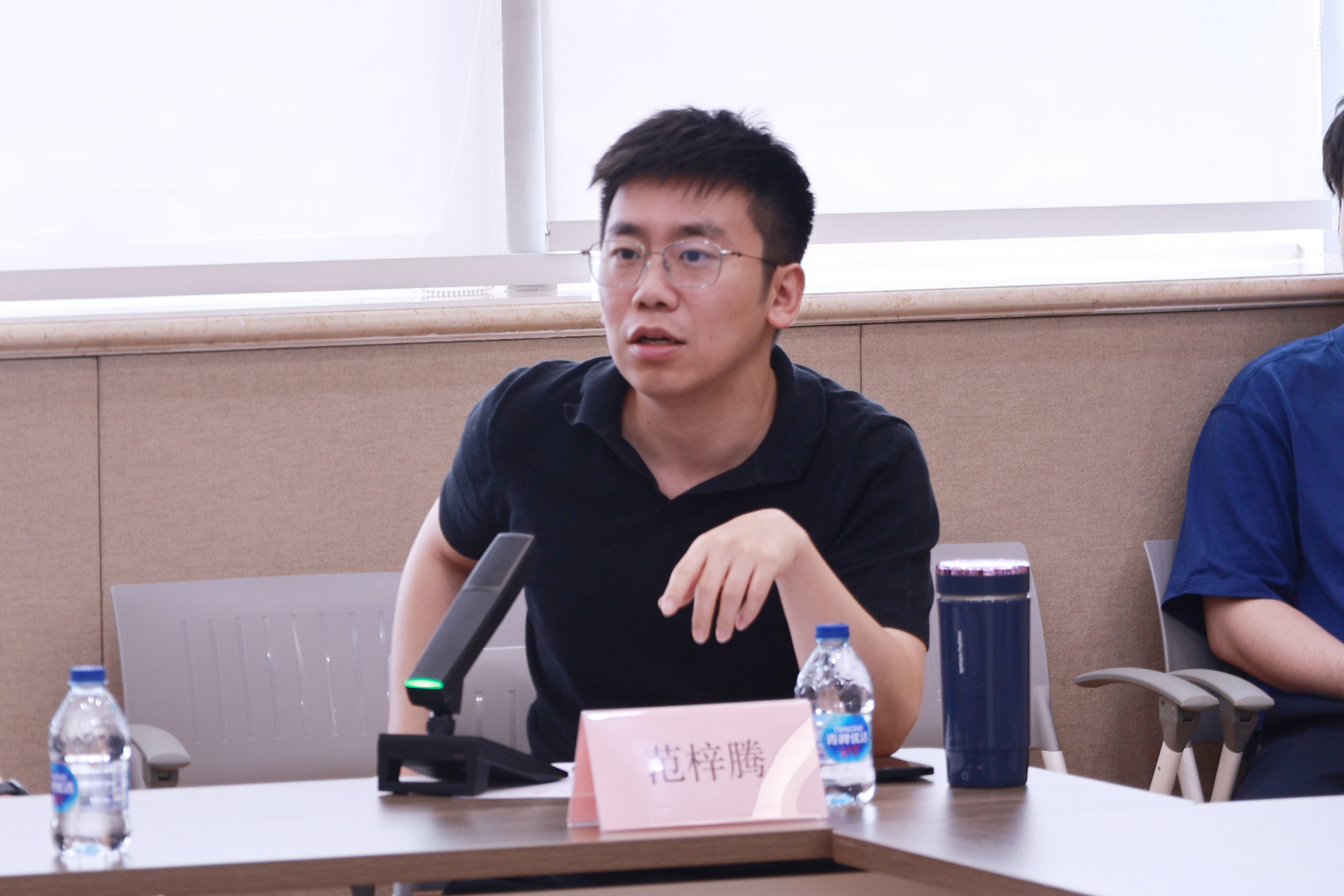
During the discussion session, Associate Professor Fan raised questions concerning the balance between control and trust in accountability systems, the appropriate contexts for different forms of accountability, variations in frontline officials’ perceptions, and the distinctive characteristics of accountability practices in China. Professor Li responded by discussing how accountability systems can balance transparency and legitimacy while reducing evaluation uncertainty without undermining professional discretion. The audience also engaged in discussions on topics including the role of informal accountability, the relationship between accountability and blame avoidance, and the different implications of procedural fairness and performance outcomes.
Through Professor Li’s presentation and the subsequent discussion, participants gained a deeper understanding of how accountability arrangements shape the behavior of street-level bureaucrats and how accountability systems can be designed to improve governance while preserving professional discretion.
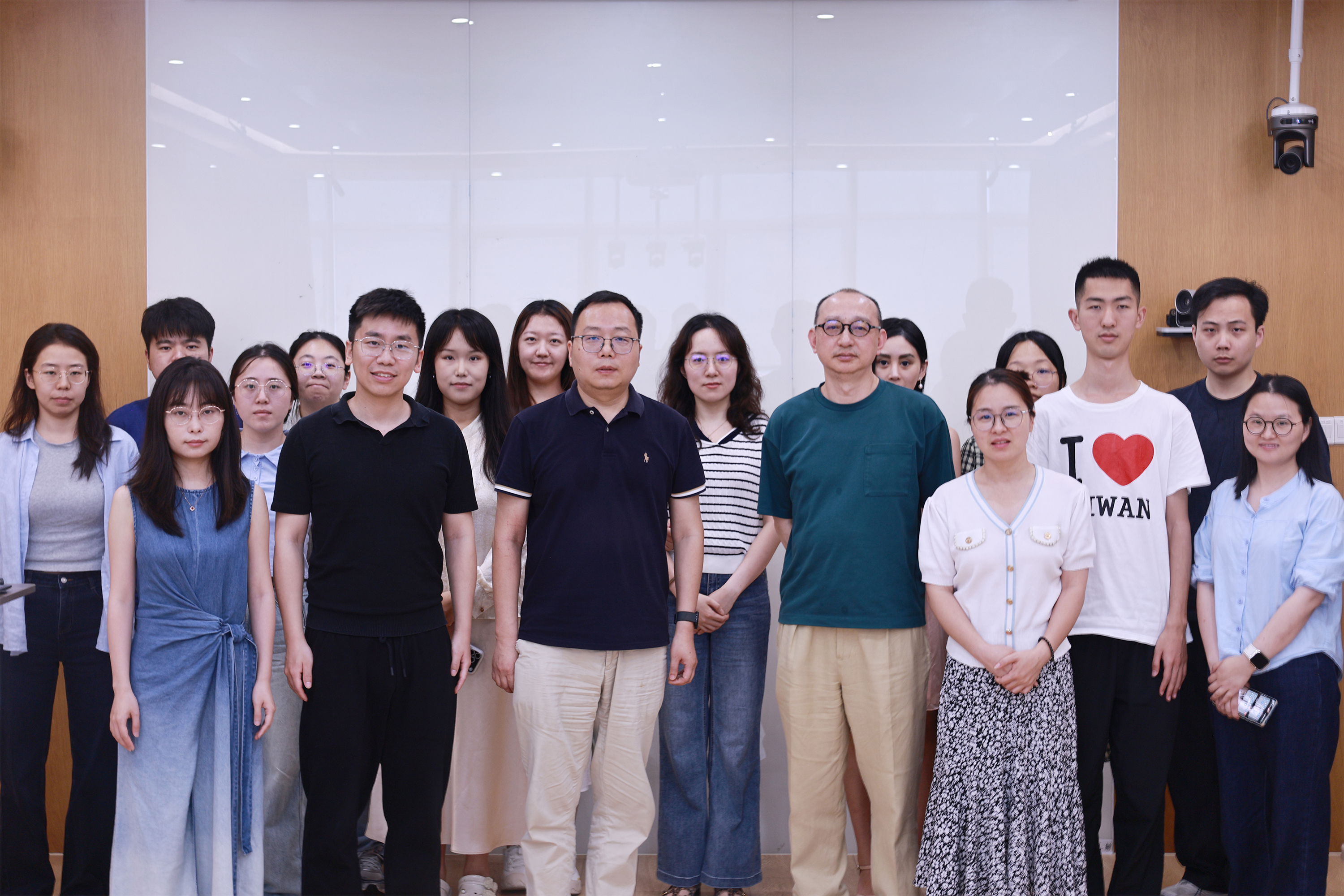
After the lecture, Assistant Professor Tu presented commemorative gifts to Professor Li. The event concluded with a group photo of the faculty and students.