Events


The 5th Fudan–LSE Annual Academic Conference (the Conference) opened on the morning of November 2 at Siyuan Hall in Guanghua Towers, Fudan University. Under the theme “International Organizations and Multilateralism: The Transformation of Global Governance in a Multipolar Era,” the Conference was jointly organized by the Fudan–LSE Research Centre for Global Public Policy (the Centre), the LSE–Fudan Global Public Policy Hub, and the Institute for Global Public Policy at Fudan University (IGPP). The event brought together nearly 50 scholars, faculty members, and students working in global political economy and related fields.
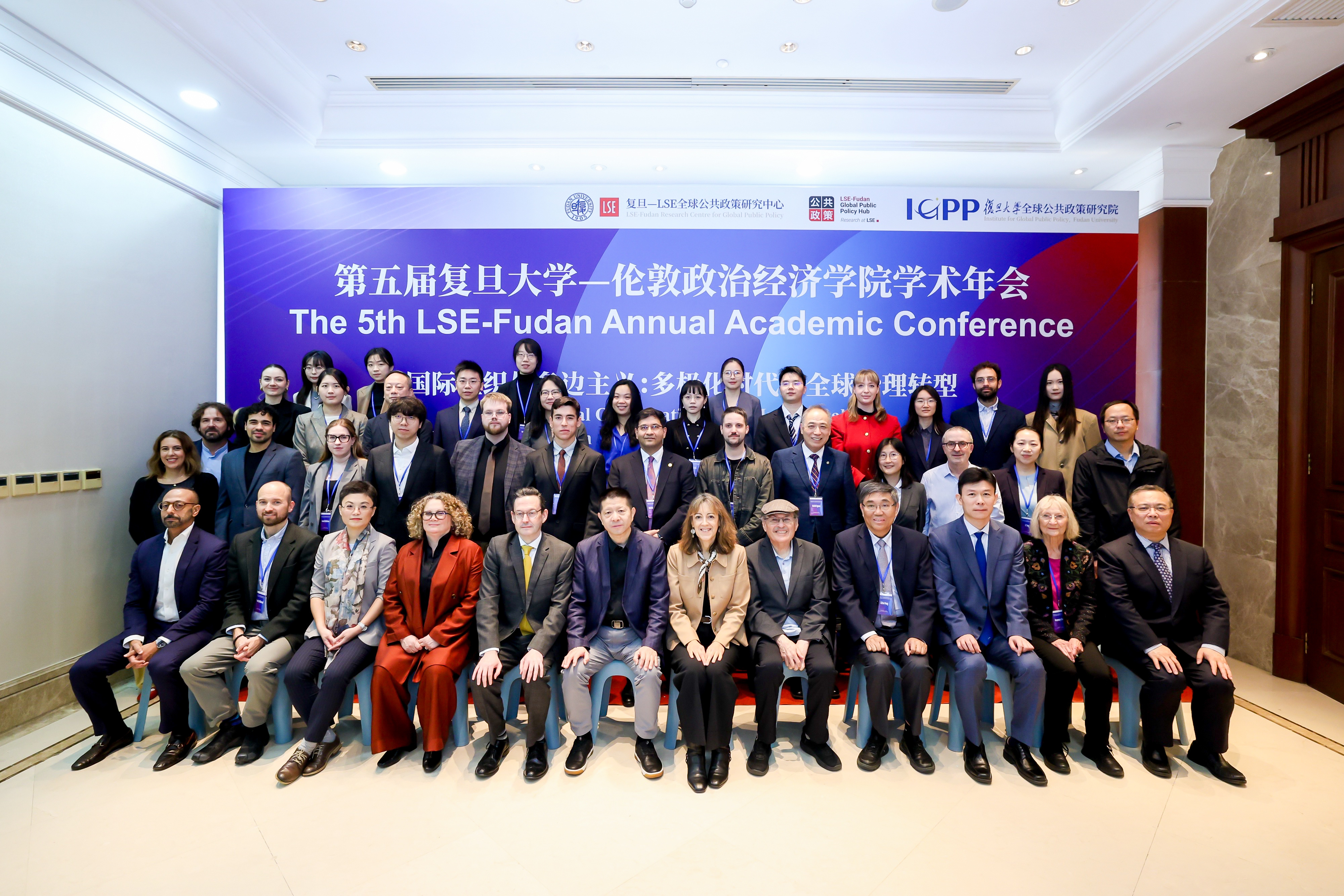
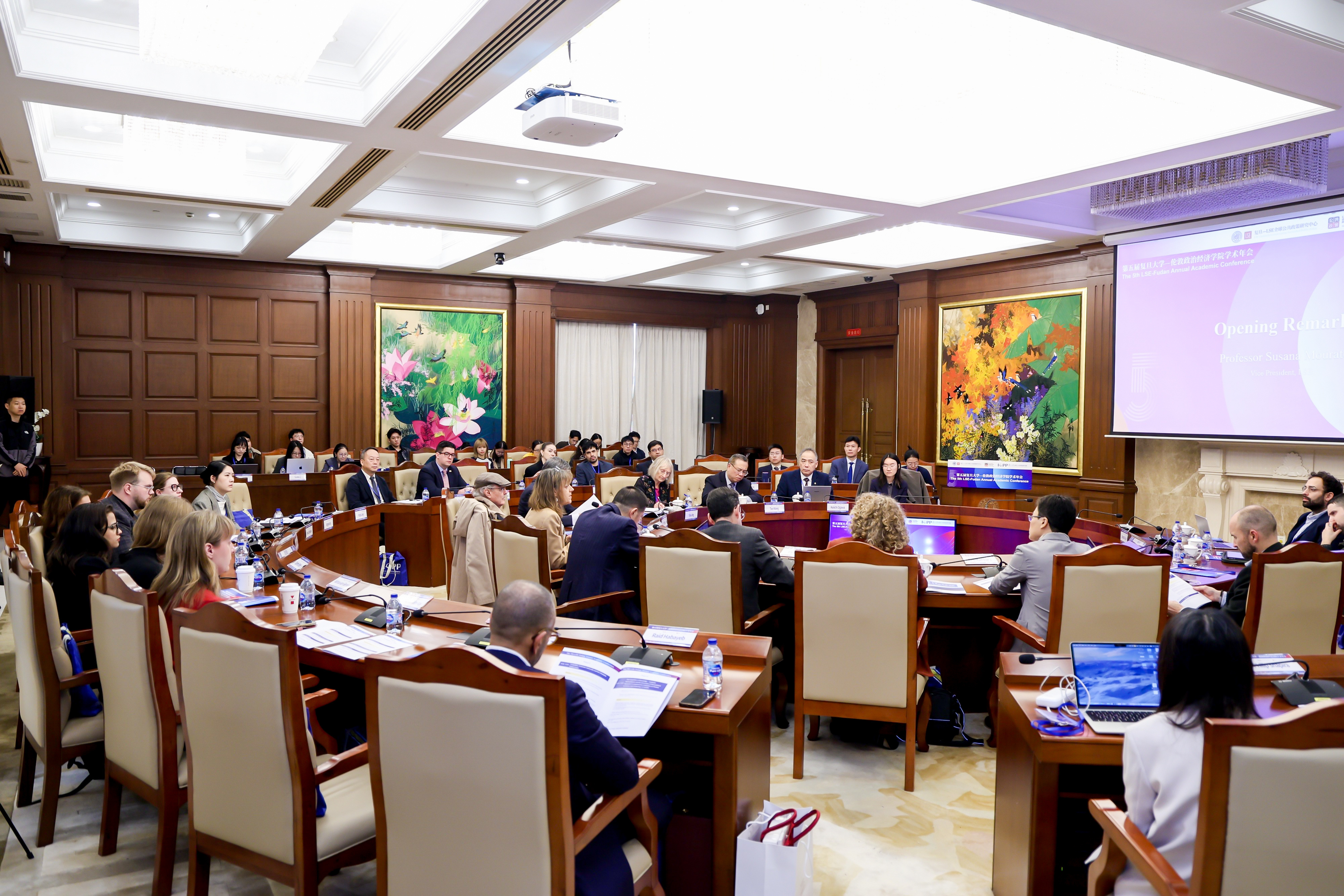
The opening ceremony featured remarks by Professor Xin Qiu, Chancellor of Fudan University; Professor Susana Mourato, Vice President of LSE; Professor Amal Ghazal, Provost of the Doha Institute for Graduate Studies; and Matt Burney, British Consul General in Shanghai. The ceremony was chaired by Professor Yijia Jing, Dean of IGPP and Co-Director of the Centre.
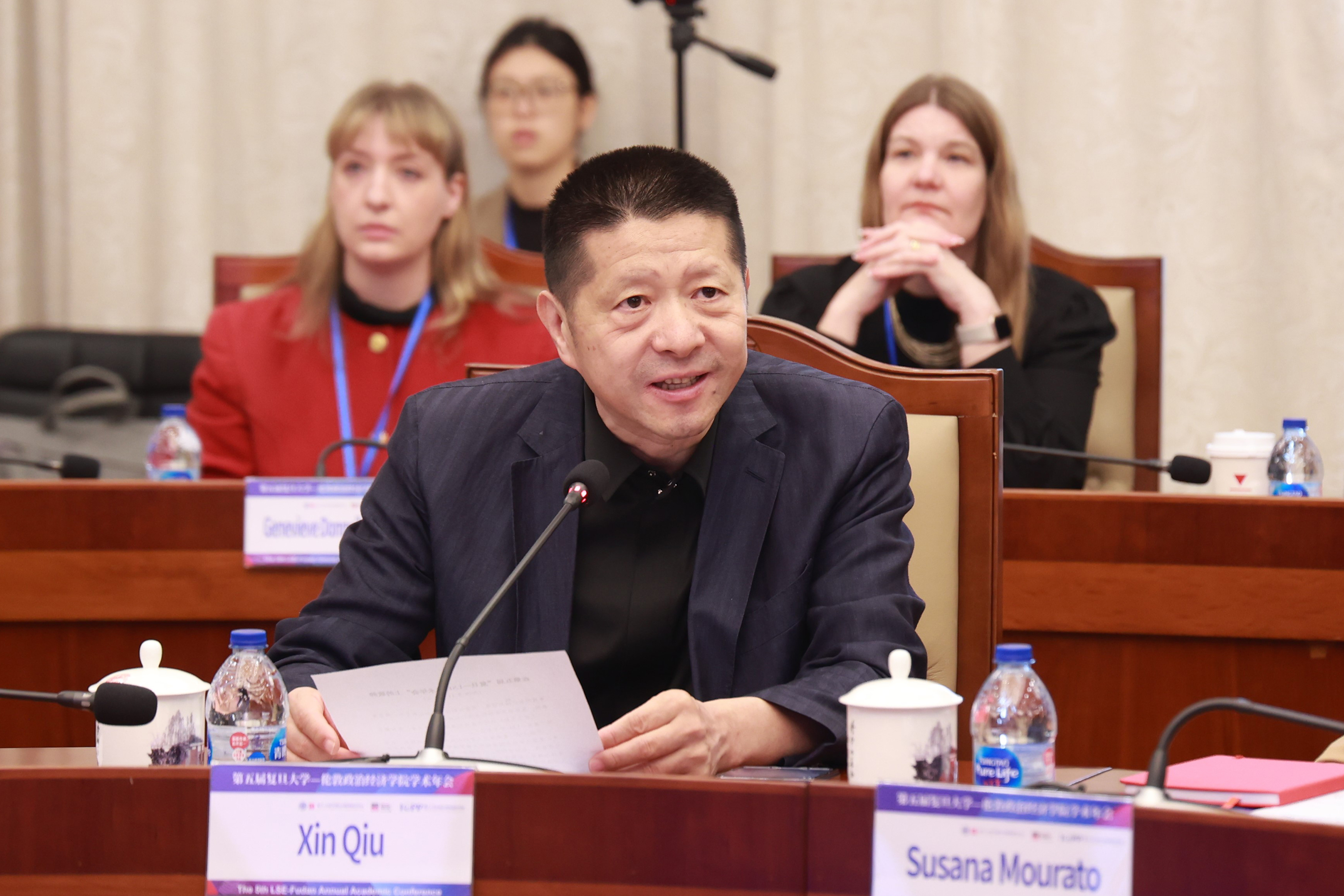
On behalf of Fudan University, Professor Qiu extended a warm welcome to all participants. He emphasized that British universities are important strategic partners of Fudan University, with the partnership between Fudan and LSE serving as a model of international academic cooperation. The Conference has developed into an important academic platform in the field of global public policy. Building on IGPP and the Centre, Fudan University will further strengthen exchanges and cooperation with LSE and other leading universities and research institutions worldwide. These efforts will focus on pressing issues in global public governance, cultivating high-level talent, producing high-quality research, addressing shared global challenges, and contributing to the building of a community with a shared future for humanity.
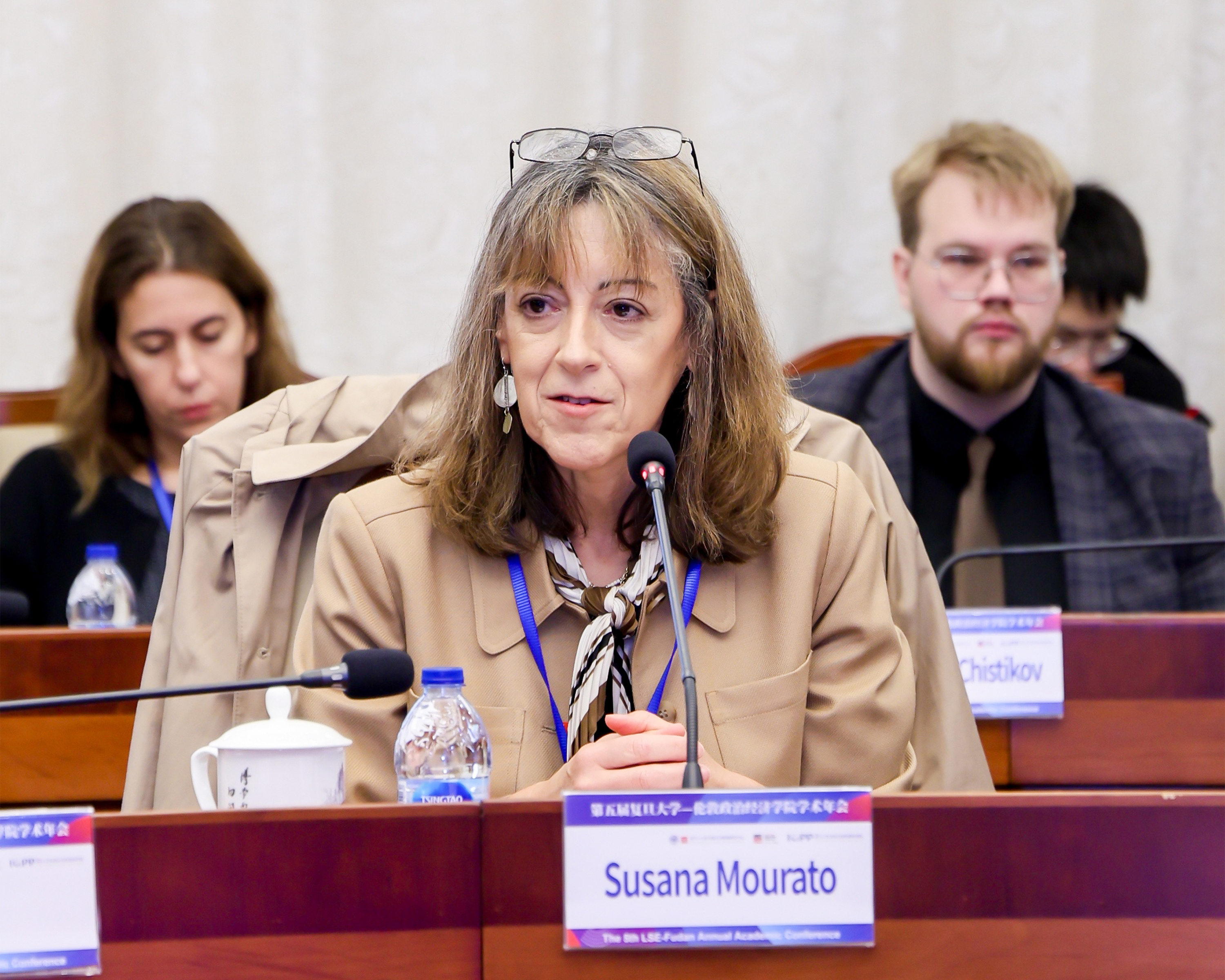
Professor Mourato noted that the conference has been held for five consecutive years, steadily expanding in scale and bringing together scholars from Asia, Europe, the Americas, and the Middle East. This sustained engagement reflects the strong commitment of both universities to deepening their partnership. Addressing the conference theme, she offered three reflections. First, global challenges are intensifying even as international cooperation becomes increasingly fragmented, requiring traditional institutions to consider whether they should adapt, be bypassed, or be complemented or replaced by emerging mechanisms. Second, climate change represents an ultimate test of multilateralism, with cooperation increasingly advancing through flexible institutional arrangements, diverse coalitions, and technological progress. Third, universities are directly affected by geopolitical tensions, making trusted academic partnerships essential for sustaining dialogue, engaging diverse perspectives, and providing evidence in support of the public good. She expressed her hope that the Conference would stimulate meaningful discussions and contribute practical insights into building cooperative institutional arrangements in an increasingly competitive world.
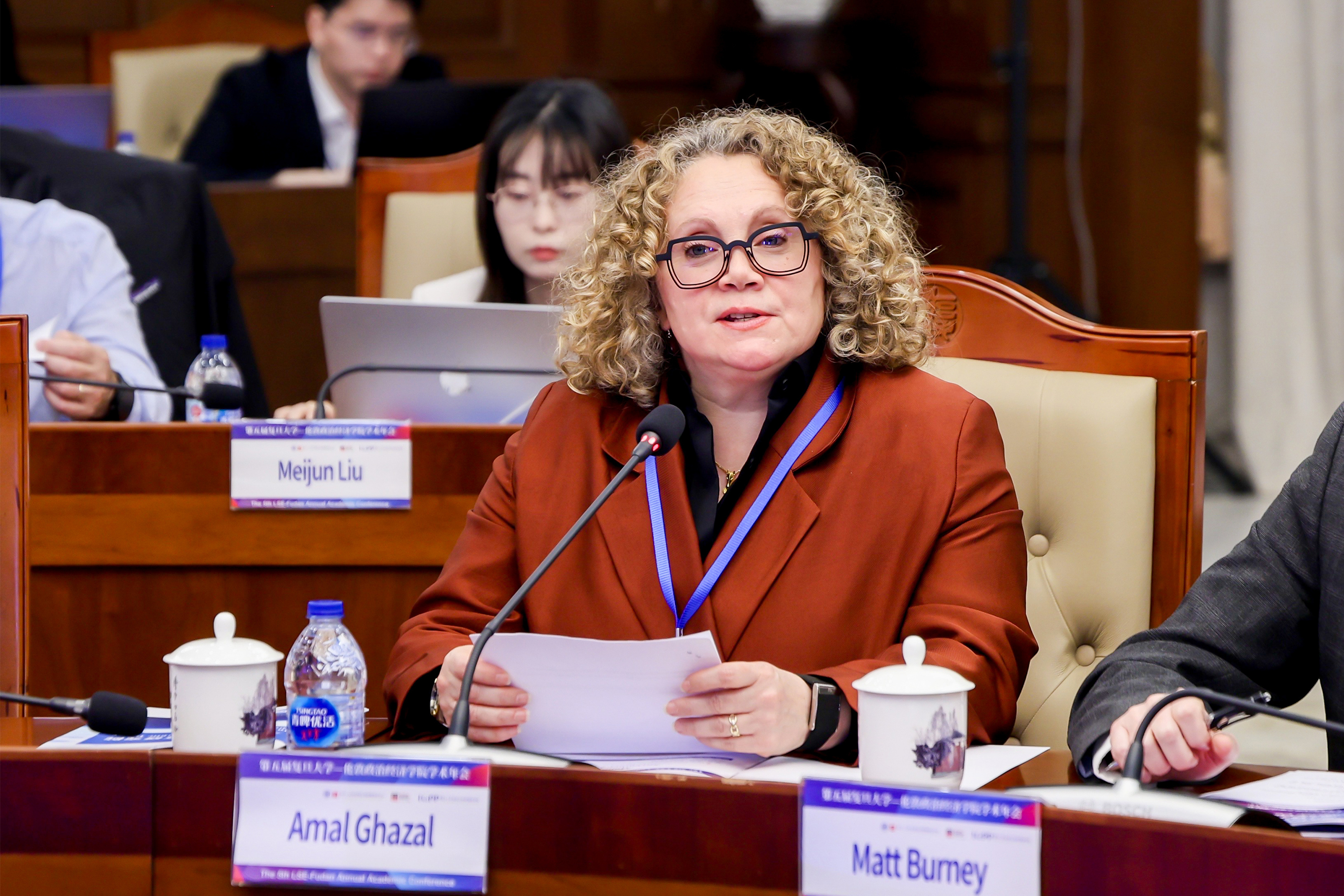
Professor Ghazal emphasized that the conference addressed an urgent question: how international cooperation can remain effective and legitimate amid changes in the international order. As interests diverge and trust comes under pressure, maintaining the capacity for collective action has become a shared global concern. Drawing on Qatar’s diplomatic experience, she highlighted that effective mediation depends on maintaining communication even when political disagreements persist. Turning to the geopolitics of knowledge, she noted that political tensions can disrupt scientific collaboration and restrict academic mobility, underscoring universities' responsibility to safeguard academic exchange. She also introduced the Doha Institute’s commitment to teaching and research in Arabic and expressed her hope that Arabic-language scholarship would play a greater role in international academic discussions.
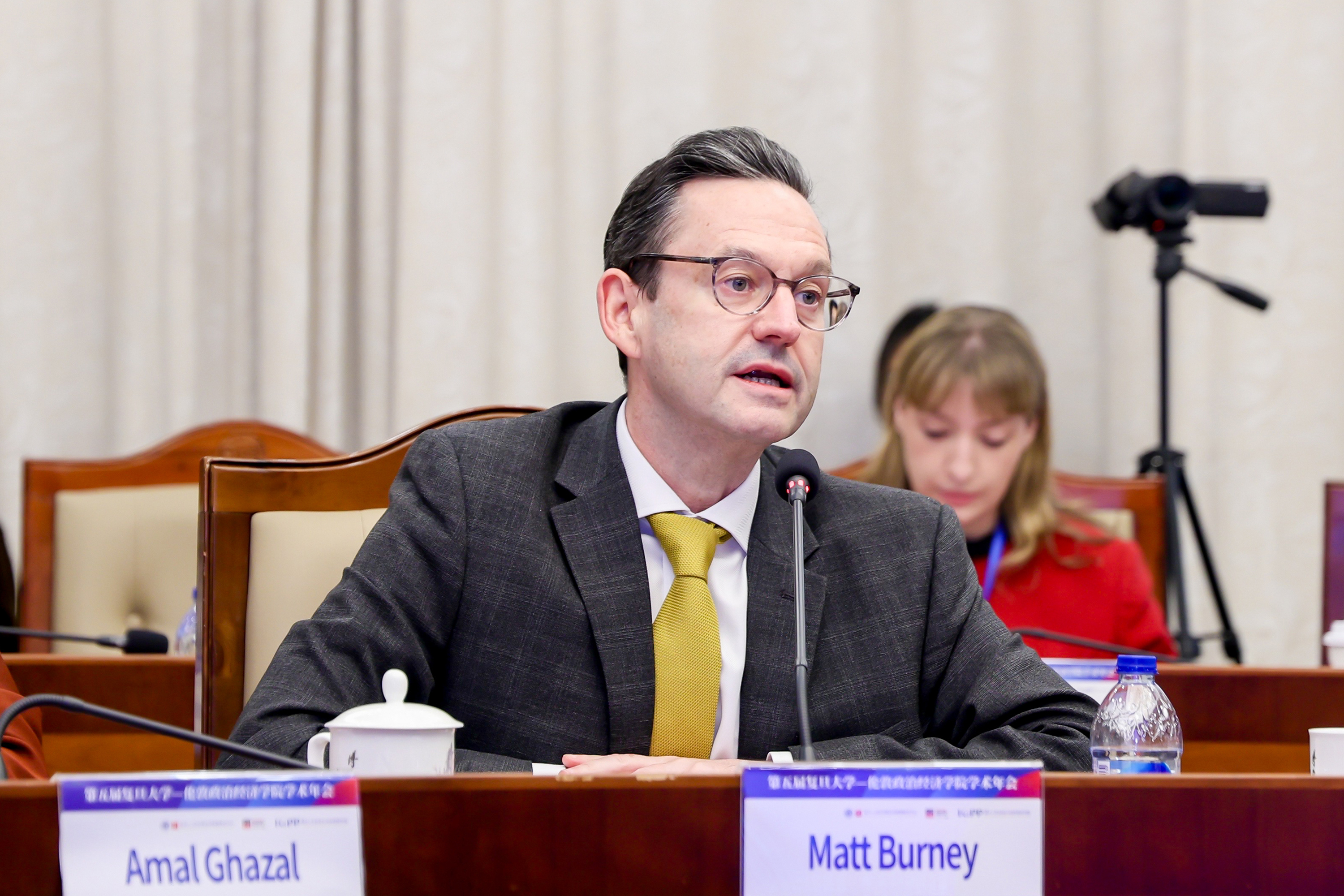
Consul General Burney emphasized the relevance of the conference theme in an increasingly multipolar world, noting that governments must consider how international cooperation can better serve their people. He highlighted three priorities. First, international institutions should reflect contemporary global realities, and the UK supports pragmatic reforms of the United Nations and its Security Council to enhance their representativeness and effectiveness. Second, international institutions must deliver tangible benefits, including economic growth, clean energy, advanced manufacturing, resilient supply chains, and emerging technologies. Third, cooperation should continue despite differences, with the UK willing to work with China where interests align while engaging candidly on areas of disagreement. He stressed that a multipolar world makes international cooperation more important, not less. Universities and research institutions play a critical role in providing evidence, testing ideas, and promoting mutual understanding across borders. The enduring partnership between LSE and Fudan, he noted, demonstrates the value of sustained and substantive academic engagement.
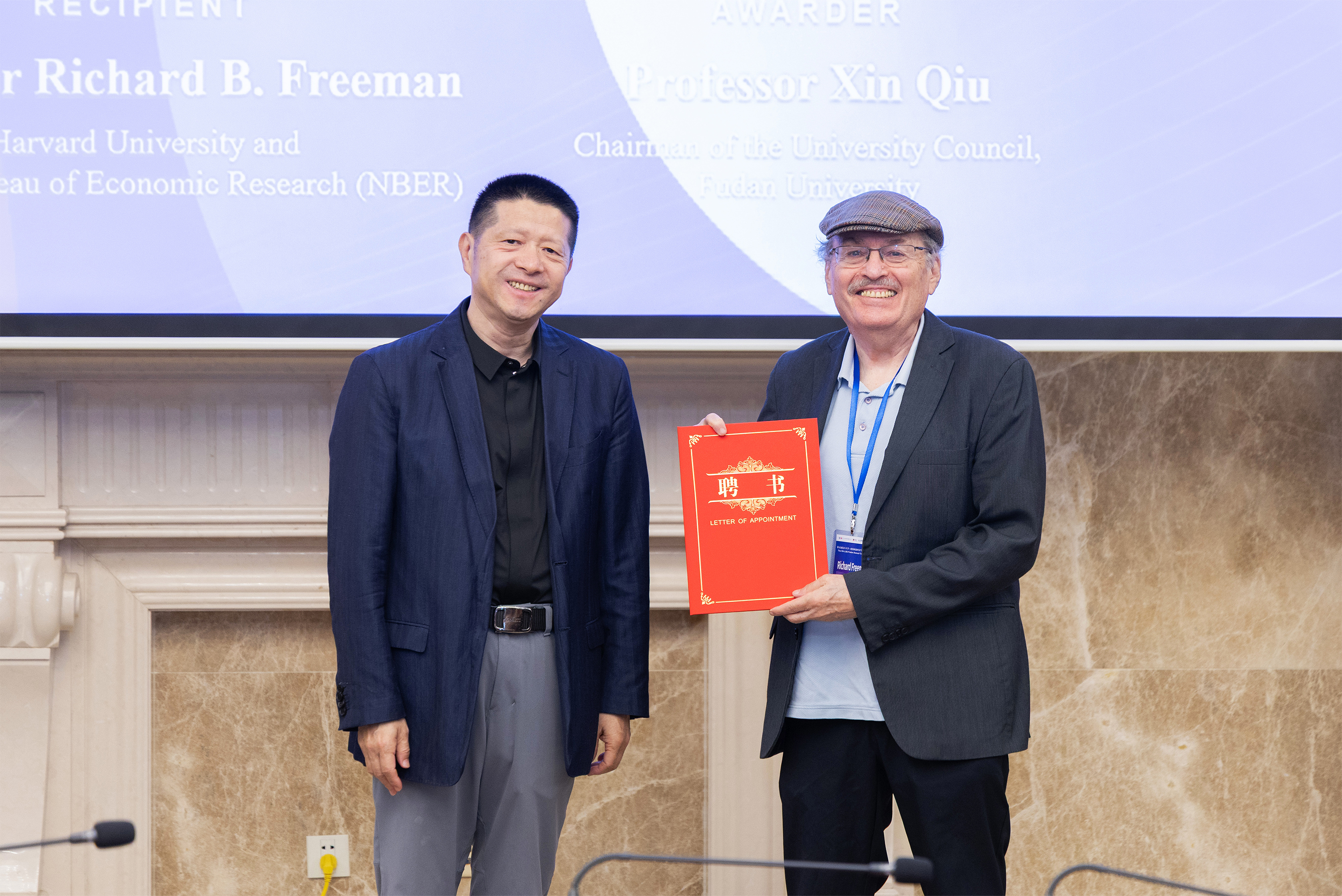
During the opening ceremony, Professor Qiu presented an appointment certificate to Professor Richard Freeman, Herbert Ascherman Professor of Economics at Harvard University and Research Associate at the National Bureau of Economic Research, officially appointing him as an Adjunct Professor at IGPP.
Professor Freeman is a Fellow of the American Academy of Arts and Sciences and the American Association for the Advancement of Science. He has made distinguished contributions to labor economics and public policy, with internationally recognized research covering the science and engineering workforce, international mobility of researchers, and the impact of AI on employment. He has long been actively engaged in scientific collaboration with scholars from China and other developing countries and regions and has established close academic ties with IGPP.
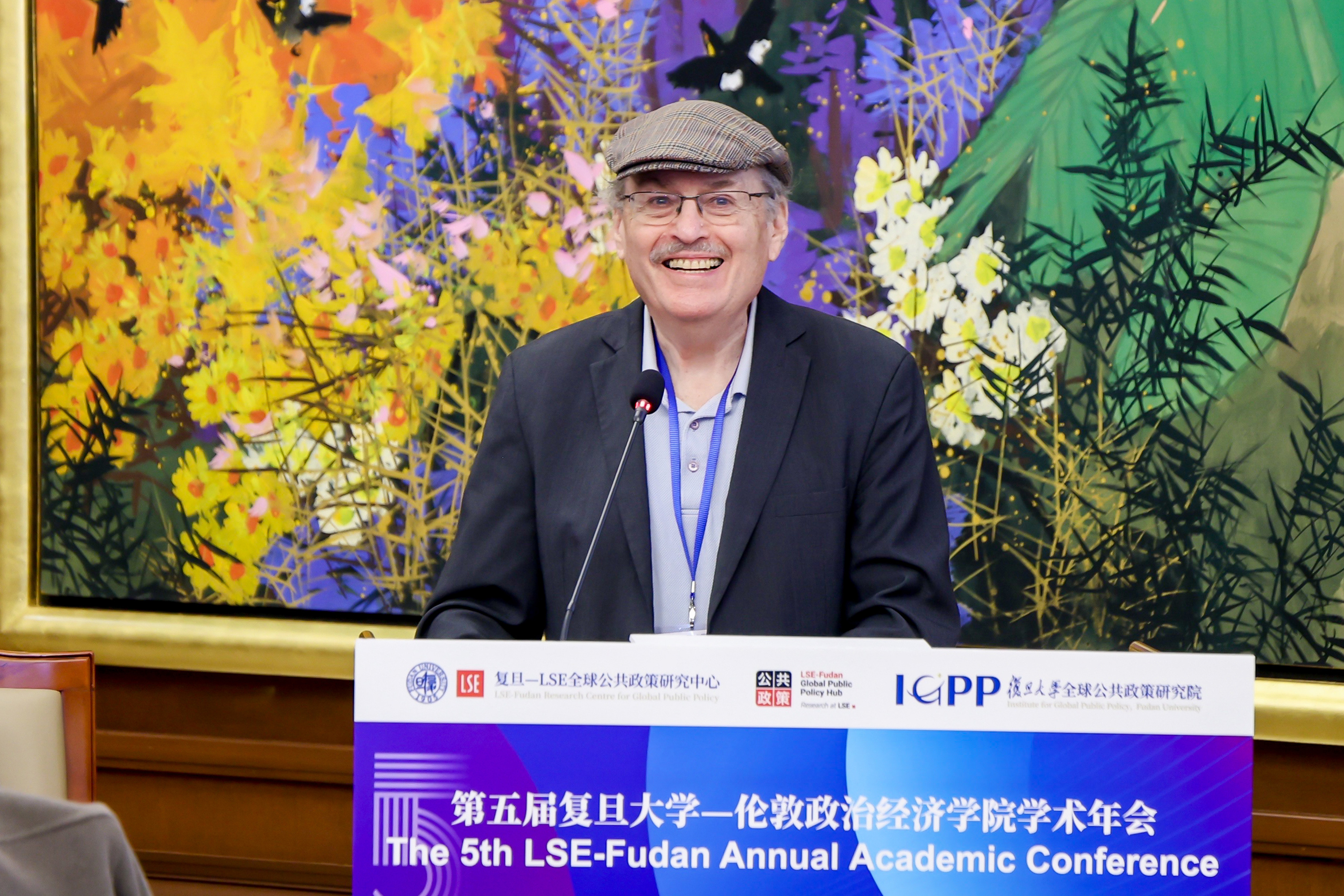
In the keynote session, Professor Freeman delivered a lecture on the theme of “What Does Economics Tell Us About State Behavior in an Era of Weakening Globalization and International Organizations? From Hirschman and Hirshleifer to the Present.” Drawing on a geoeconomic perspective, he analyzed the changing global political economy in the age of AI and proposed an analytical framework for understanding state behavior, internet governance, cooperation among major AI powers, and the benefits and safety costs associated with AI. He argued that geoeconomic analysis should extend beyond the geographical space of the physical world to encompass the geography of digital networks.
Professor Xizhe Peng, Fudan Senior Professor of Humanities and Social Sciences, Chair of the Academic Committee of IGPP, and Dean of the Fudan Institute on Aging, chaired the appointment ceremony and keynote session.
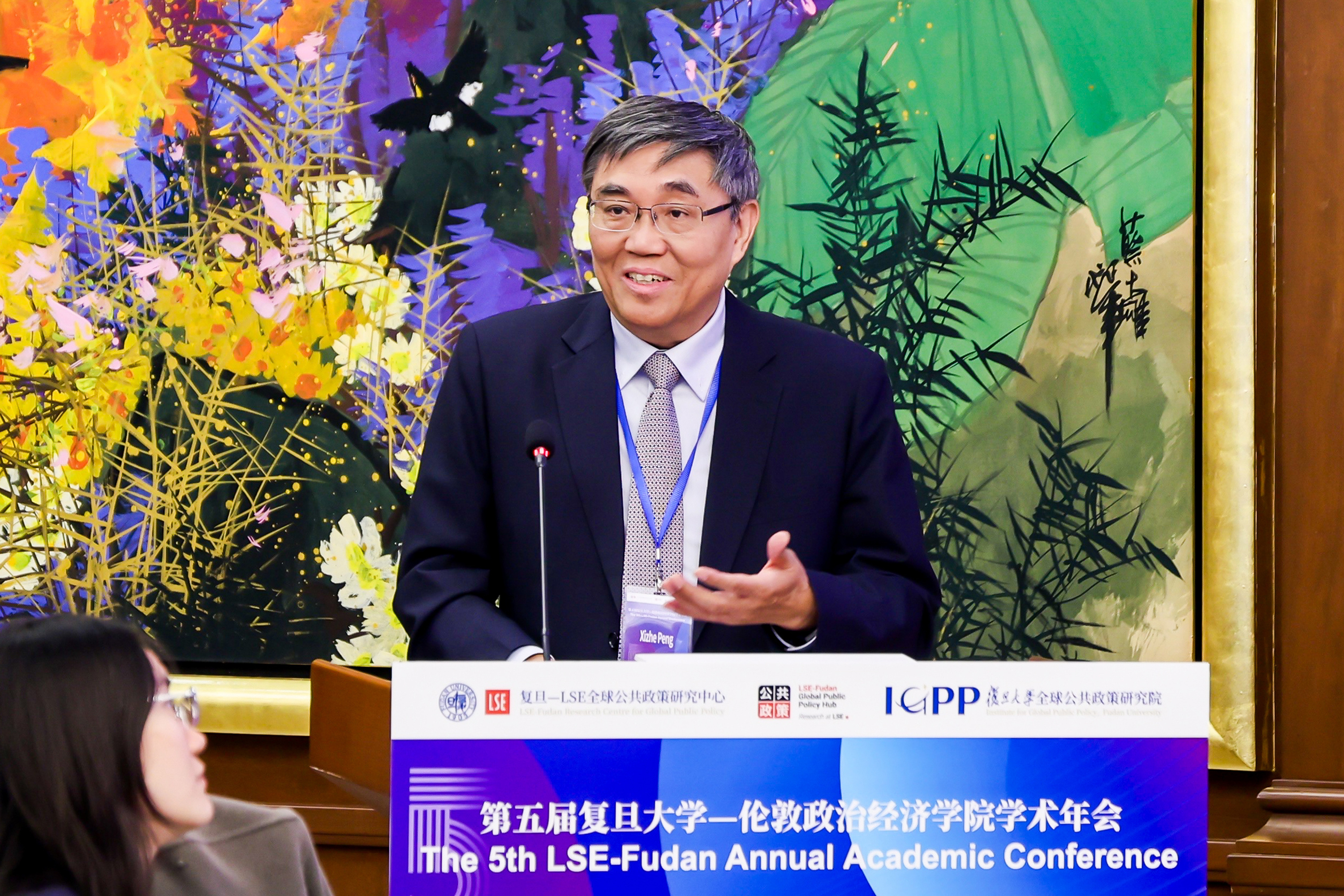
The conference featured six thematic sessions covering geopolitics and economic statecraft, the geopolitics of knowledge, multilateral institutions and global governance, climate and sustainability, contestation in global governance, and multilateralism in development finance. Participants engaged in in-depth discussions on the transformation of global governance in an increasingly multipolar world.
The first panel, “Geopolitics, Economic Statecraft, and the Changing Global Order,” was chaired by Professor Susana Mourato. Professor Rosemary Foot from the Department of Politics and International Relations at the University of Oxford examined obstructionism in multilateral international organizations and its conceptual boundaries. Assistant Professor Donato Di Carlo from LSE discussed institutional transformation in the European Union. Professor Keiichi Ogawa from Kobe University examined education finance from the perspective of the global education financing architecture. Assistant Professor Sichen Li from LSE focused on local officials’ incentives and the politics of innovation financing in China.
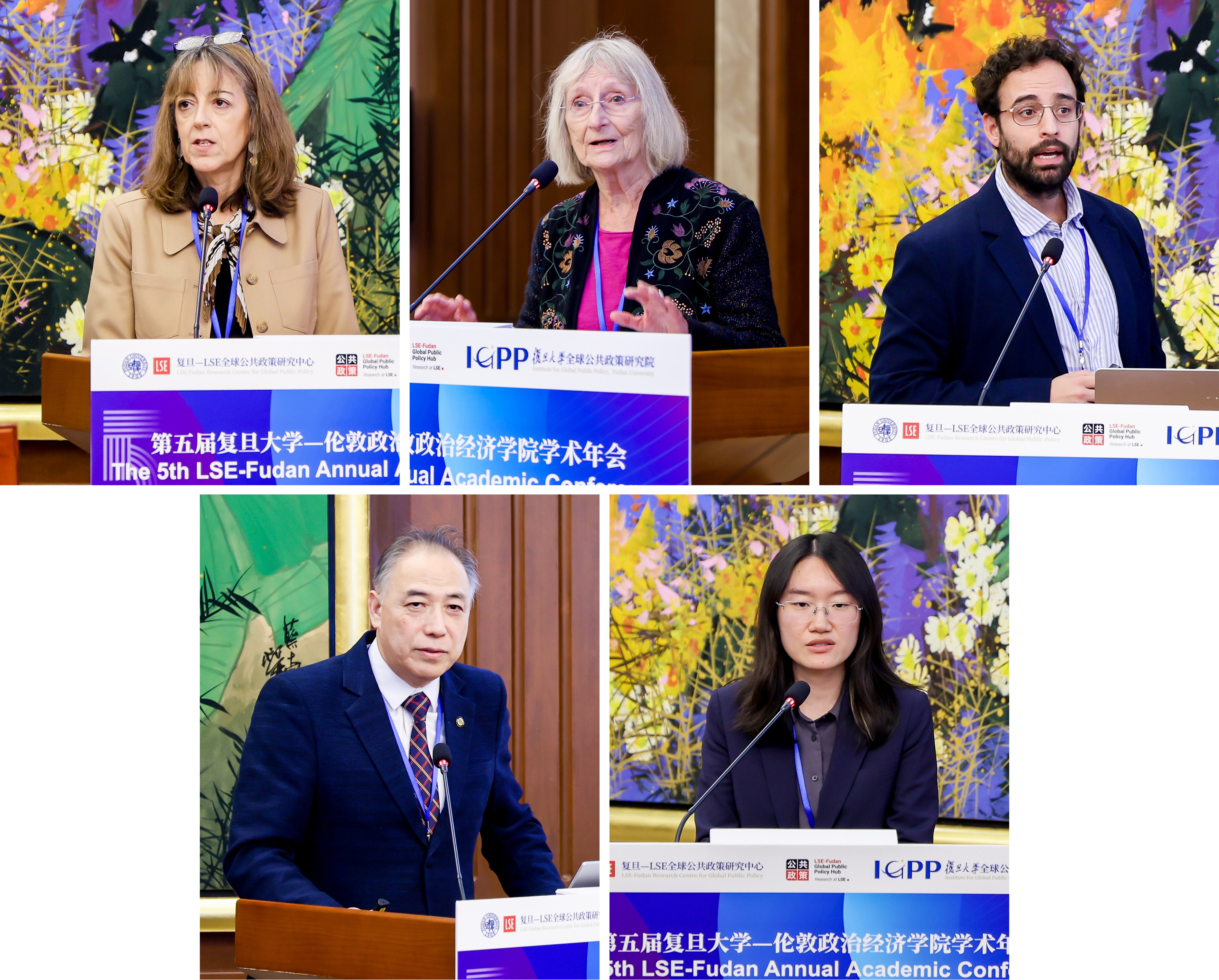
The second panel, “The Geopolitics of Knowledge – Academic Retrenchment and the Governance of International Research," was chaired by Professor Li Tang from Fudan University, with Professor Philip Shapira from the University of Manchester serving as discussant. The session was co-organized by Committee on Women in Science and Technology. Professor Freeman examined global scientific collaboration, conflicts of national interests, and scientific progress, incorporating war, natural disasters, and geopolitics into the analysis of global scientific knowledge dissemination. Professor Yang Wang from t Xi'an Jiaotong University discussed adaptive shifts in American science amid geopolitical tensions. Associate Professor Meijun Liu from IGPP introduced changes in U.S. policies related to the mobility of scientific and research talent since 2017.
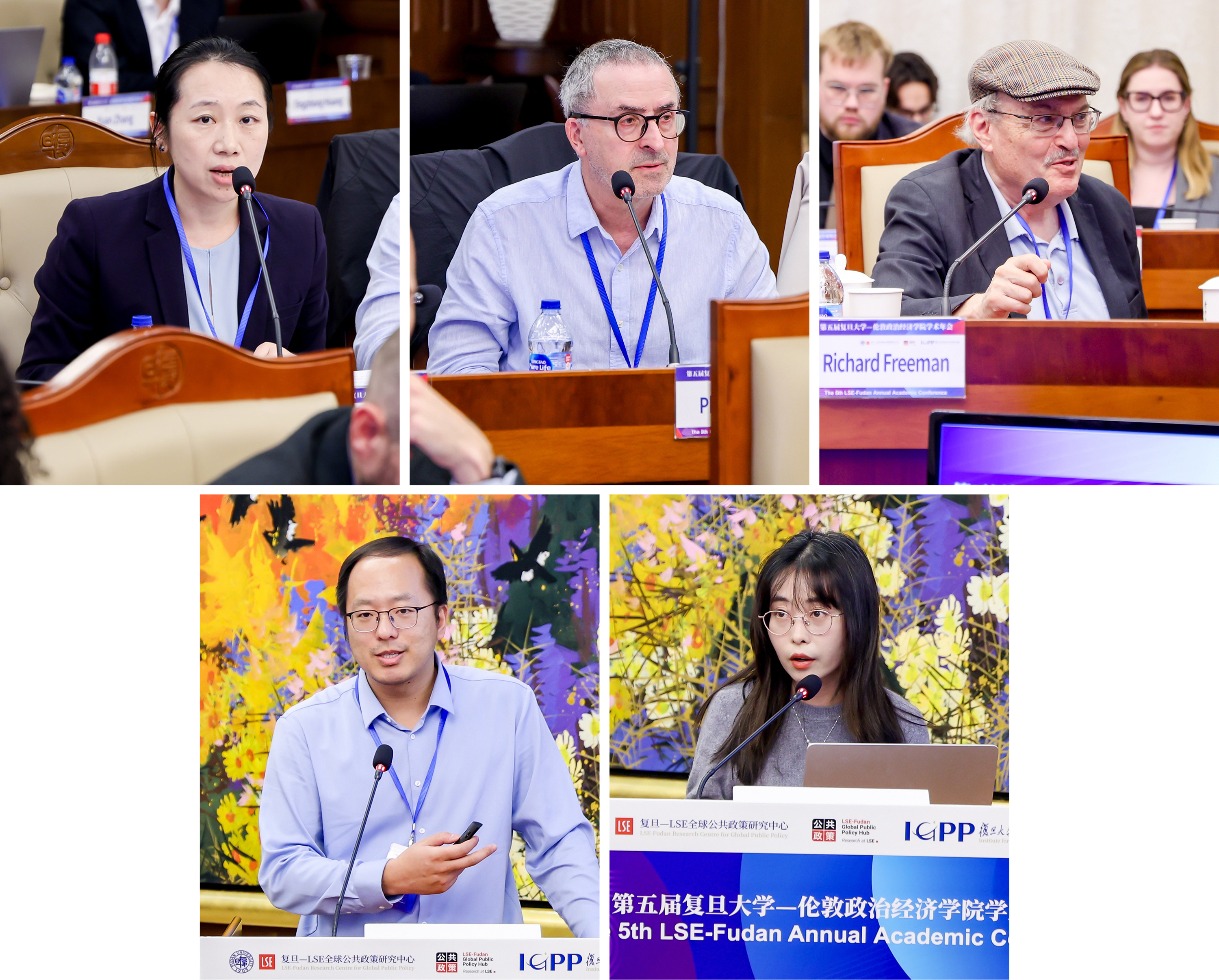
The third panel, “Multilateral Institutions and Global Governance in a Fragmented World,” was chaired by Associate Dean Haoqi Qian of IGPP. Dr. Vincent Harting from LSE examined the relationship between socialism and oligarchy. Professor Katja Levy from the Norwegian University of Science and Technology explored how international organizations learn and adapt during shifts in the polarity of the international system. Dr. Nicolás Arenas from East China University of Science and Technology revisited liberal democracy and democratic models through the lens of Chinese conceptions of democracy and social welfare. Luiz Leomil, a doctoral candidate at Carleton University, examined the migration–development nexus in multilateral development banks of the Global South. Professor Zahid Shahab Ahmed from the National Defense College in Abu Dhabi analyzed China–India rivalry and the future of regionalism and subregionalism in South Asia. Dr. Matvei N. Chistikov from the Higher School of Economics in Russia turned to the Arctic, examining crisis spillovers after 2014 and 2022 and the institutional resilience and transformation of Arctic cooperation.
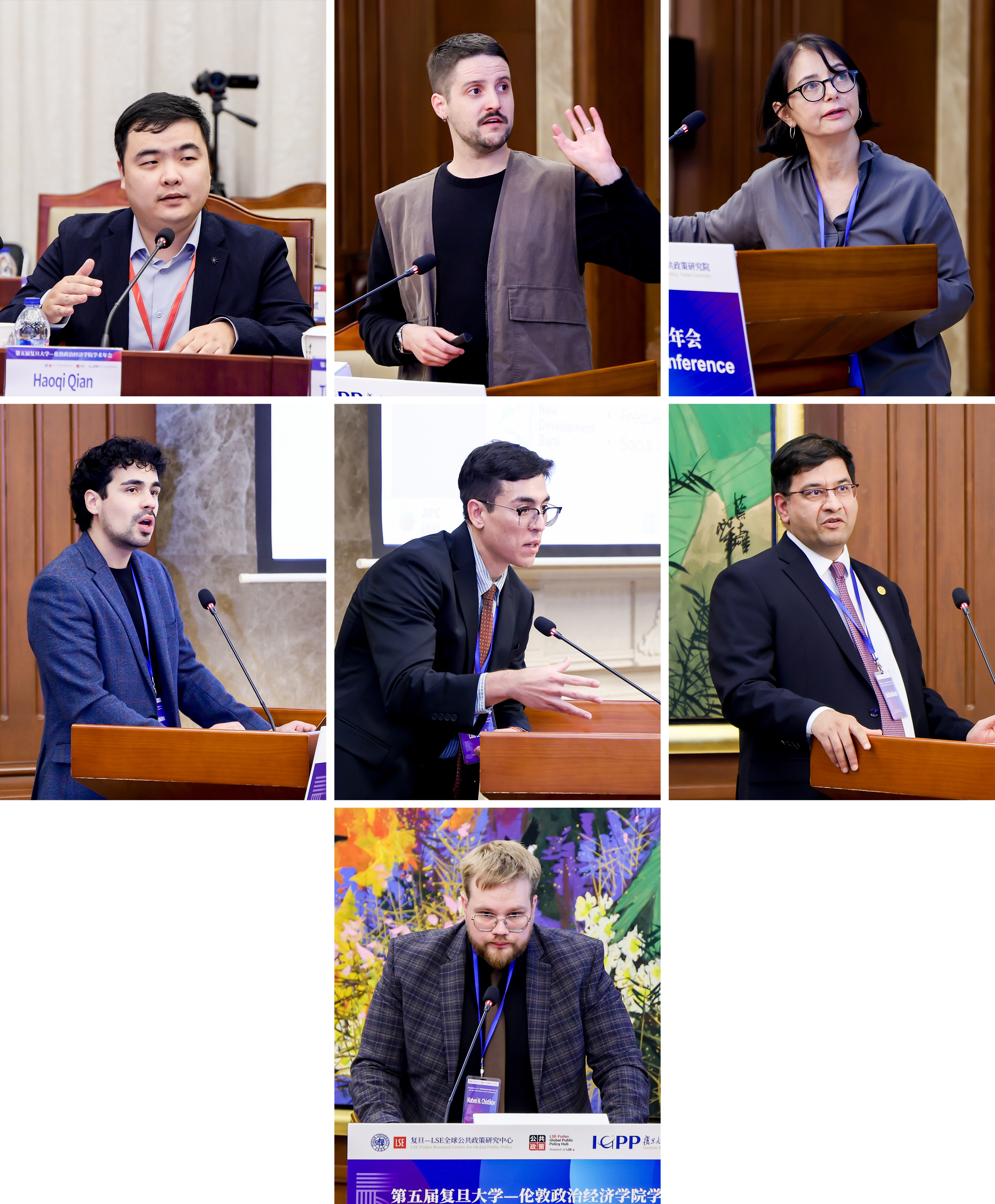
The fourth panel, “Climate, Sustainability, and the Resilience of International Cooperation,” was chaired by Associate Professor Timothy Hildebrandt from LSE. Tao Wang from the World Bank discussed the shift from “diagnosis” to “direction” in multilateral climate and environmental governance in a multipolar world. Dr. Anna Chistikova from HSE examined developing-country coalitions under the United Nations Framework Convention on Climate Change (UNFCCC), exploring the factors that bring coalitions together and sustain cooperation. Professor Jennifer L. Bailey from the Norwegian University of Science and Technology analyzed international fisheries management in a changing global environment. Dr. Genevieve Donnellon-May from the University of Melbourne examined China’s evolving role in multilateral agricultural governance, focusing on its transition from a “rule-taker” to a “norm-shaper.”
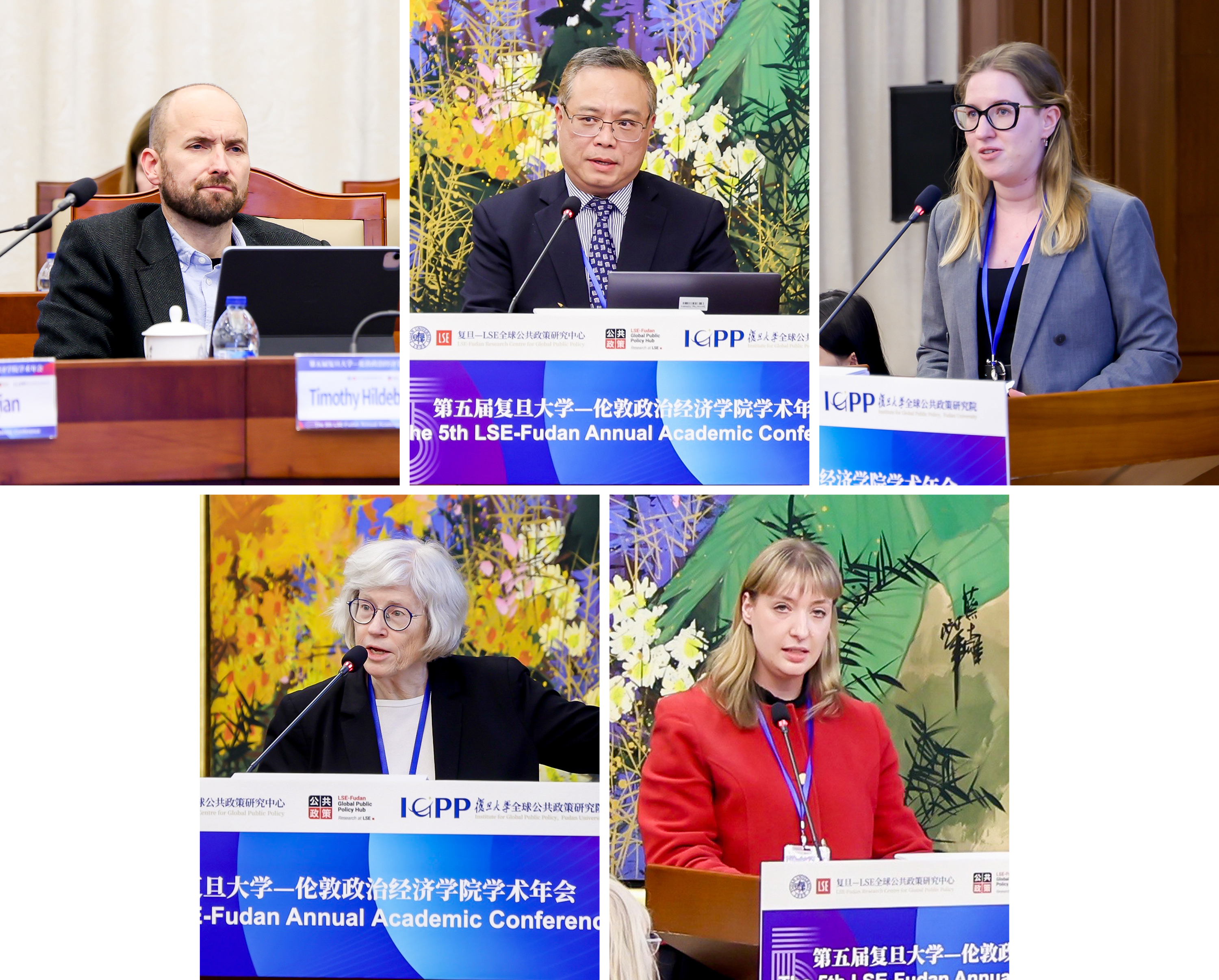
On the morning of November 3, the fifth panel, “Contesting Global Governance: Institutions, Norms, and Political Order,” was chaired by Professor Bingchun Meng from LSE, who also serves as Co-Director of the Centre. Professor Alvaro Mendez from LSE discussed China and the evolution of multilateral institutions, focusing on institutional innovation and adaptation. Associate Professor Yasmine Khayyat from the American University of Beirut examined war and global governance in the context of southern Lebanon. Associate Professor Nikolas Kosmatopoulos from the same university explored anti-colonial ocean governance in a multipolar era, focusing on the relationships among international organizations, local actors, and maritime governance. Megan Schwab, an alumna of LSE, examined the discursive defenses of the European Parliament against far-right pressures between 2019 and 2023. Assistant Professor Jingyuan Xu from IGPP discussed the relationship between international organization procurement and national fiscal transparency.
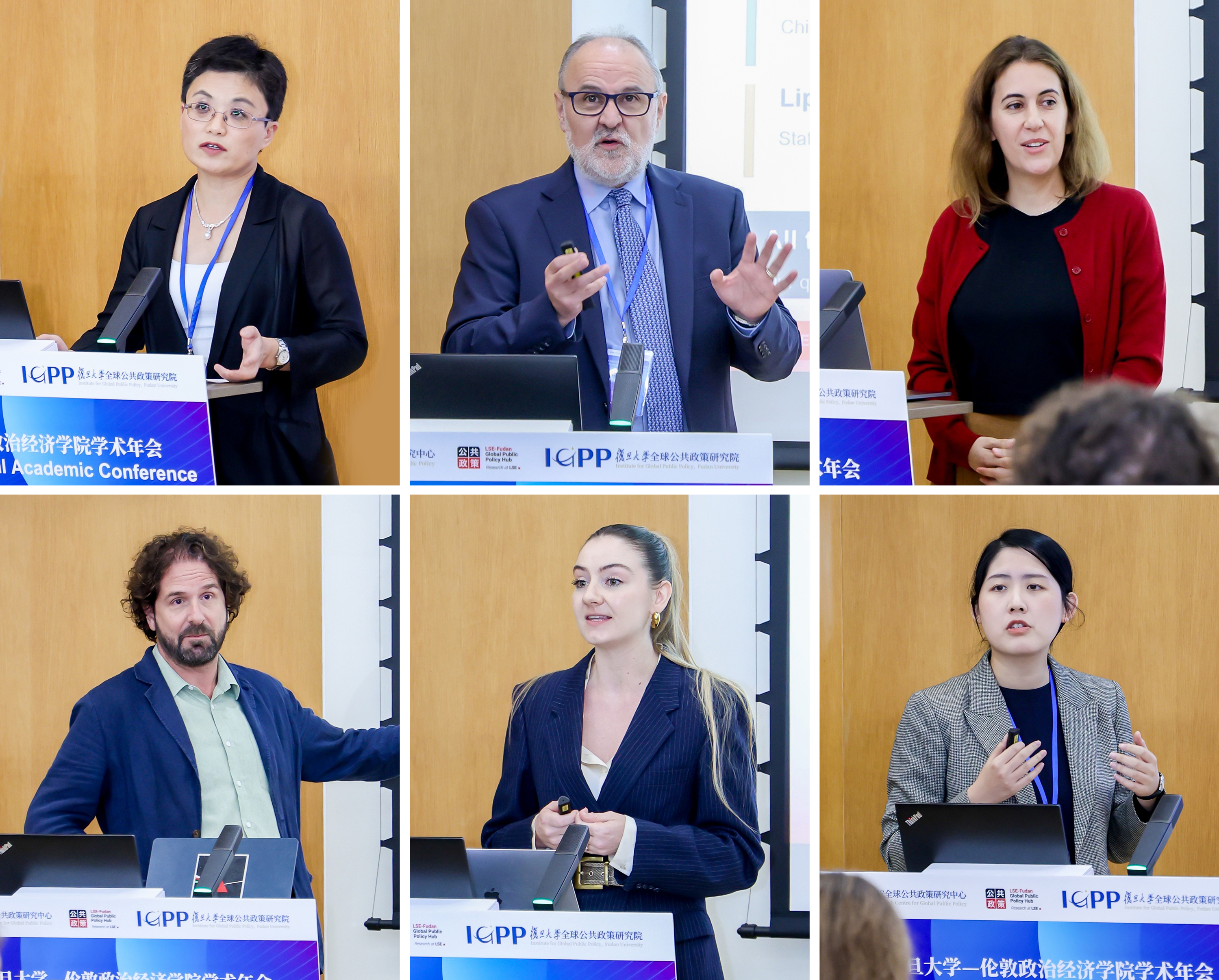
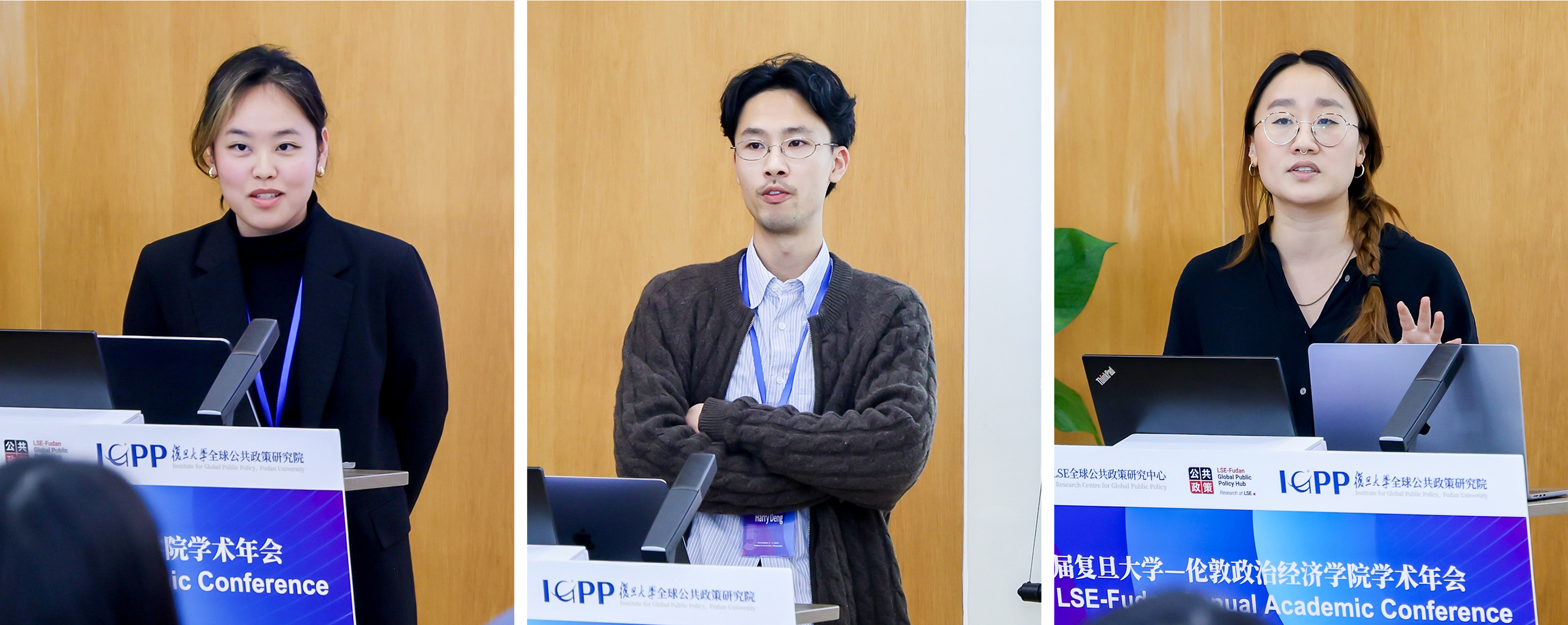
The sixth panel, “Multilateralism Under Pressure: Adaptation, Reform, and Competition in Development Finance,” was chaired by Dr. Tianyi Wu from LSE. Dr. Wu examined how Chinese development finance influences lending decisions at the World Bank. Harry Deng from the University of Waterloo explored financial statecraft in the reform of the global financial architecture, using Barbados' “Bridgetown Initiative” as a case study. Andrea Zhu from UCLA examined transnational environmental and social advocacy within the Asian Infrastructure Investment Bank, focusing on norm defense in a multipolar institutional landscape.
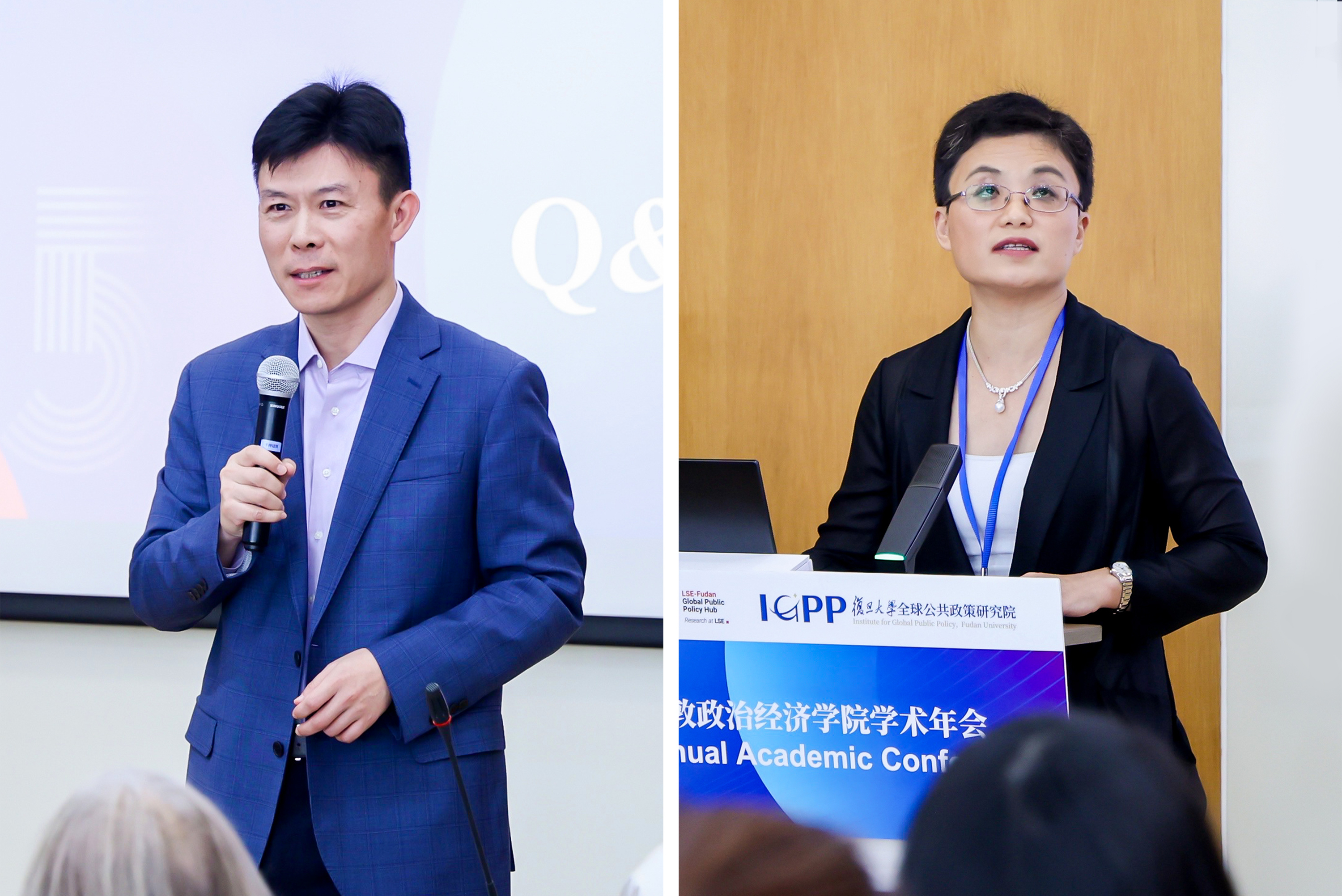
At the conclusion of the conference, Professor Jing expressed his gratitude to the participants for their insightful analyses and valuable contributions to discussions on pressing issues in global governance. He encouraged scholars to further develop their research into publishable academic work with meaningful policy impact and invited participants to contribute to the international academic journal Global Public Policy and Governance. Professor Meng delivered the closing remarks, summarizing the research presented throughout the conference and thanking the organizing staff for their efforts. She expressed her anticipation of welcoming scholars from around the world to the 6th Fudan–LSE Annual Academic Conference, to be hosted by LSE in 2027. Professor Meng also announced that the Fudan–LSE Global Public Policy Hub would soon launch a global recruitment process for two LSE research fellows.
Following the conference, Professor Lei Zhou, Vice President of Fudan University, held a working meeting with Professor Susana Mourato, Vice President of LSE, to discuss further strengthening cooperation between the two universities. Both sides spoke highly of the conference's achievements and reached a shared understanding on several areas for future collaboration.