Events


On October 27, 2026, the Institute for Global Public Policy (IGPP) at Fudan University hosted the 7th event of its Global Leadership Series. Deputy Director-General Mohammed Ibrahim Al Dhaheri of the Anwar Gargash Diplomatic Academy (AGDA) in the United Arab Emirates.

Dr. Al Dhaheri delivered a keynote speech titled “Reading the Moment: The Gulf Between Escalation and Lasting Peace.” He has extensive experience in diplomatic mediation in the Gulf region, regional security architecture, and multilateral dialogue. He previously served as Director of the Strategy and Future Department at the UAE Ministry of Foreign Affairs and has been actively involved in crisis mediation and the development of regional partnerships in the Gulf. The event was chaired by Professor Yijia Jing, Dean of IGPP, with Associate Professor Chuchu Zhang from School of International Relations and Public Affairs and Associate Professor Yao Wen from the Center for American Studies joining the roundtable discussion.
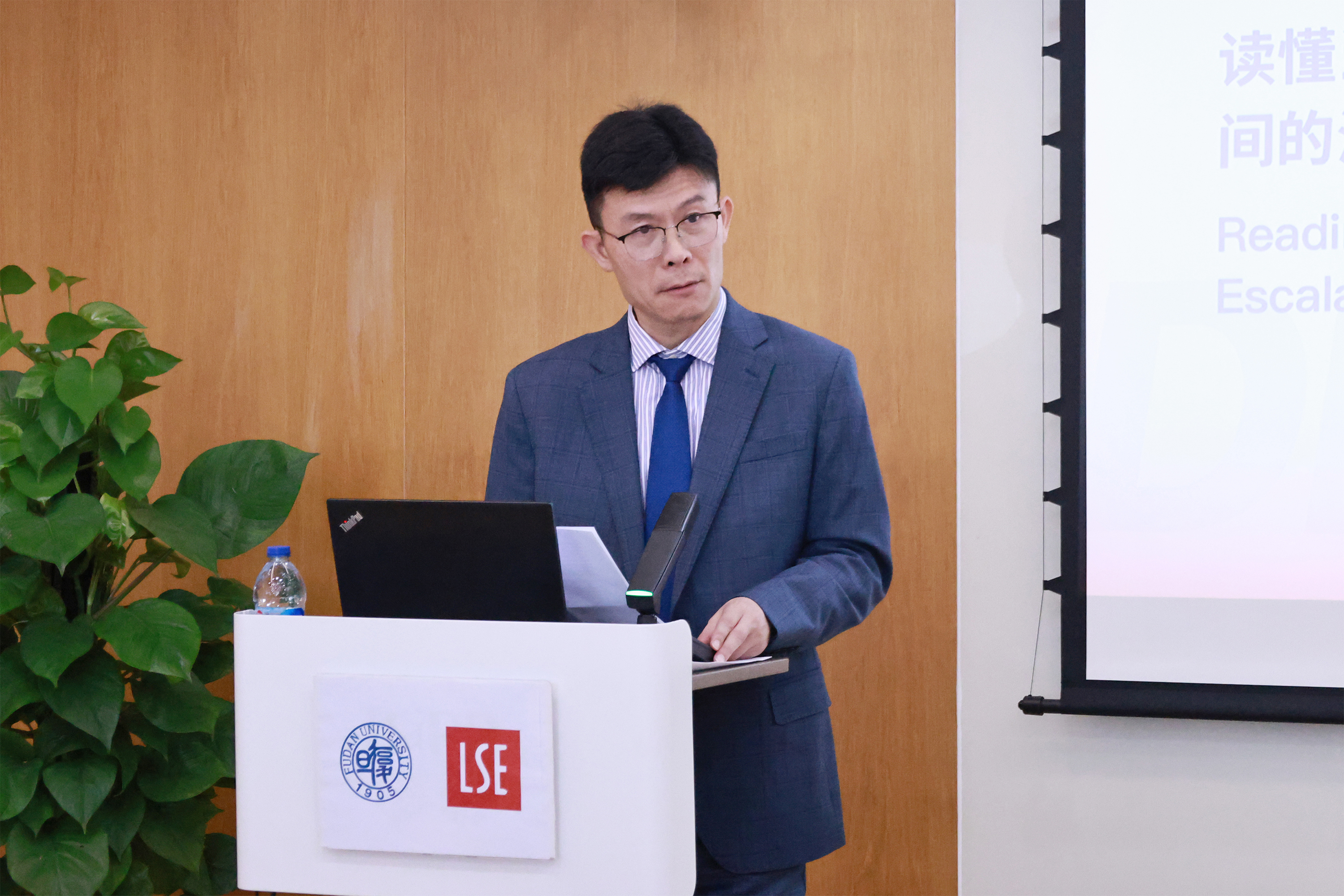
In his keynote speech, Dr. Al Dhaheri began by reviewing the UAE’s development and introducing its foreign policy principles, which emphasize stability, prosperity, international responsibility, openness, and inclusiveness. Drawing on the UAE’s experience in international mediation, economic and trade cooperation, and humanitarian assistance, he explained the country’s diplomatic choices in an increasingly complex international environment. Turning to the current situation in the Gulf region, he noted that the consequences of regional conflicts have extended beyond the region, posing challenges to global energy trade and supply chain stability. He emphasized the importance of diplomatic dialogue and political consultation in de-escalating tensions and achieving lasting regional peace.
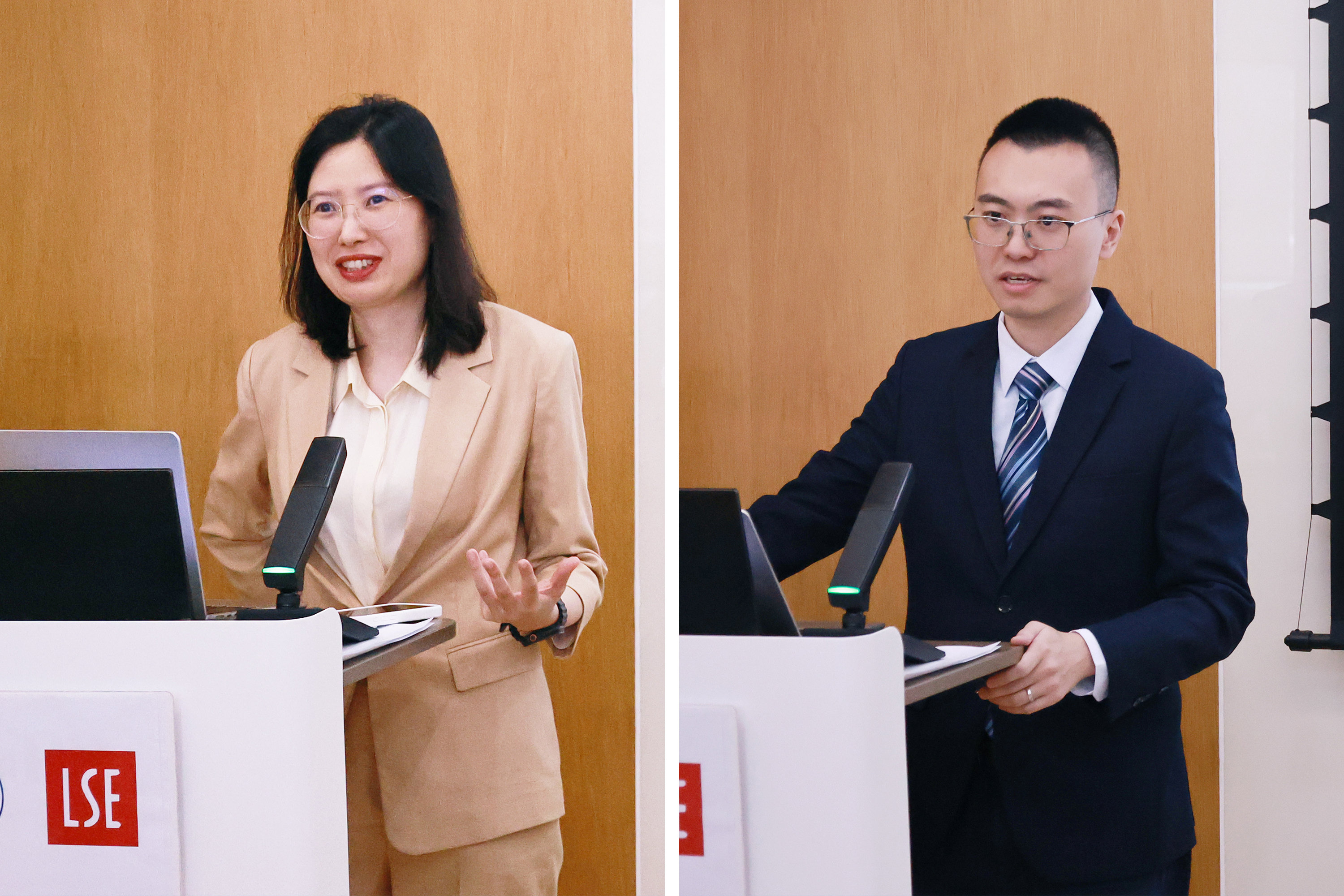
During the commentary session, Associate Professor Zhang noted that China and the UAE share broad common ground on stability, prosperity, and openness. She emphasized the importance of recognizing the agency of Middle Eastern countries in shaping regional order and supporting the peaceful resolution of regional conflicts through political dialogue. Associate Professor Wen approached the discussion from a global governance perspective, analyzing the UAE’s role as a bridge for international dialogue, a supporter of multilateralism, and a promoter of new approaches to security. He also explored the evolving international order in an increasingly multipolar world and China’s role within it.
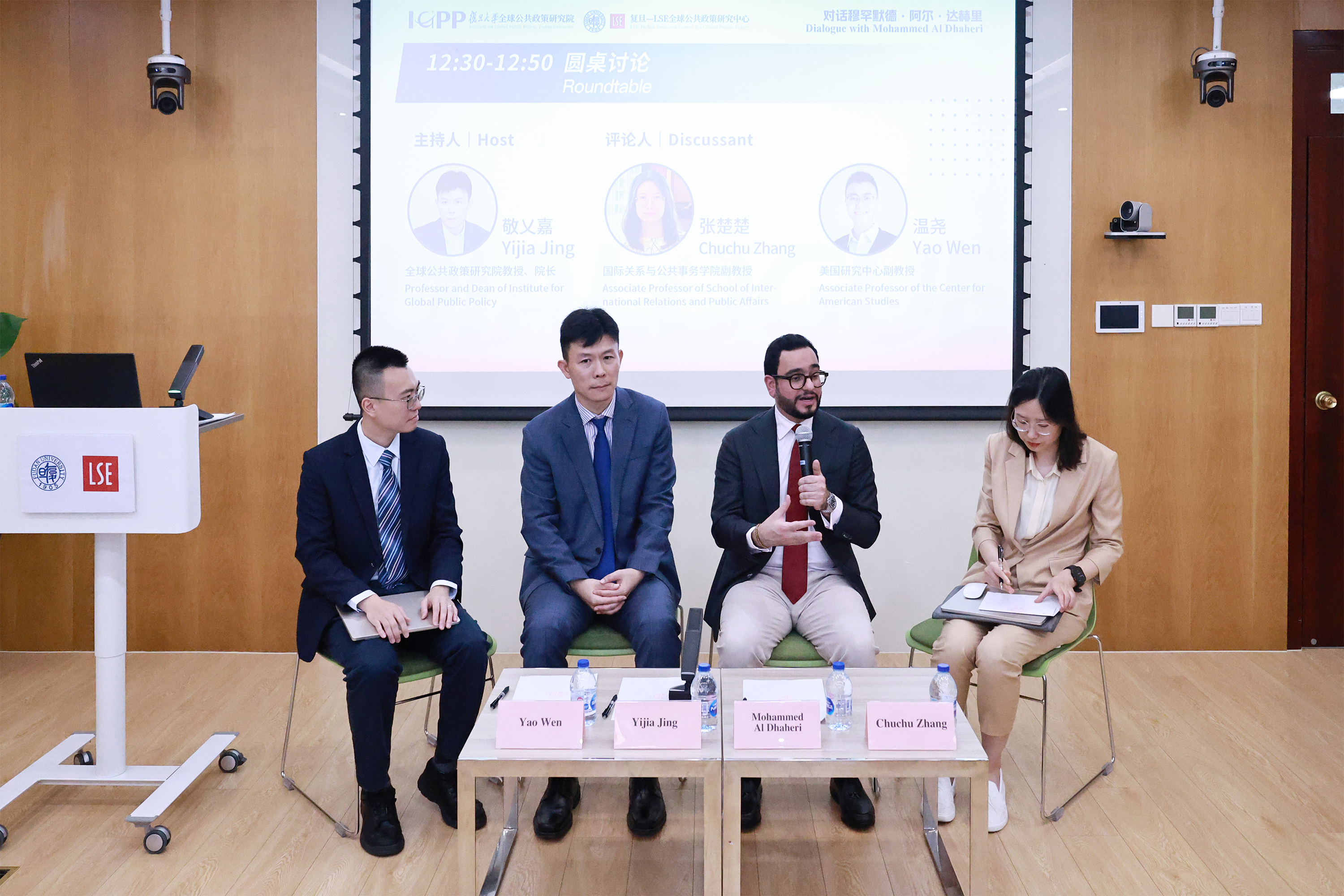
The subsequent roundtable discussion broadened the conversation to issues including the multipolarization of the international system, regional security architecture, and regional multilateral cooperation. Professor Jing, Associate Professor Zhang, Associate Professor Wen, and Dr. Al Dhaheri exchanged views on conflict management, regional sovereignty and security, development in the Global South, diplomatic dialogue mechanisms, and cooperation between Asian countries and the Gulf region. Drawing on perspectives from policy practice, international relations research, and great-power politics, the participants explored ways to address regional security risks and strengthen the foundations for lasting peace. Drawing on the UAE’s diplomatic experience, Dr. Al Dhaheri introduced the country’s efforts to ease regional tensions through the United Nations, regional organizations, and various mediation channels, while acknowledging the challenges facing existing multilateral mechanisms in practice. He emphasized that regional security architecture should be developed and led by countries within the region while remaining open and inclusive. He also expressed his hope that China would play a greater constructive role in regional political dialogue and conflict mediation. The participants further exchanged views on China’s potential role as a platform for dialogue and a facilitator of cooperation, as well as how global governance principles could be translated into concrete policy practices.
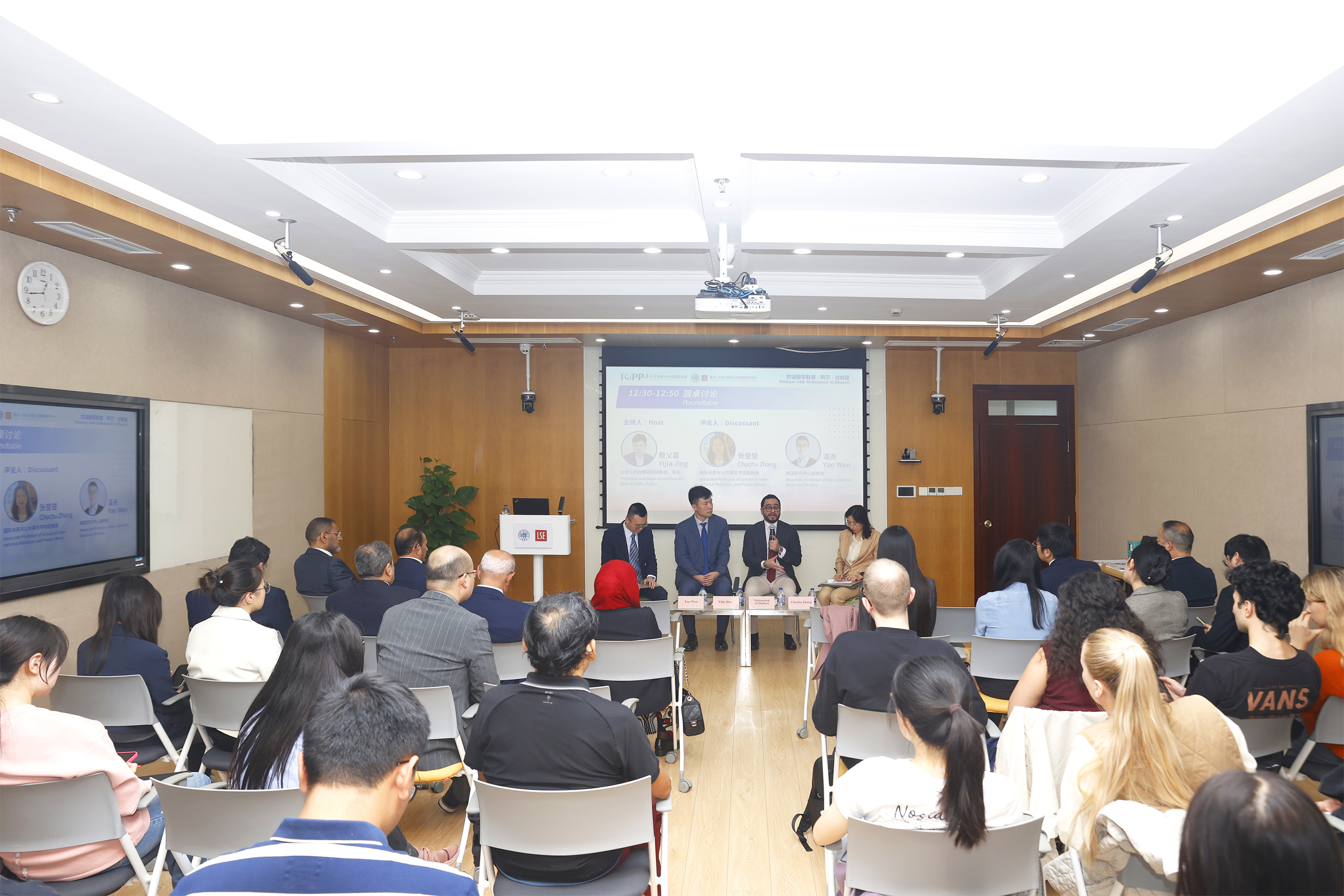
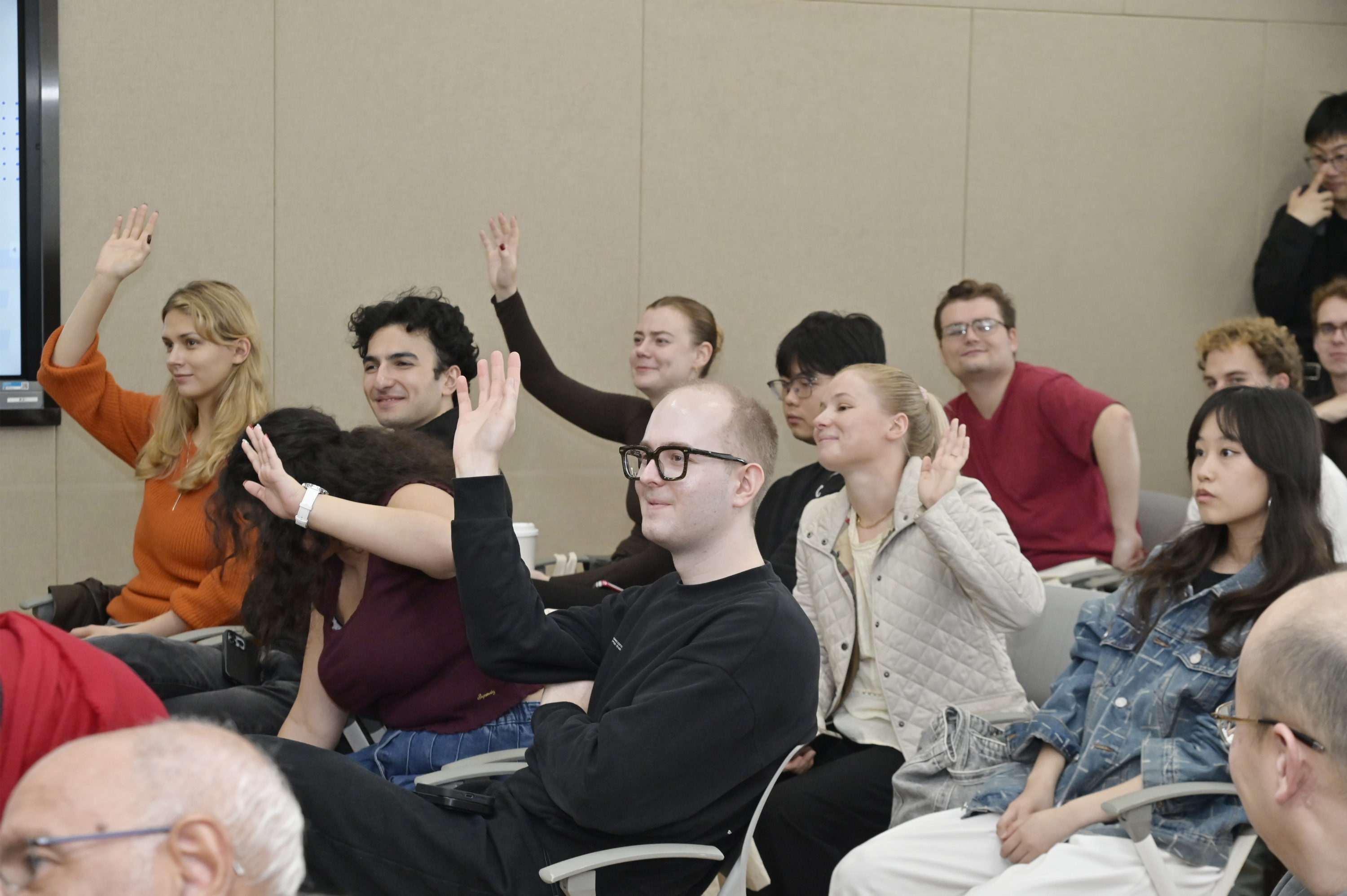
During the Q&A session, faculty members and students engaged in discussions with Dr. Al Dhaheri on regional conflicts, the UAE’s foreign relations and humanitarian assistance. In response, Dr. Al Dhaheri emphasized that military action alone cannot provide lasting solutions and that diplomacy requires time and mutual trust. He explained that the UAE’s foreign relations are guided by long-term national interests and strategic autonomy, with diversified partnerships supporting cooperation in trade, security, and humanitarian affairs. Drawing on the UAE’s experience in mediation and humanitarian assistance, he further highlighted the importance of maintaining open channels of communication.
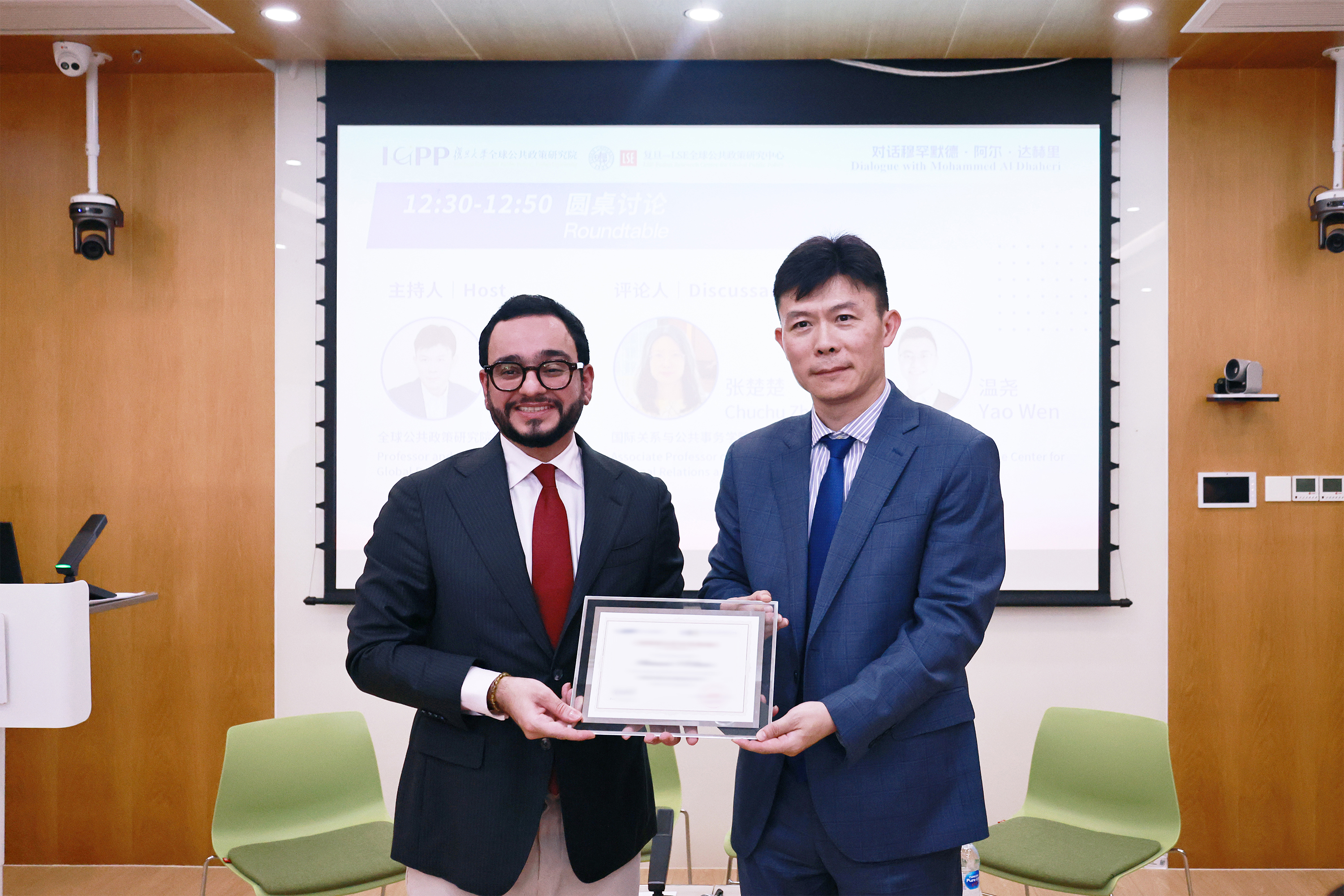
Following the Q&A session, Professor Jing presented Dr. Al Dhaheri with a guest certificate for the Fudan University Global Leadership Series, and the two posed for a commemorative photo.
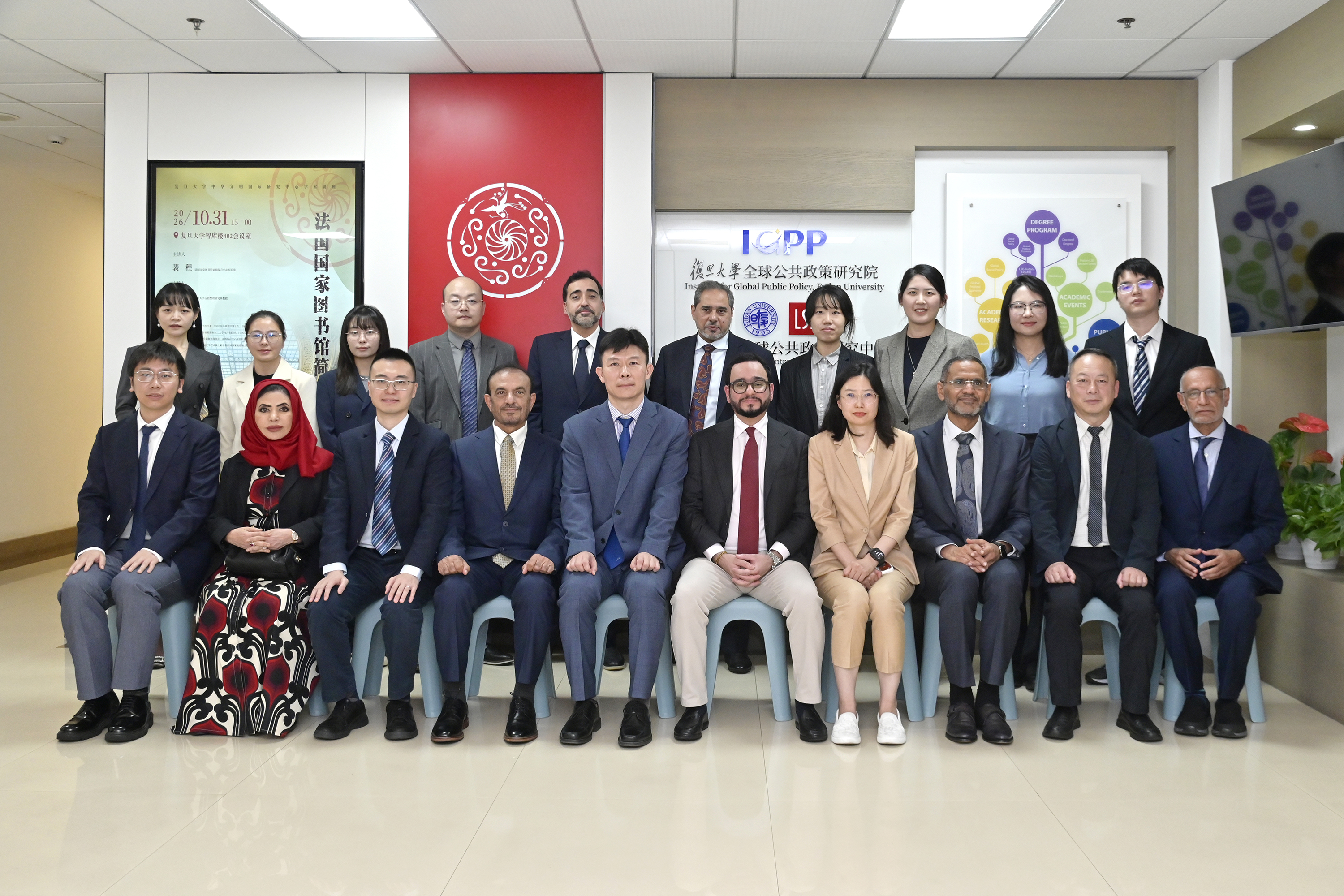
At the conclusion of the event, the AGDA delegation and IGPP faculty members gathered for a group photo, bringing the 7th event of the Fudan University Global Leadership Series to a successful close.