News


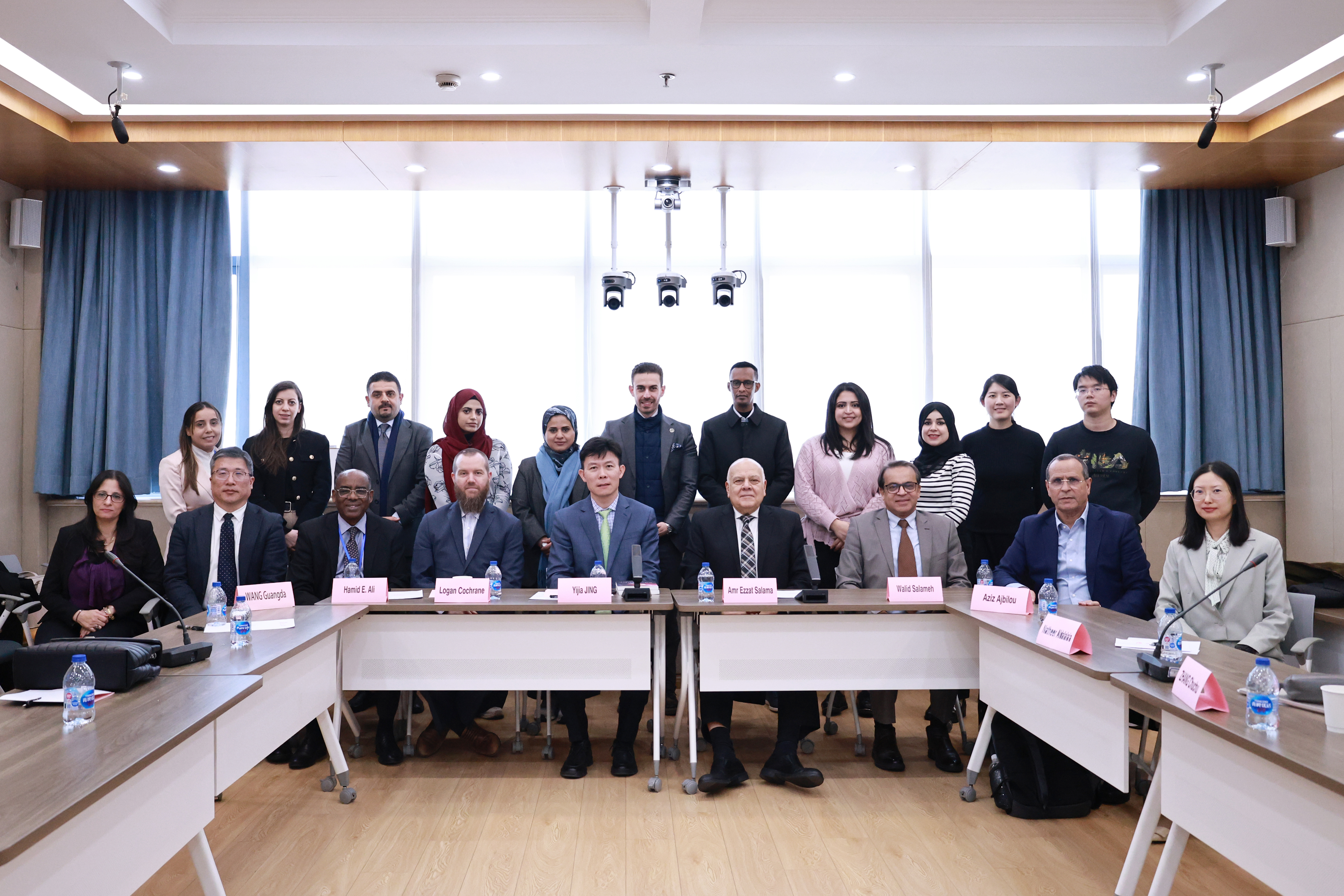
On November 21, 2025, the workshop “China–Arab Civilizational Dialogue: Tradition, Opportunities, and Innovation” was held at Fudan University. It was jointly initiated by the Institute for Global Public Policy (IGPP) at Fudan University and the Association of Arab Universities (AARU), and co-organized by the Fudan Office of Global Partnership and the Center for Advancing Global Collaboration (CAGC). The workshop focused on core themes such as civilizational mutual learning between China and Arab countries, as well as opportunities and challenges in modern cooperation, with the aim of promoting a sustainable development partnership. The event brought together prominent scholars, university representatives, and young professionals from China and Arab countries for in-depth discussions.

Dean Yijia Jing of IGPP attended the workshop and delivered a welcome speech, warmly greeting all participants. He highlighted the broad potential for complementarity and cooperation between civilizations and expressed hope that the workshop would serve as a platform to continuously innovate China–Arab dialogue mechanisms, expand the dimensions of cooperation, and inject new momentum into China–Arab relations in the new era.
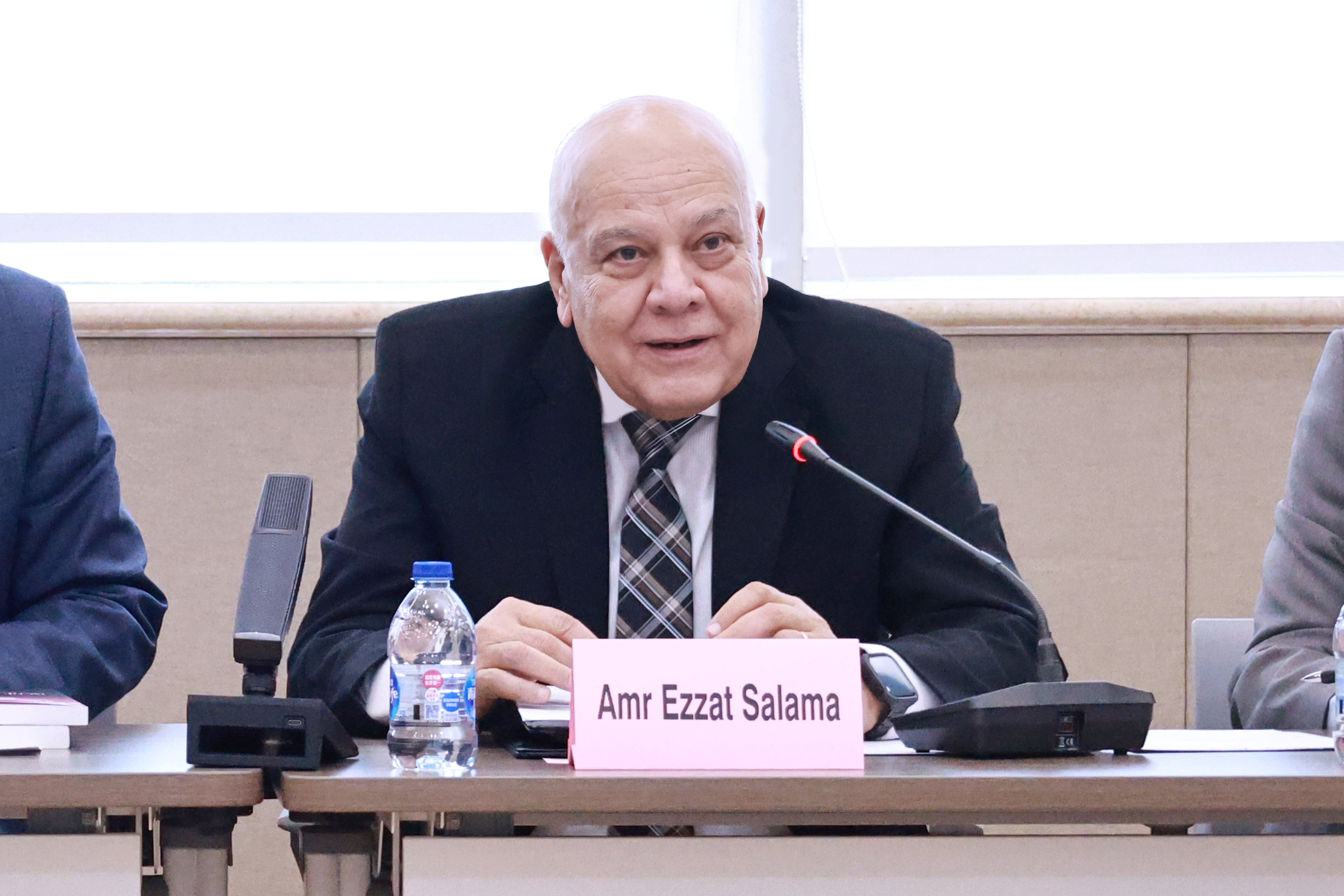
Amr Ezzat Salama, Secretary-General of the AARU and Honorary Professor at IGPP, delivered the keynote speech. He highlighted the long-standing exchanges between Chinese and Arab civilizations, noting that over more than two millennia, these interactions have built a rich cultural and intellectual foundation for both sides. He observed that cooperation continues to deepen in higher education, student exchanges, and trade, with a positive outlook for the future. Secretary-General Salama also called for strengthened collaboration in cutting-edge fields such as artificial intelligence and encouraged leveraging platforms like the China–Arab Product Summit to jointly advance technological innovation and institutional transformation.
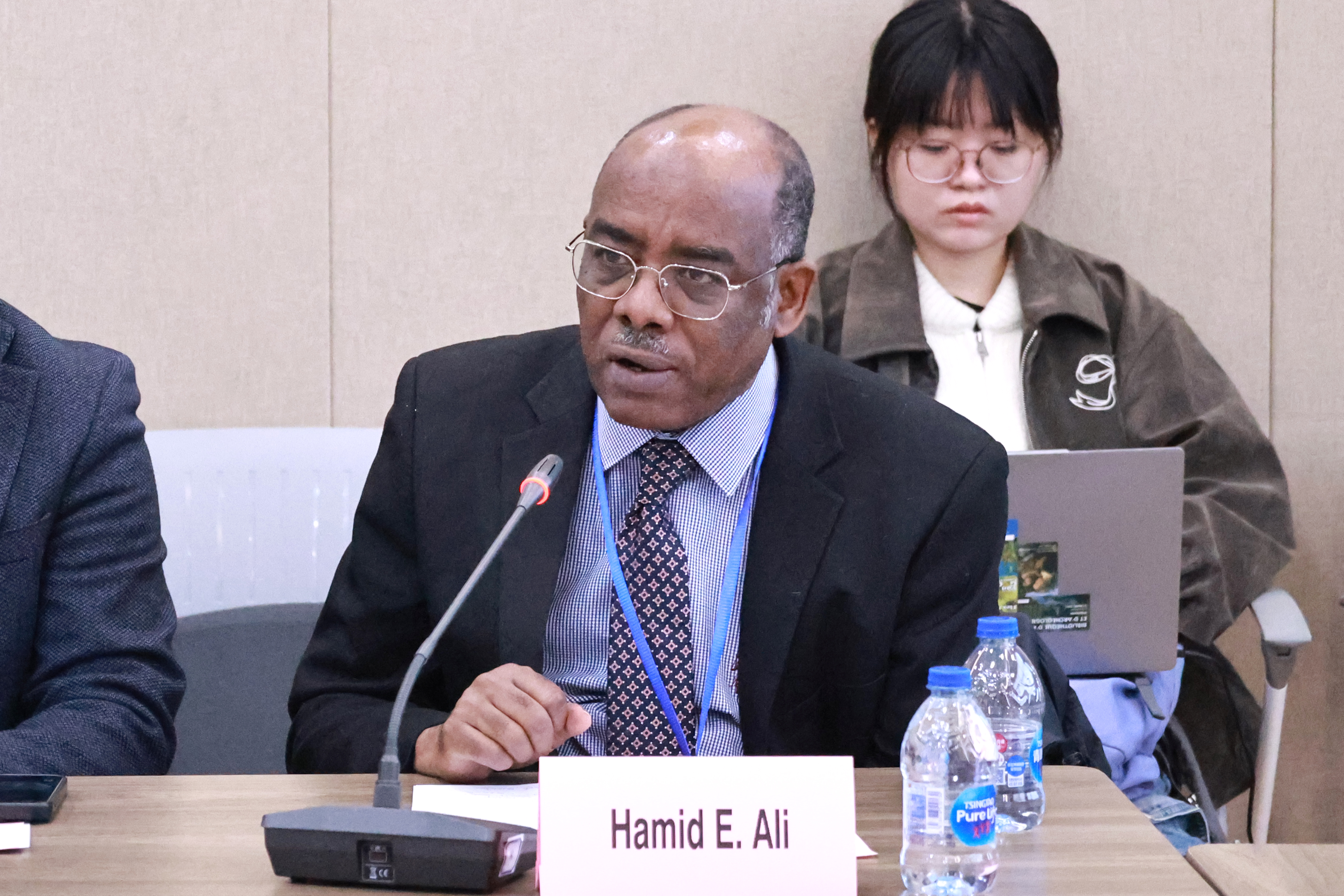
Professor Hamid Ali from the Doha Institute for Graduate Studies focused on shared developmental needs, highlighting promising areas for cooperation, including the digital economy and AI. He also emphasized significant opportunities for collaboration in port construction, smart city development, and the establishment of free trade zones.
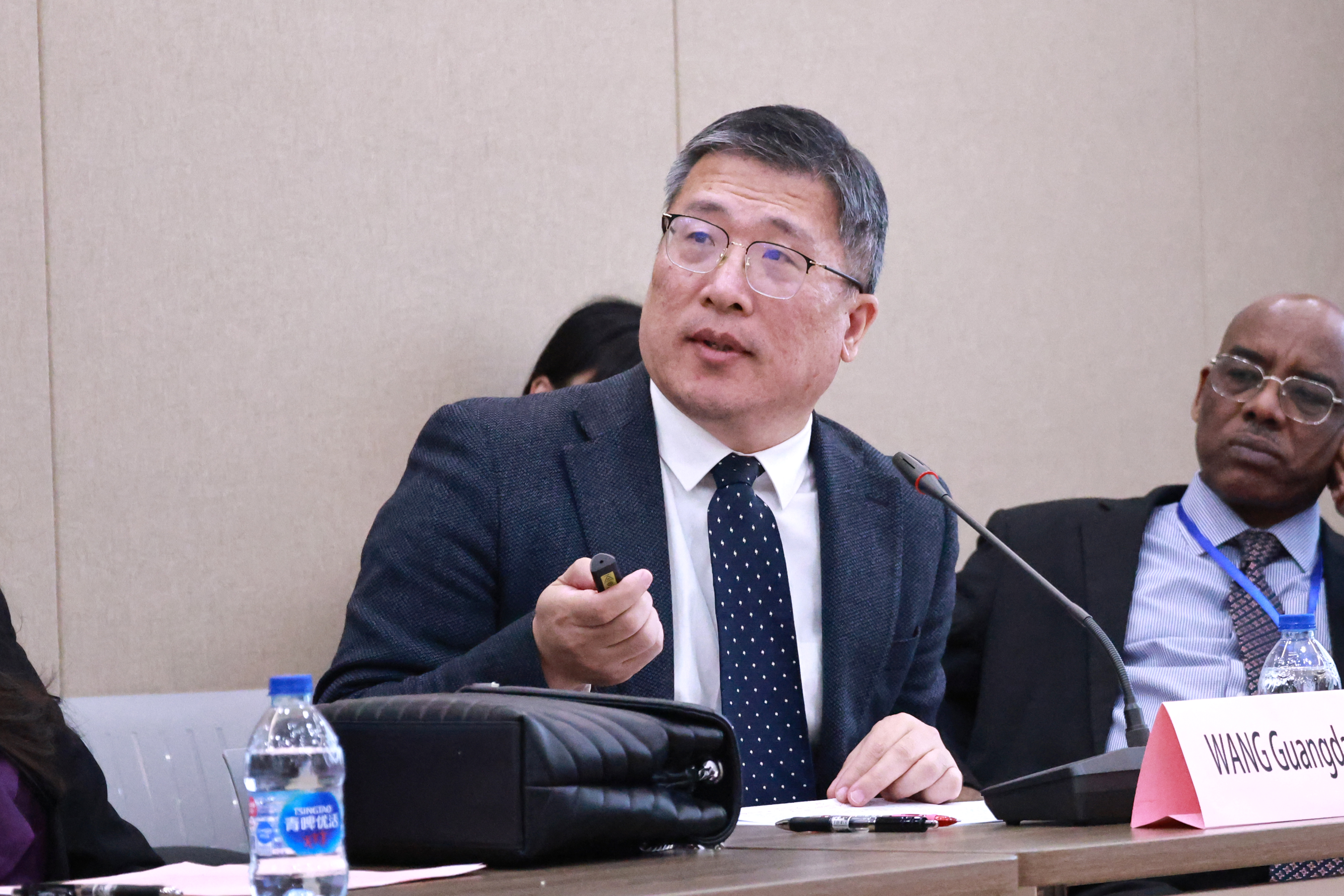
Professor Guangda Wang, Executive Director of the China–Arab Reform and Development Research Center at Shanghai International Studies University, analyzed the opportunities and challenges of China–Arab joint modernization efforts in the context of a “century of change.” He provided a systematic overview of the multiple challenges facing China–Arab cooperation and offered constructive recommendations for deepening future collaboration.
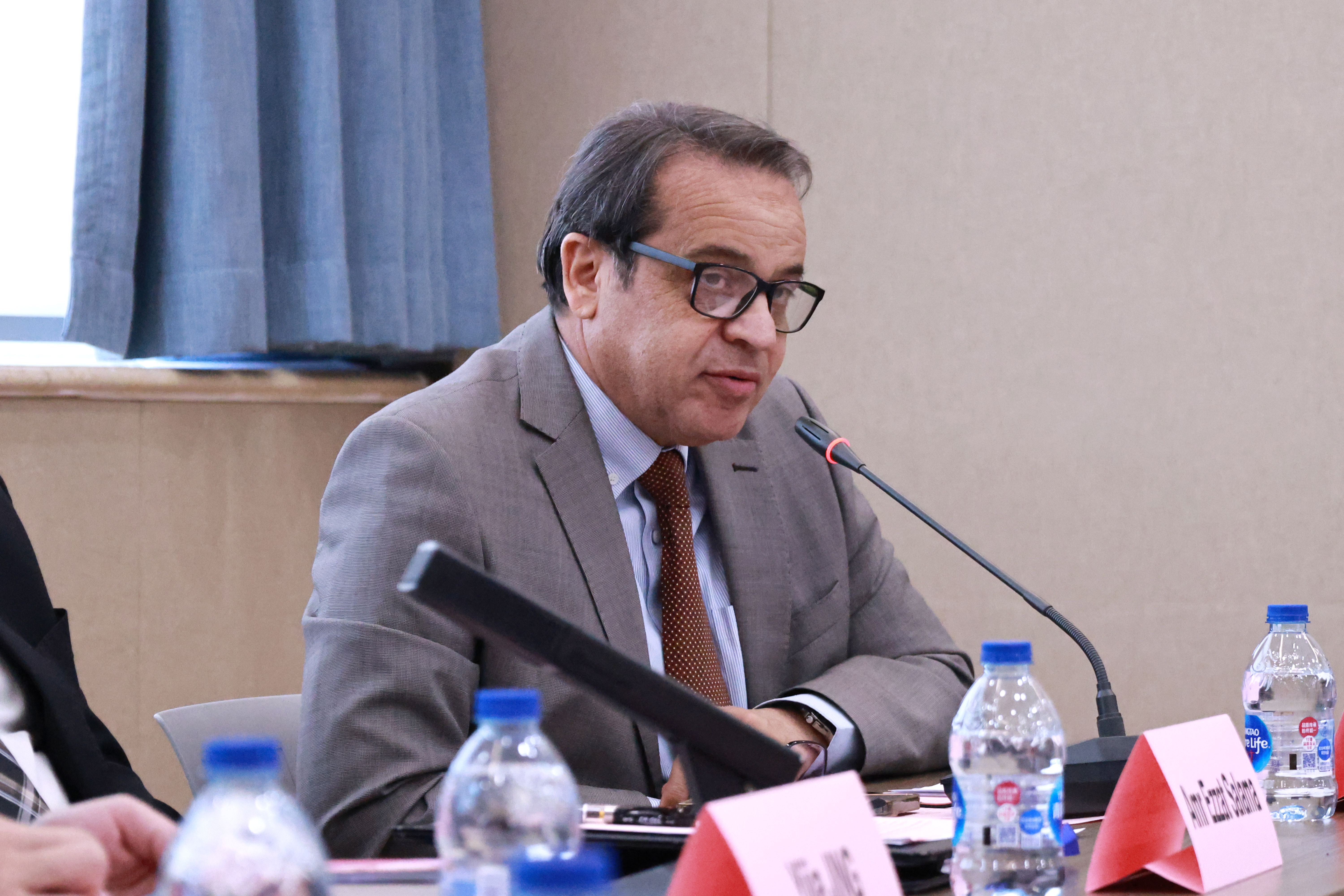
Professor Walid Salameh, Senior Advisor to the AARU, emphasized that China–Arab cooperation should evolve from “exchange” to “co-creation,” jointly developing AI research clusters, digital learning platforms, and collaborative innovation networks. He highlighted practical cooperation initiatives and stressed that dialogue and open collaboration are especially critical in an era of uncertainty.
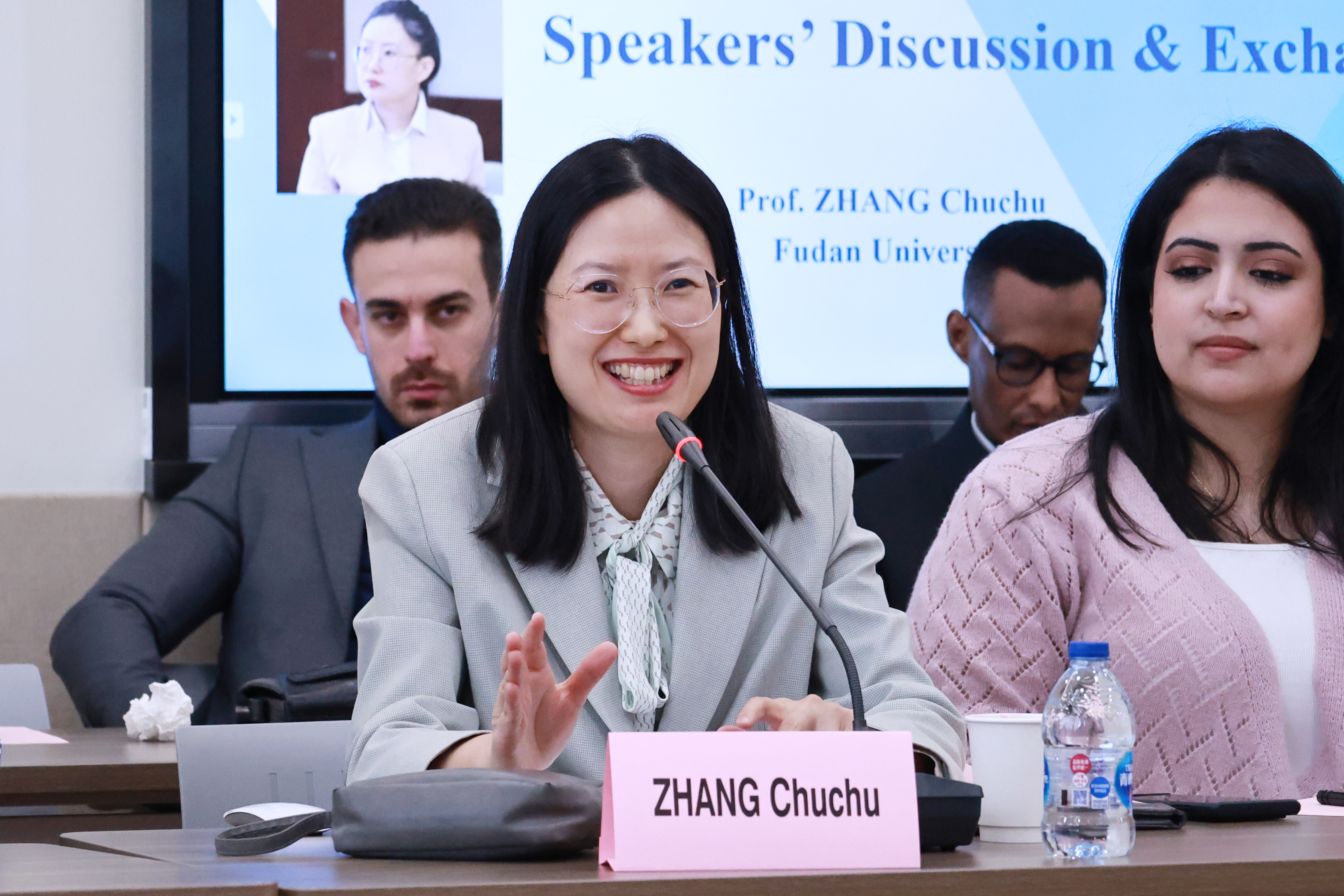
Associate Professor Chuchu Zhang from the School of International Relations and Public Affairs highlighted emerging trends in China–Arab relations and the evolution of cooperation models. She noted that the relationship is gradually shifting from traditional energy trade toward full-industry-chain and high-tech collaboration, and recommended exploring new forms of cultural exchange while fostering deeper interactions among youth on cultural and social fronts.
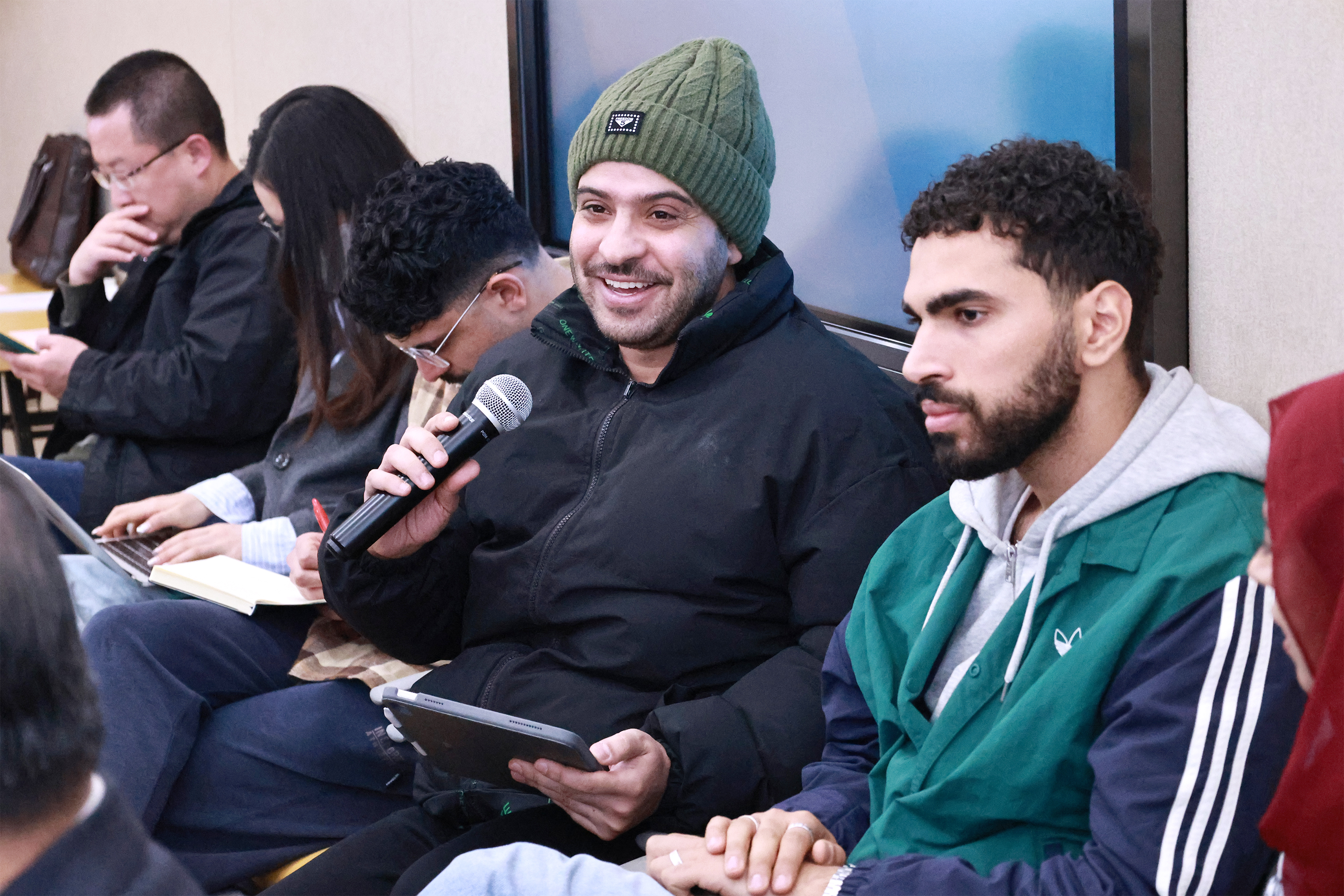
Following the keynote speeches, attendees—including faculty and students—engaged in lively discussions. A student from Saudi Arabia raised questions about differences in technical standards, to which Professor Wang responded in fluent Arabic, providing an engaging and substantive exchange. The workshop overall was marked by a rich academic atmosphere and vibrant cross-cultural dialogue.