News


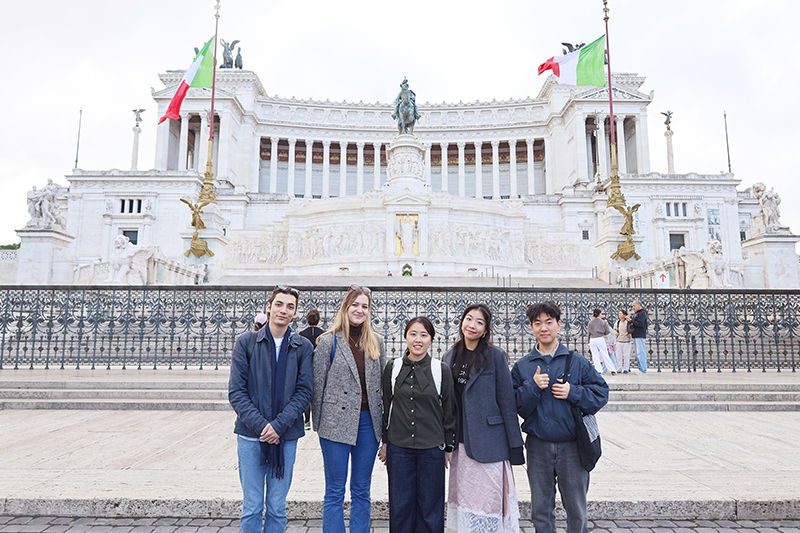
From October 25 to 31, 2025, faculty and student representatives from the Institute for Global Public Policy (IGPP) at Fudan University traveled to Rome and Lake Como, Italy, to participate in the “TRECCANI-VIGONI-FUDAN Joint Project: The Role of Culture in International Relations” exchange series. Co-hosted by IGPP, the Germany–Italy European Dialogue Center (Villa Vigoni), and the Treccani Encyclopedia Institute, the initiative built on and expanded the China–Europe Cultural and Global Governance Dialogue held at Fudan University in May 2025.
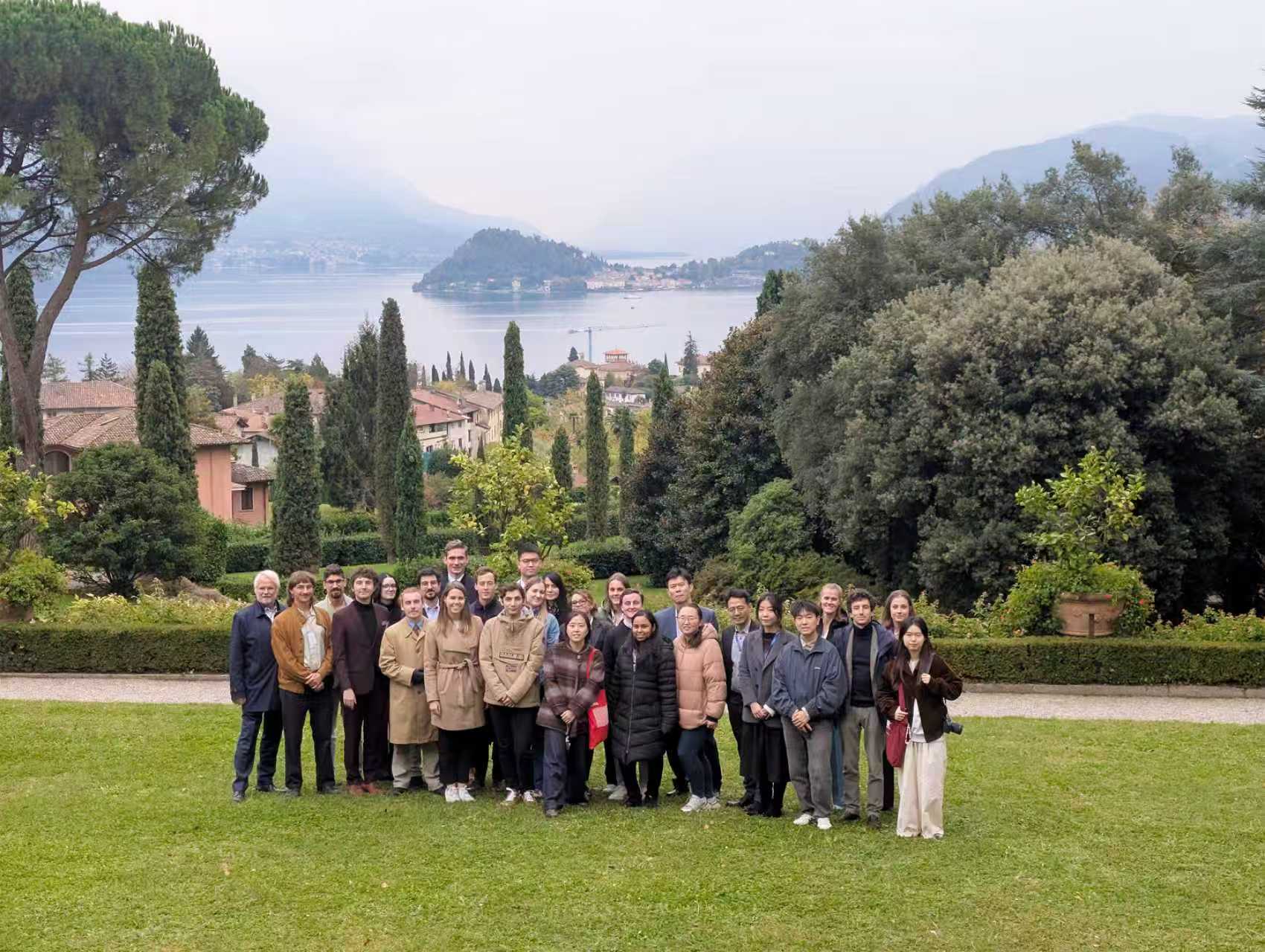
The program consisted of two parts. The first in Rome focused on cultural visits and seminar exchanges as part of the “Cultural Exchange Programme 2025: Europe and China.” The second took place at Villa Vigoni on Lake Como, under the “Villa Vigoni Autumn School in European Studies 2025.” Scholars and student representatives from Fudan University, the University of Hamburg, the University of Flensburg, Bocconi University, the University of Salento, the University of Bologna, and other institutions came together to inaugurate a new chapter of China–Europe academic exchange. Participants from IGPP included doctoral students Yu He and Yizhe Wu, as well as master’s students Giulia Morandin, Haoning Luo, and Tom Dan Martinaud.

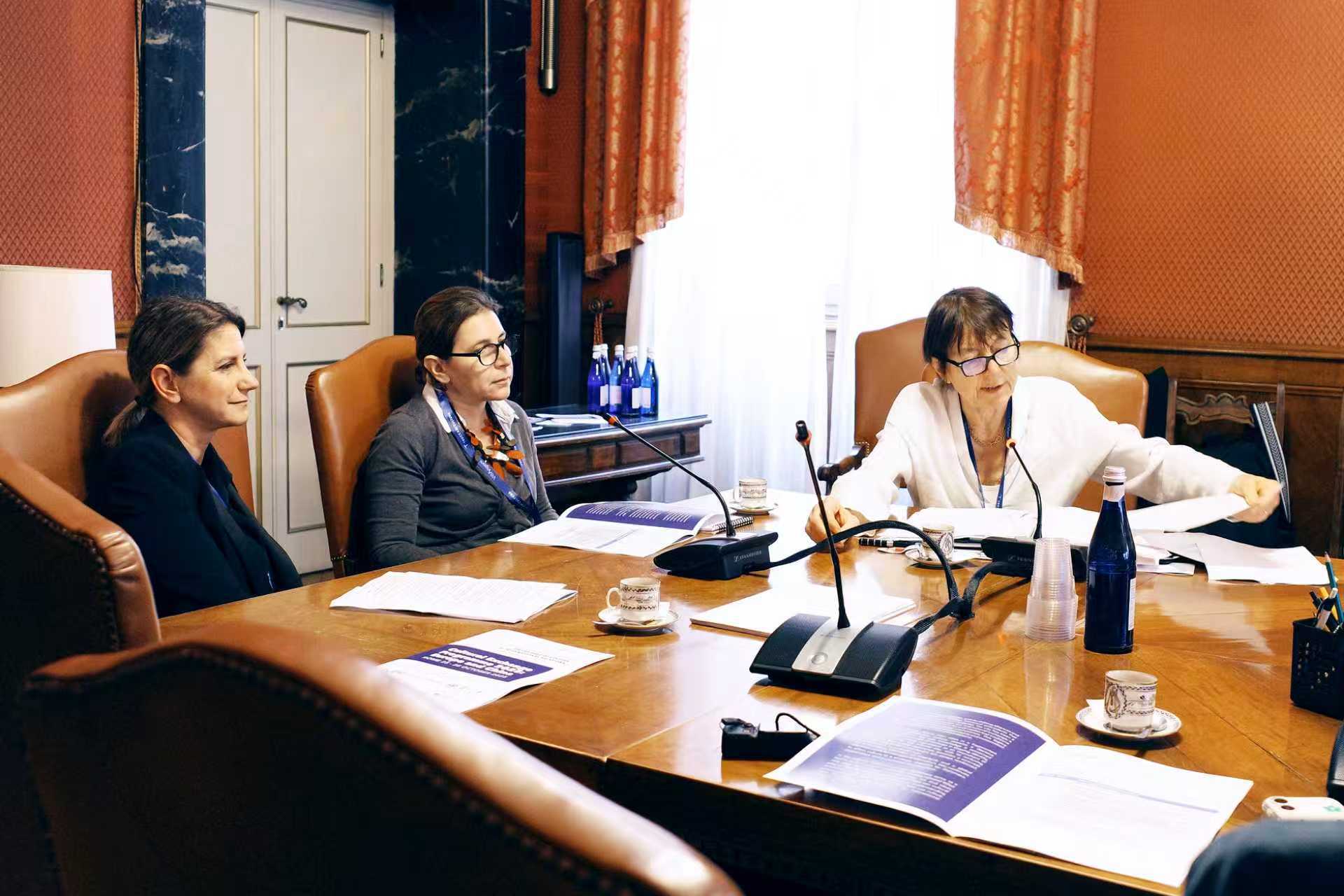
At the opening ceremony, Marta Leonori, Director of Administration at the Treccani Encyclopedia Institute, warmly welcomed participants, recalling the activities held in Shanghai in May and emphasizing that this exchange represents a continuation and deepening of China–Europe dialogue. Christiane Traniello, Secretary General of Villa Vigoni, and Rossella Calabrese, Executive Director of Treccani, also delivered remarks, outlining the project’s agenda and expressing their expectations for fostering a communication bridge for China–Europe youth through multicultural and academic activities.
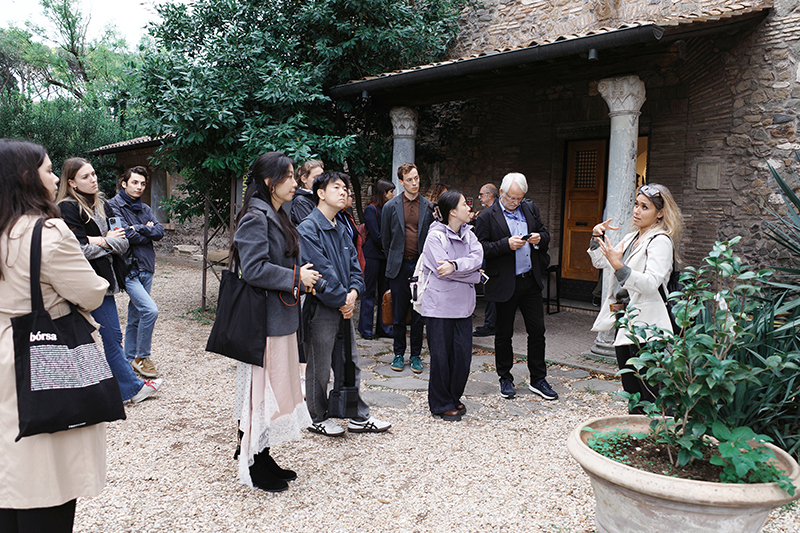
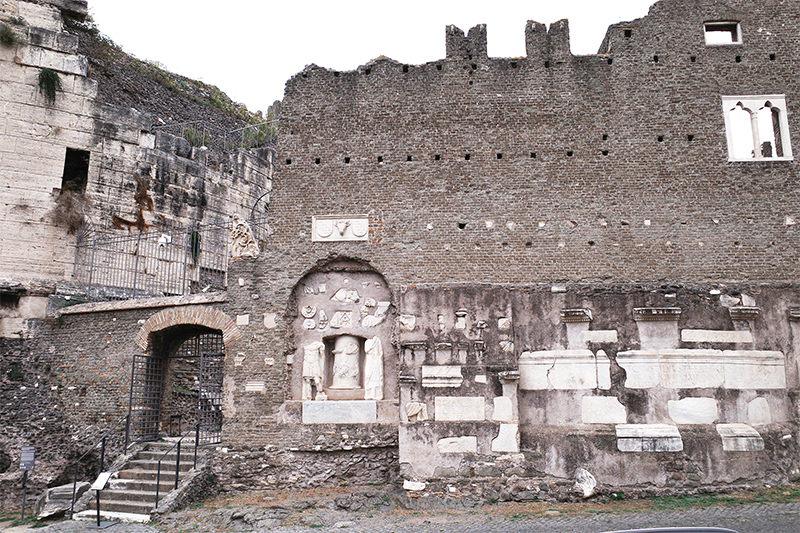
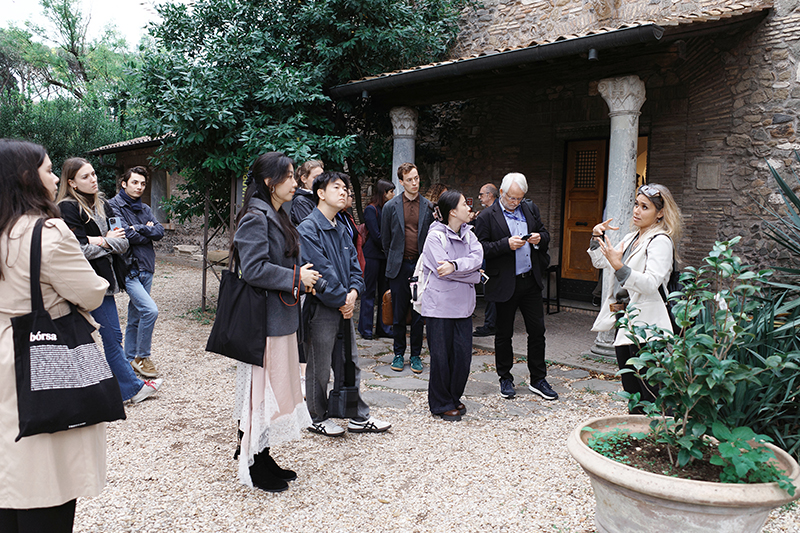
Professor Michele Trimarchi from the University of Magna Graecia in Catanzaro delivered an academic talk titled “Cultural Diplomacy and Italy’s Hybrid Creativity,” highlighting Italy’s hybrid creativity in art, cuisine, fashion, and design as concrete examples of the significance of cultural exchange. In the afternoon, architect and historian Nicole Greco guided the delegation through the Ancient Appian Way Park south of Rome, using a grand mausoleum to illustrate the historical context along the ancient route.


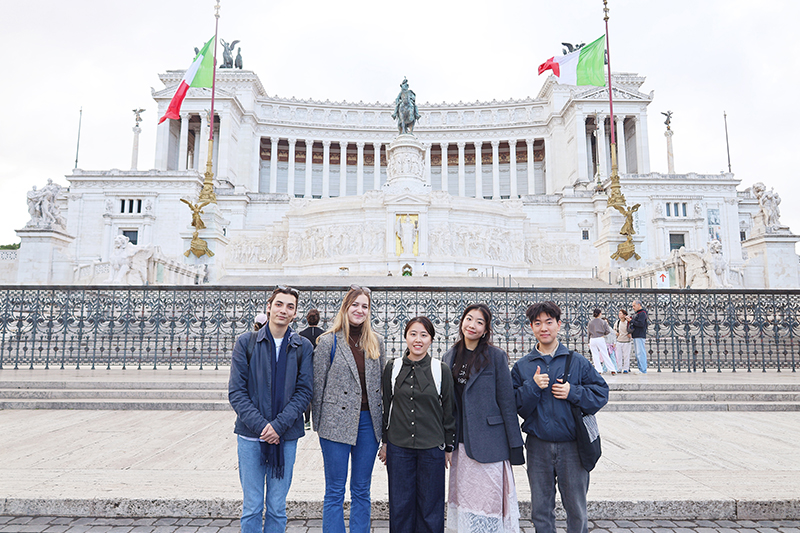
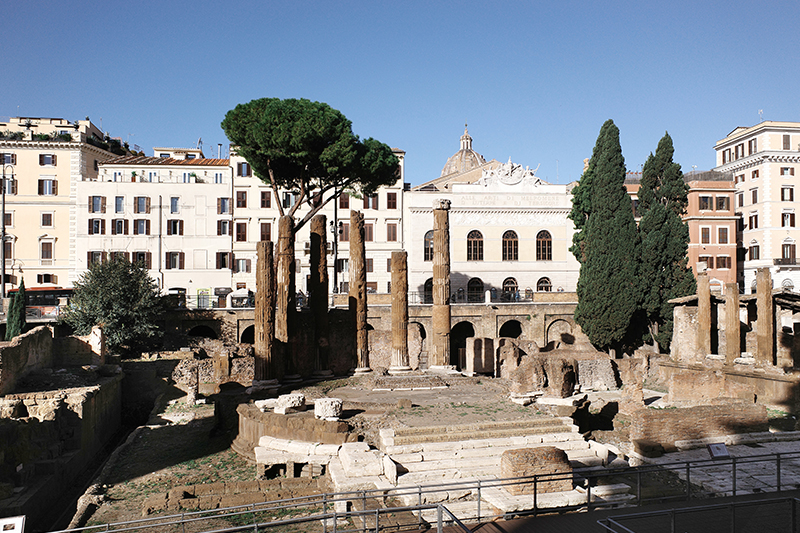
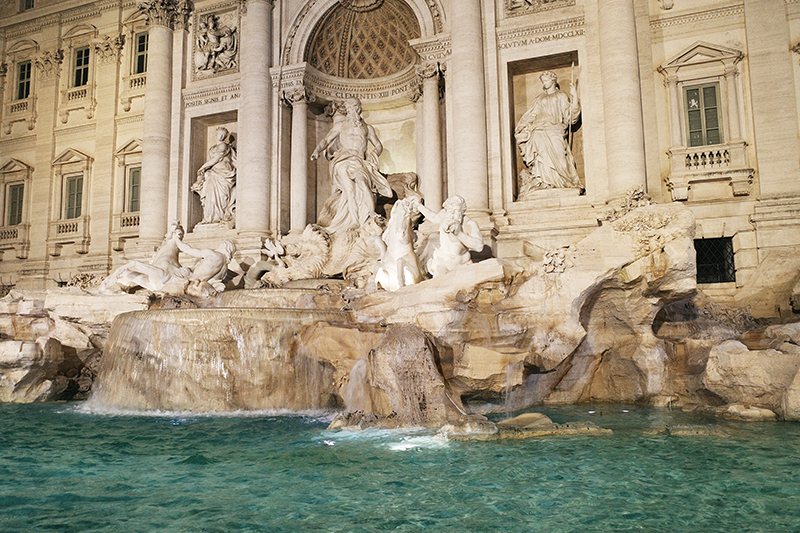
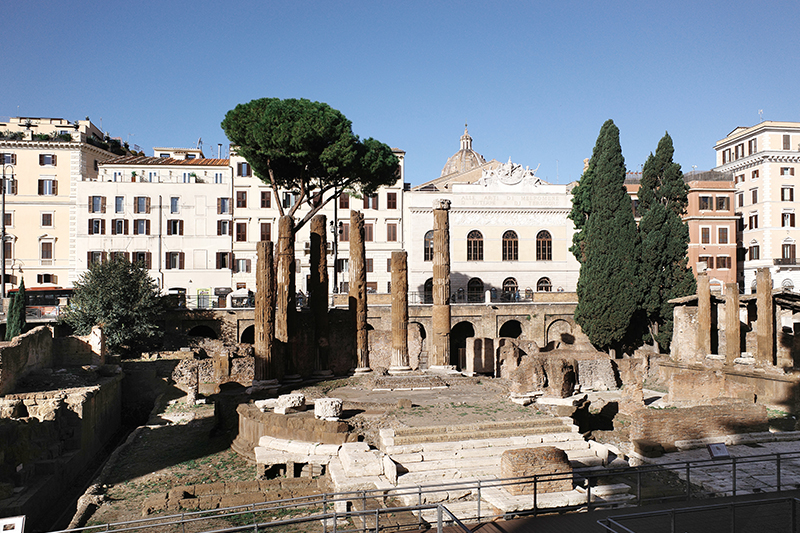

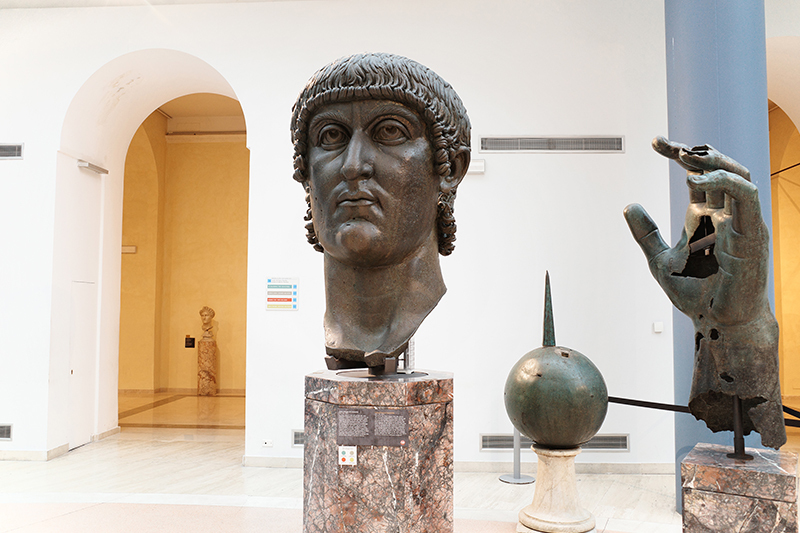
On October 27, Paolo Petrocelli, Music Director of the Dubai Opera, shared insights from his experience in international arts management and cultural diplomacy, highlighting music’s role in facilitating cross-cultural communication. Italian musician Ippolita Papale delivered a lecture titled “Music as a Medium and Tool of Cultural Diplomacy,” demonstrating how music can foster cultural understanding and emotional resonance. In the afternoon, the delegation visited the Capitoline Museums and the Vatican German Cemetery, gaining a deeper appreciation of Roman civilization and the integration of art, religion, and history.


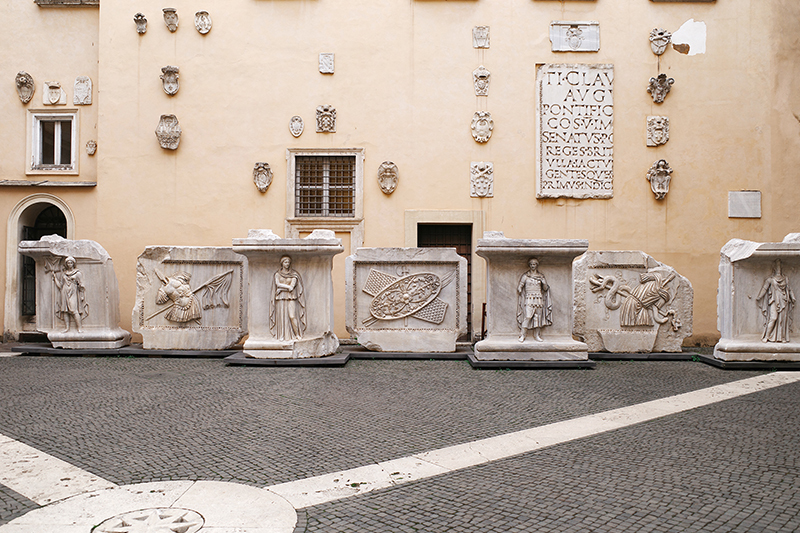
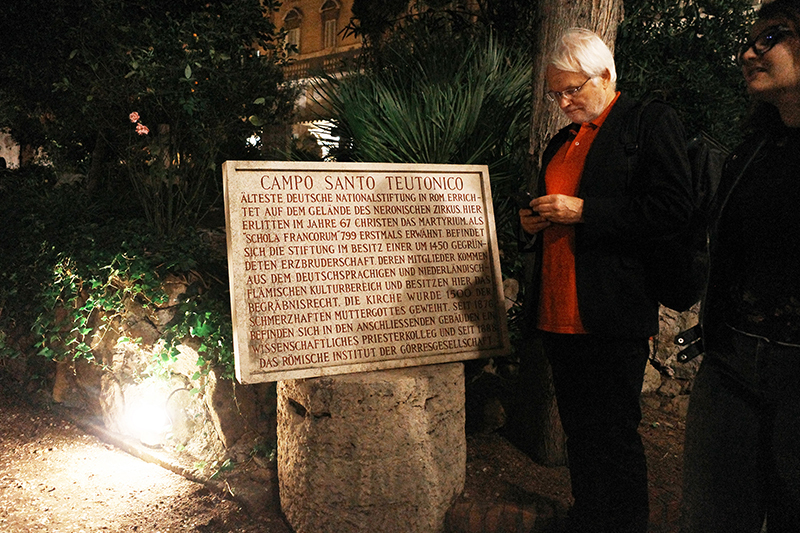

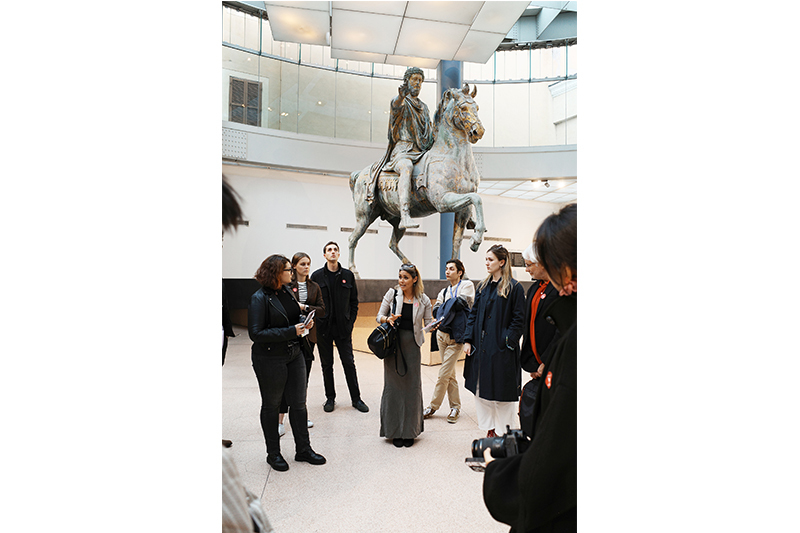
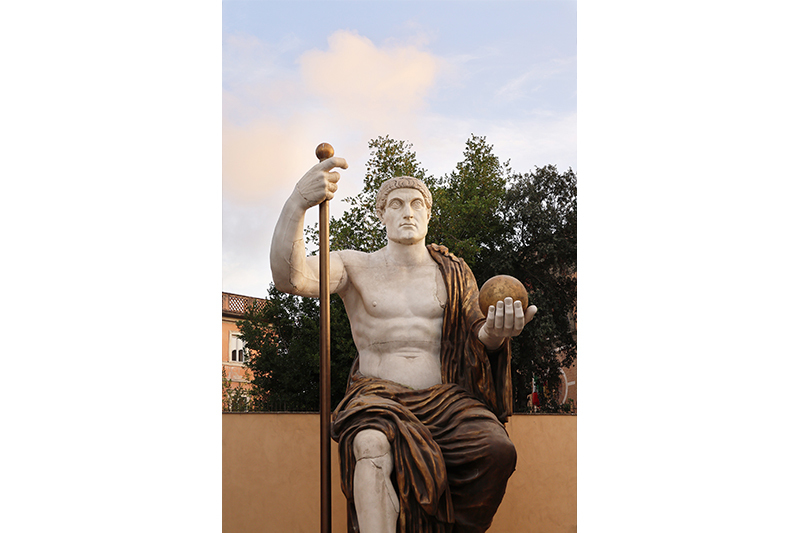
On October 28, Professor Trimarchi delivered a closing lecture in Rome titled “Culture in Dialogue: Artistic Creativity Across Space and Time,” summarizing the outcomes of the exchange and reflecting on the interplay between cultural identity, regional characteristics, and artistic expression.
That afternoon, the IGPP delegation departed for Lake Como to begin the second phase of the project.


From October 28 to 31, the 2nd phase at Villa Vigoni focused on “Multilateralism in a Post-Globalization World: Nations, Politics, and International Relations.” The program combined professor lectures with student group seminars, covering multilateral cooperation mechanisms, global governance reform, and evolving international relations. At the opening ceremony, Massimo Ambrosetti, Italian Ambassador to China, and Massimo Bray, Director General of the Treccani Encyclopedia Institute, delivered remarks. Student representatives from multiple Chinese and European universities were organized into four working groups.
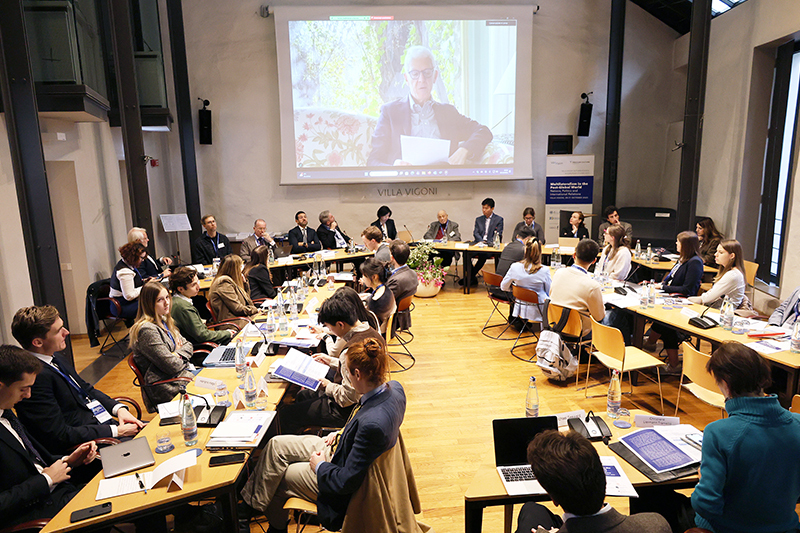
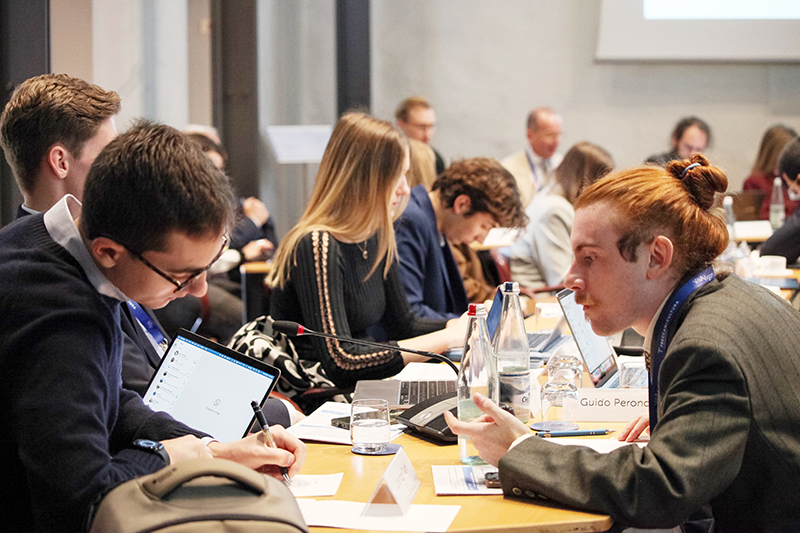
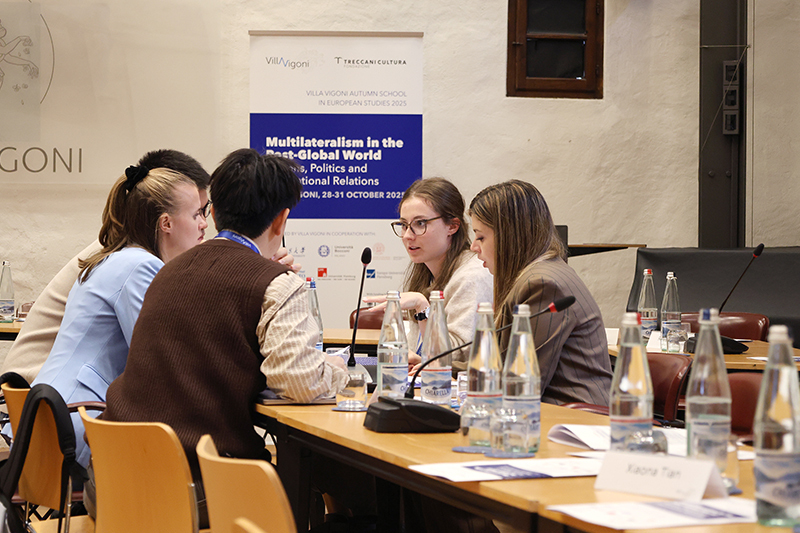
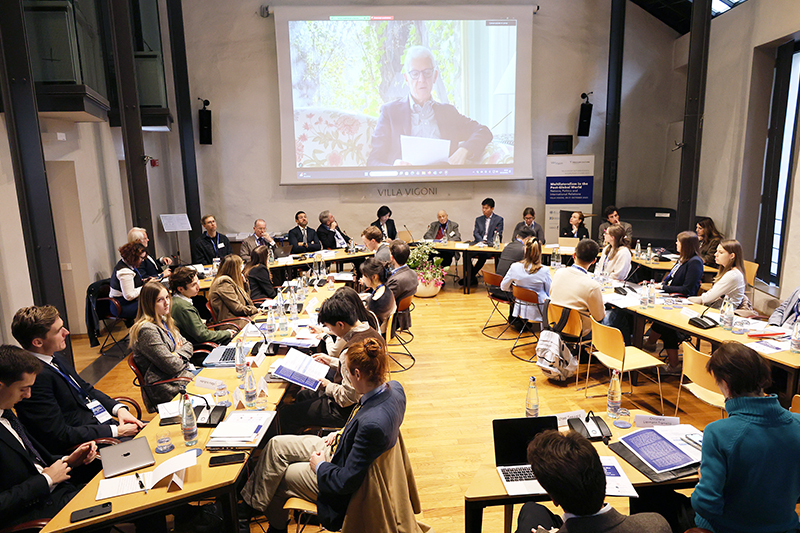
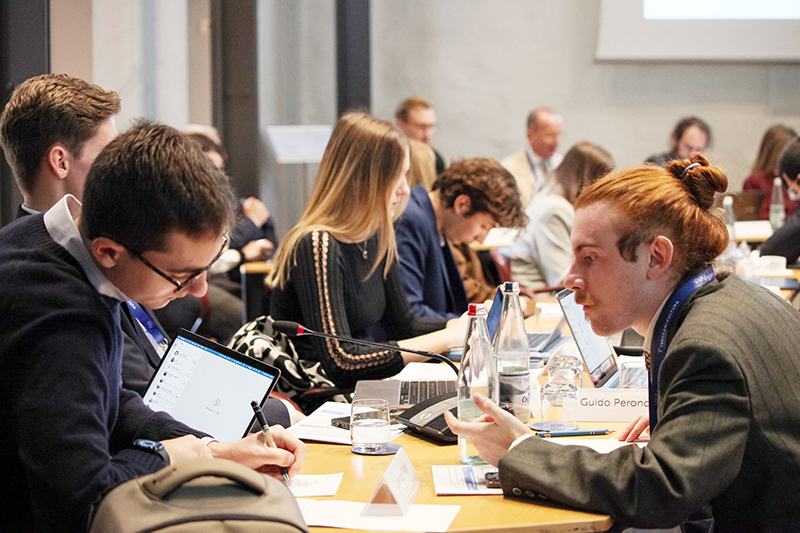
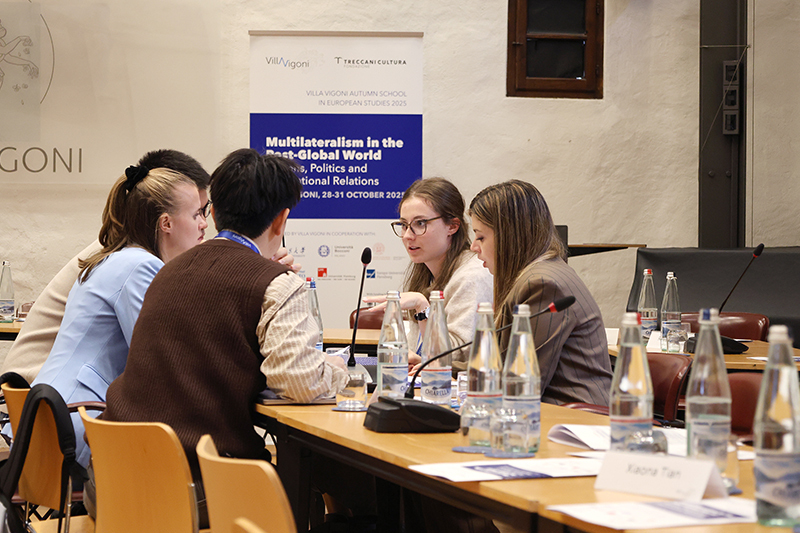
The conference featured four panels, each addressing critical aspects of the post-globalization era.
The first panel, “Nations in the Post-Global World,” examined the historical evolution of the state, shifts in governance priorities, and the need to balance global and local interests.
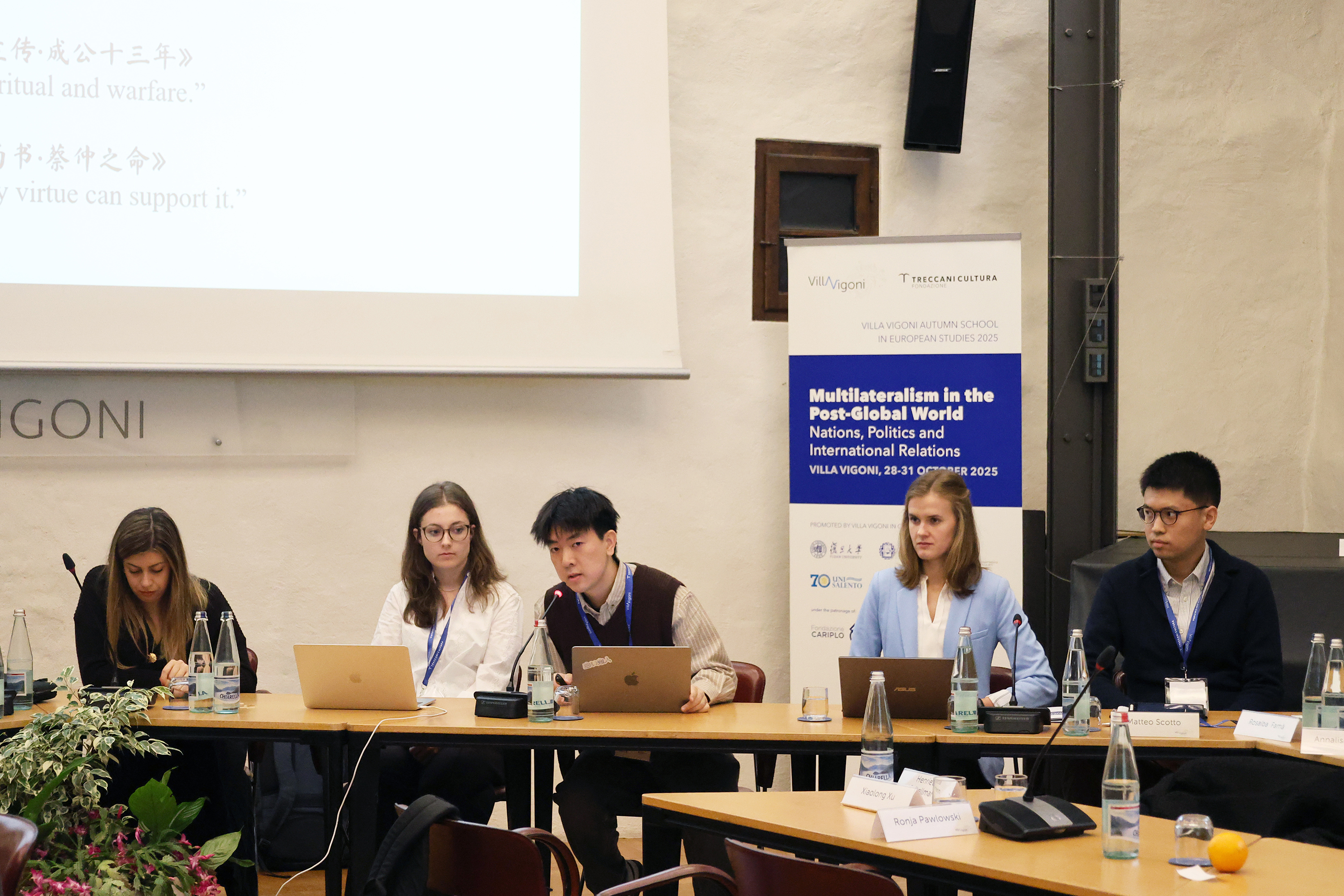
The second panel, “Politics in a Post-Global World,” explored tensions between sovereignty resurgence and interdependence, comparing China and Europe’s approaches to strategic autonomy, institutional trust, public mobilization, and policy tools.
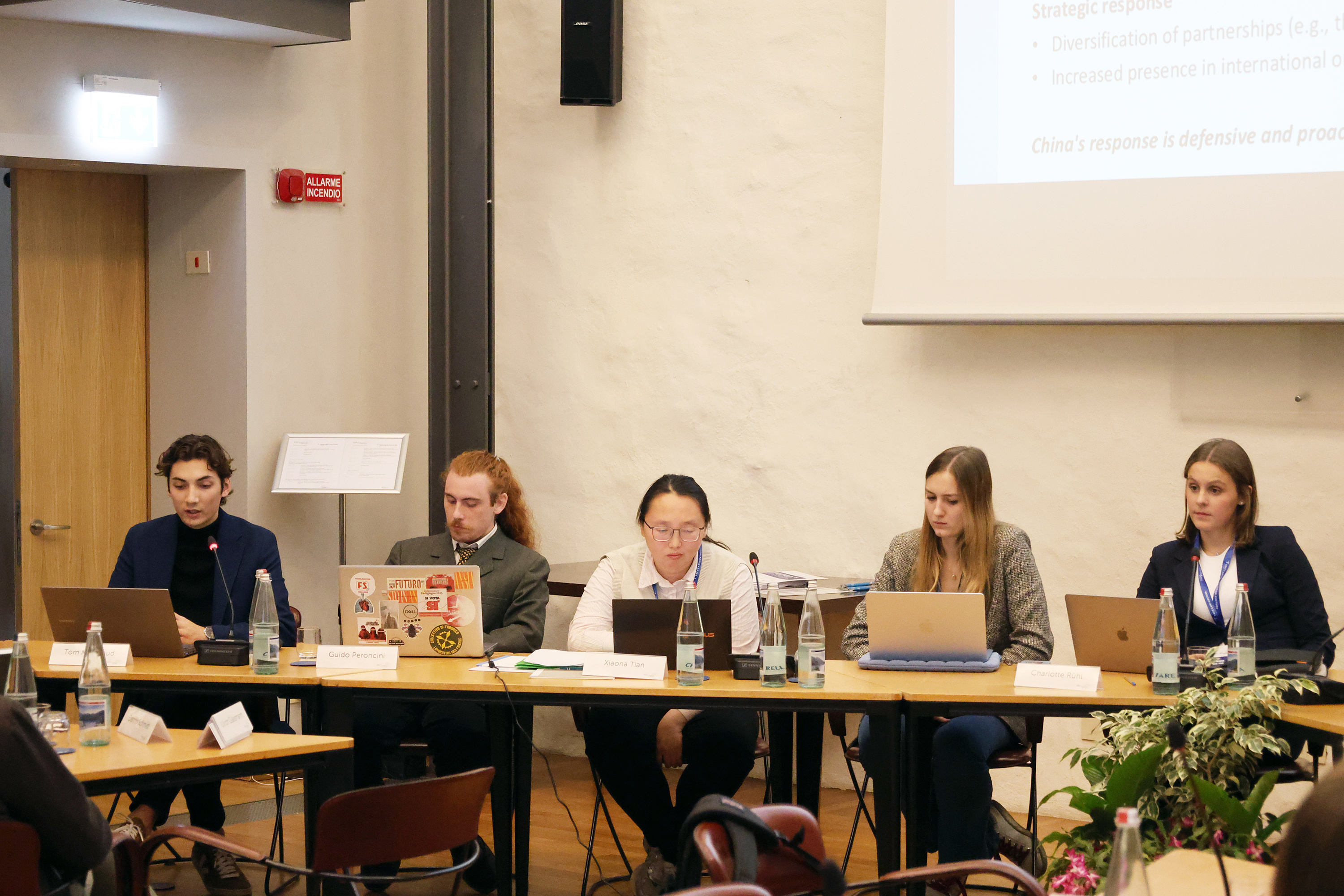
The third panel, “International Relations in a Post-Global World,” focused on key elements of global climate governance, analyzing lessons from the Kyoto Protocol and Paris Agreement while emphasizing the integration of national interests, geopolitics, and multilateralism.

The fourth panel, “Shaping New Multilateralism: EU and China Perspectives,” compared China and Europe’s approaches to multilateralism and AI governance, highlighting Europe’s reliance on unified legislation and risk-based frameworks versus China’s UN-centered, incremental, sector-specific regulation and international standard cooperation.
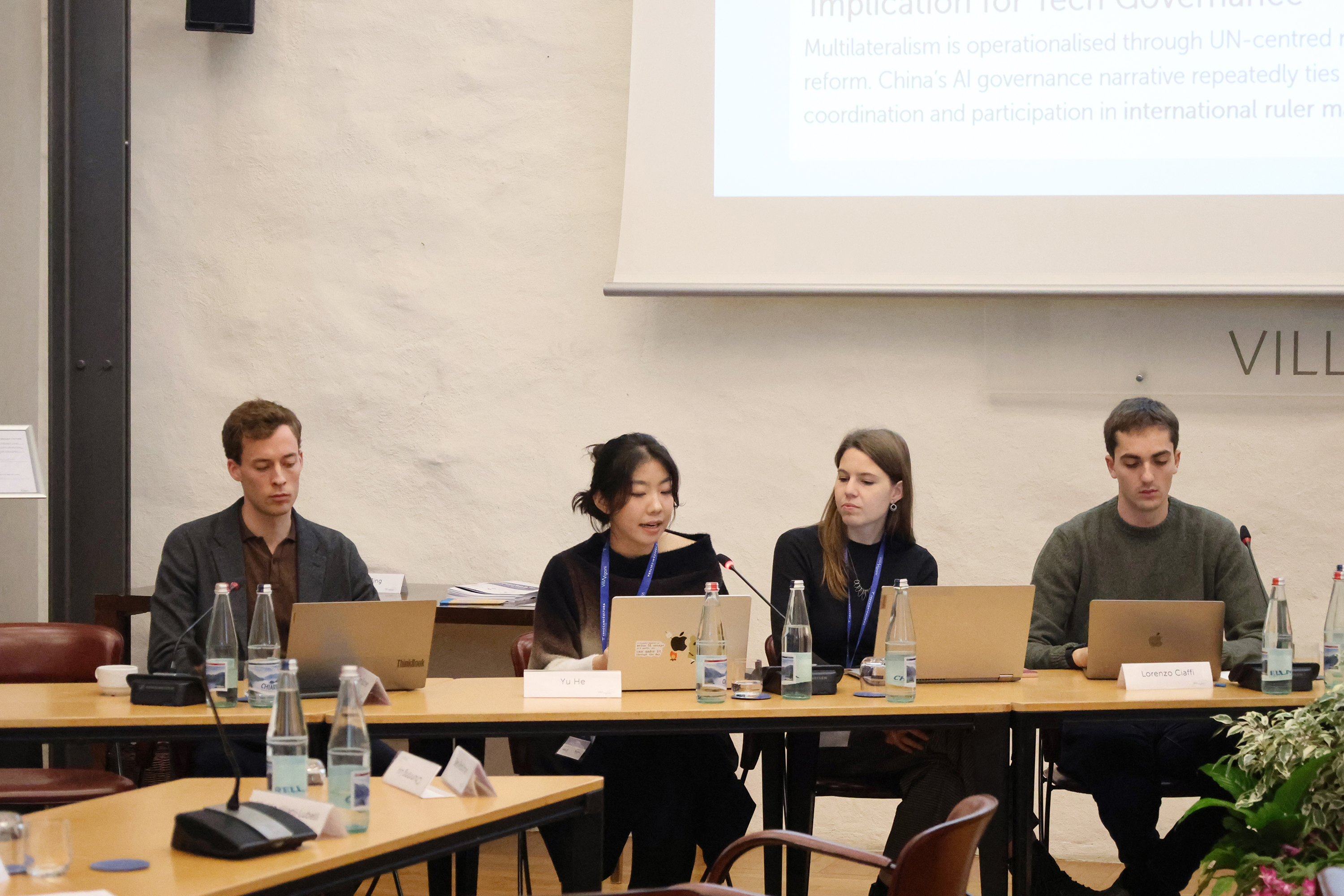
The program concluded successfully, beginning with cultural visits in Rome and culminating in student presentations at Villa Vigoni. The exchange provided a bilateral platform for youth dialogue in culture and academia, deepened participants’ understanding of cultural diplomacy, artistic innovation, and global governance, and highlighted the contemporary relevance of multilateralism and cross-cultural engagement.
The project broadened the global perspectives of Chinese and European youth scholars and established a strong foundation for long-term cooperation between IGPP and universities and research institutions in Central and Southern Europe. IGPP intends to continue fostering youth exchanges and exploring new avenues that integrate cultural and policy research, further enhancing China–Europe cultural and academic collaboration.