News


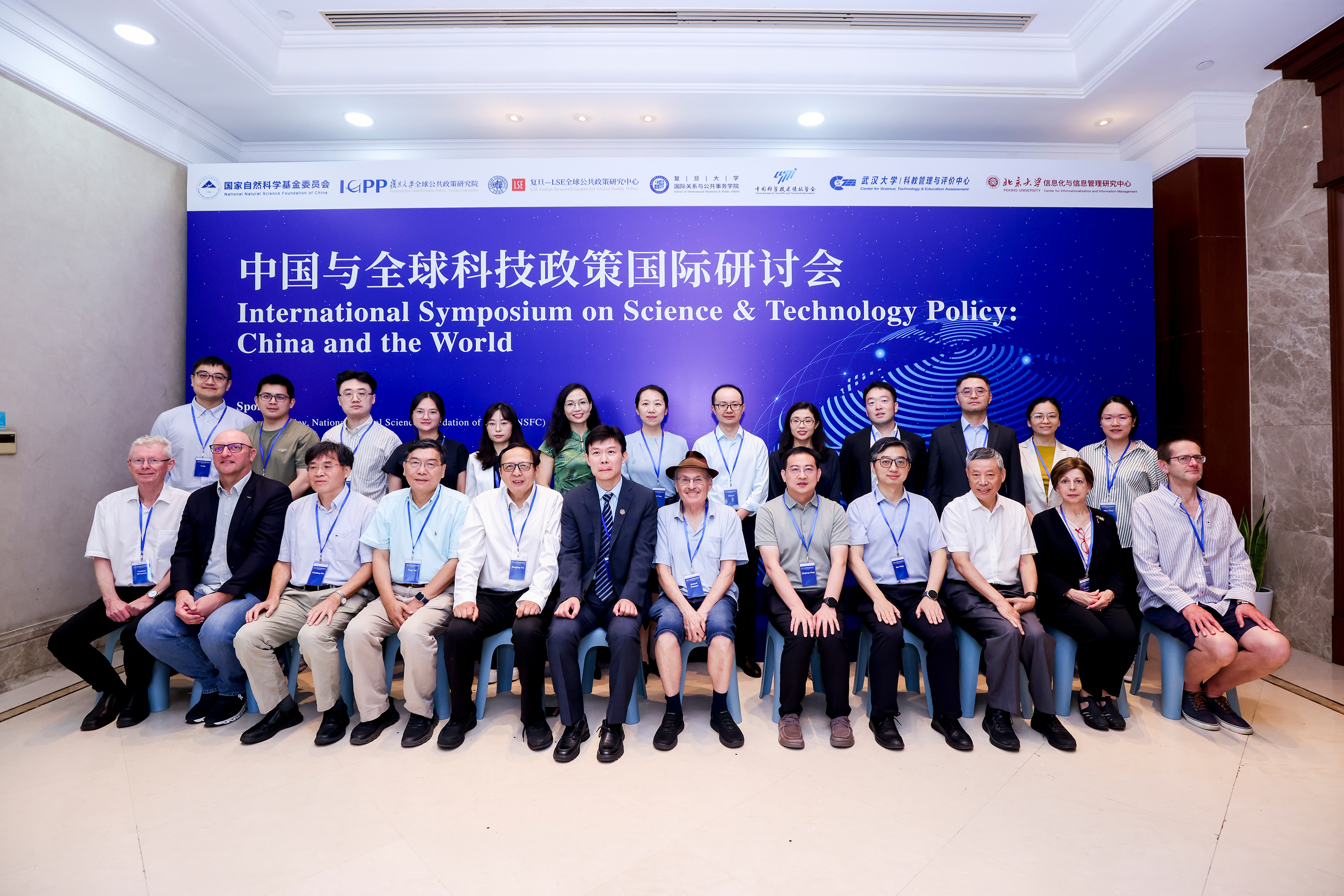
On September 16, 2025, the International Symposium on Science & Technology Policy: China and the World was held in Siyuan Hall, Guanghua Building, Fudan University. The symposium was hosted by the Institute for Global Public Policy (IGPP) at Fudan University and the LSE–Fudan Research Centre for Global Public Policy, funded by the National Natural Science Foundation of China (NSFC), and co-organized by Fudan’s School of International Relations and Public Affairs (SIRPA), the International Cooperation Working Committee of the China Society for Scientific and Technical Information, and the Center for Informatization and Information Management Research at Peking University. The event provided a high-level platform for leading global science and technology policy researchers to explore frontier topics in China’s basic research policy, enhance international understanding of Chinese science and technology policy, and promote deeper collaboration and intellectual exchange among Chinese and international scholars.
The symposium brought together world-class experts from China, the United States, the United Kingdom, Germany, Norway, the Netherlands, Australia, and South Korea. Domestic participants represented Fudan University, Peking University, Nanjing University, Zhejiang University, Wuhan University, University of Science and Technology of China, Beijing Institute of Technology, the Chinese Academy of Sciences, and the National Natural Science Foundation of China. International participants included scholars from Harvard University, Ohio State University, the University of Sheffield, and the Korea Advanced Institute of Science and Technology. Attendees also included U.S. Academy of Arts and Sciences fellows, two recipients of the prestigious Price Medal in scientometrics, and directors from Fraunhofer Institute’s Innovation and Knowledge Economy Center, the Norwegian National Centre for Research, Innovation and Education Evaluation, and the European Commission Joint Research Centre’s Scientific Development Planning Unit.
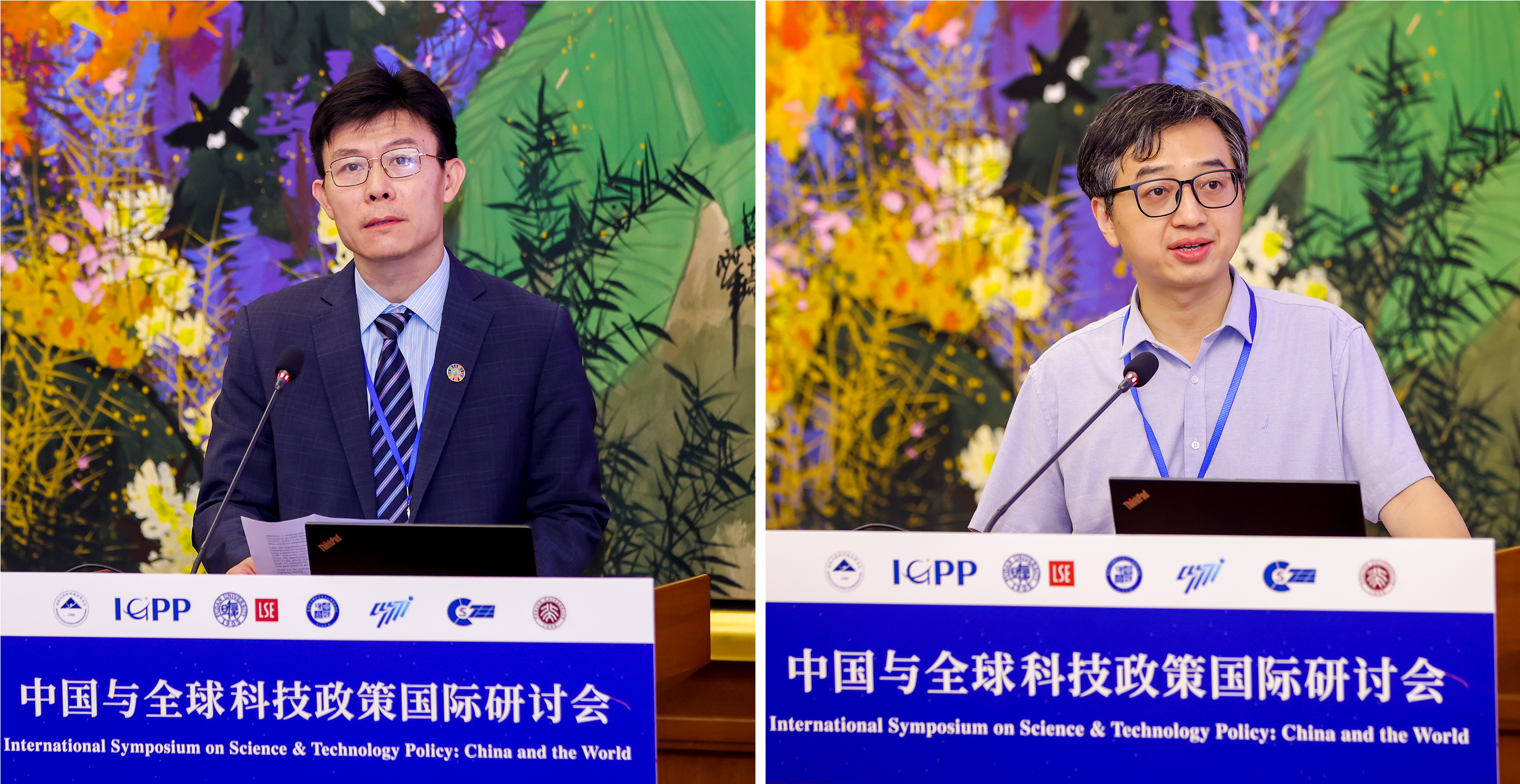
Dean Yijia Jing of IGPP opened the symposium by welcoming all participants. He highlighted that rapid advances in artificial intelligence, quantum computing, and biotechnology bring both global opportunities and new governance challenges, emphasizing the increasing significance of science and technology policy. Dean Jing underscored China’s growing role in the global science and technology landscape and the urgent need to strengthen international collaboration and knowledge sharing. He also expressed gratitude to co-organizers and the organizing team and looked forward to establishing long-term collaborative relationships.
Director Hao Wang of the Office of Basic Research at Fudan University welcomed participants on behalf of the university and expressed gratitude to the NSFC for its support. He emphasized the critical role of science policy amid rapid technological change and outlined Fudan’s interdisciplinary approaches, institutional reforms, and support for high-risk research. The opening session was hosted by Associate Professor Meijun Liu of IGPP.
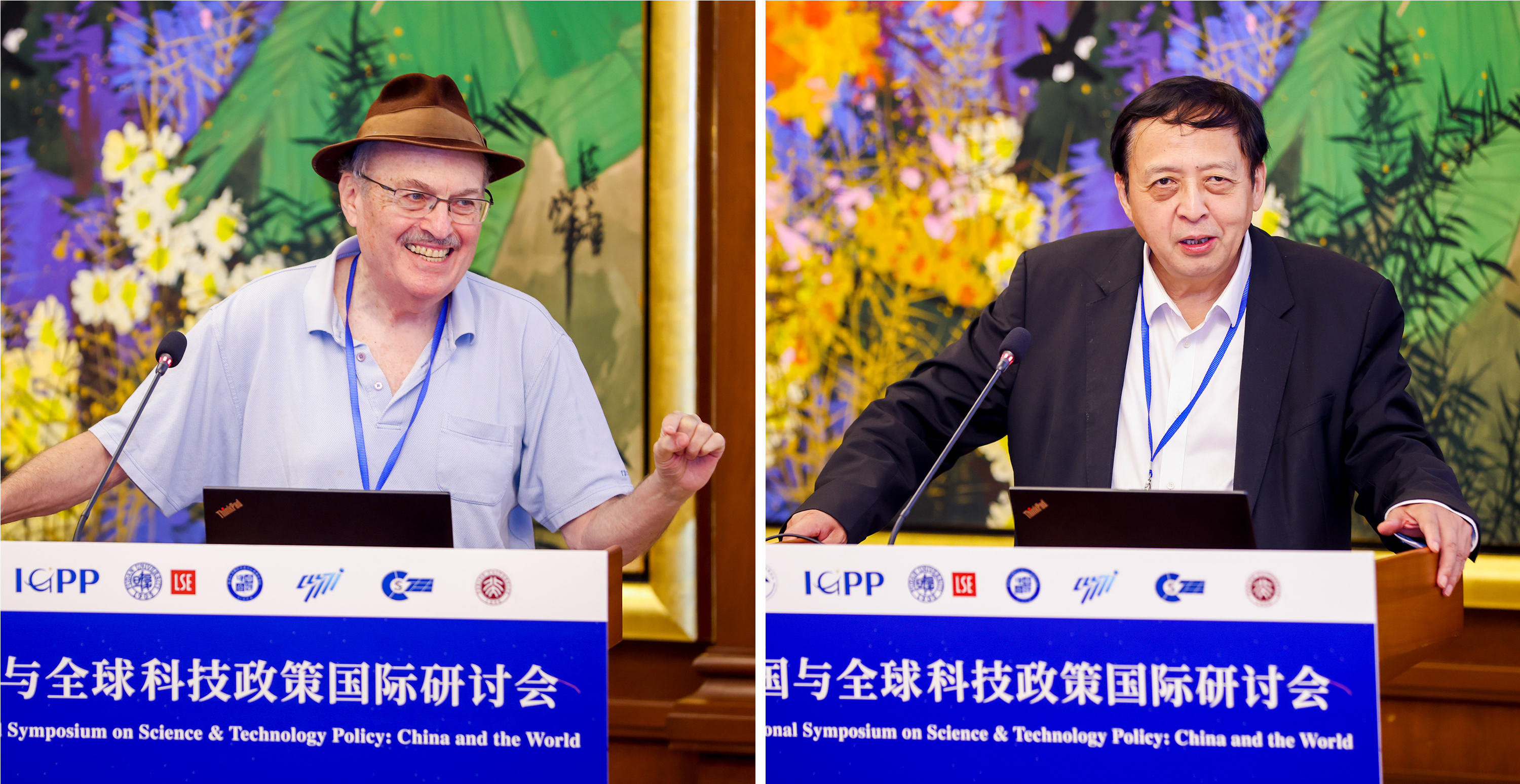
Professor Richard Freeman from Harvard University, an economic chair professor and fellow of the U.S. Academy of Arts and Sciences, delivered the keynote lecture titled “End of US Leadership in Global Science? Trump’s Attack on Academic R&D and Higher Education.” He analyzed recent U.S. policy shifts affecting research funding, university tax status, and scientific publication, highlighting their potential implications for America’s role in global scientific collaboration.
Professor Rongping Mu, President of the Chinese Association of Sciences of Science and Technology Policy, delivered a keynote titled “Transition from S&T Policy to Innovative Development Policy: Digital Empowering Innovation, Entrepreneurship, and the Future.” He highlighted China’s shift from research-driven to innovation- and value-driven policies, emphasizing the importance of demand-driven innovation ecosystems and the need to overcome foundational research bottlenecks. The keynote was chaired by Professor Tang Li from the School of International Relations and Public Affairs (SIRPA) at Fudan University.
The first panel focused on the theme of “Basic Research Policies and Innovation Ecosystems,” chaired by Professor Jiang Li of Nanjing University. Professor Rainer Frietsch from the Fraunhofer Institute for Systems and Innovation Research ISI presented Germany’s latest science policy trends. Professor Xielin Liu from the University of Chinese Academy of Sciences discussed the role of new R&D institutions in bridging basic research and industrial application. Professor Cong Cao from Nottingham University Business School China examined the political economy of research institutions. Professor Chunliang Fan from the Chinese Academy of Sciences highlighted interdisciplinary challenges and advocated for inclusive institutional frameworks to support research integration. Professor Lin Zhang from Wuhan University compared global pathways of basic research development, while Professor Lu Huang from Beijing Institute of Technology demonstrated the use of large language models and graph neural networks for intelligent matching of technological solutions. Associate Professor Sifan Zhou from the University of Science and Technology of China emphasized the limitations of subsidy-only policies on entrepreneurial quality.
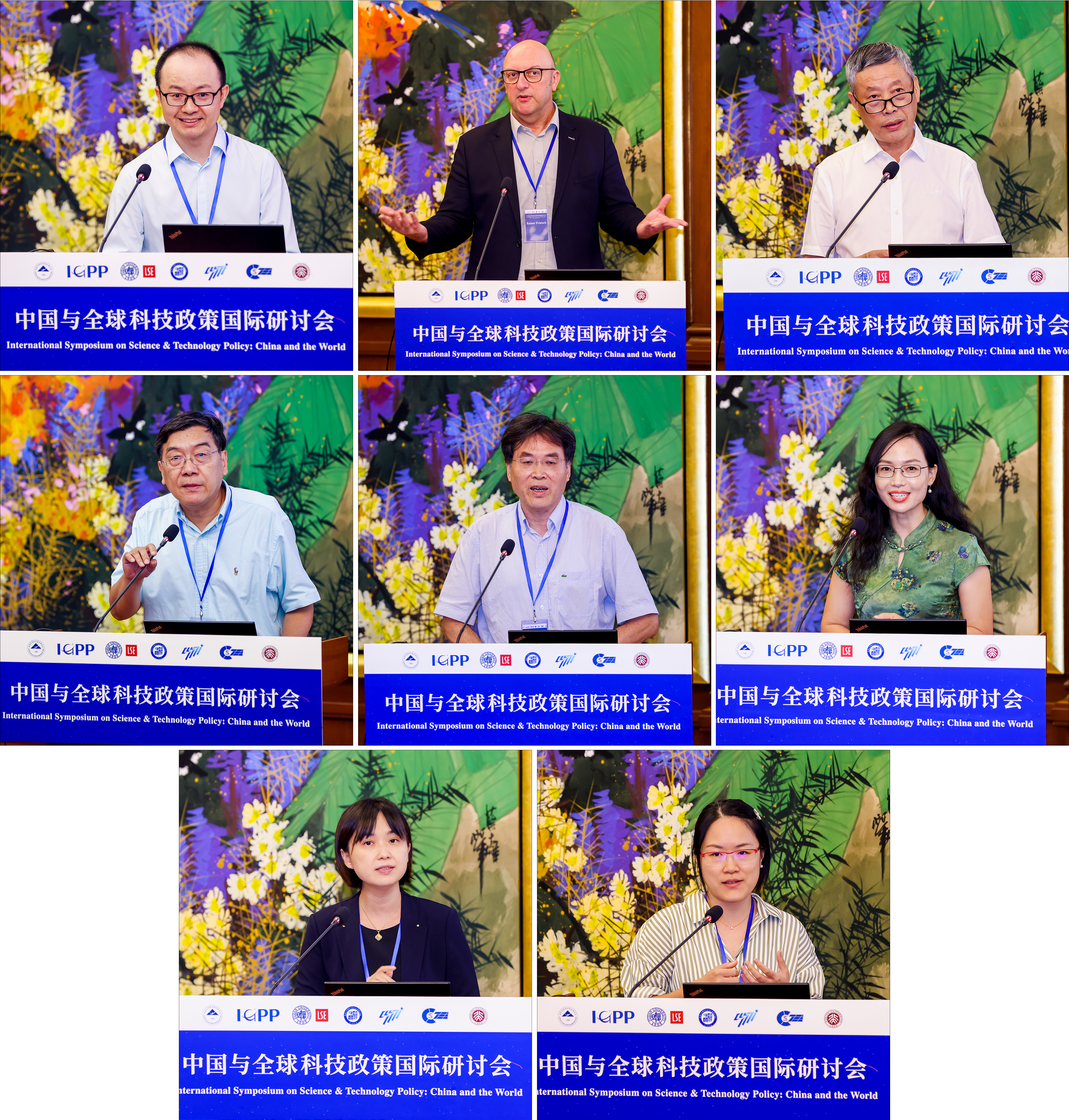
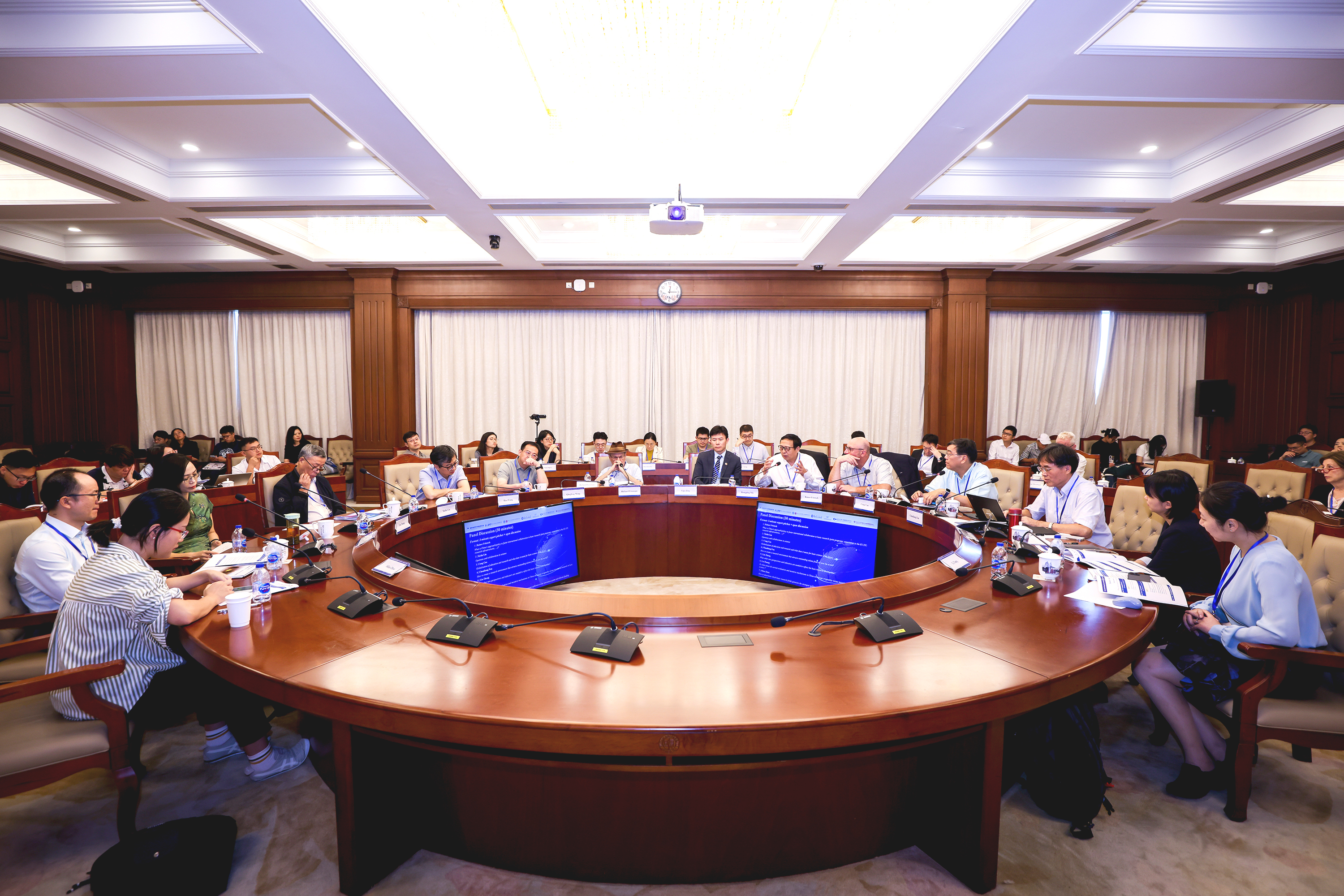
The second panel focused on “Geopolitics and Global Research Collaboration” and was chaired by Professor Lin Zhang. Professor Caroline Wagner from Ohio State University highlighted the restructuring of global research networks and the relative decline of U.S. scientific centrality. Price Medalist Gunnar Sivertsen from the Nordic Institute for Studies in Innovation introduced the concept of “research security” and emphasized the need for transparent scientific diplomacy to restore international cooperation. Associate Professor Hui-zhen Fu from Zhejiang University observed a decline in China–U.S. research collaboration after 2019, alongside growth in partnerships with the EU, UK, and BRICS countries. Associate Professor Meijun Liu from IGPP noted that SDG-related research often prioritizes scientific relevance over innovation, while international collaboration can help mitigate this effect.
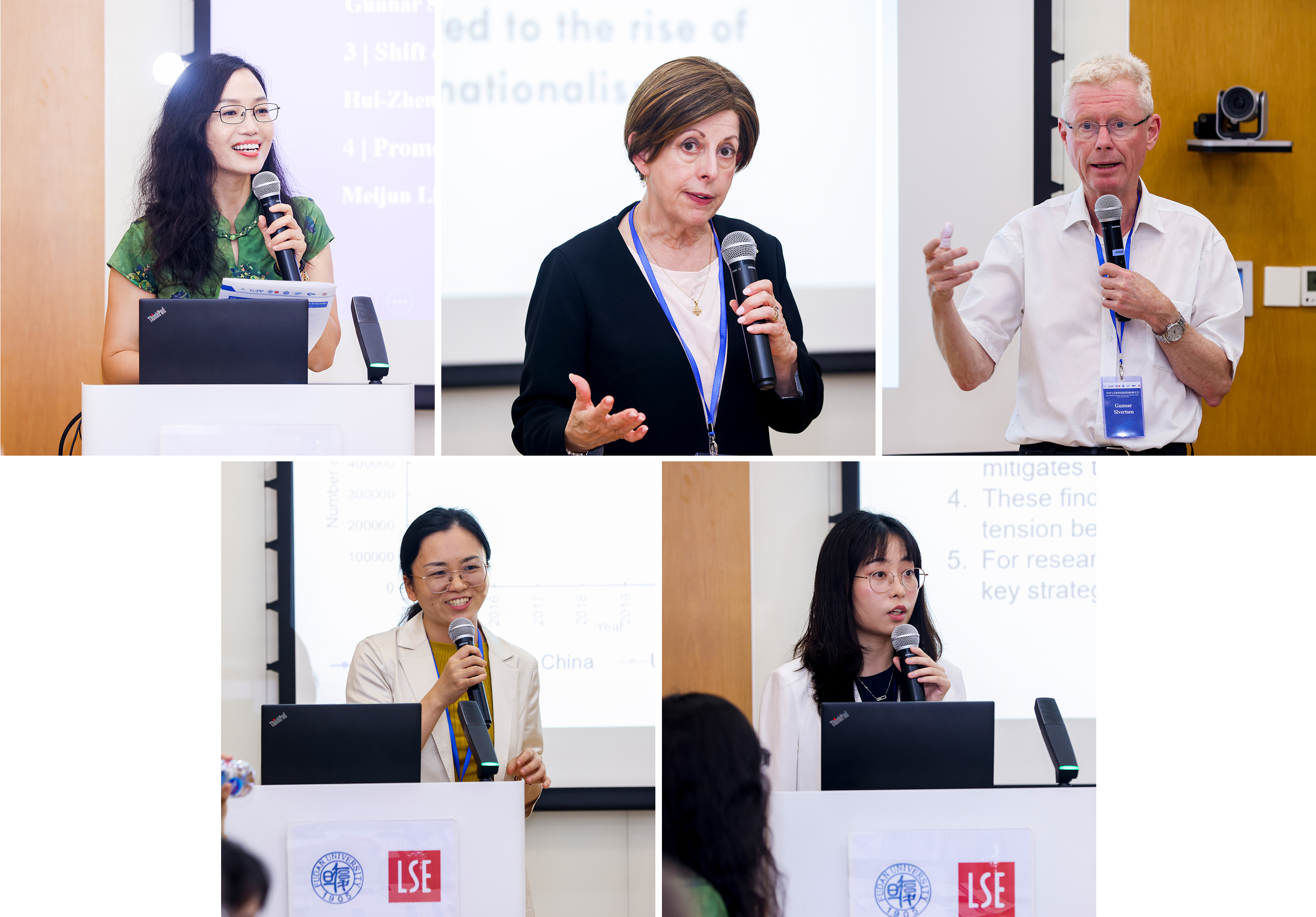
The third panel focused on the theme of “The AI Revolution in Science,” chaired by Associate Professor Yin Li from Fudan University. Assistant Professor Yi Bu from Peking University highlighted that non-native English scholars using AI writing tools can reduce language barriers but require proper ethical guidance. Price Medalist Mike Thelwall from the University of Sheffield emphasized that large language models should support rather than replace human judgment. Professor Jiang Li cited AlphaFold as an example illustrating the limitations of interdisciplinary collaboration. Professor Li Tang discussed AI’s role in enhancing novelty and accelerating dissemination in public administration research while cautioning against methodological convergence. Associate Professor Chao Min from Nanjing University presented machine learning approaches leveraging global knowledge networks to improve predictive accuracy for breakthrough innovations.
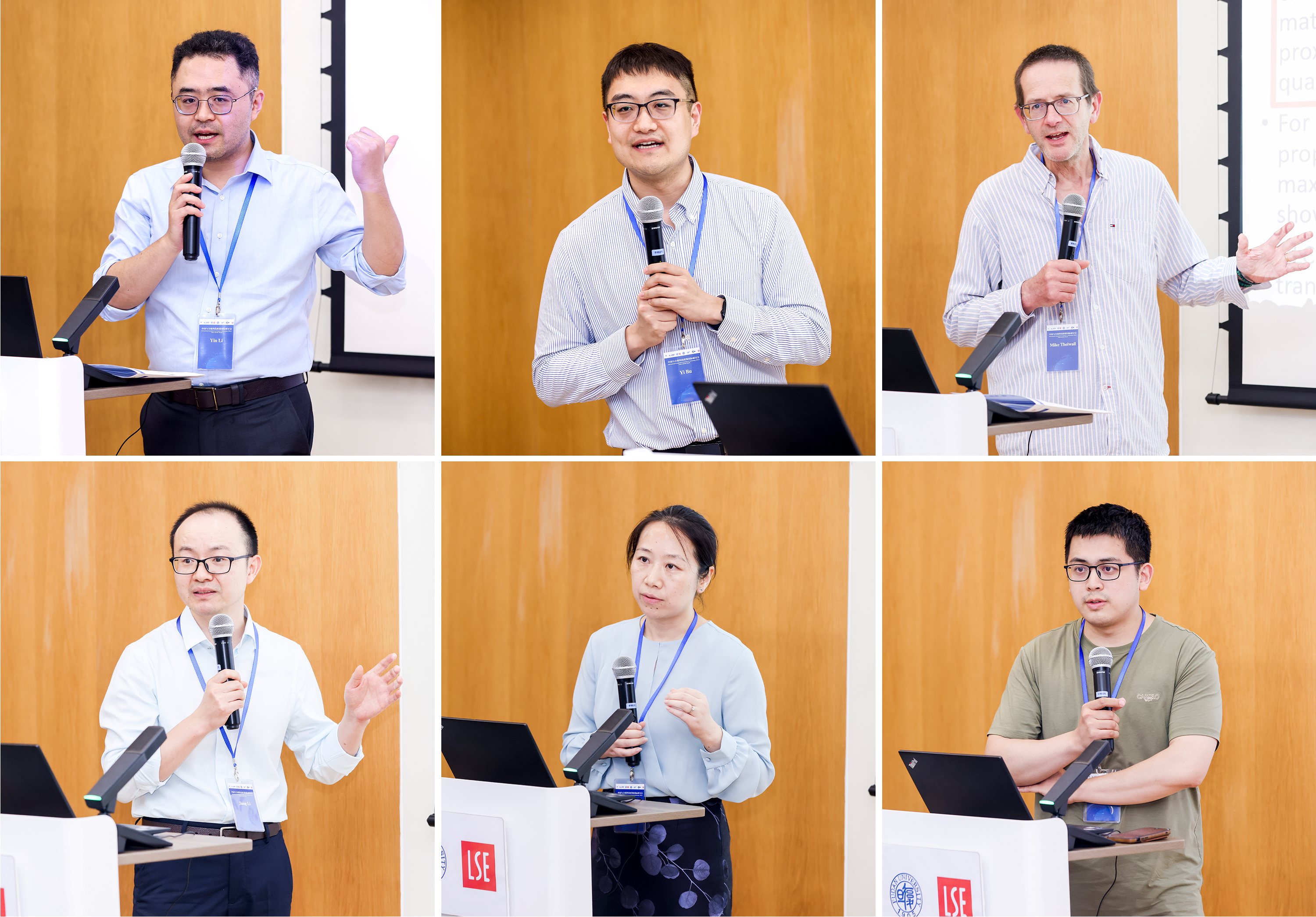
The fourth panel focused on the theme of “Innovations and Challenges in Research Evaluation,” chaired by Associate Professor Ziteng Fan of IGPP. Professor Koen Jonkers from the European Commission’s Joint Research Centre emphasized the importance of dynamic and systematic policy evaluation. Professor Cameron Neylon from Curtin University discussed the challenges and opportunities arising from the global transition to open science. Assistant Professor Seokkyun Woo from the Korea Advanced Institute of Science and Technology highlighted the structural issue of prioritizing output over mentorship in academic systems. Associate Professor Yi Zhang from the University of Technology Sydney examined the use of NLP models in research evaluation, advocating for selecting models that are most suitable for specific purposes rather than simply the largest.
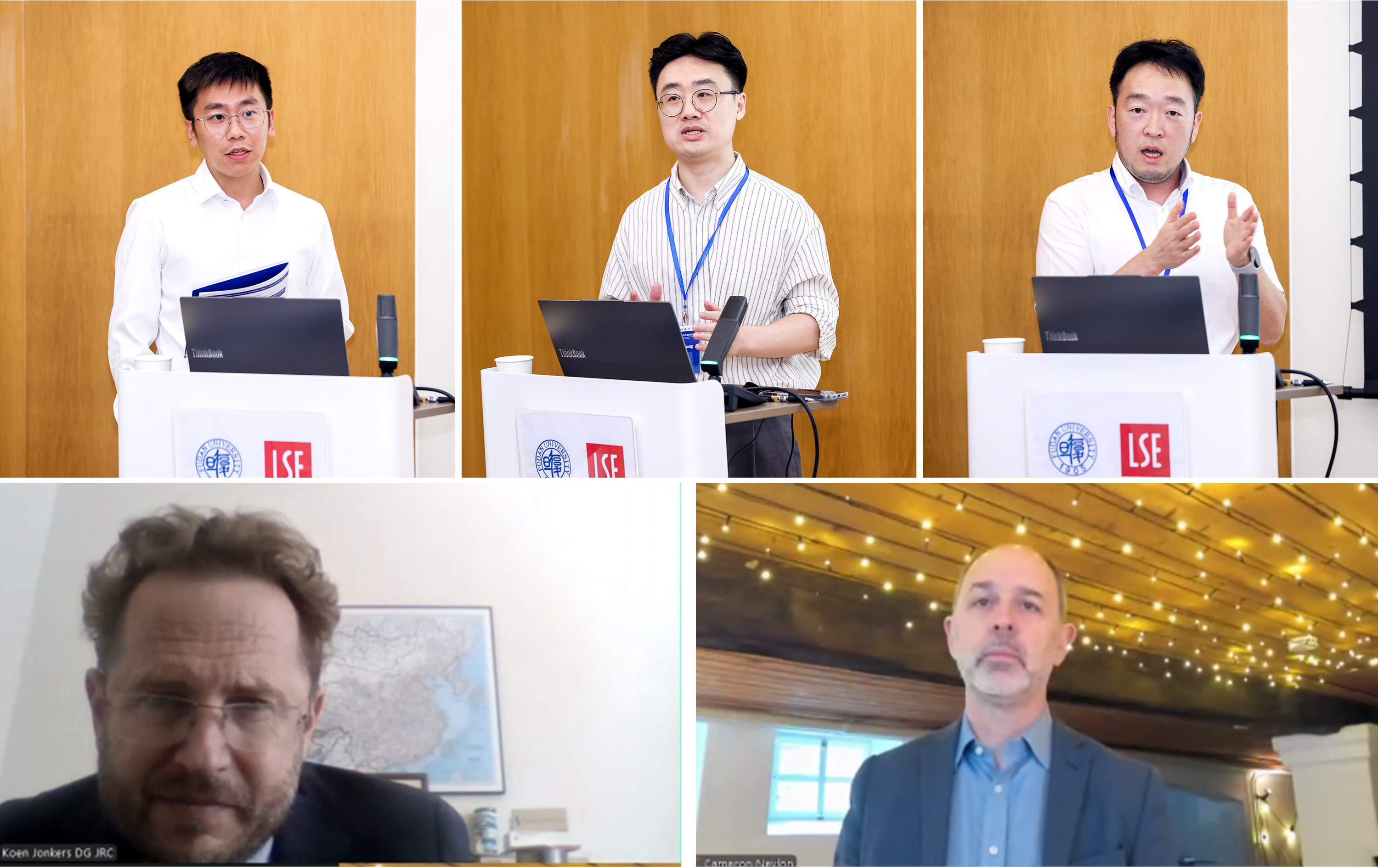
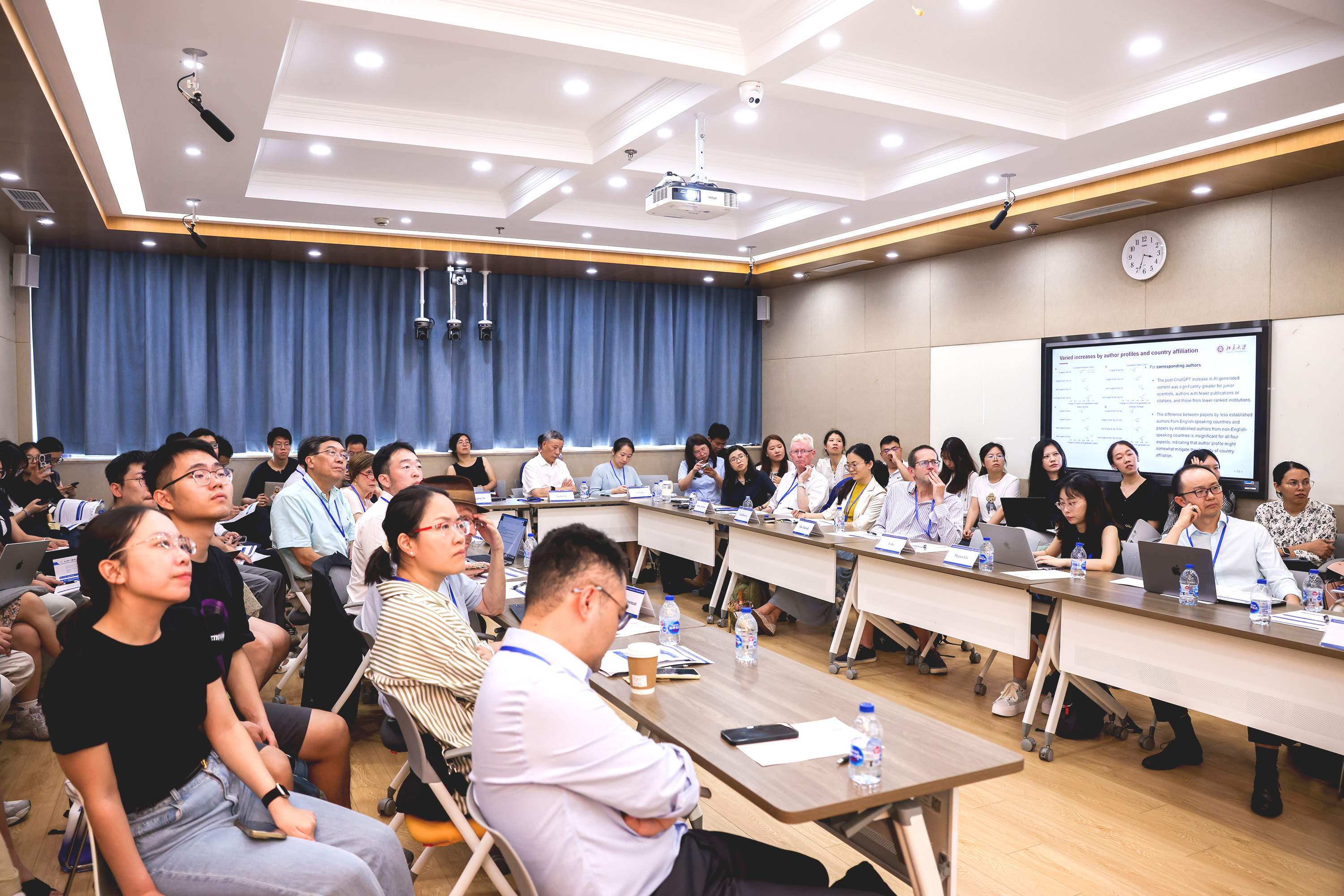
The Symposium highlighted the latest developments and global perspectives in science and technology policy, bringing together experts from academia, industry, government agencies, and international organizations. It demonstrated the active engagement of scholars in promoting international academic exchange and fostering cooperation in the field of science and technology policy.