News


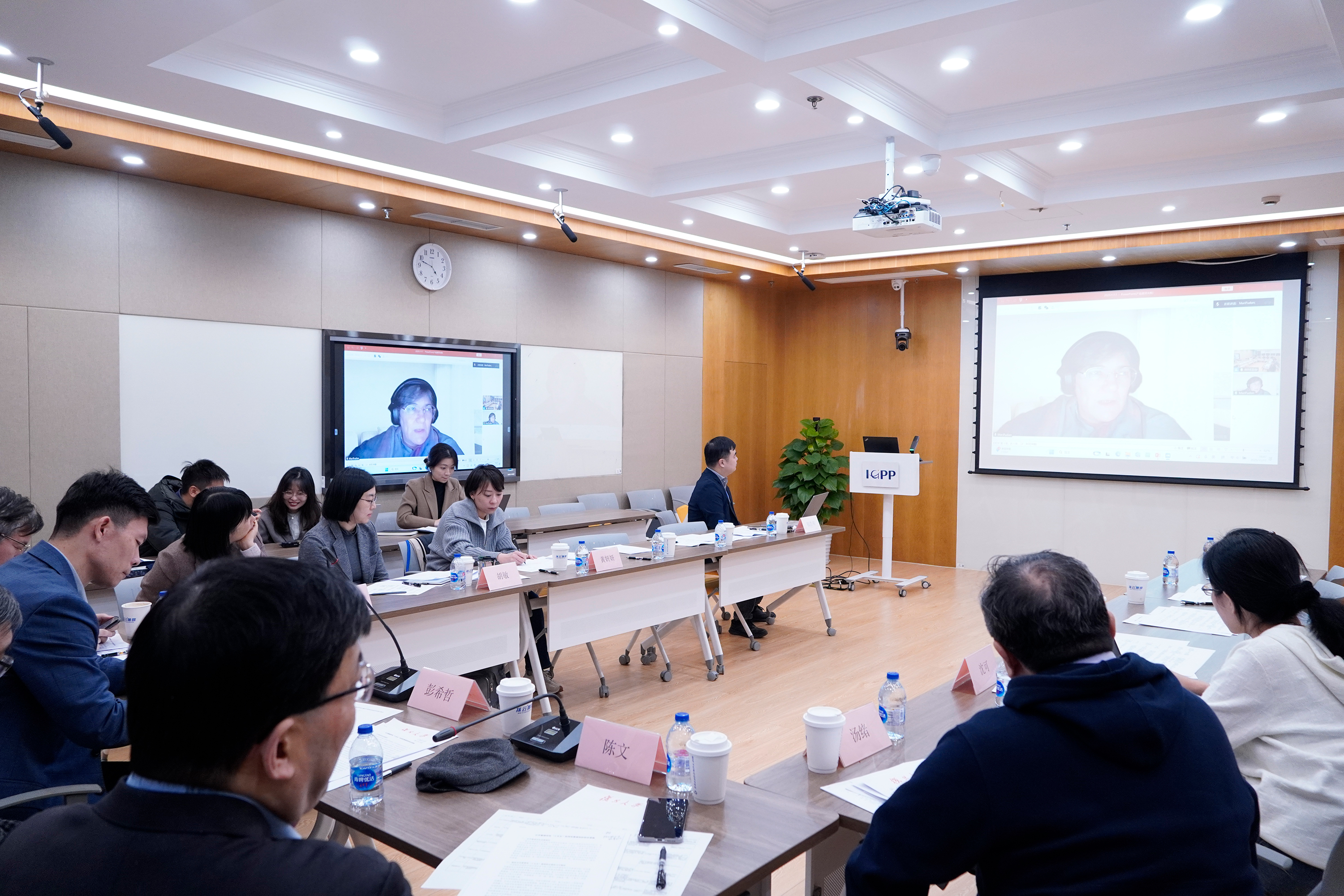
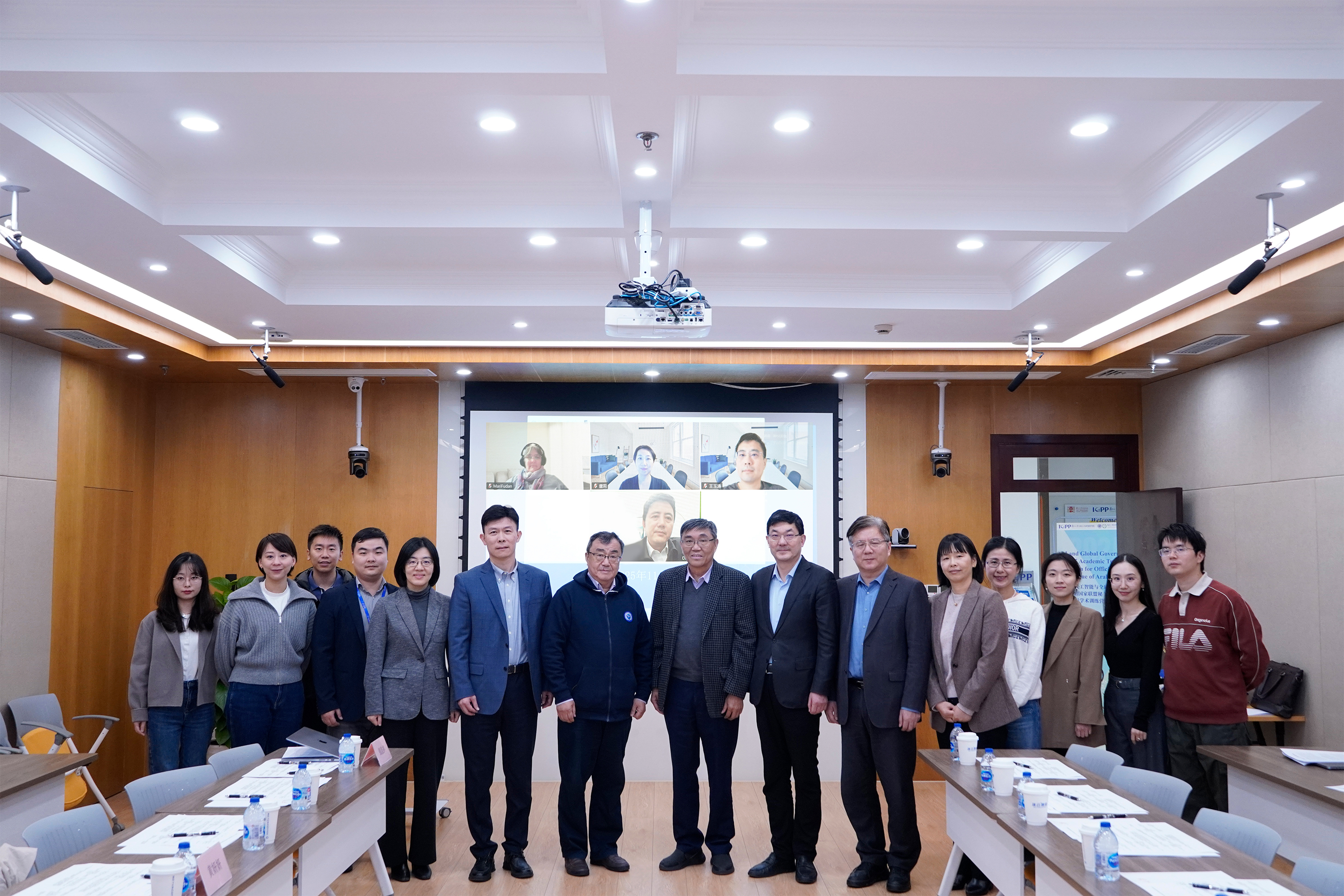
On the afternoon of November 17, 2025, the Institute for Global Public Policy (IGPP) at Fudan University held a consultation meeting on the 15th Five-Year Plan and a coordinated development seminar for Fudan University’s Public Administration discipline. Core faculty members from the sub-disciplines within Public Administration attended the event, engaging in discussions on advancing the medium- and long-term development of the discipline through enhanced coordination and collaborative growth at Fudan University.
开幕致辞
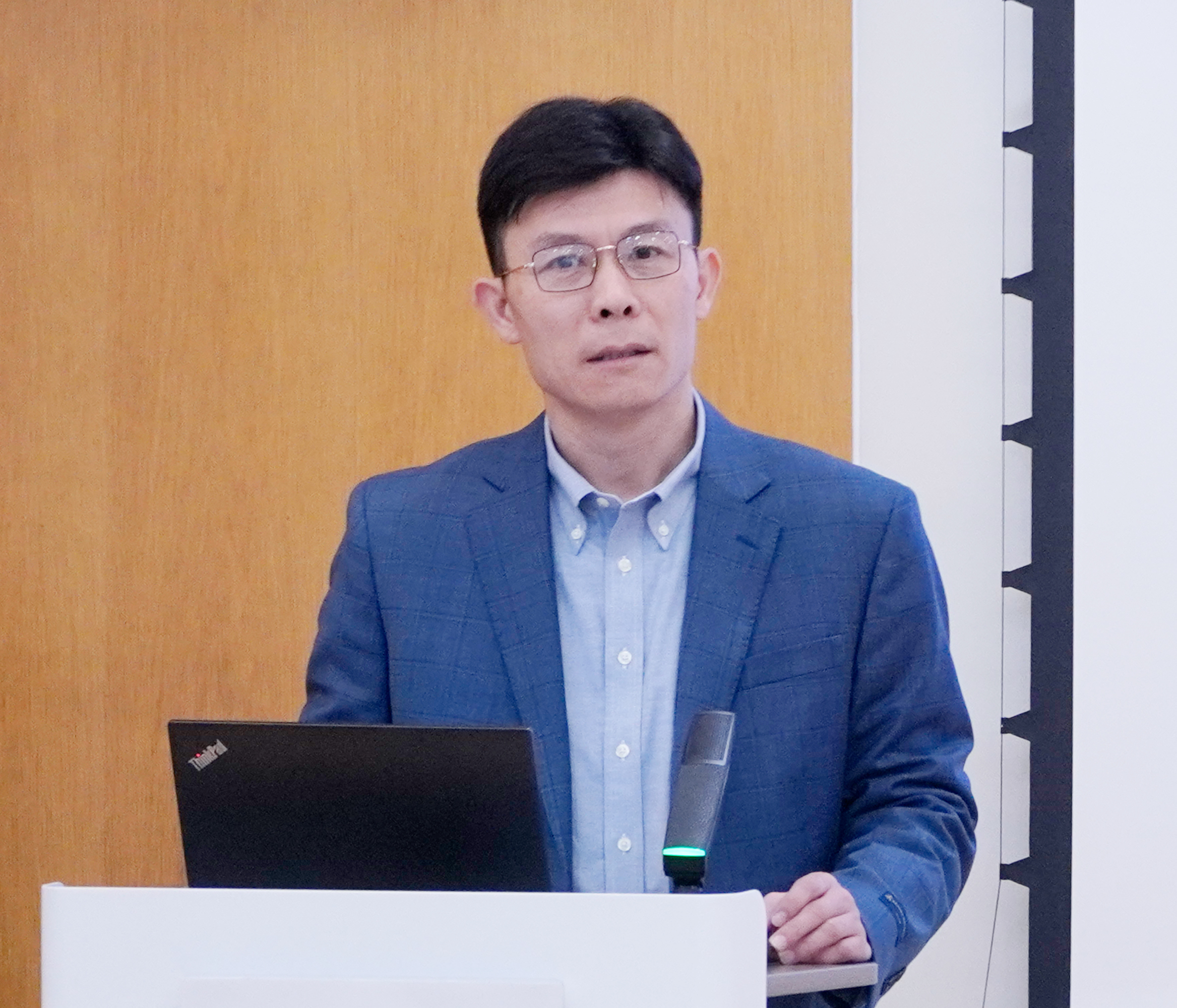
Professor Yijia Jing (National Talent Program Awardee and Dean of IGPP) reviewed the development of Fudan University’s Public Administration discipline, highlighting that while it remains one of the university’s traditional strengths, it now faces both significant opportunities and pressing challenges. He expressed appreciation for the long-standing support from various schools and departments in advancing IGPP’s disciplinary growth and invited experts to offer insights and recommendations for its future development. Professor Jing reaffirmed IGPP’s commitment to the “First-Class Fudan” principle and to promoting the continued advancement of the Public Administration discipline. He also detailed the preparation process of IGPP’s 15th Five-Year Plan and explained the rationale and objectives behind convening this consultation meeting, jointly initiated by key faculty members across the university.
Overview of the Present State of Discipline Development
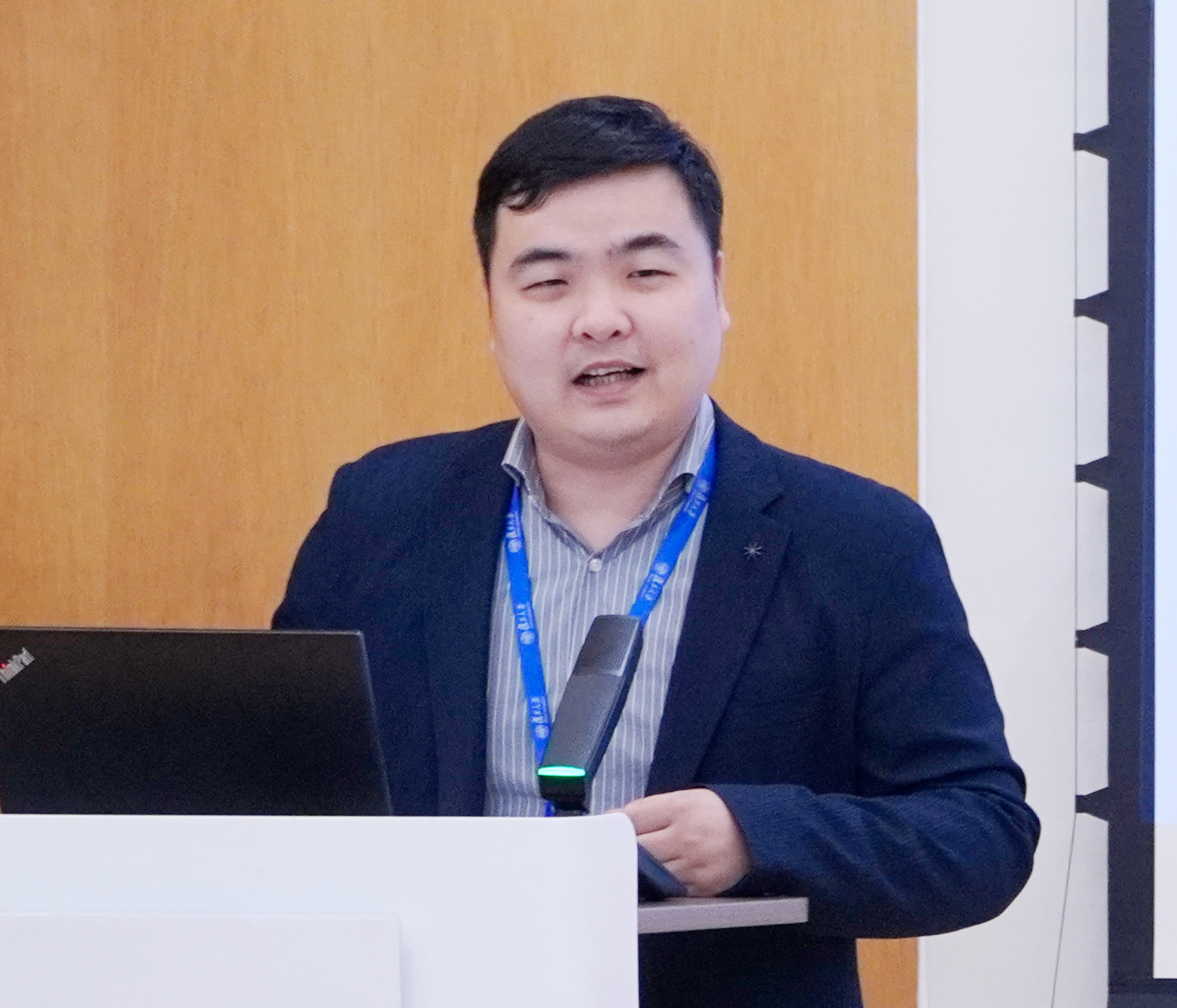
Associate Professor Haoqi Qian (National Youth Talent Program Awardee and Assistant Dean of IGPP) provided an overview of the current status of the ten secondary-level disciplines within the Public Administration field. These disciplines, distributed across IGPP, the Institute of Ageing, the School of Public Health, the School of International Relations and Public Affairs, the School of Social Development and Public Policy, and the Department of Environmental Science and Engineering, have each developed distinctive strengths in faculty composition, teaching, student training, and research. He emphasized the potential for interdisciplinary collaboration among these complementary disciplines.
Key Speeches on the “15th Five-Year” Development Vision
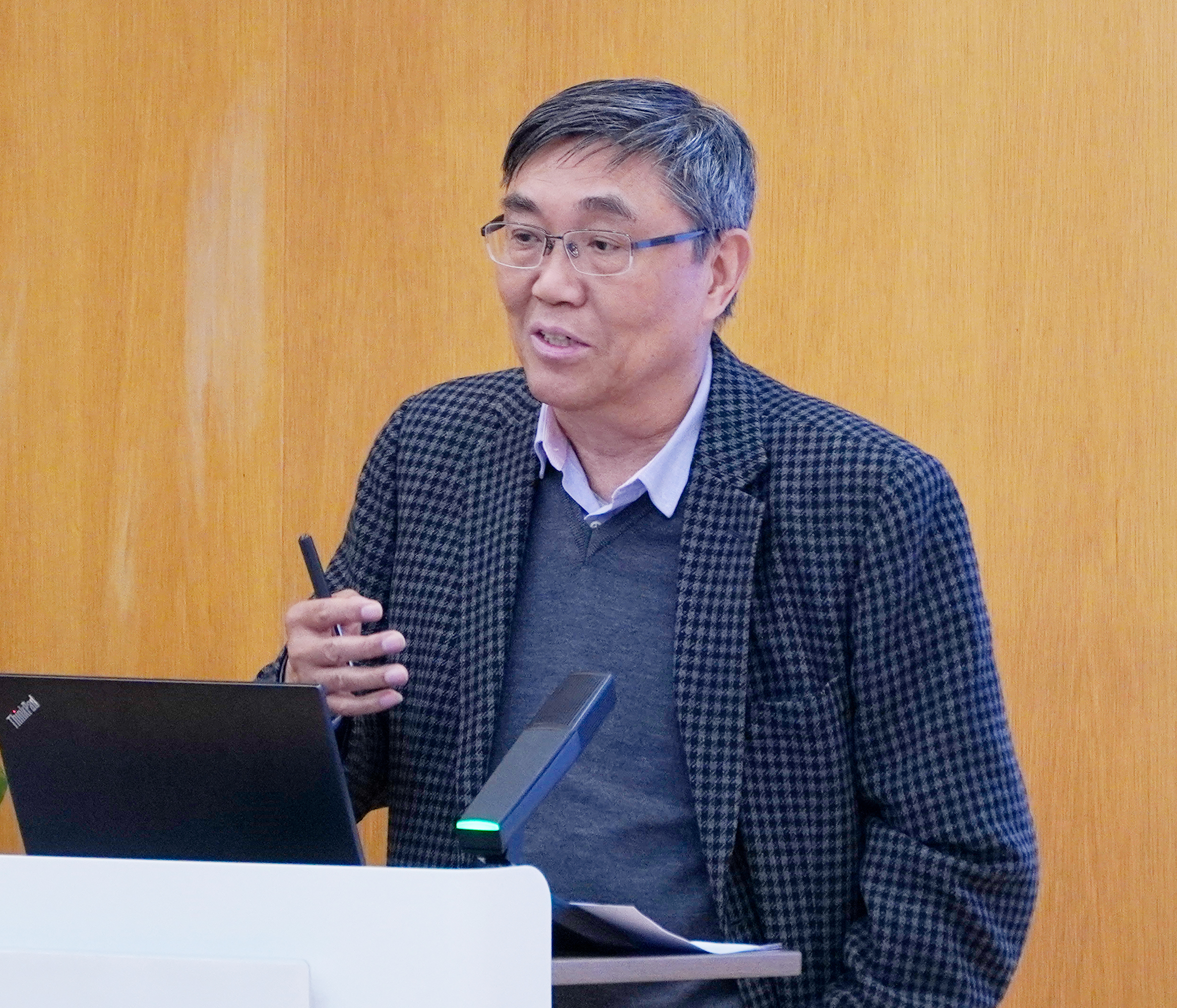
Professor Xizhe Peng (Senior Professor in Liberal Arts, Dean of Institute of Ageing, and the Chair of the Academic Committee of IGPP) focused his remarks on strategies and pathways for advancing and coordinating the development of the Public Administration discipline. He emphasized that the current landscape of public administration practice and academic development requires a problem- and domain-oriented approach that transcends departmental boundaries. Professor Peng argued that the university should formulate a unified, institution-wide plan for the discipline’s growth. He highlighted that coordinated development depends on building hub platforms and intermediary infrastructures to integrate resources, capabilities, data, and research themes, enabling swift and effective responses to evolving public governance needs. He also proposed establishing cross-administrative academic entities to enhance coordination in faculty evaluation, degree governance, teaching management, and major research initiatives, supported by regular academic activities and topic-specific committees or teams.
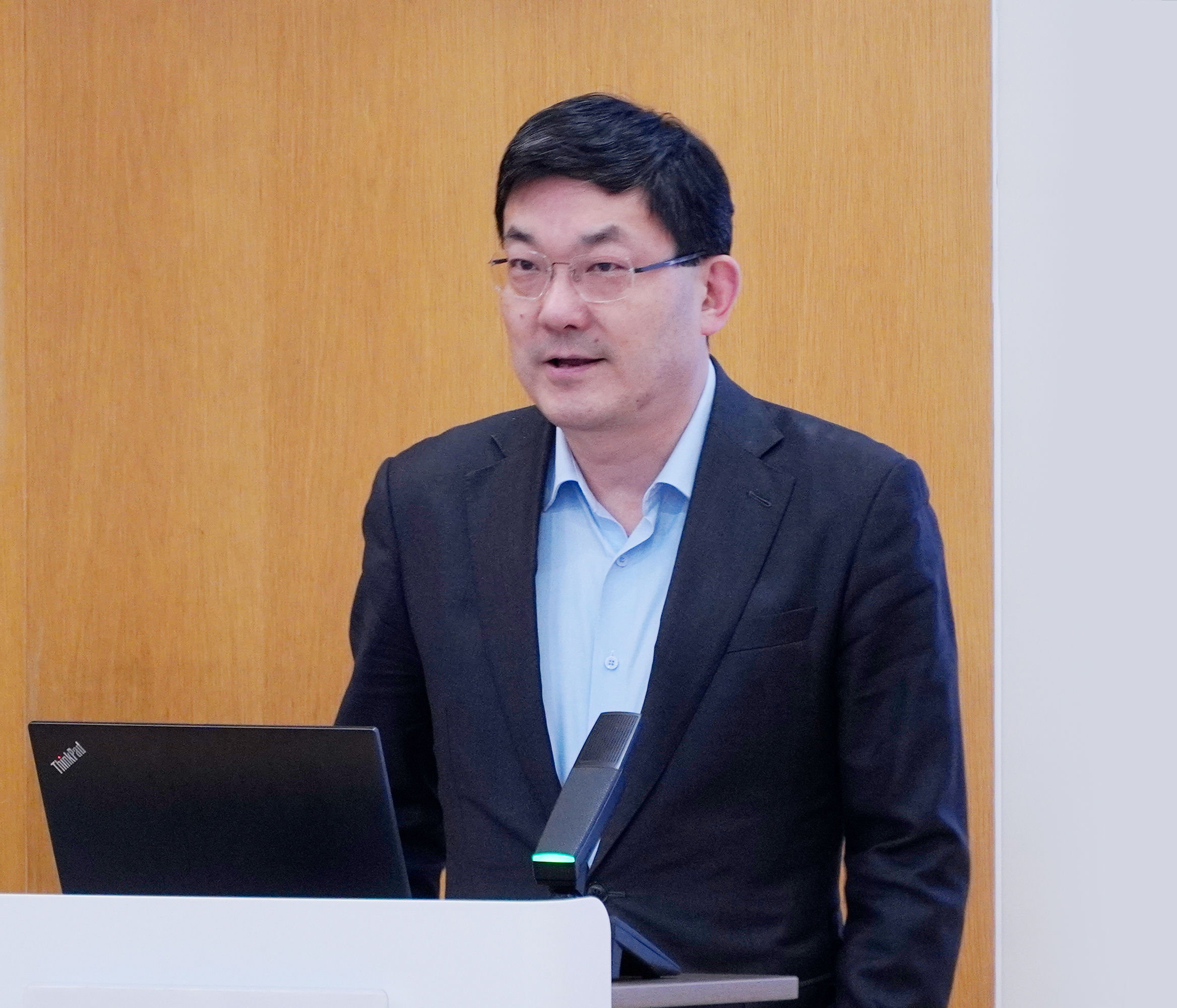
Professor Wen Chen (National Talent Program Awardee, Member of the Public Administration Discipline Review Committee of the State Council, Member of Academic Committee and Teaching Steering Committee of IGPP, and Professor at the School of Public Health) emphasized that the coordinated development of the Public Administration discipline requires broader thinking and open, innovative disciplinary platforms to generate new momentum. He explained that the State Council’s Discipline Review Committee completed a structural adjustment of the secondary fields under the Public Administration discipline in 2023, expanding the framework to eleven secondary disciplines. This new structure aims to reflect the growing scope of public administration theory and practice while promoting professionalization and cross-field coordination under a unified public administration perspective. Professor Chen also highlighted the School of Public Health’s efforts in advancing the field of health governance.
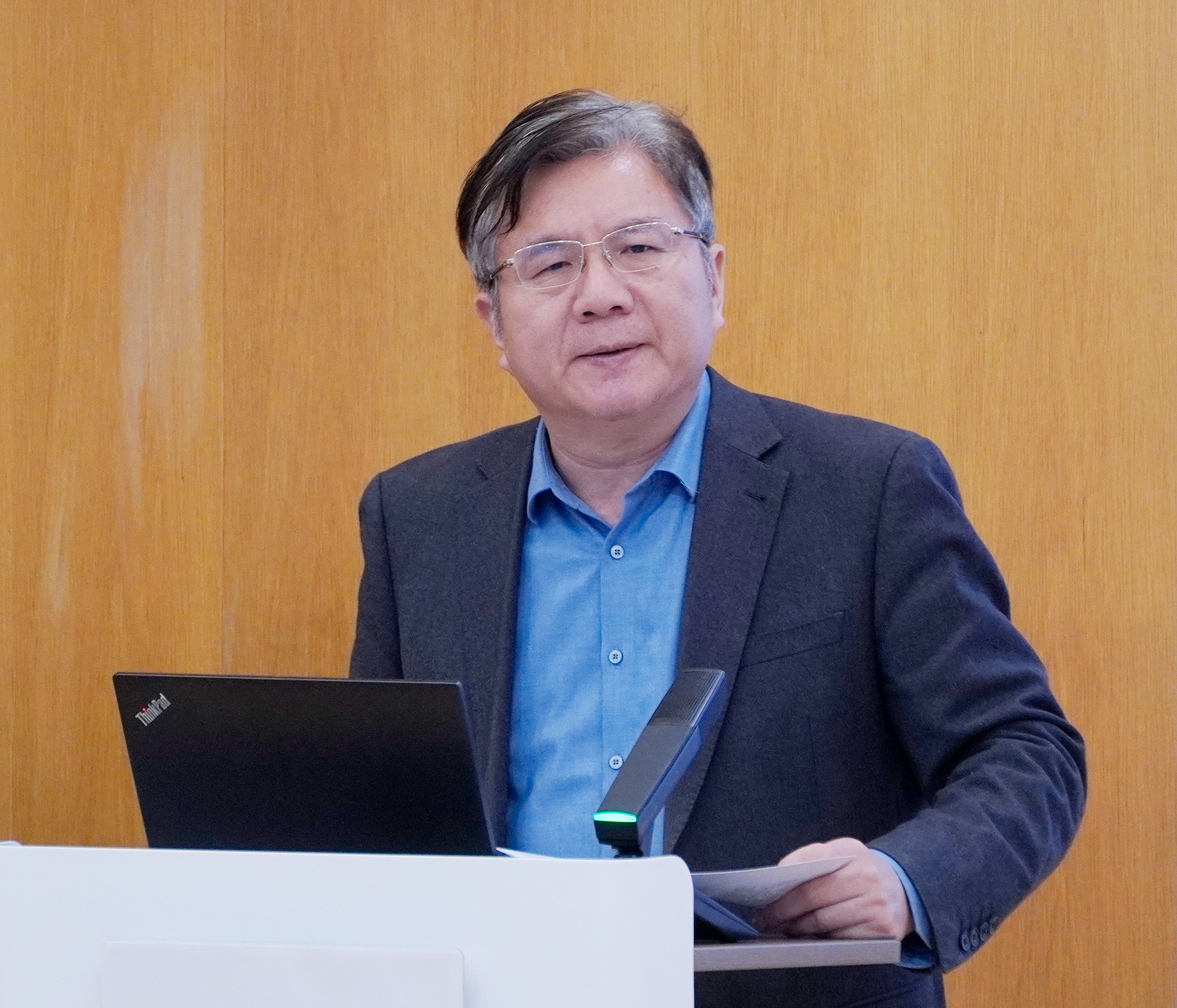
Professor Chunkui Zhu (Member of the National MPA Teaching Steering Committee, Chair of MPA Teaching Steering Committee of Fudan Univeristy, Member of Professional Degree Programs Advisory Board at IGPP, and Professor at the School of International Relations and Public Affairs) highlighted that the growth of Fudan’s Public Administration discipline has been the result of collective efforts across schools and departments and must continue to rely on strengthened collaboration. He noted that Fudan has recently established several relevant professional master’s programs and suggested that during the “15th Five-Year Plan” period, efforts should focus on enhancing the coordinated development of these programs. He also emphasized that many university-level institutes and provincial platforms are already built upon the strengths of public administration. He proposed consolidating the discipline-building achievements of these platforms, leveraging IGPP’s international collaboration resources, and ensuring information alignment to create a unified effort in applying for national-level platforms.
Professor Jing emphasized that the new stage of disciplinary development requires both supporting the distinctive growth paths of each secondary discipline and promoting the overall, integrated advancement of the Public Administration field. He called for the construction of a collaborative ecosystem characterized by co-construction, co-governance, and shared benefits, enabling the discipline to address complex public affairs and ultimately establishing Public Administration at Fudan as a nationally recognized flagship discipline. He also highlighted that the current university-wide formulation of the “15th Five-Year Plan” provides a key opportunity: by coordinating among all secondary disciplines, Fudan can advance a unified development plan at the first-level discipline level. He argued that the core of coordinated development lies in soft integration and incremental growth. As the only unit at Fudan with a primary mission dedicated to building the Public Administration discipline, IGPP will fully support talent training, research collaboration, and global engagement across all secondary disciplines and their home schools, and he outlined a series of concrete measures to achieve these goals.
Expert Remarks
Professor Li Luo (National Talent Program awardee, Secretary of the School of Public Health) spoke online to emphasize the significance of the workshop as a rare opportunity to build consensus across the Public Administration discipline. He noted that reviewing Fudan University’s development from a disciplinary perspective can provide valuable decision-making guidance for sub-disciplines and administrative units, helping to formulate scientifically grounded development strategies. Highlighting that Public Administration is inherently interdisciplinary, Professor Luo stressed that the challenges Fudan faces are common to many universities, particularly issues arising from overlapping responsibilities between disciplines and administrative units. He underscored the importance of avoiding fragmented development and establishing a coordinated mechanism across units. Professor Luo praised IGPP’s initiative to convene all stakeholders for collective discussion and expressed hope that all parties would move forward together toward integrated and collaborative disciplinary development.
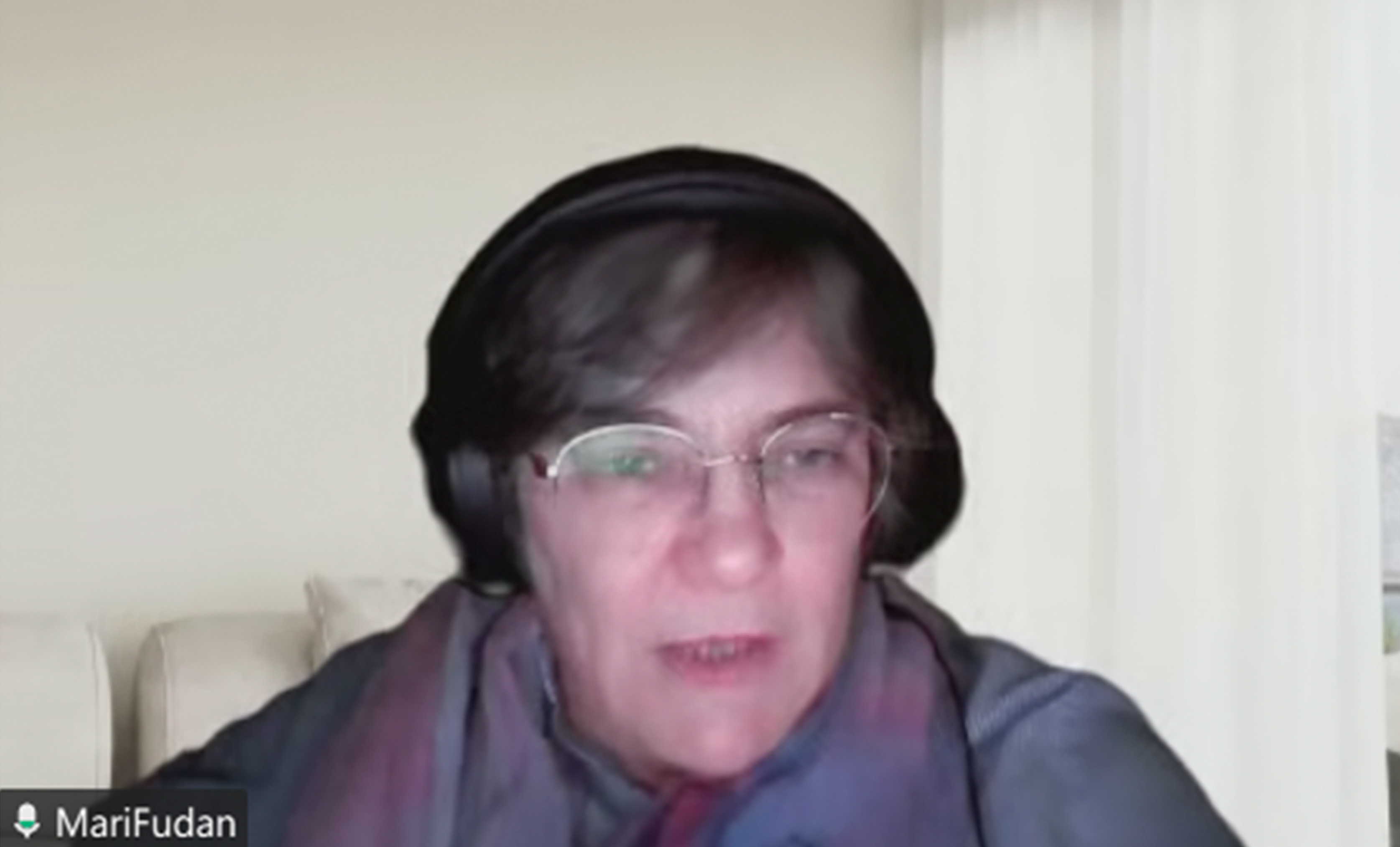
Professor Marie Harder (National Talent Program Awardee, Professor at the Department of Environmental Science and Engineering), currently in the U.S., emphasized that future development of the Public Administration discipline must be problem-oriented and transcend traditional disciplinary boundaries. She highlighted the importance of crafting strategies that create favorable conditions for cross-unit collaboration among faculty. In designing graduate curricula and training programs, Professor Harder stressed the need to balance maintaining the fundamental requirements and shared professional identity of Public Administration education with reflecting the distinct characteristics of each unit, thereby fully leveraging the advantages of interdisciplinary talent training.
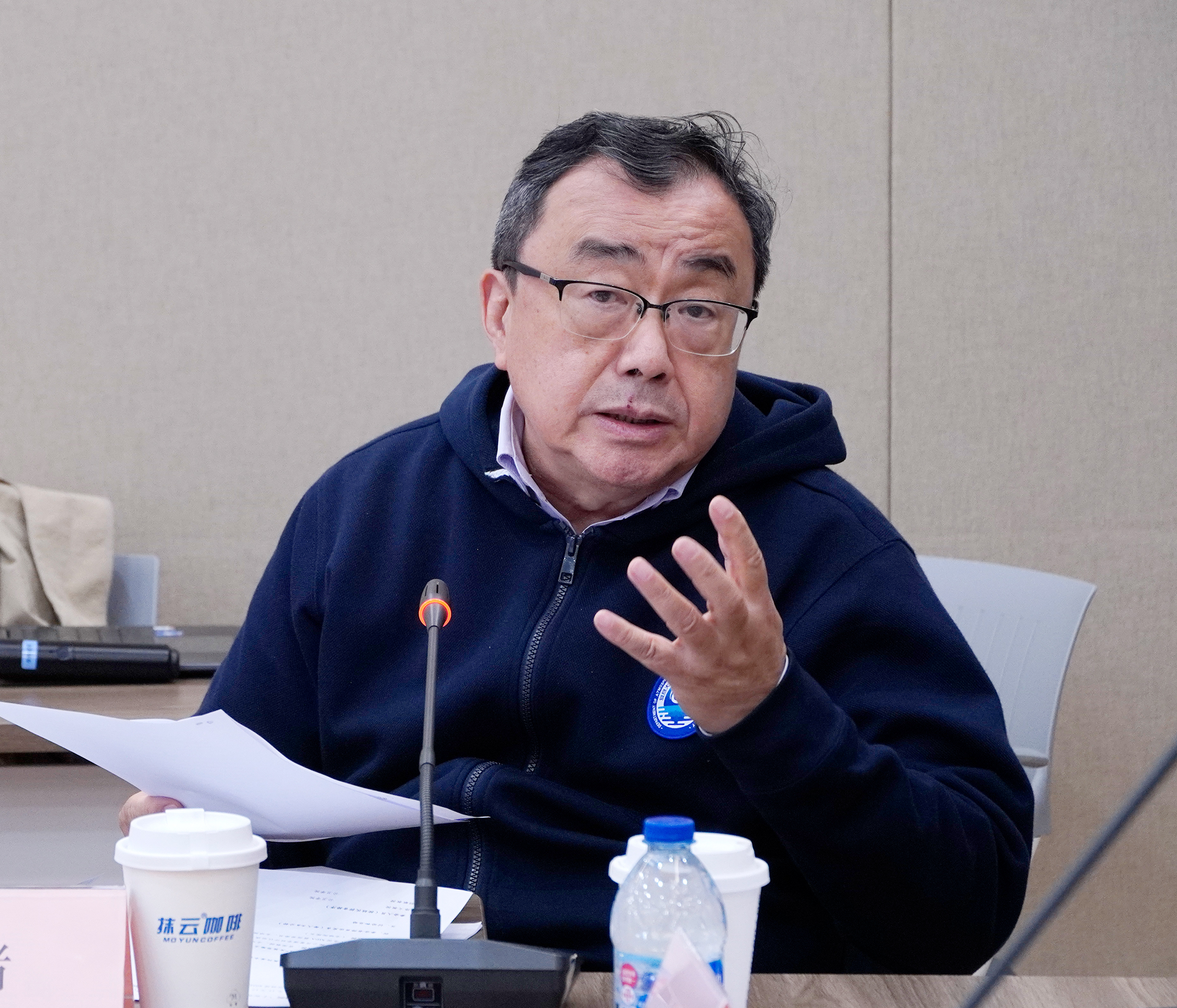
Professor Xu Tang (Distinguished Professor, PhD advisor at IGPP, Executive Director of the Fudan Excellence Center, and Professor at Fudan Development Institute) argued that formulating a “15th Five-Year Plan” for Public Administration at Fudan is both timely and essential. He emphasized that the plan should align with demand-driven priorities and future-oriented disciplinary development while making strategic preparations for long-term growth. Professor Tang noted that major international projects and initiatives provide abundant opportunities for collaboration and have already garnered substantial international support with promising prospects. He stressed that IGPP should adhere to its founding mission by remaining oriented toward global needs, expanding academic capacity, and fostering a healthy internal ecosystem for public management and public policy scholarship across the university, enabling IGPP to lead the integration of research and talent cultivation.
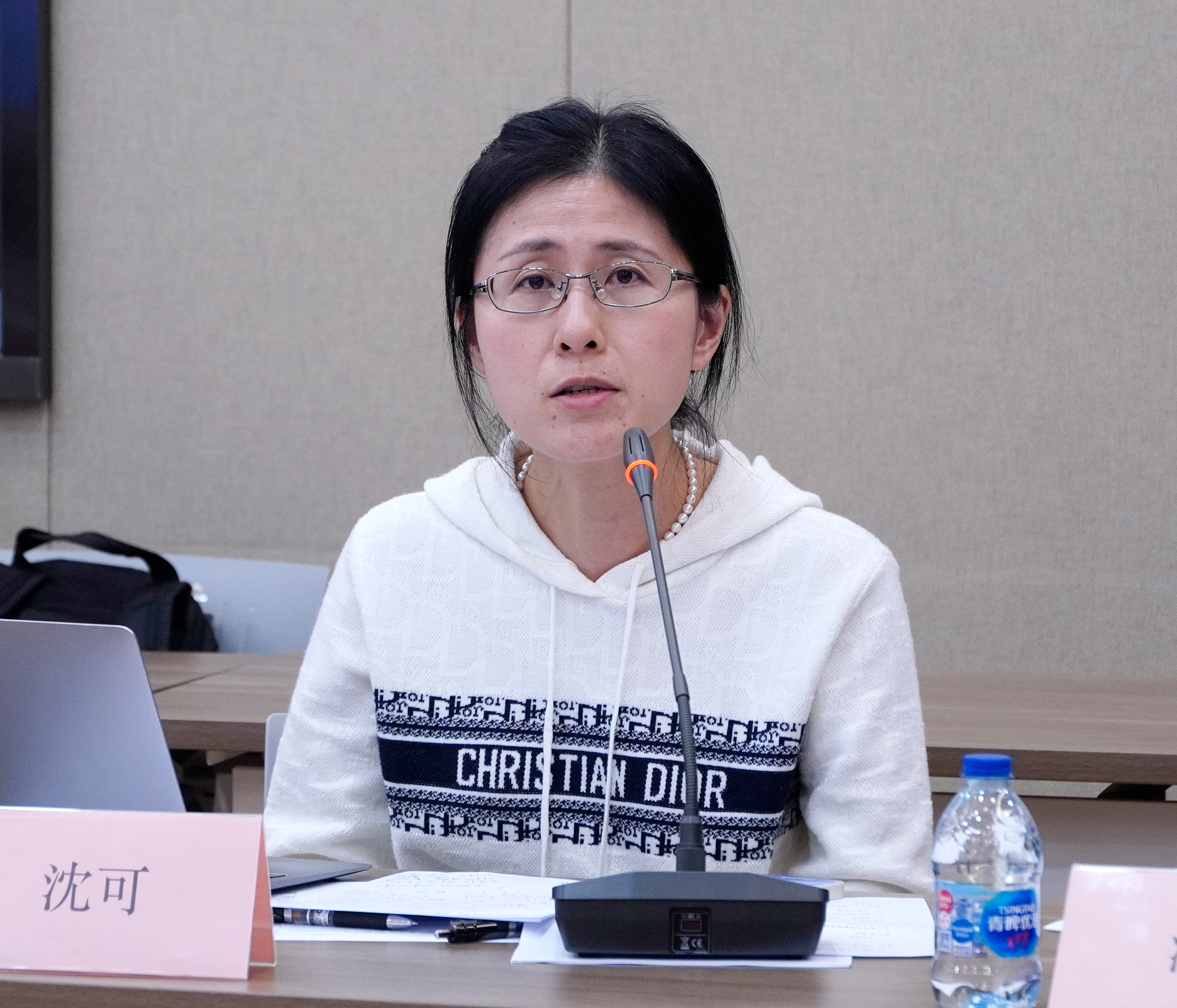
Professor Ke Shen (National Youth Talent Program Awardee, Member of Teaching Committee at IGPP, and Associate Dean of the School of Social Development and Public Policy) noted that the School of Social Development and Public Policy and the Public Administration discipline share extensive areas of overlap. She emphasized that in talent training, the School is well-positioned to collaborate with IGPP and other schools, leveraging complementary strengths to build a cooperative ecosystem that promotes shared development.
Professor Li Tang (National Youth Talent Program Awardee, Member of Academic Committee at IGPP, and Deputy Chair of the Department of Public Management at the School of International Relations and Public Affairs), speaking from Hong Kong, observed that the meeting effectively mapped the current landscape of Public Administration development at Fudan, offering valuable guidance for future planning. She emphasized that from both university-level and disciplinary-level perspectives, it is essential to establish hub-like platforms that integrate the fragmented strengths of Public Administration across different units. Such coordination will enhance Fudan’s influence in the national and global Public Administration community, marking this as a pivotal moment for formulating a comprehensive first-level discipline development plan.
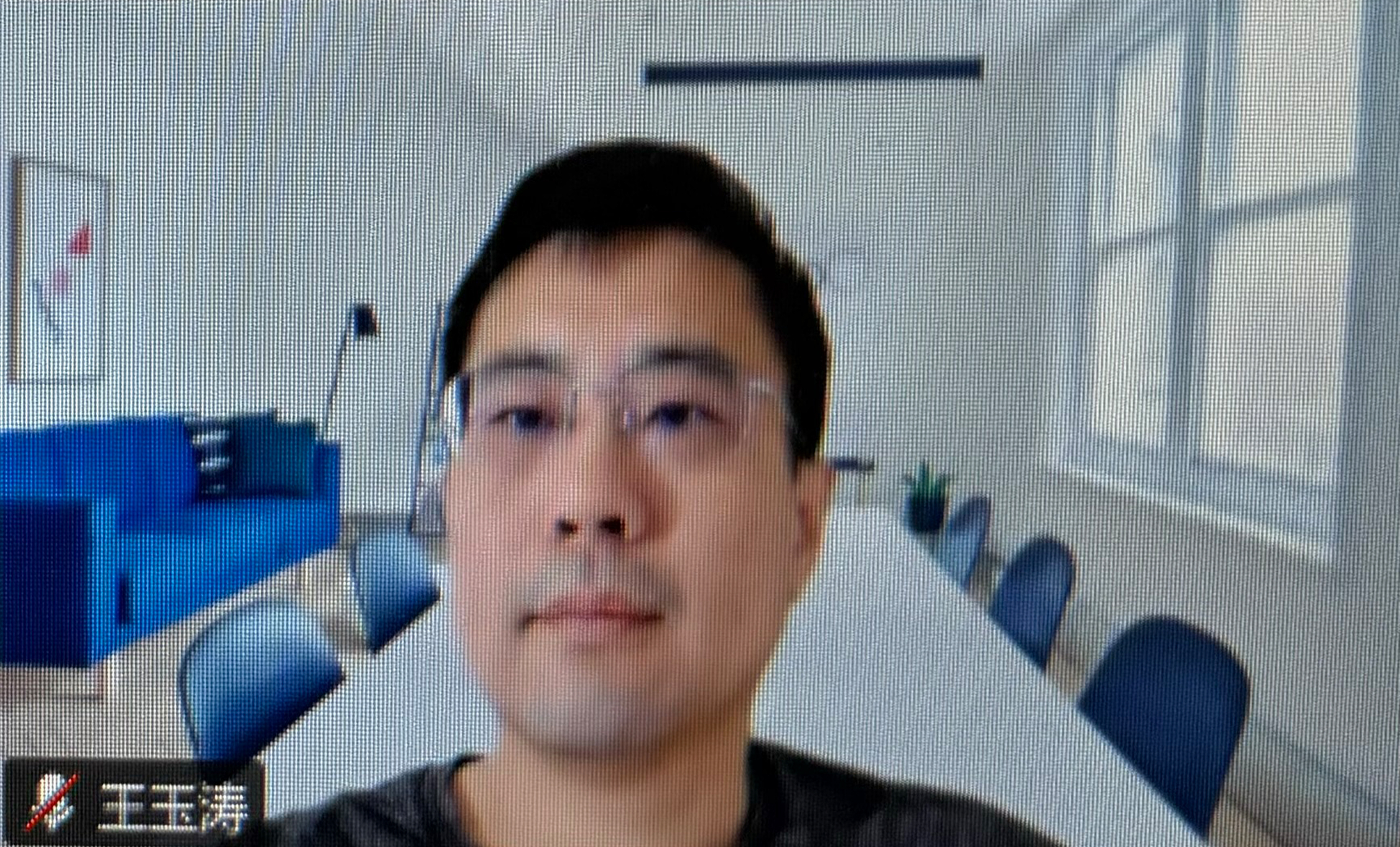
Professor Yutao Wang (National Youth Talent Program Awardee, Professor in the Department of Environmental Science and Engineering, and Head of the Environmental Ecosystem Management Teaching Group), speaking online from the UK, emphasized that environmental management is an integral component of Public Administration. She noted its close intersections and complementarities with fields such as environmental science and argued that, as societal and national demands for effective environmental governance continue to grow, deeper collaboration within the broader Public Administration discipline can expand opportunities for development and innovation in this area.
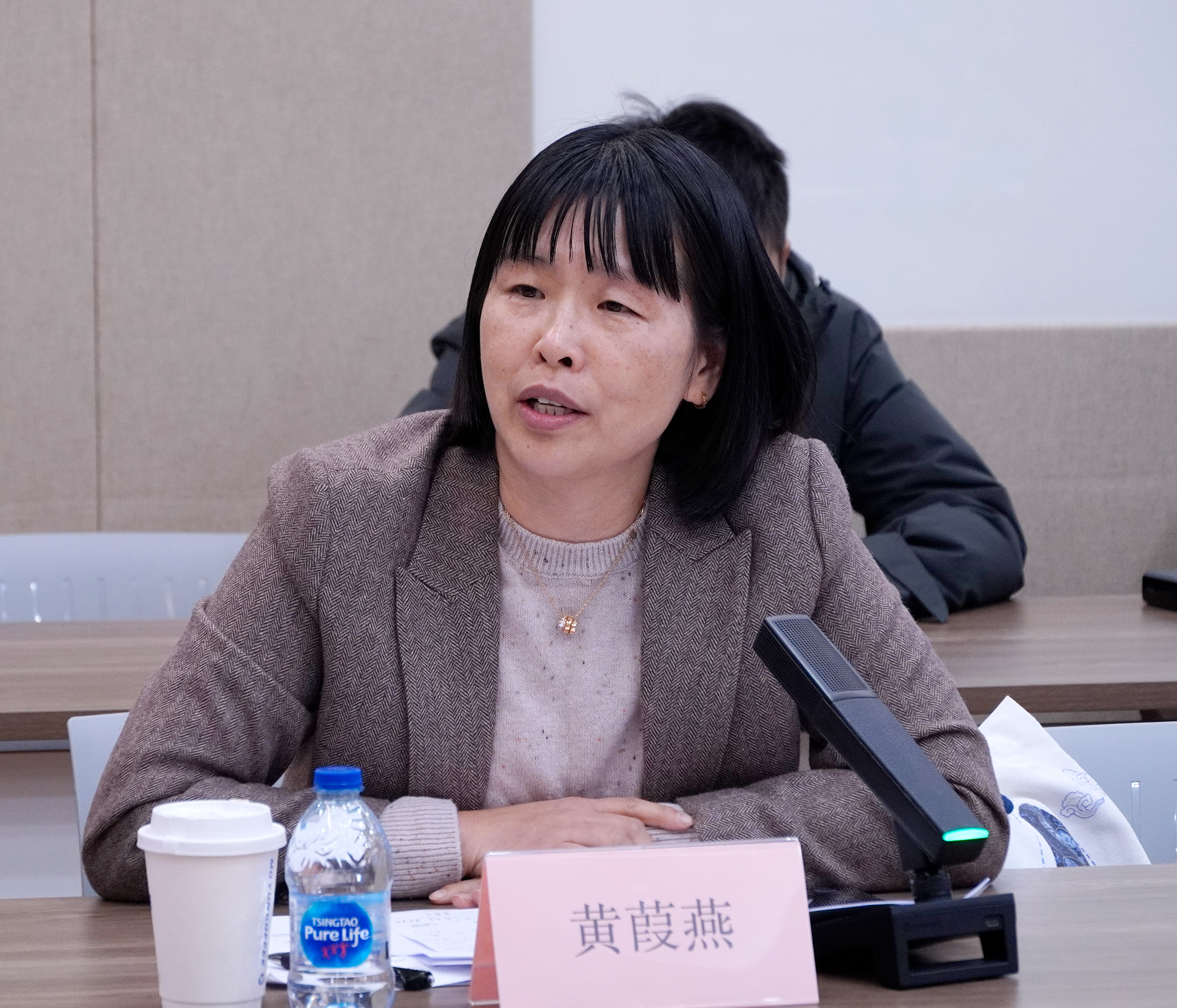
Professor Jiayan Huang (Professor at the School of Public Health and Director of the Hospital Management Teaching and Research Office) emphasized that coordinated development of the Public Administration discipline requires clear professional evaluation standards and guidance. She suggested that establishing an academic community for Public Administration could provide robust institutional support across the university. Highlighting the growing importance of global health governance, Professor Huang noted that prior research has been overly micro-focused, making it essential for scholars in Public Administration and global governance to engage more fully, thereby strengthening China’s influence in global health governance.
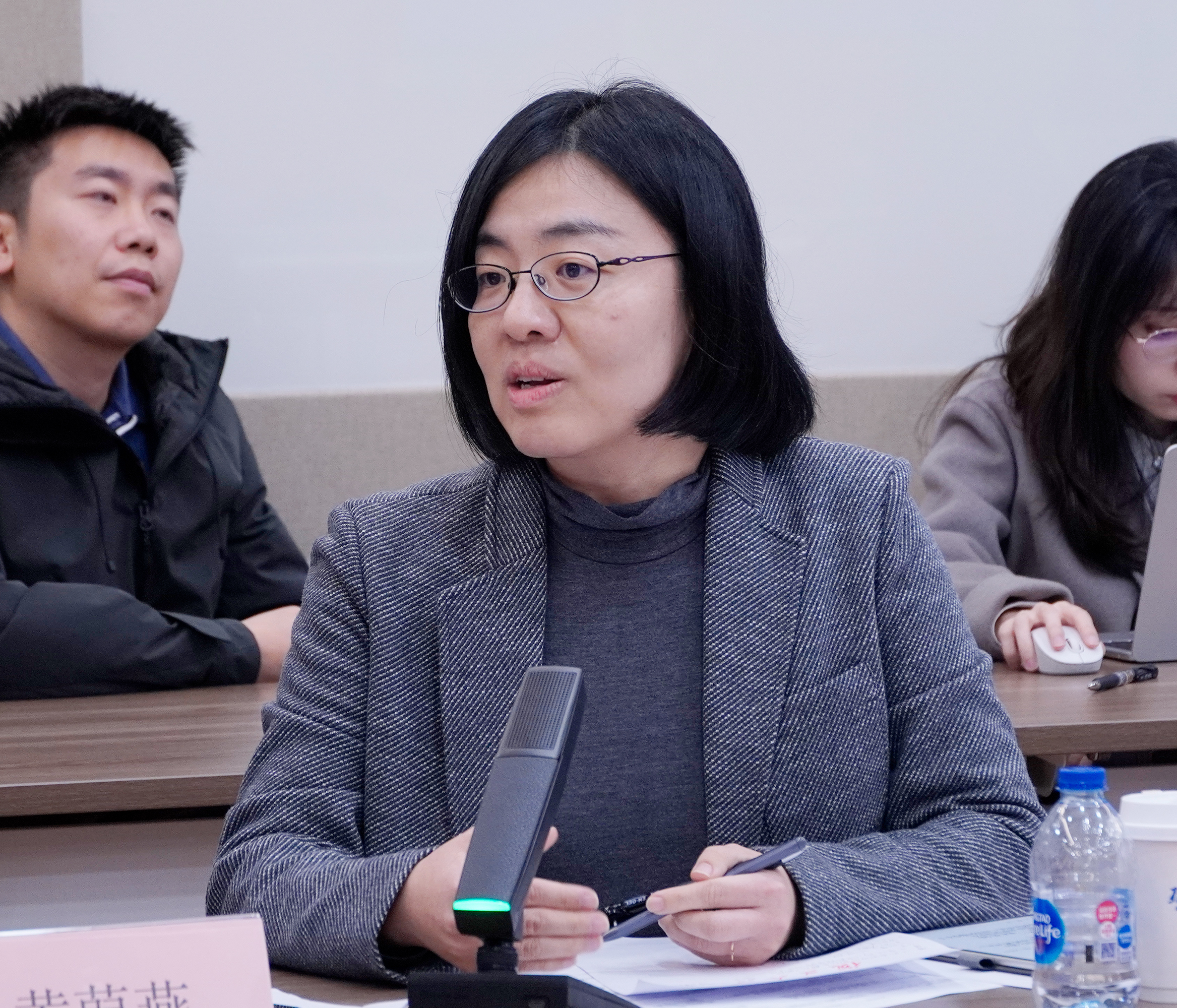
Professor Min Hu (Professor at the School of Public Health and Deputy Director of the Health Economics Teaching and Research Office) noted that the meeting helped Public Administration scholars at Fudan cultivate a strong sense of collective identity while clarifying that improved organization and coordination could further strengthen the discipline. She highlighted the importance of understanding the discipline’s history and internal structure to better grasp its mission and developmental path. Professor Hu added that the “15th Five-Year Plan” for Public Administration will not only guide the discipline’s future trajectory but also provide valuable direction for the professional growth of every young scholar.
Consensus and Closing Summary
The participating experts engaged in lively and in-depth discussions on key issues, ultimately reaching several preliminary points of consensus.
First, the meeting laid the groundwork for formulating Fudan University’s “15th Five-Year Plan” for the Public Administration discipline. Participants reached consensus on jointly identifying the strategic priorities and development directions for the discipline during this period, as well as outlining detailed steps and implementation pathways.
Second, participants emphasized the need to establish a coordinated mechanism at the first-level discipline level. This mechanism is intended to support the academic development, research collaboration, and overall disciplinary construction of all subfields within Public Administration. Guided by the principles of co-consultation, co-construction, and shared benefits, it will leverage hub and intermediary platform structures to consolidate collaboration and progressively cultivate a stronger sense of academic community.
Third, participants highlighted the importance of advancing talent training programs in Public Administration. Key tasks include implementing the core curriculum framework issued by the Public Administration Discipline Review Committee of the State Council to establish the foundational standards and essential competencies for student development, while also fostering distinctive and innovative features in training programs based on this foundation.
Fourth, participants emphasized the need to comprehensively strengthen the global development of the Public Administration discipline. IGPP will actively support the internationalization of all subfields, promoting global engagement and collaboration, while working to integrate China’s independent knowledge system more deeply into the international academic and policy community.
During the closing session, Professor Jing expressed his heartfelt gratitude to all experts for their insightful contributions. He reflected that this meeting marked the first large gathering of Fudan’s “big family” of Public Administration in 20 years, noting that some experts joined online from abroad in the early morning hours, others postponed travel plans, and still others participated despite physical discomfort. He emphasized that today’s discussion represents only the beginning, and he expressed confidence that the passion embodied by “Fudan people uniting as a blazing fire” will continue to inspire the long-term pursuit of rigorous inquiry and excellence in Public Administration at Fudan.