LSE-Fudan Centre


On October 13, 2025, the Fudan Institute for Global Public Policy (IGPP) organized the 82nd lecture of the Fudan-LSE Lecture Series. Professor Bert George from City Univeristy of HongKong delivered a lecture on the theme of New Topics in Public Strategy: Purposeful Strategic Planning and Strategizing. The session was chaired by Dean Yijia Jing of IGPP. Associate Professor Ziteng Fan served as discussant.
Professor George is Professor of Public and Nonprofit Strategy in the Department of Public and International Affairs at City University of Hong Kong. He also serves as Associate Dean for Engagement and Knowledge Transfer and as Director of the Research Cluster on Brain, Behavior, and Society at the College of Liberal Arts and Social Sciences. Professor George is especially skilled in applying economic and management theories, methods, and concepts to public administration and policy research. In recent years, his work has focused on integrating neuroscience into public administration and policy studies, thereby broadening the interdisciplinary scope of the field.
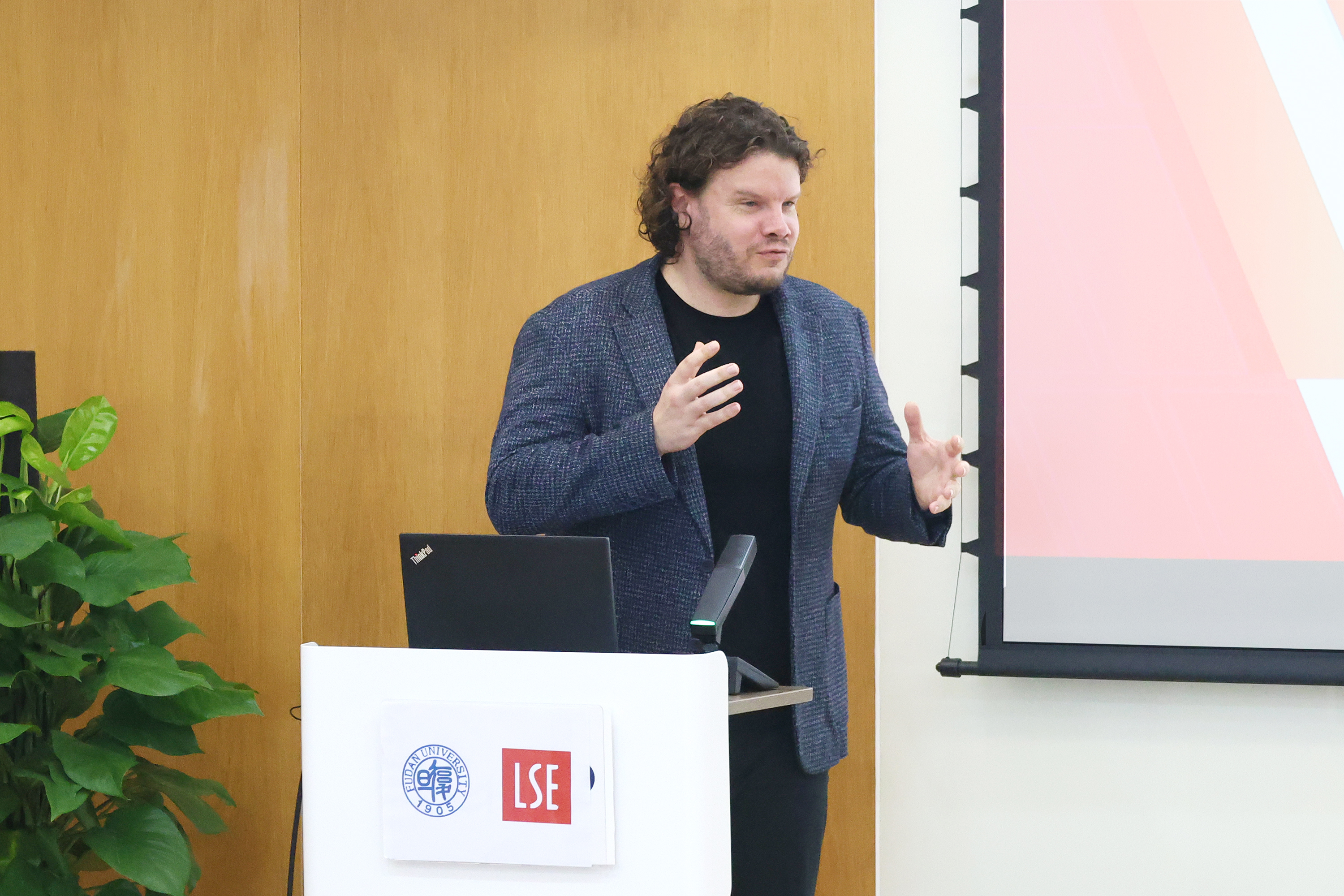
Professor George began his lecture by highlighting the critical role of strategy in public management. He explained that when strategy is viewed as content, the focus should be on strategic positioning and its impact on performance; when seen as a process, attention should be given to strategic planning and management to enhance effectiveness. He identified two key research priorities: purpose-driven strategic planning and strategic orchestration. Professor George argued that strategic planning and management are central to public administration and closely relevant to areas such as urban planning. In contexts of interdepartmental collaboration and rapidly changing environments, purpose-driven strategic planning provides a pathway for public organizations to respond effectively, while strategic orchestration emphasizes dynamic adjustment and continuous optimization—both essential for improving governance outcomes.
Professor George then presented his latest research in public strategy, elaborating on the concept and application of purpose-driven strategic planning. He explained that this approach aims to align strategic design with multiple societal goals, thereby enhancing the relevance and effectiveness of public strategies. To support practical implementation, he introduced the PAPI Strategy Tool, which encompasses four key dimensions: Purpose, Analysis, Place, and Implementation. He urged the academic community to strengthen research on strategy implementation, integrate it effectively with strategic planning, and develop methods and tools aligned with societal objectives. Such an approach, he noted, can advance scholarship in collaborative governance, systemic strategy, and behavioral public policy.
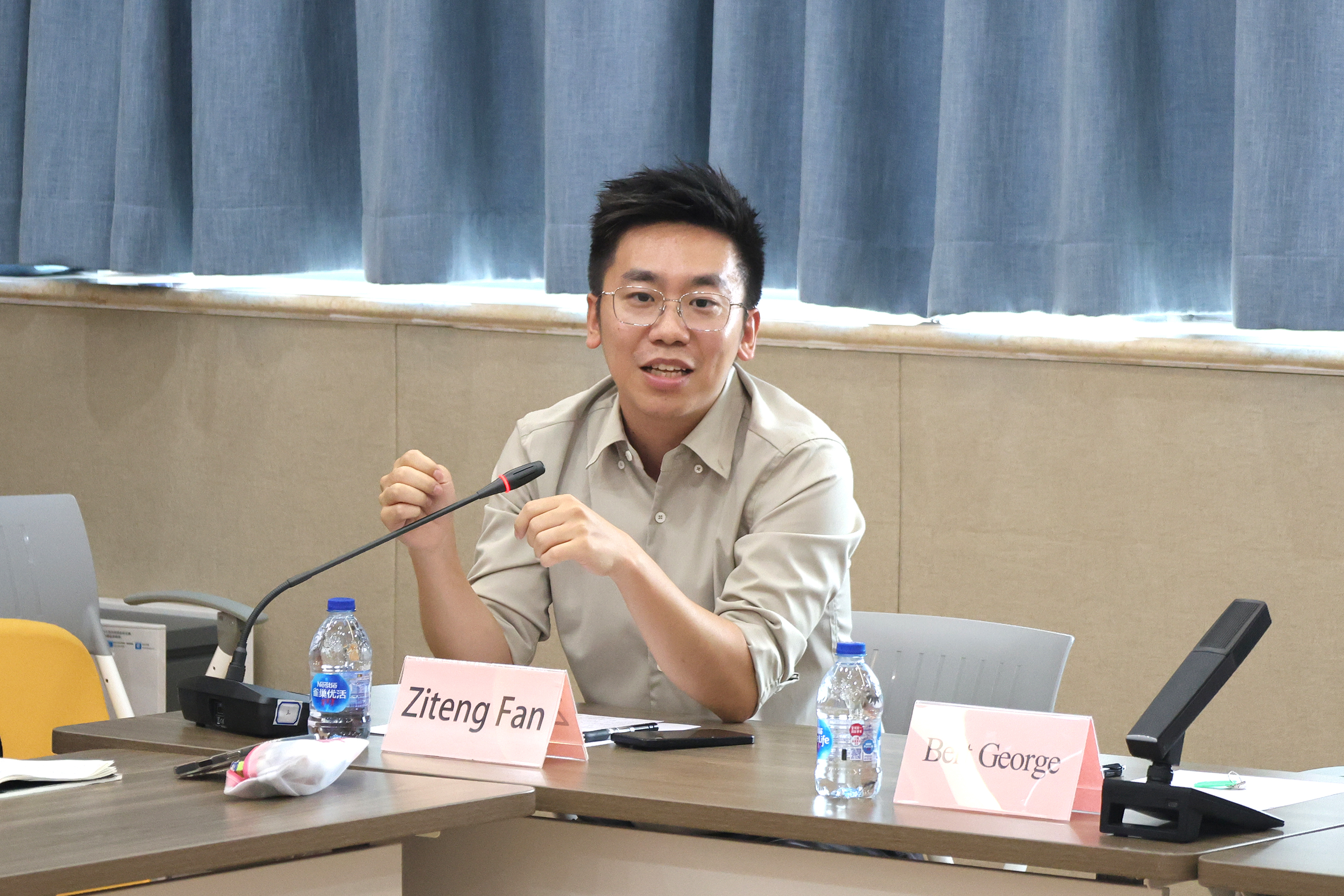
During the commentary session, Associate Professor Fan commended Professor George’s lecture for its thoroughness and breadth, noting that it provided an exemplary academic model for students and faculty. He further emphasized the significance of strategic planning in public administration research and practice, encouraging attendees to draw inspiration from Professor George’s work to deepen and innovate their own research.
During the Q&A session, participants engaged with Professor George on a range of cutting-edge topics, including environmental factors. The discussion featured diverse perspectives and thoughtful debate, creating an engaging and intellectually experience for all attendees.
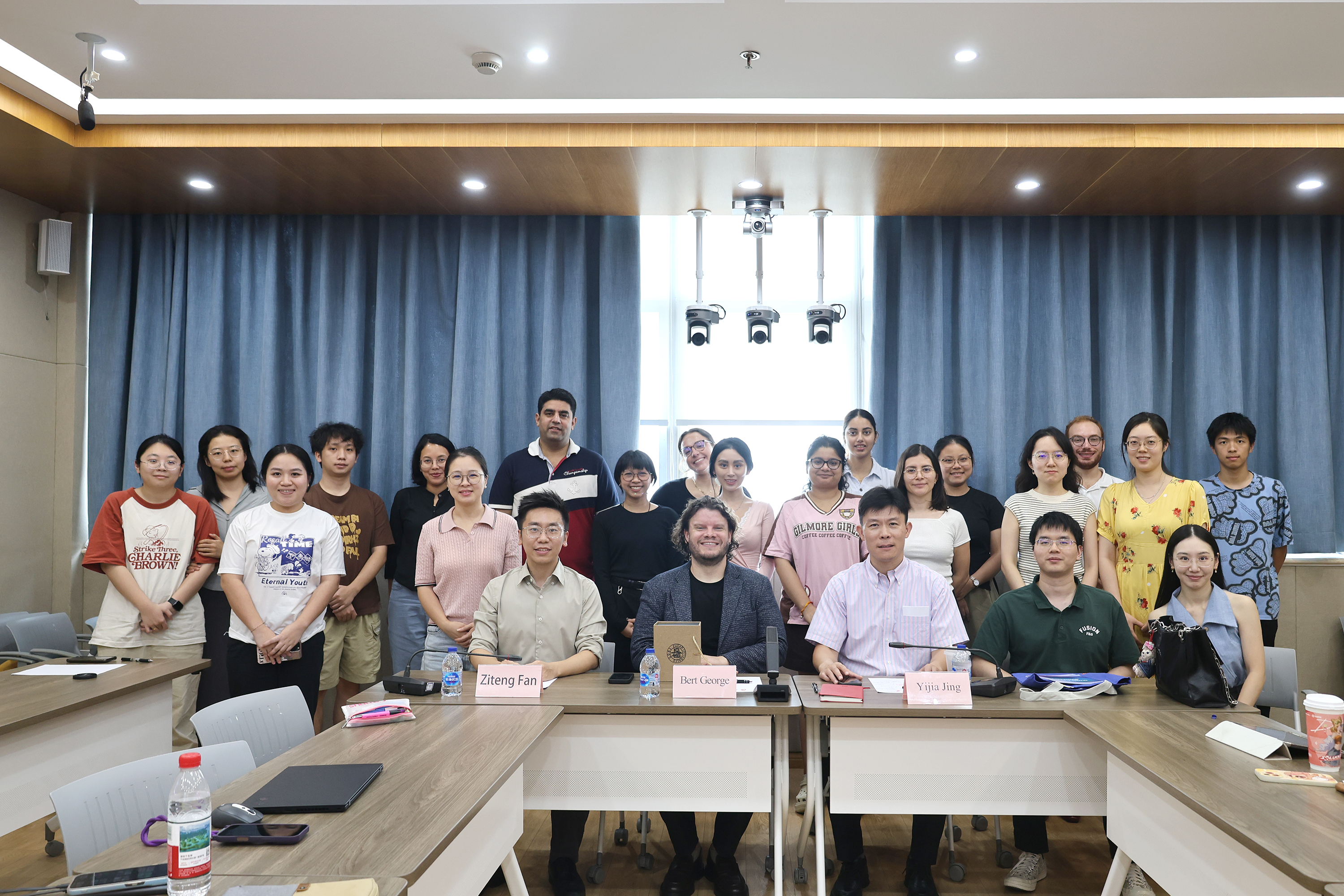
After the lecture, Professor Jing presented a commemorative gift to Professor George. The event concluded with a group photo of the faculty and students.