News


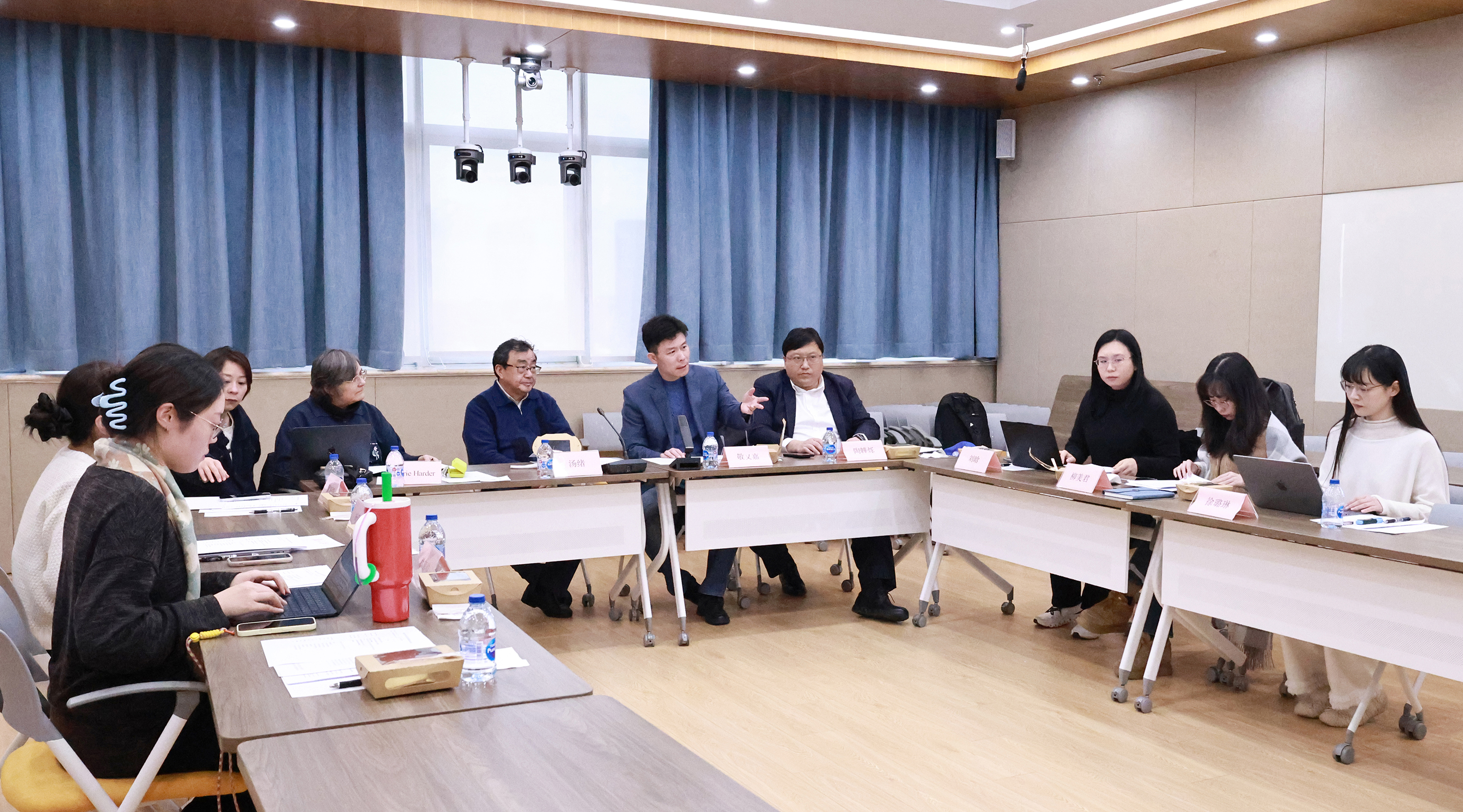
On December 30, 2025, the Institute for Global Public Policy (IGPP) at Fudan University hosted the launch meeting of the interdisciplinary research team on “Global Governance Mechanisms of International Big Science Programs and China’s Pathways for Participation.” The meeting brought together key participants, including Dean Yijia Jing of IGPP; Professor Xu Tang of the Fudan Development Institute; Professor Marie Harder from the Department of Environmental Science and Engineering; Deputy Director Weishuo Tao of the Publicity Department of the CPC Fudan University Committee; Postdoctoral Fellow Dr. Yanyan Huang of the Department of Environmental Science and Engineering; Dr. Han Liu from the Human Phenome Institute; and IGPP scholars Associate Professor Meijun Liu, Assistant Professor Xin Ye, Postdoctoral Fellow Dr. Lulin Xu, and PhD student Jiayi Lin. The discussion focused on international big science programs, mechanisms of global scientific cooperation, and potential pathways for China’s active participation.
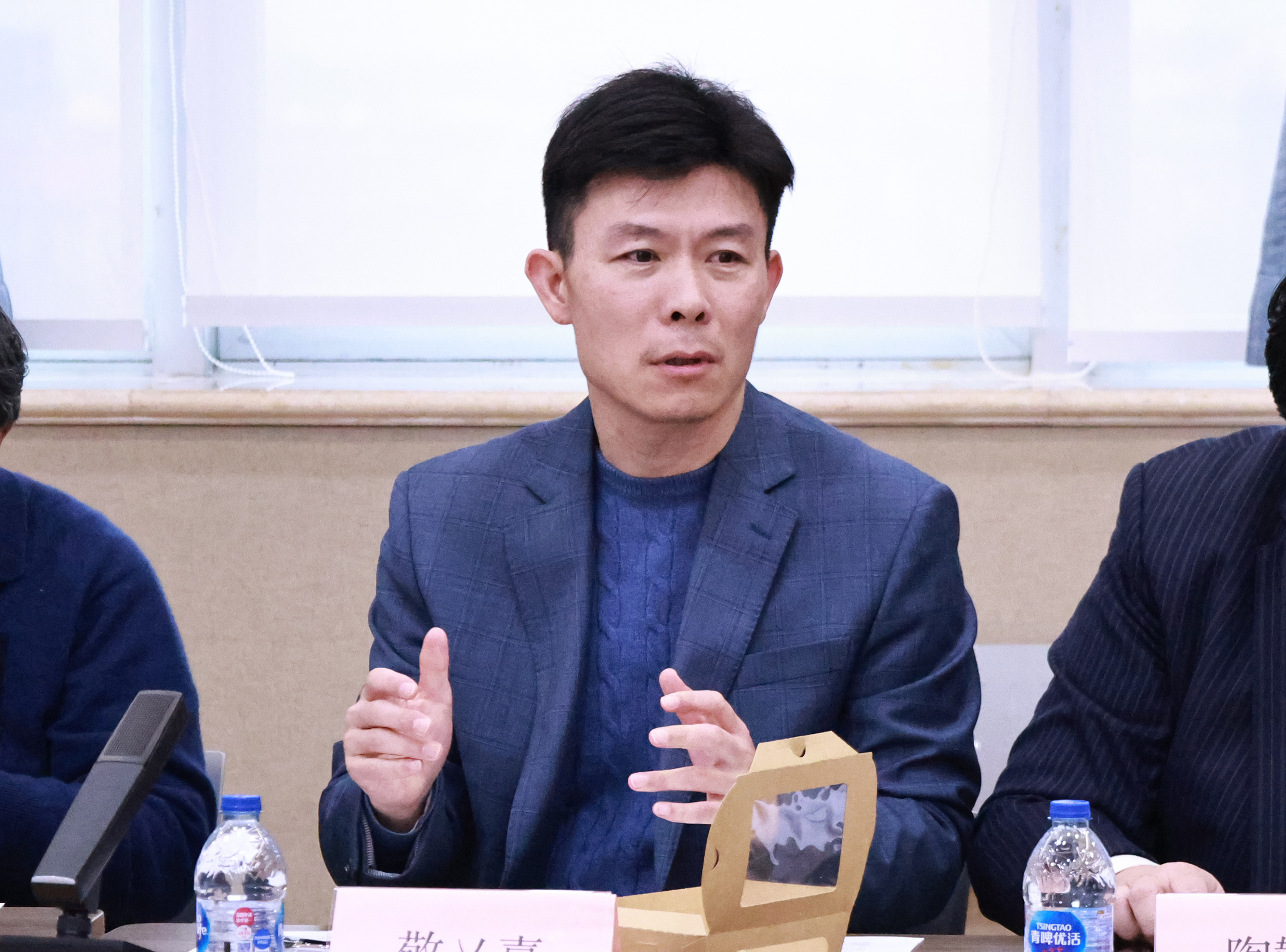
At the opening, Dean Jing welcomed participants and introduced the background and research framework of the interdisciplinary team. Jointly initiated by Dean Jing and Professor Mei Tian from the Human Phenome Institute and approved as a university-level project, the team brings together scholars from policy science, engineering, and other fields. Against the backdrop of rapid adjustments in the global landscape of scientific and technological cooperation, the team aims to conduct systematic research on the organizational forms and governance mechanisms of international big science programs. Leveraging interdisciplinary strengths, the research will focus on rules and their evolution, ongoing power shifts, and governance innovation, while providing targeted policy recommendations.

PhD student Jiayi Lin then presented the team’s preliminary work on mapping international big science programs. She outlined approach to defining such programs and reported on progress in data collection. Through preliminary analysis, she noted significant variation among programs in their founding contexts and governance models. The team plans to expand the sample and conduct more systematic comparative research on organizational structures and operational mechanisms.
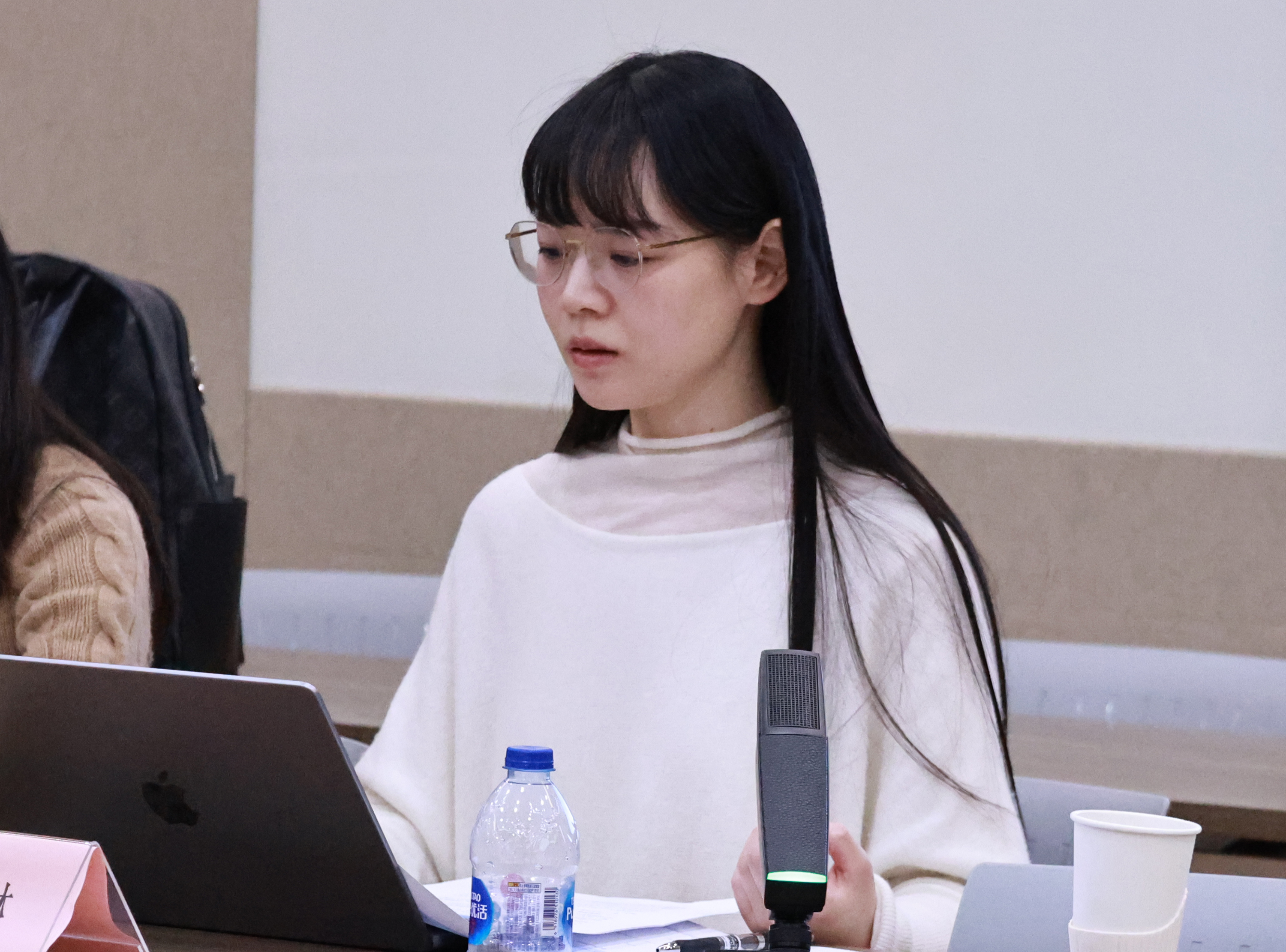
Dr. Xu delivered a presentation on the theme of Trends in Advancing International Big Science Programs amid U.S. Policy Volatility and China’s Policy Responses. Drawing on recent shifts in U.S. science and technology policy, she analyzed emerging uncertainties in cooperation rules and data governance. She proposed policy considerations aimed at enhancing project stability, improving institutional arrangements, and expanding diversified partnerships, offering useful reference points for China’s engagement in international big science programs.
Participants then exchanged views on future research directions and potential pathways.
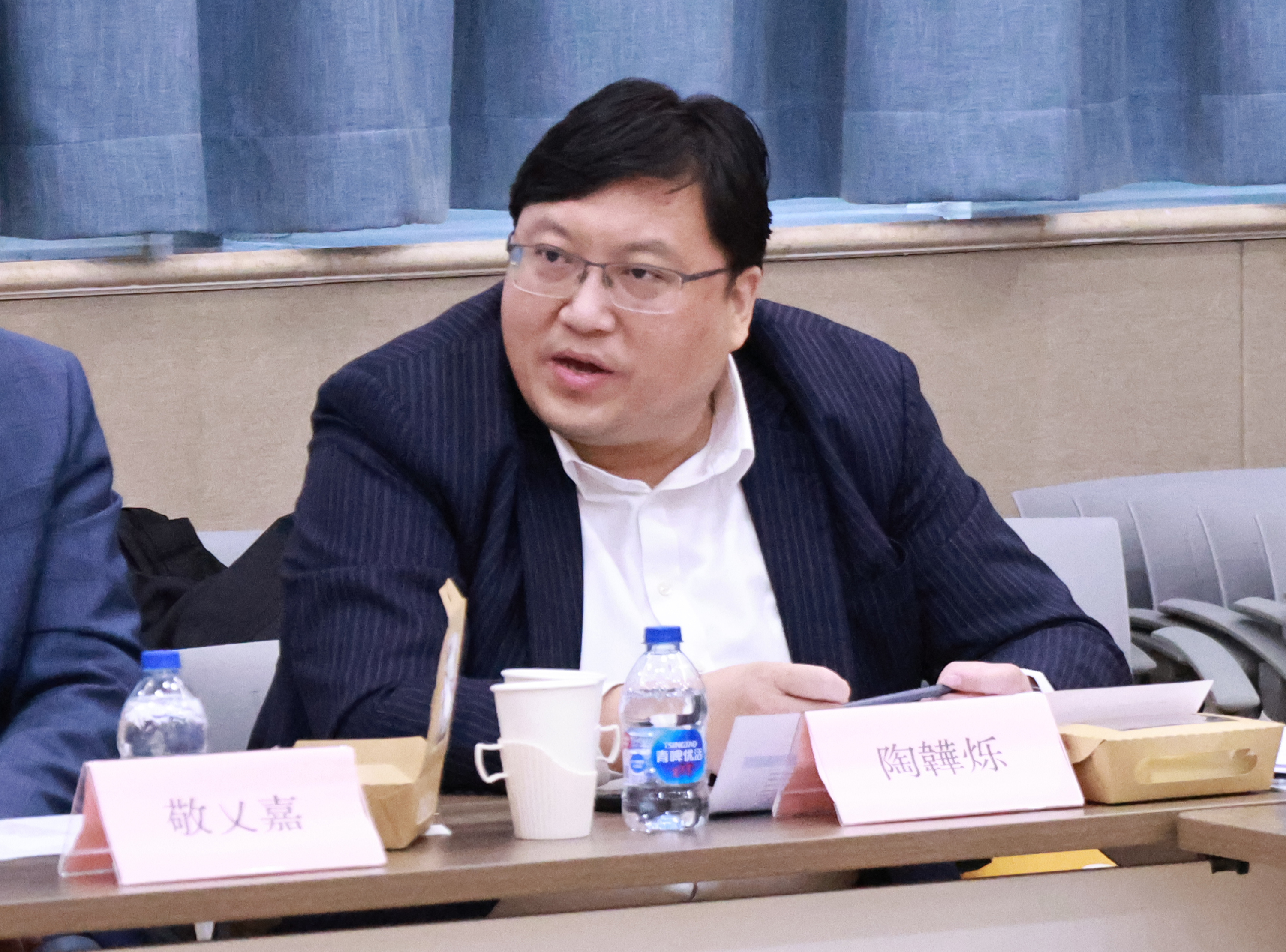
Deputy Director Tao emphasized the importance of clearly distinguishing international big science programs from large-scale scientific and engineering projects in order to avoid conceptual and analytical confusion. He suggested conducting comparative analyses of institutional characteristics and governance logics across different disciplines, noting that international big science programs are increasingly becoming multi-centered and diversified in their modes of cooperation, which in turn presents new governance challenges as well as research opportunities.

Professor Tang highlighted the diversity of organizational forms and operational logics among international big science programs, suggesting that multilateral mechanisms, regional cooperation, and discipline-driven initiatives should be analyzed separately. He proposed a “dual-track” approach for China that combines the advancement of China-led programs and projects with sustained participation in international multilateral and regional cooperation, alongside systematic study of the EU’s research infrastructure governance experience.
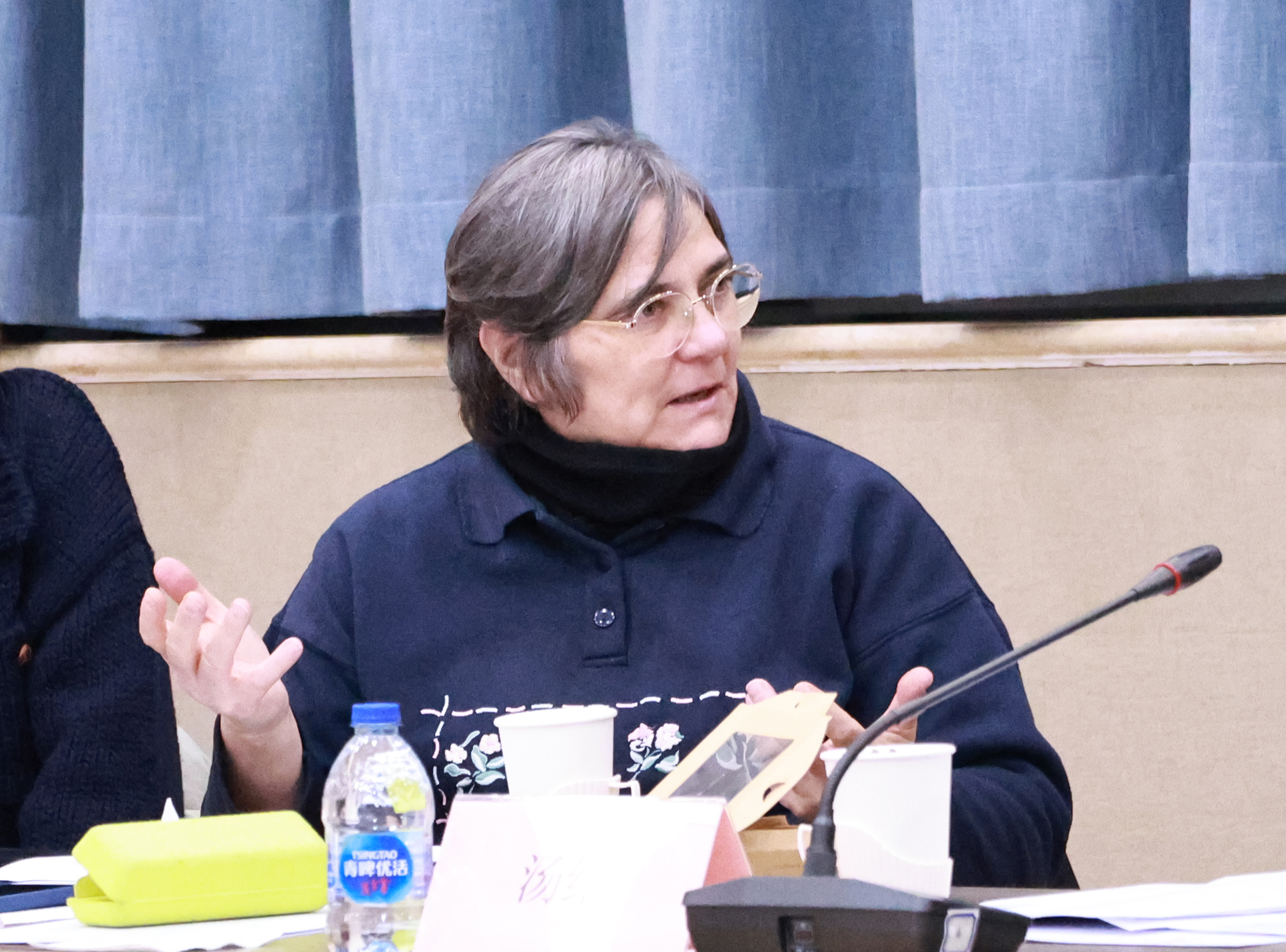
Professor Harder emphasized that the success of international big science programs depends not only on top-level design but also on effective internal governance and implementation mechanisms. She underscored the importance of clear responsibility allocation, defined deliverables, and regular evaluation, and recommended comparative analyses of both successful and stalled projects to deepen understanding of governance dynamics.

Dr. Liu emphasized data governance as a key practical constraint on international big science programs. While restrictive rules governing data flows are relatively well defined, supportive and operational regulations remain underdeveloped, hindering effective data sharing. She called for closer attention to institutional frictions in policy implementation and for exploration of feasible pathways to facilitate cross-border data mobility.

Associate Professor Liu proposed methodological enhancements, advocating greater use of data-driven and quantitative approaches to strengthen the study’s empirical foundations. She recommended integrating policy documents, academic literature, and facility usage data to examine policy environments and track changes in international research collaboration networks.
In the final session, participants discussed how the interdisciplinary research team could support the development of professional master’s programs in public policy. They proposed exploring interdisciplinary training models oriented toward careers in international organizations and global governance, combining foundational training in public policy with domain-specific expertise through cross-school collaboration and dual-degree programs.
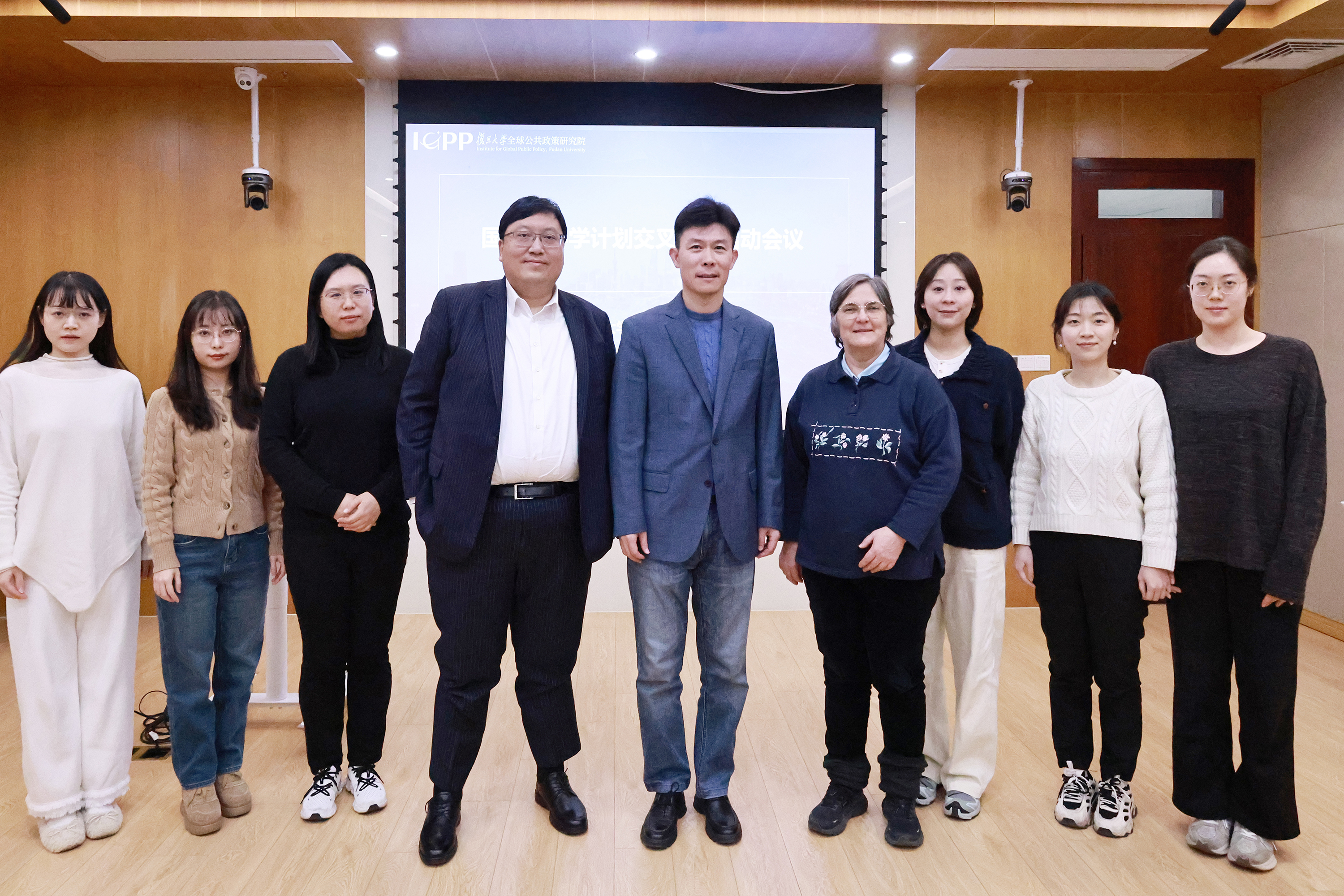
Overall, the meeting facilitated comprehensive exchange on research frameworks, project mapping, policy analysis, future directions, and talent development related to international big science programs, laying a solid foundation for the systematic advancement of the interdisciplinary research team.