News


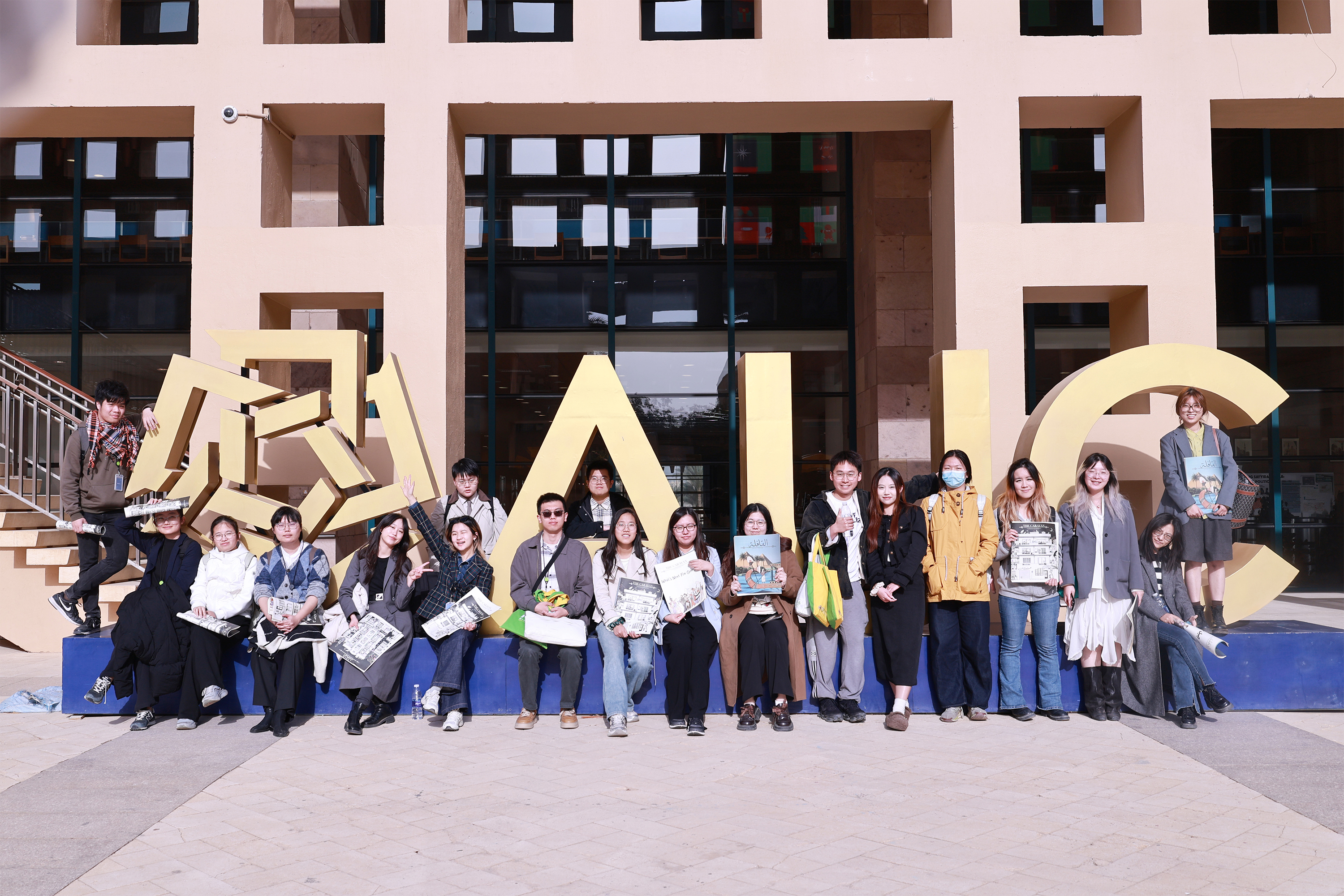
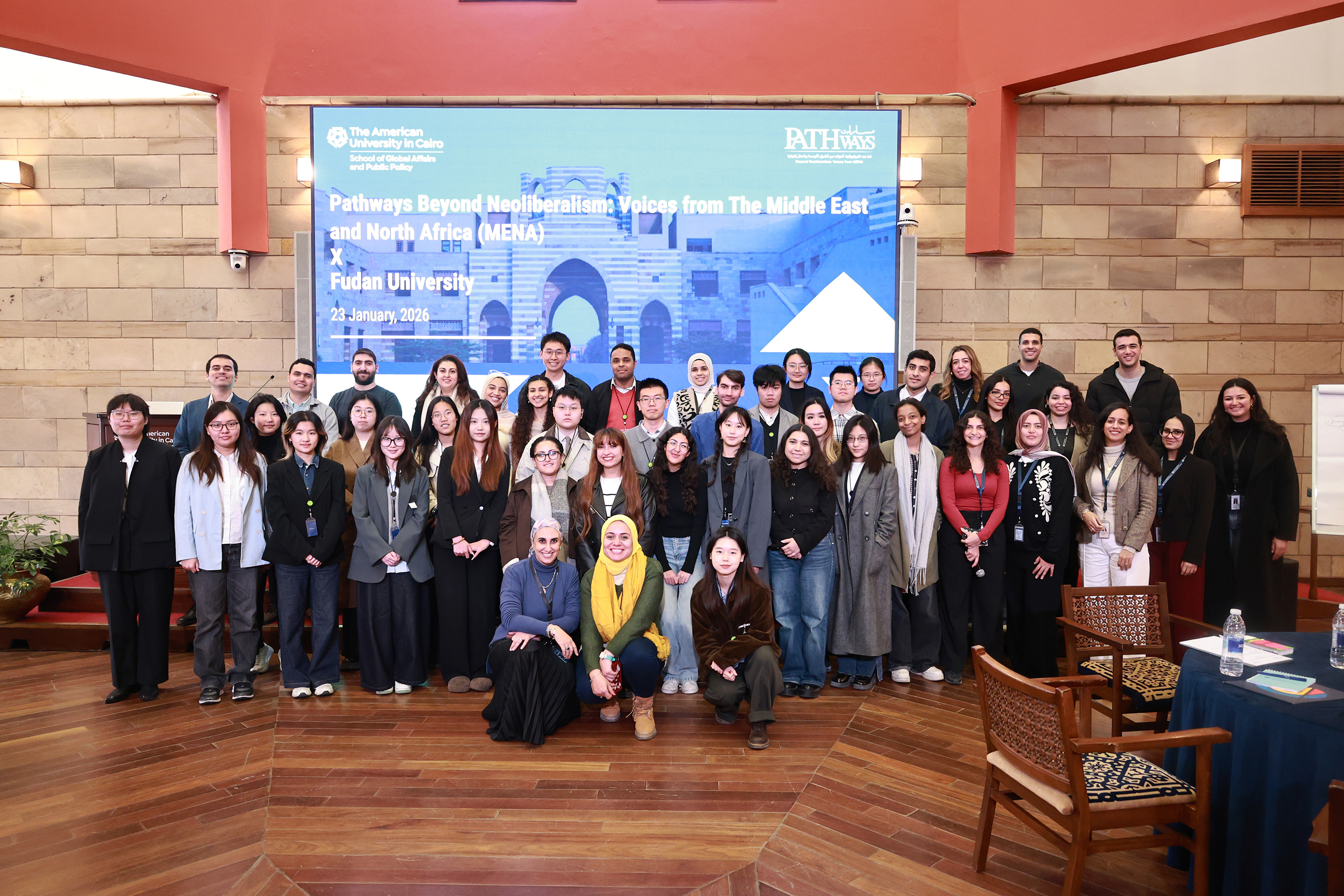
From January 23 to 24, 2026, the inaugural China–Egypt University Students Dialogue on Culture and Global Governance was held at The American University in Cairo. Jointly organized by the Institute for Global Public Policy (IGPP) at Fudan University and the School of Global Affairs and Public Policy at The American University in Cairo, the event formed an integral part of the 2026 Fudan–Arab League Excellence Internship Program. More than 40 university students from China and Egypt participated. Under the theme “Pathways Beyond Neoliberalism: Voices from the Middle East and North Africa,” the dialogue combined academic discussion and cultural exchange to promote deeper mutual understanding and to explore the role and responsibilities of youth in global governance.
From Development Agendas to Cooperation Frameworks
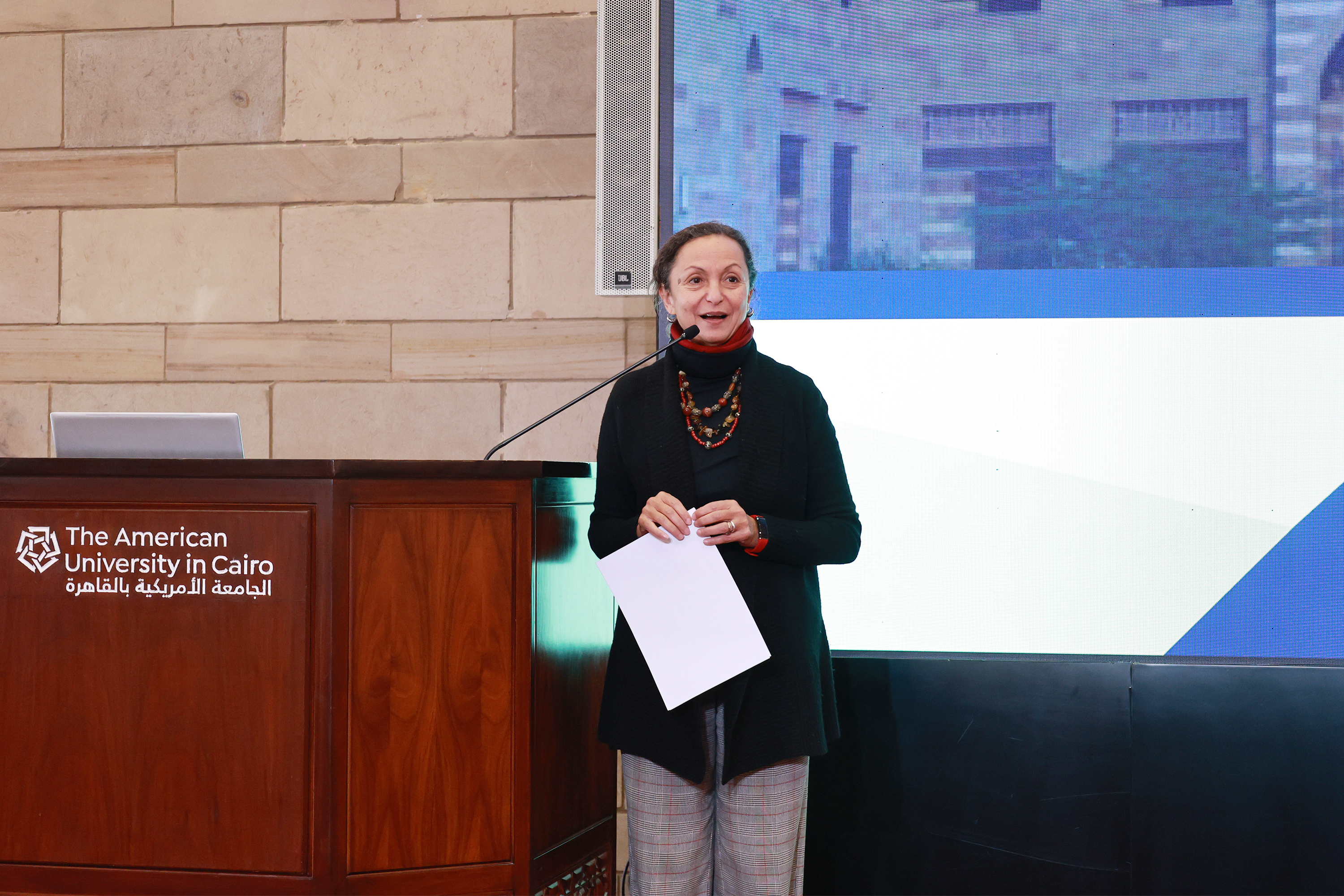
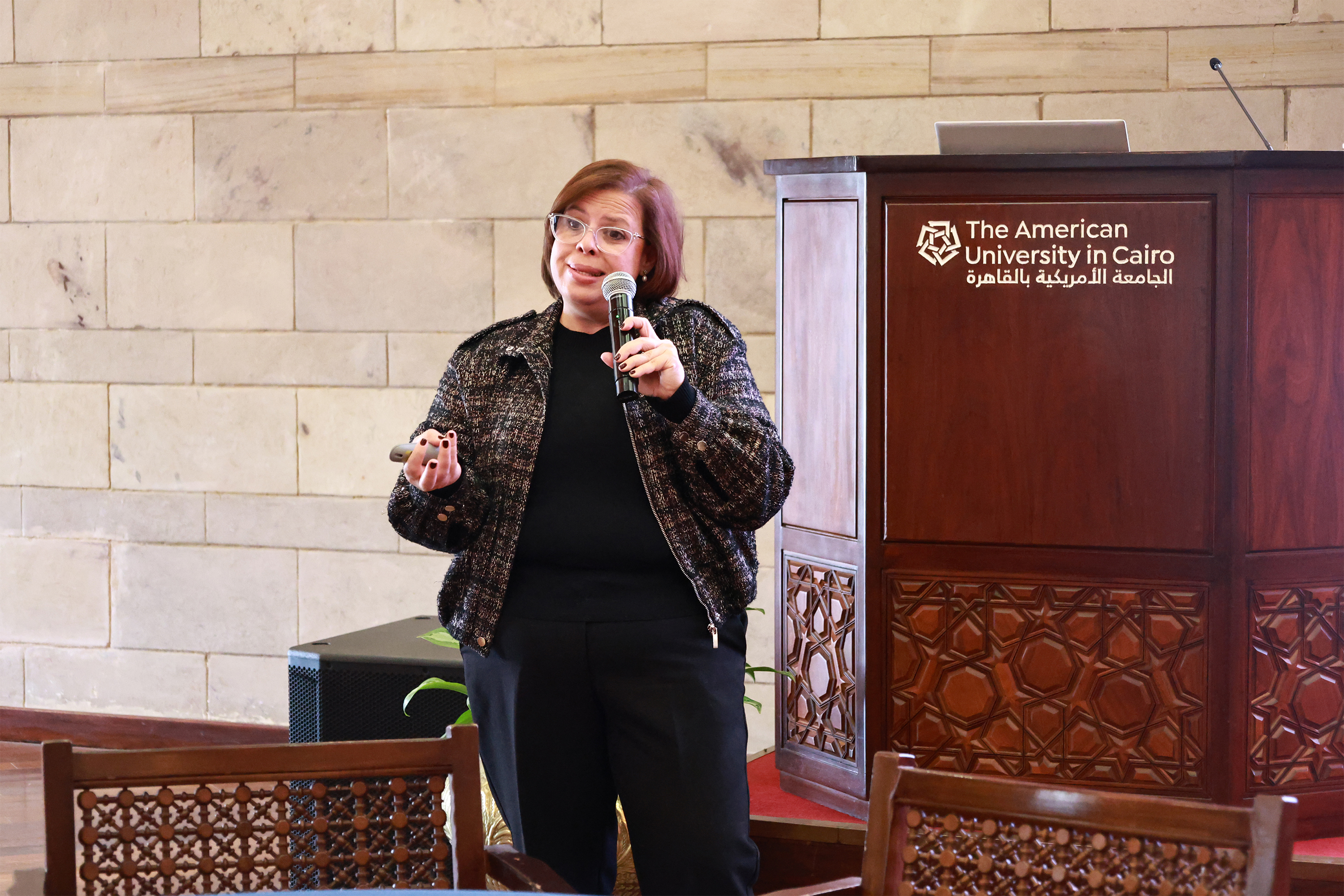
At the opening ceremony, Dean Noha El-Mikawy delivered welcoming remarks. She introduced the school’s teaching and research in public policy, global affairs, and South–South cooperation, encouraging students to actively engage in discussion, raise critical questions, and deepen mutual understanding through diverse perspectives.
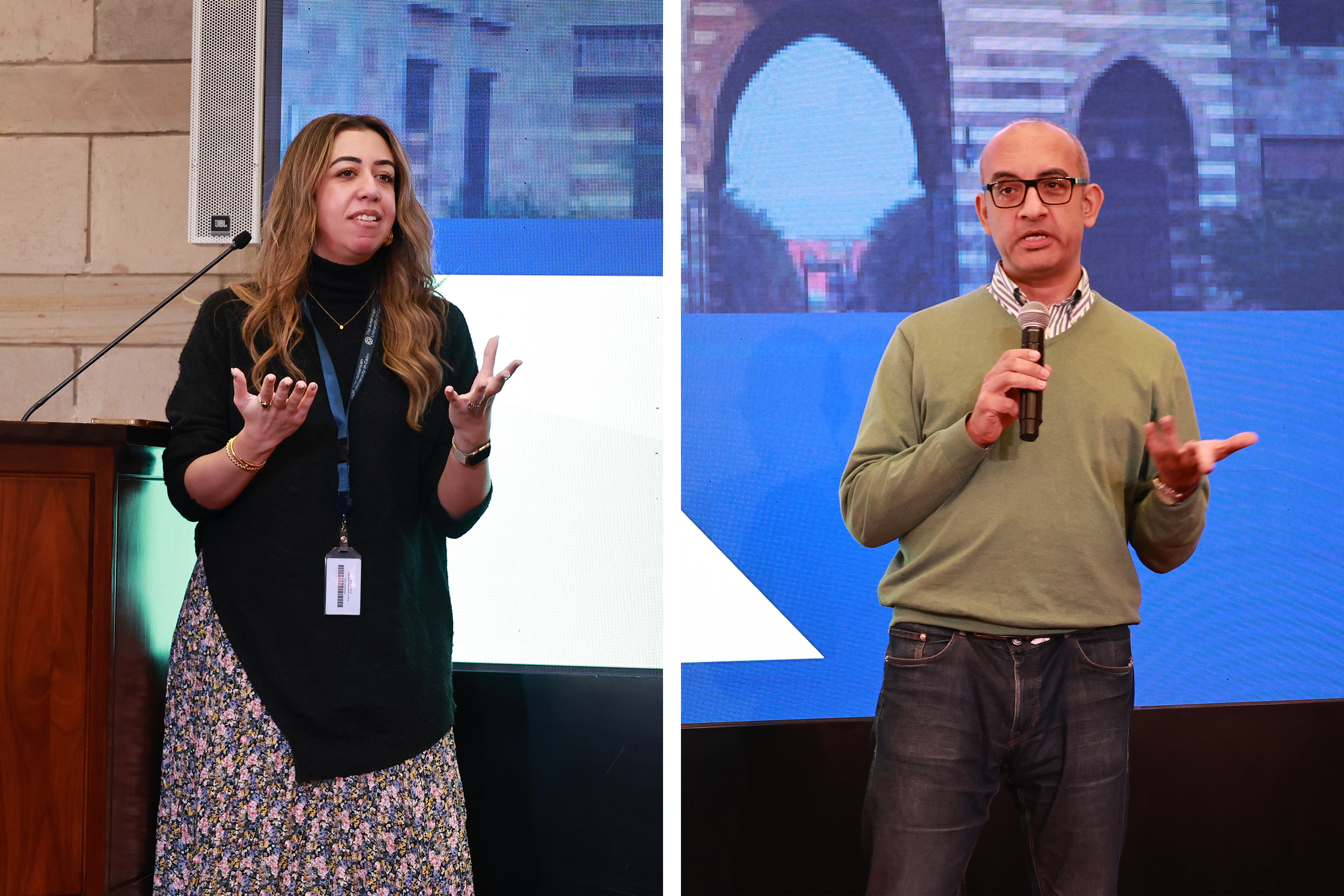
Dr. Ingy Hegazi delivered a keynote address on development pathways beyond neoliberalism, outlining the structural challenges faced by countries in the Global South. Dr. Mohamed Fahmy Menza followed with a lecture on BRICS+ from a Middle East and North Africa perspective, beginning with the fundamental question of how development should be defined. Chinese and Egyptian students engaged in lively exchanges on industrialization, energy transition, and urban governance, sharing insights across disciplinary and national boundaries.
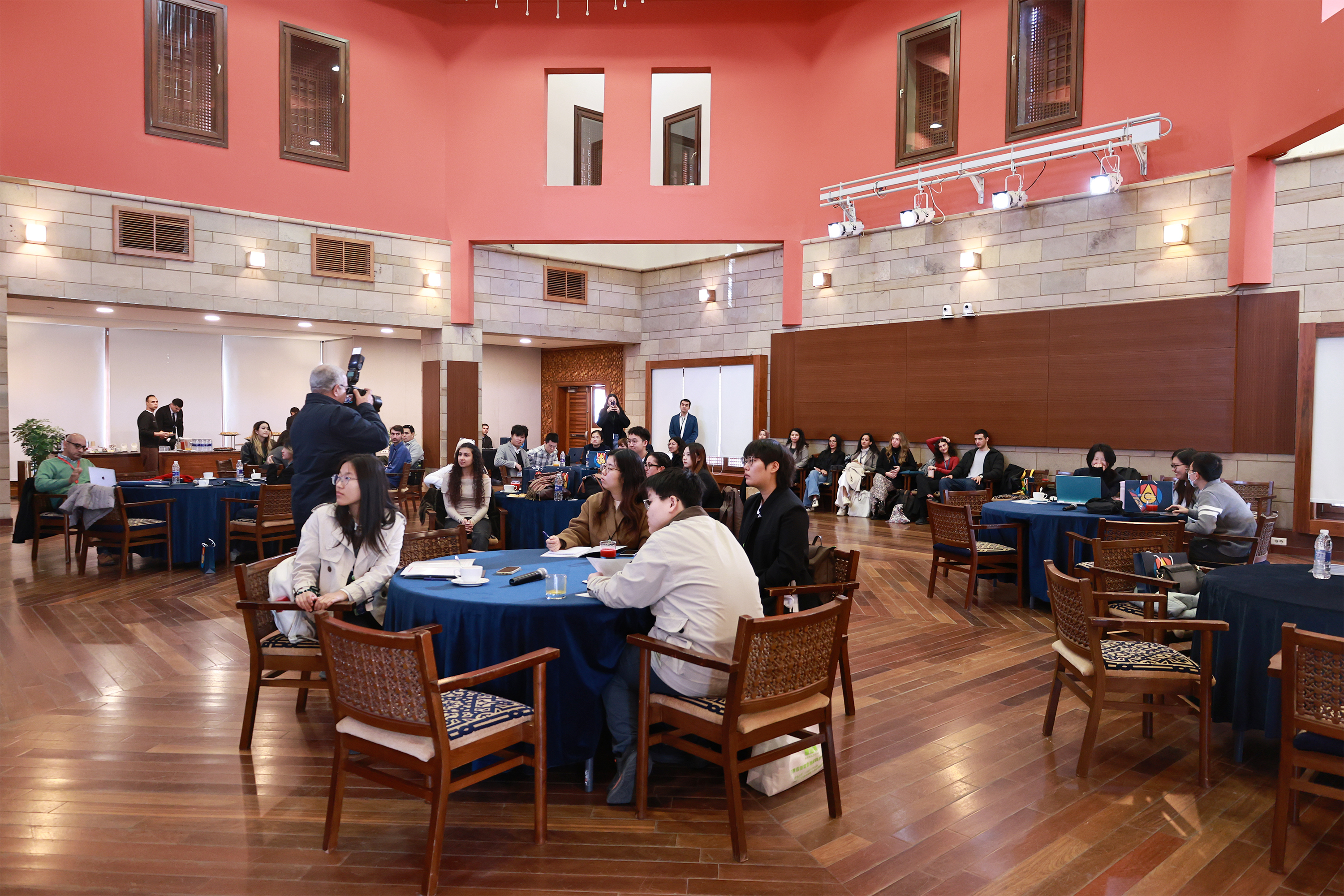
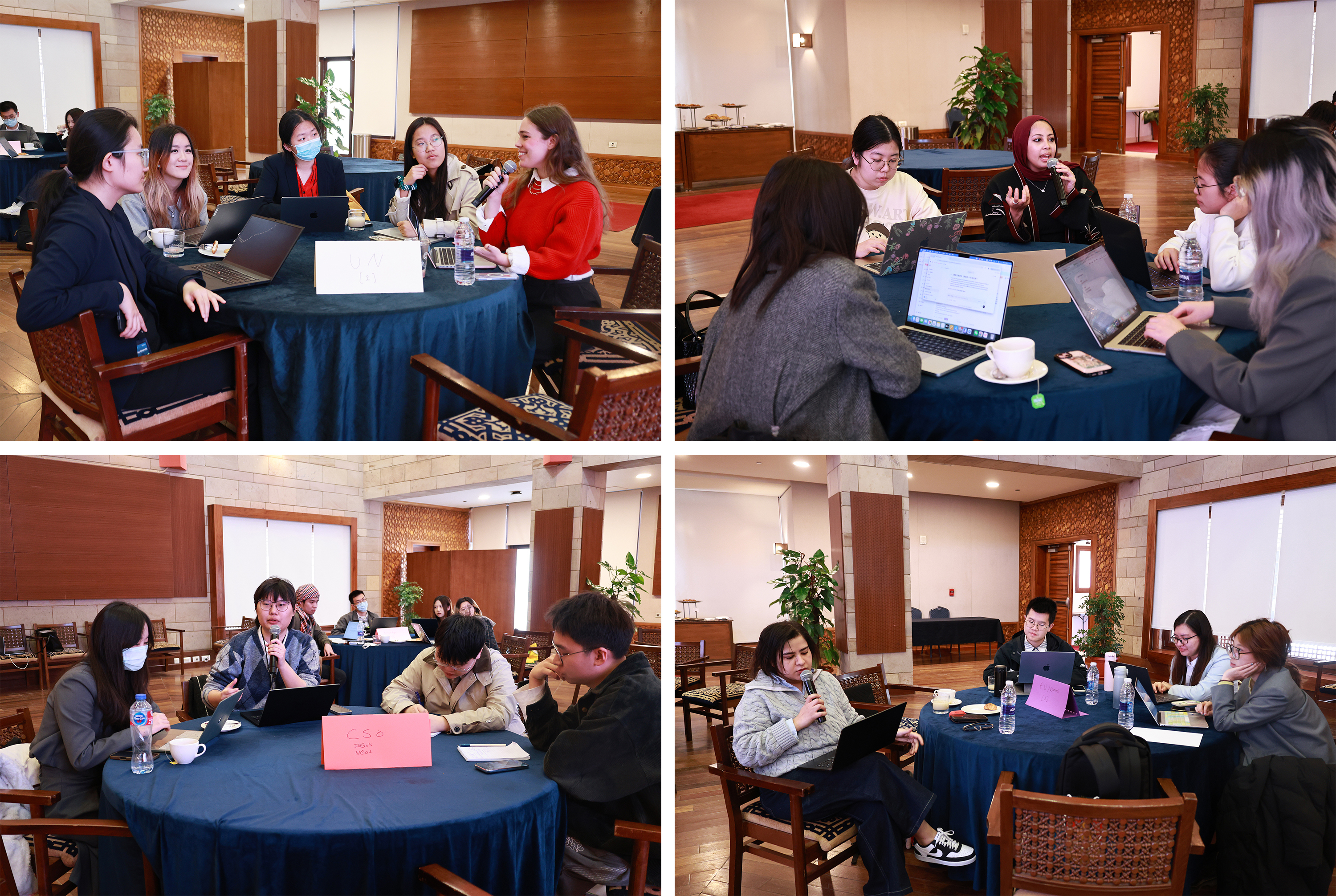
During the workshop session, students worked in groups to design practical frameworks for China–Middle East cooperation. Discussions covered cultural exchange and digital technology collaboration. Proposals included establishing Chinese cultural centers, advancing the digitalization of Egyptian cultural heritage, and promoting cooperation in 5G infrastructure and AI. The group presentations reflected both creativity and policy awareness, highlighting the multidimensional potential of China–Egypt cooperation.

Focusing on Regional Issues and International Governance
On January 24, discussions turned to regional realities and international governance, with three lectures addressing refugee policy, geopolitics, and public international law.
Dr. Sara Sadek presented an overview of Egypt’s refugee history and policy evolution, tracing developments from the arrival of Eastern European refugees in the 1950s to the recent influx of Sudanese refugees. Students debated whether refugees constitute a burden or an opportunity, examining fiscal pressures, labor market dynamics, entrepreneurial potential, and policy design strategies aimed at transforming challenges into development opportunities.
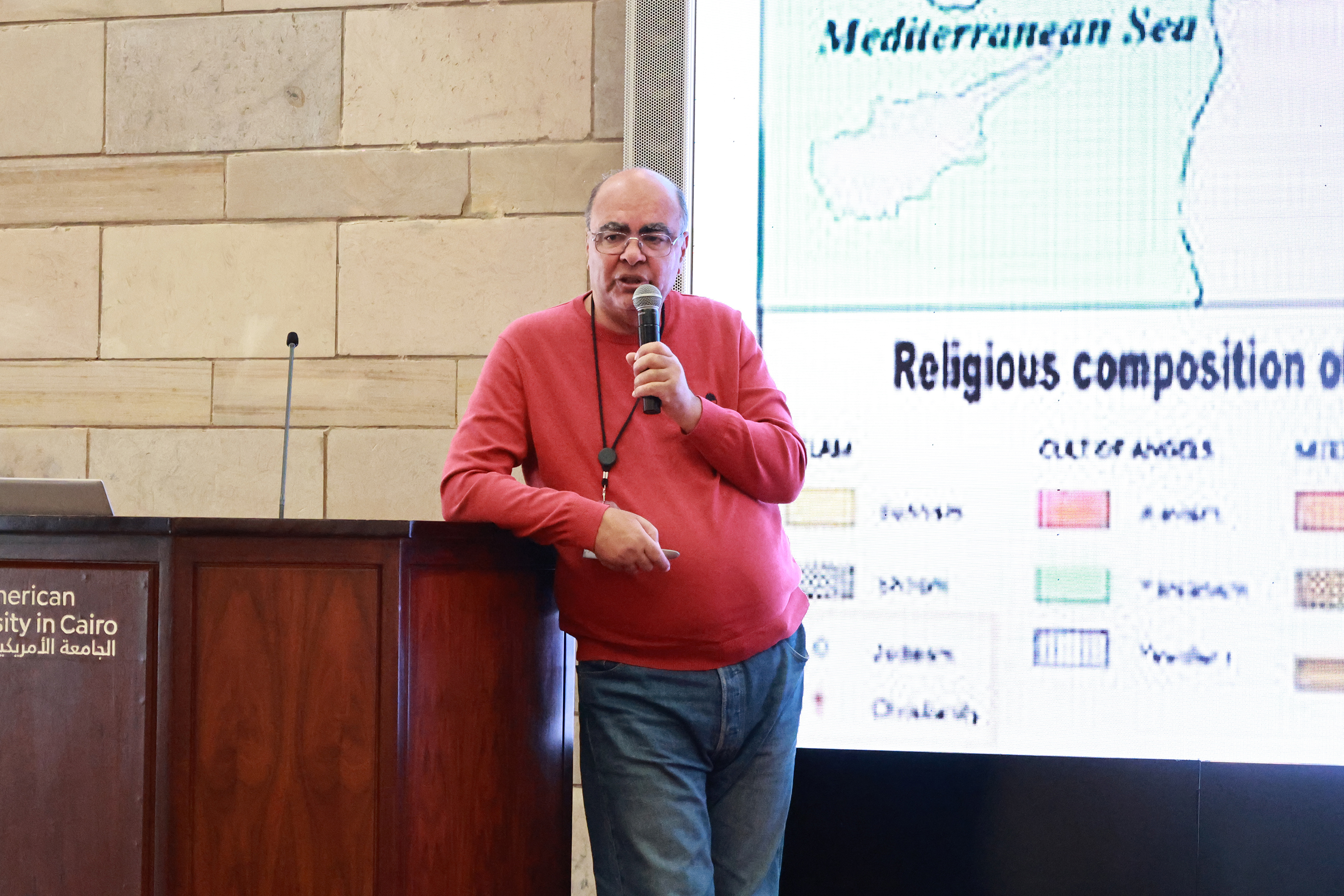
Dr. Mohamed Al-Hadidi analyzed geopolitical transformations in the Middle East and North Africa, emphasizing the region’s cultural and religious commonalities, strategic geographic position, energy resources, and military dynamics.
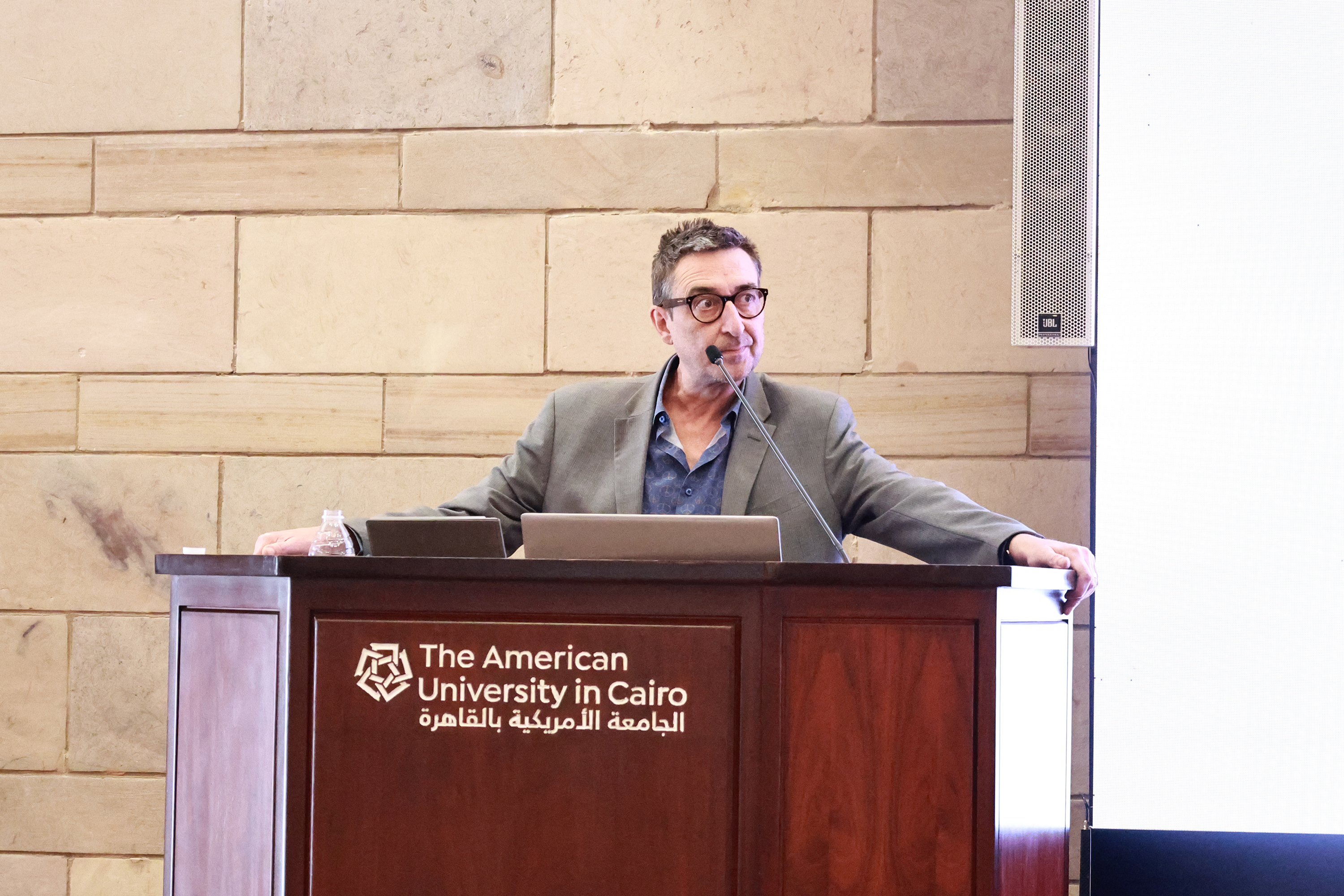
In his lecture, “Harry Potter and the Machine of Greed: Reflections on Public International Law,” Dr. Jason Beckett explored both the theoretical foundations and practical constraints of international law. He observed that while international law establishes normative frameworks governing war, human rights, and trade, its implementation is frequently shaped by power asymmetries and disparities in state capacity.
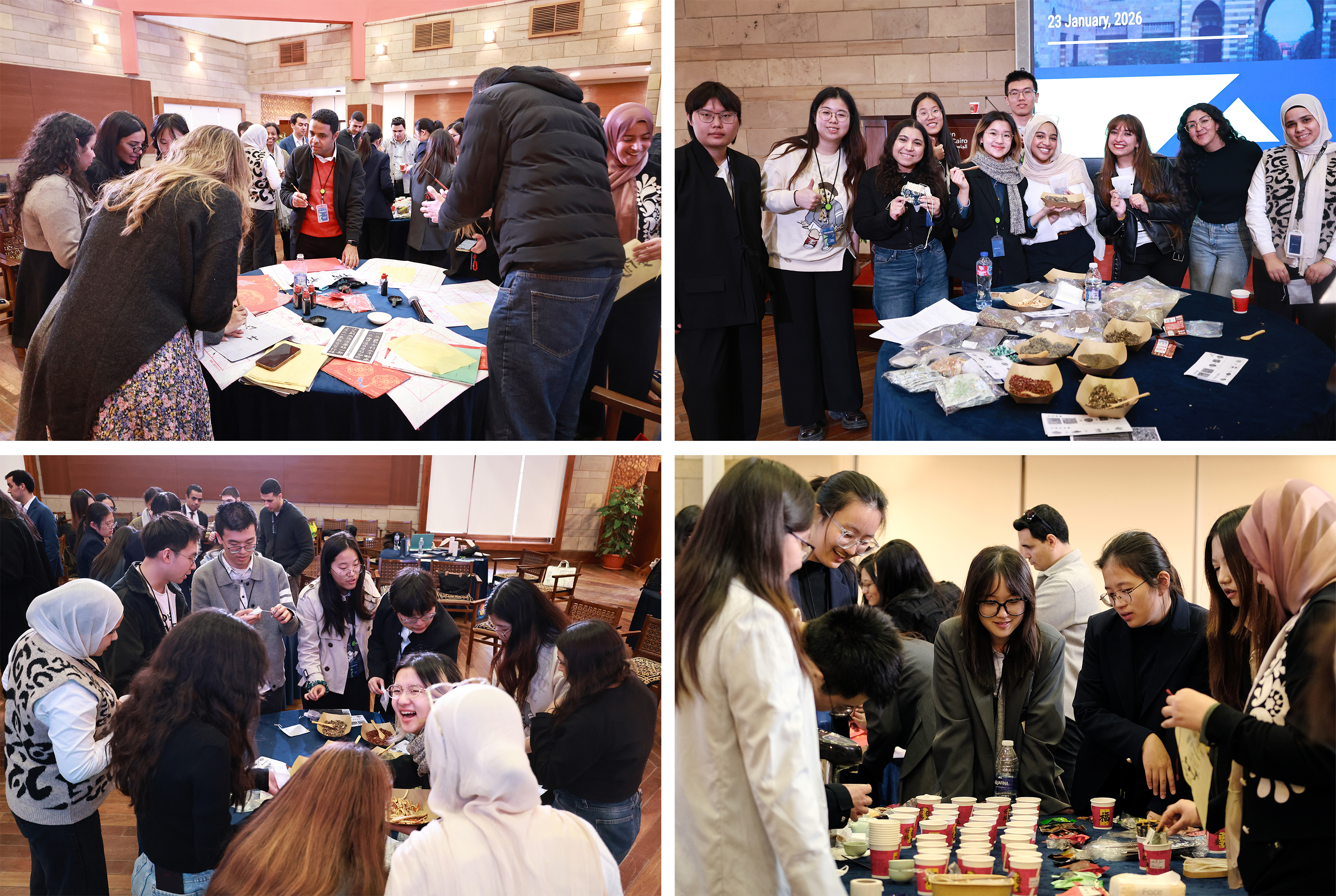
Cultural exchange formed an essential component of the dialogue. Chinese students organized interactive sessions on traditional Chinese medicine, tea culture, and calligraphy. Participants prepared herbal sachets designed to promote relaxation and prevent colds, sampled a variety of Chinese teas while learning about brewing techniques and health benefits, and received handwritten Chinese names and festive greetings—gaining insight into the cultural meanings embedded in Chinese characters.
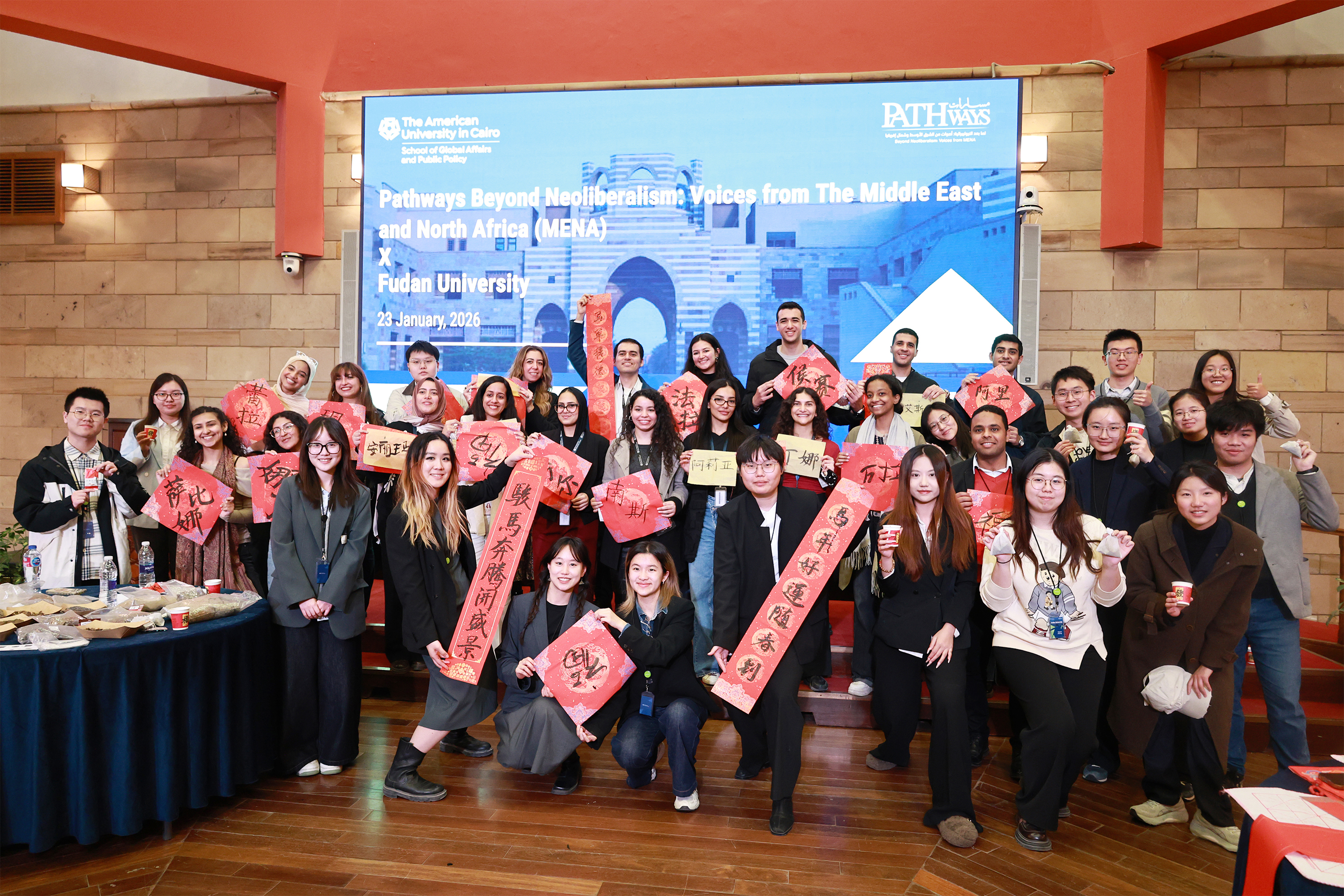
As a key component of the 2nd Fudan–Arab League Excellence Internship Program, the dialogue enabled Chinese and Egyptian youth to deepen understanding through dialogue and build consensus through reflection. It injected youthful vitality into bilateral cooperation and strengthened people-to-people ties between China and the Arab world. Looking ahead, the program will continue to draw on the resources of the League of Arab States and partner universities to promote sustained exchanges among Chinese, Egyptian, and Arab youth—encouraging more young people to become ambassadors of intercivilizational dialogue and active contributors to global governance.