Events


On March 2, 2026, the Fudan Institute for Global Public Policy (IGPP) hosted the 11th lecture of the Fudan–Nordic Lecture Series. Professor Hanna Snellman from the University of Helsinki delivered a lecture titled “Cycle of Knowledge: What Can We Learn from the Mass Migration from Finland to Sweden.” The session was chaired by Dean Yijia Jing of IGPP, with Associate Professor Meijun Liu serving as discussant.
Professor Snellman currently serves as Vice Rector and Professor of European Ethnology at the University of Helsinki and previously held the position of Dean of the Faculty of Humanities. Her research focuses on migration and ethnography, particularly the large-scale migration from Finland to Sweden following World War II. In her leadership role, she oversees international affairs and actively promotes global academic cooperation and societal engagement in higher education.
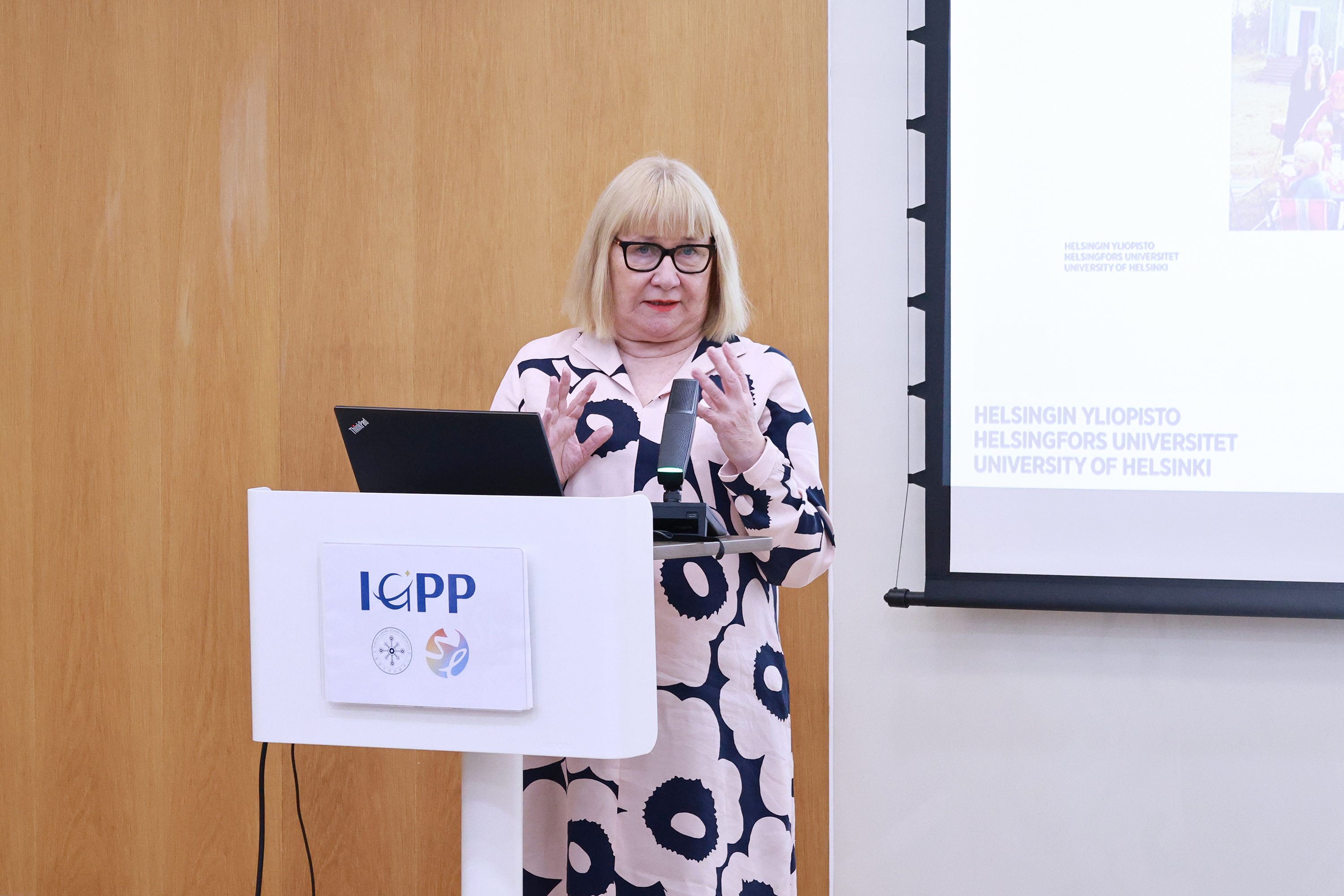
At the outset of the lecture, Professor Snellman examined the mass migration from Finland to Sweden during the 1960s and 1970s. She highlighted how linguistic differences, along with the contrast between rural and industrial ways of life, created significant challenges for cultural adaptation and identity formation. Drawing on in-depth interviews with more than 50 migrants, she reconstructed their life trajectories, tracing their journeys from rural northern Finland to industrial Sweden. Methodologically, she reflected on the issue of researcher bias, emphasizing the importance of research ethics, anonymity, and preserving participants’ voices—particularly when studying minority populations and transnational migration.
From both theoretical and policy perspectives, Professor Snellman identified three key insights. First, she argued that equal opportunity is itself a vital social asset. In the 1960s, northern Finland offered only basic education, limiting access to further schooling for women and children from low-income families. Educational reforms in the 1970s introduced comprehensive schooling and expanded access, laying the groundwork for Finland’s later educational achievements. Second, she emphasized that “it is never too late to study,” noting that lifelong learning can significantly reshape individual life trajectories. Many migrants with only six or seven years of formal education pursued further studies through Sweden’s adult education system, with some eventually becoming scholars or professionals. Third, she underscored that migration can be mutually beneficial: Sweden’s industrial growth relied on Finnish labor, while returning migrants brought back skills and experience to Finland, fostering a circulation of knowledge and human capital.
Building on these insights, Professor Snellman connected her research to her experience as a university administrator. She explained that the University of Helsinki places strong emphasis on diversity, equity, and inclusion, while maintaining merit-based admissions and hiring practices without quotas. At the same time, the university expands access to education through its Open University system, which offers affordable learning opportunities to those who are not formally admitted. It also promotes global academic mobility through multilingual communication and international recruitment strategies. She argued that universities should function as hubs for knowledge circulation and transnational collaboration, maintaining openness in an increasingly competitive global talent landscape.
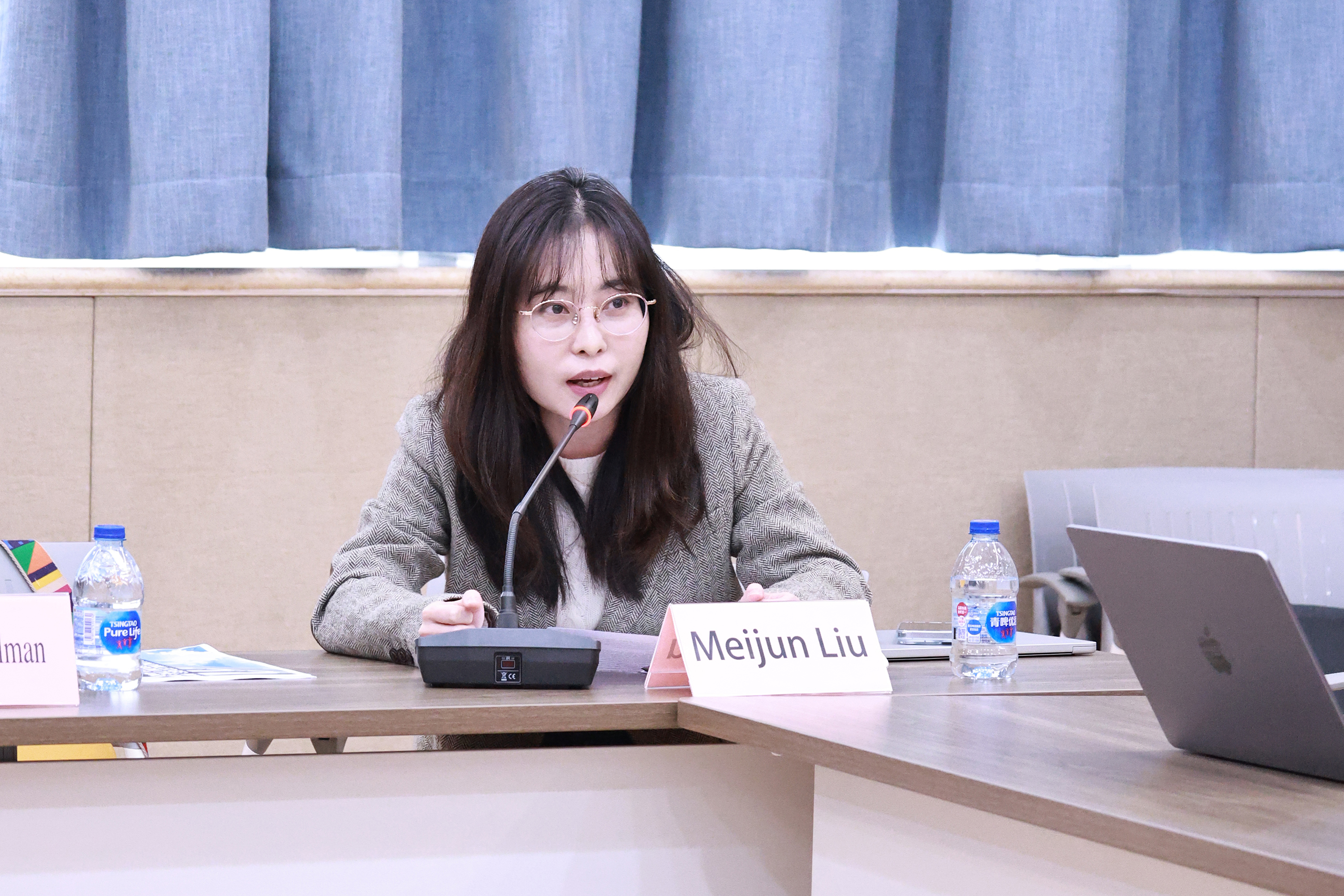
In her remarks, Associate Professor Liu noted that Professor Snellman’s lecture resonated with her own research on the international mobility of Chinese scientists. She raised the question of how universities can better support returning scholars and those pursuing academic careers abroad. In response, Professor Snellman emphasized the importance of understanding institutional and research environments, arguing that effective university governance should strengthen international collaboration networks and cultivate an open academic climate that fosters a sustained sense of belonging among scholars.
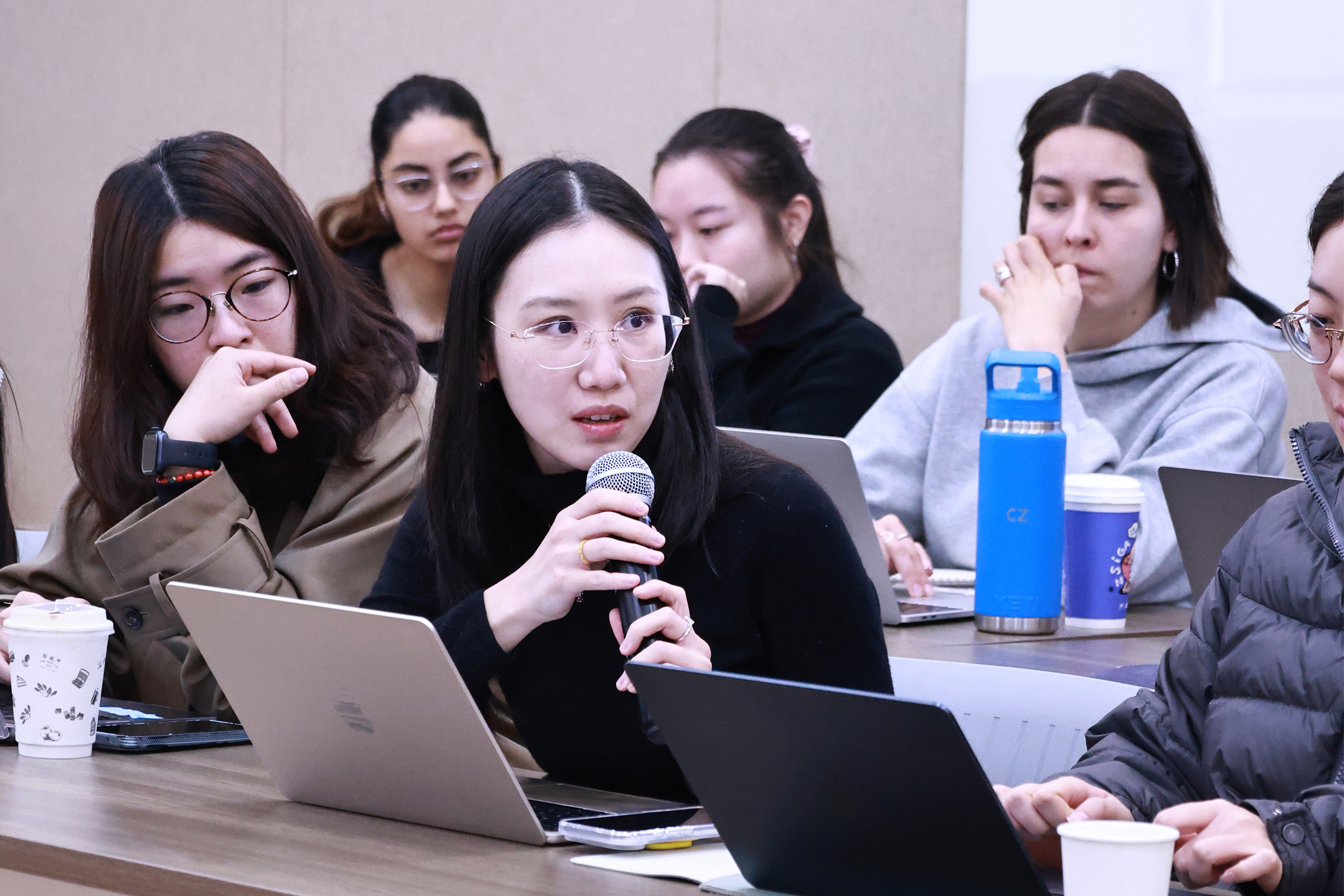
During the Q&A session, faculty and students engaged in discussions on topics such as migration policy and demographic change. Professor Snellman observed that although Finland has sought to attract skilled migrants in response to population aging, policy implementation continues to reflect tensions between openness and restriction. She concluded that, whether in the context of historical labor migration or contemporary scientific mobility, the central challenge lies in building institutional frameworks that balance efficiency and equity, as well as mobility and stability.
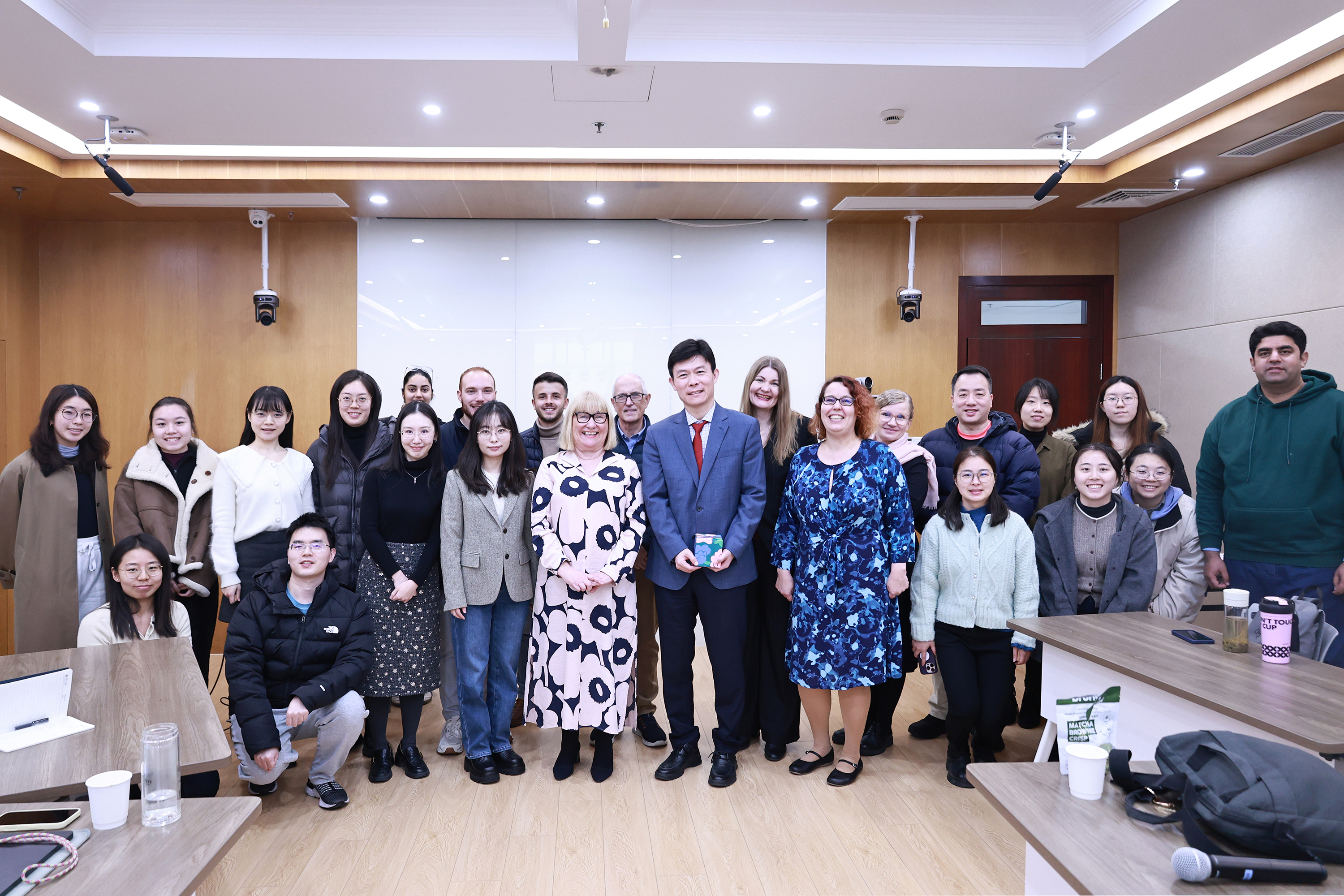
After the lecture, Professor Jing presented a commemorative gift to Professor Snellman. The event concluded with a group photo of the faculty and students.