Events


On March 21, 2026, the Fudan Institute for Global Public Policy (IGPP) organized the 84th lecture of the Fudan-LSE Lecture Series. Professor Suisheng Zhao from the Josef Korbel School of Global and Public Affairs at the University of Denver delivered a lecture on the theme of The Fragile Stability of China–U.S. Relations in Trump’s Second Term: Causes and Future Prospects. The session was chaired by Dean Yijia Jing of IGPP. On the same day, the launch and symposium for the special issue “Trumpism and Global Governance” of the international journal Global Public Policy and Governance was also held. Seven scholars from IGPP, the School of International Relations and Public Affairs, the Fudan Institute for Advanced Study in Social Sciences, and the Center for American Studies participated in thematic presentations and discussions on topics related to Trumpism.
Professor Zhao is a tenured professor and Director of the Center for China–U.S. Cooperation at the University of Denver, a research associate at Harvard University’s Fairbank Center for Chinese Studies, and a member of the National Committee on U.S.–China Relations. He is also the founding editor of the bimonthly journal Journal of Contemporary China. He has been recognized among the world’s top 2% scientists by Stanford University and Elsevier and received the University of Denver’s Distinguished Scholar Award twice (2019–2020 and 2024–2025).
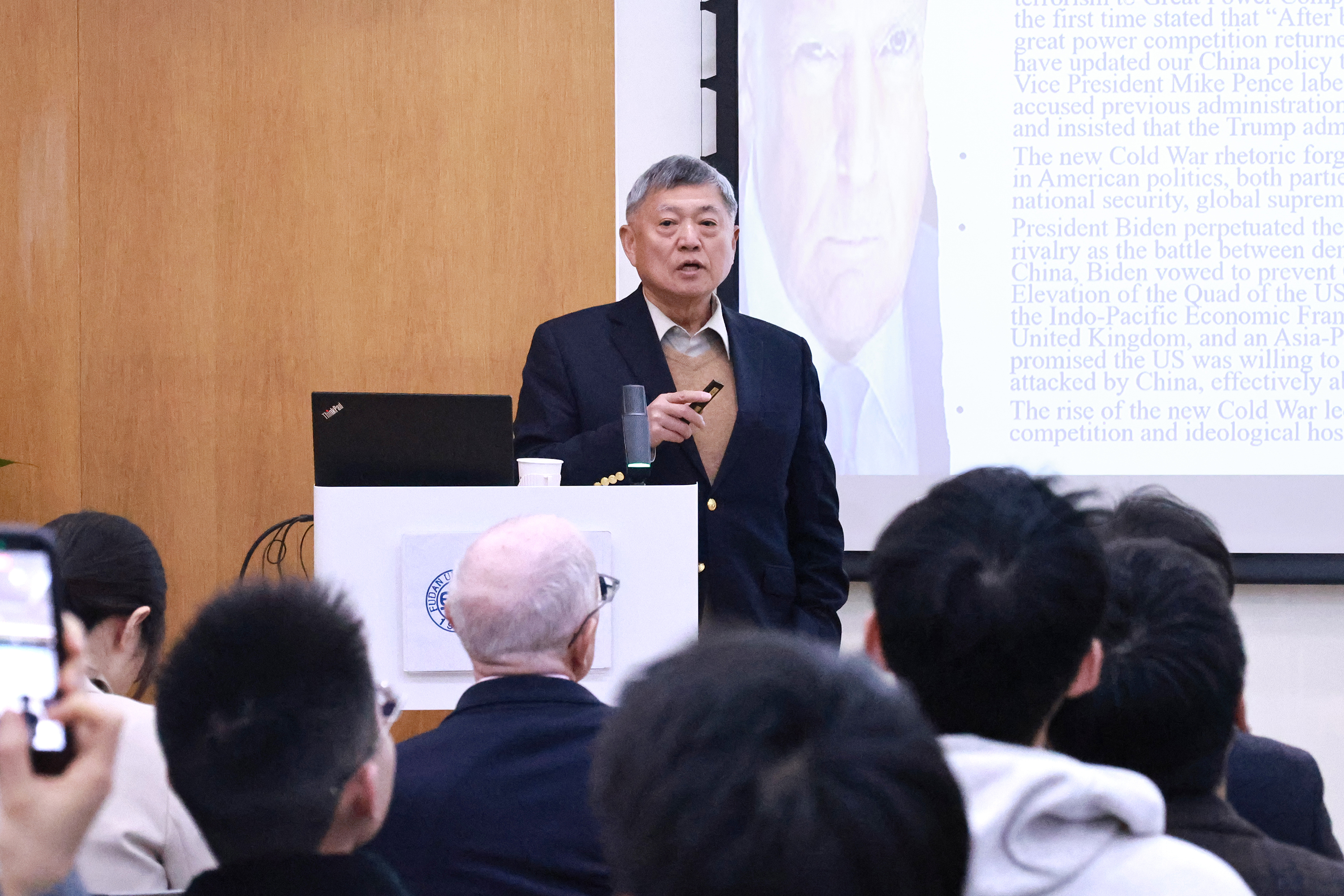
Professor Zhao started the lecture by analyzing the evolution of China–U.S. relations during Trump’s second term. He argued that bilateral relations have exhibited a form of “overall stability” compared to the sustained tensions in previous years. However, this stability does not stem from the resolution of structural contradictions; rather, it reflects a “damage-control equilibrium” in which both sides, unable to decisively dominate the other, have reduced the intensity of conflict to minimize costs. The gradual restoration of high-level communication mechanisms has also contributed to this relative stability.
Building on this, Professor Zhao reviewed the trajectory of China–U.S. relations since Trump’s first term. He noted that around 2017, U.S. China policy shifted from a “counterterrorism-first” approach to one centered on great power competition, increasingly framed by ideological and geopolitical rivalry. In this context, concepts such as a “new Cold War” and a “new Washington Consensus” gained traction in both policy and academic circles and were further reinforced during the Biden administration, contributing to a prolonged downturn in bilateral relations.
Professor Zhao further argued that significant adjustments have emerged in U.S. policy toward China during Trump’s second term. On the one hand, ideological and geopolitical confrontation has become less prominent; on the other hand, policy priorities have shifted toward economic and trade negotiations, with bilateral relations increasingly framed through a transactional lens. He attributed this shift to three main factors: Trump’s personal decision-making style and reshaping of his policy team; a broader reorientation of U.S. foreign policy toward domestic priorities; and the practical consequences of long-standing competitive perceptions within the United States.
Despite this, Professor Zhao emphasized that the current stability remains highly fragile. Hardline forces within the U.S. Congress and policy establishment persist, while policy uncertainty, domestic political dynamics, and trends toward economic “decoupling” all pose potential challenges. In the long run, the structural contradictions in China–U.S. relations remain unresolved, leaving the future trajectory uncertain.
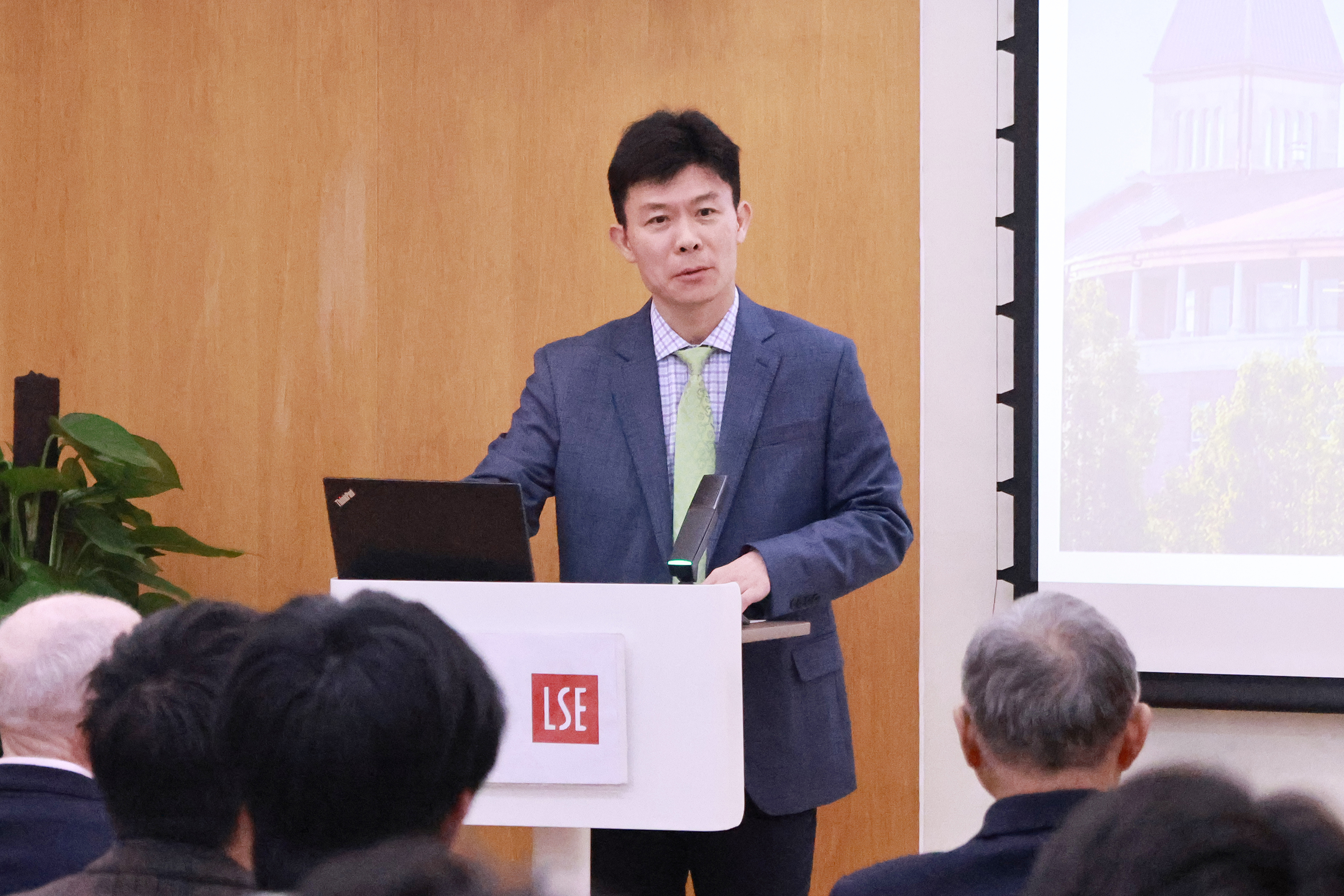
Following the lecture, the event proceeded to the launch and symposium of the special issue “Trumpism and Global Governance.” Dean Jing introduced the issue, noting that it brings together interdisciplinary scholarship to examine the impact of Trumpism on global governance from multiple perspectives.
Professor Mark Robbins analyzed the economic effects of U.S. tariff policies from the perspectives of public finance and trade policy, arguing that tariff costs are largely borne domestically in the United States and have relatively limited impact on China’s economy. He also suggested that Trump’s policy toolkit is relatively limited and often prioritizes political signaling over systematic economic or strategic logic.
Associate Professor Chengqiu Wu examined changes in U.S. policy toward Taiwan, noting that while such policies served primarily as instruments of strategic competition during Trump’s first term, they have become more coordinated with broader economic and trade agendas in the second term, reflecting a more cautious approach amid domestic political and interest-based constraints.
Associate Professor Zhongyuan Wang focused on competition in computing power in the context of AI, arguing that such competition has evolved into a systemic, state-level contest involving technological capabilities, industrial chains, and governance systems. He proposed a “national computing power ecosystem” framework encompassing technological, full-chain, and governance dimensions.
Associate Professor Chuchu Zhang analyzed developments in the Middle East, particularly U.S. policy toward Iran, highlighting its multiple drivers and noting discrepancies between intended and actual outcomes, as well as spillover effects on regional dynamics and the global economy.
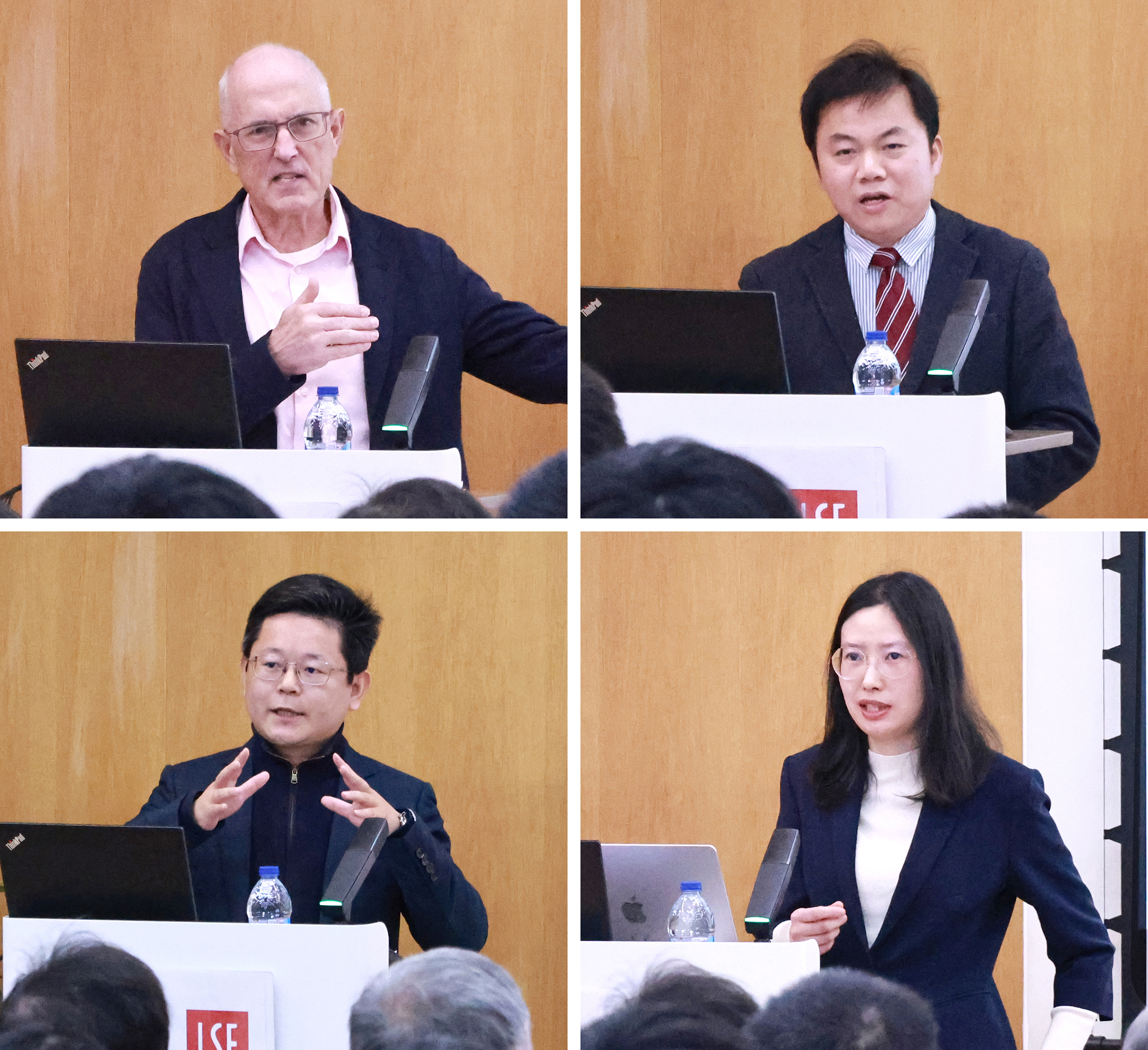
Associate Professor Yao Wen discussed transformations in the international order, arguing that the global system is becoming increasingly complex and fragmented. He noted that U.S. adjustments to its global role have disrupted existing institutional arrangements, while different countries are diverging in their positioning within the evolving order.
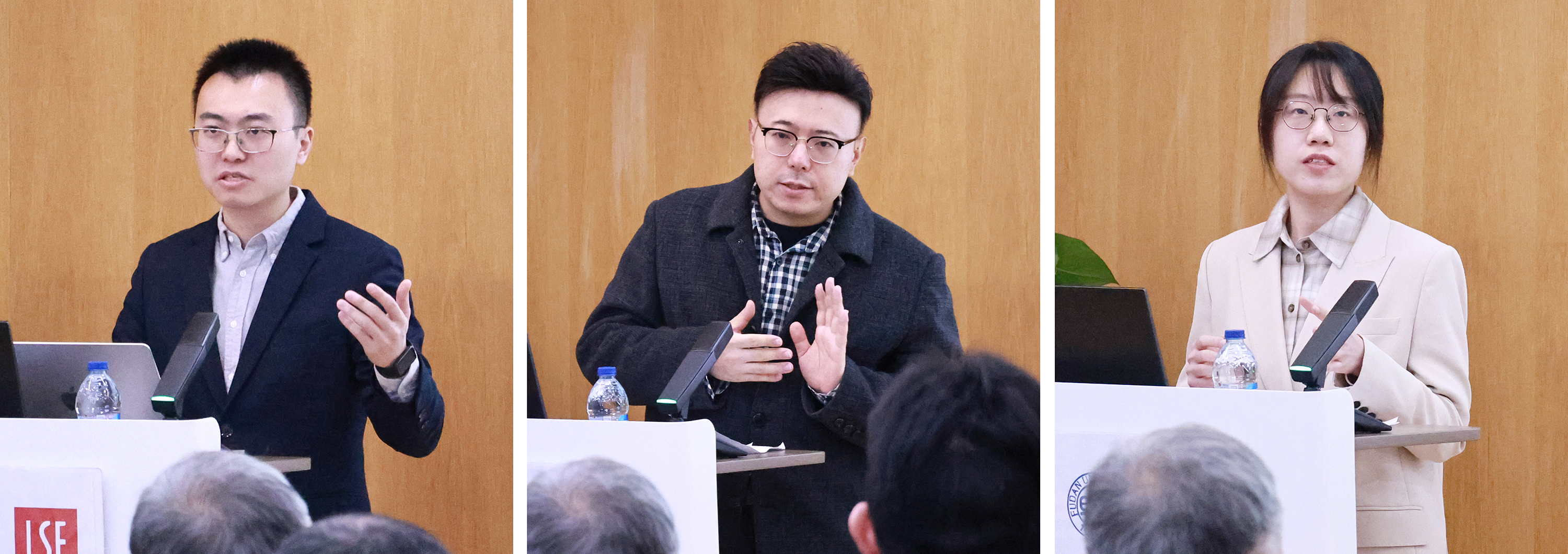
Assistant Professor Weizhan Meng examined shifts in U.S. national security perspectives, noting that Trump’s second term places greater emphasis on domestic issues. He argued that U.S. China policy is heavily shaped by domestic political forces, contributing to its uncertainty.
Assistant Professor Wenjia Song analyzed China–U.S. AI industrial policies, highlighting patterns of both convergence and divergence. She also noted evolving relationships between public and private sectors in both countries, shaped by the interaction between technological change and existing policy trajectories.
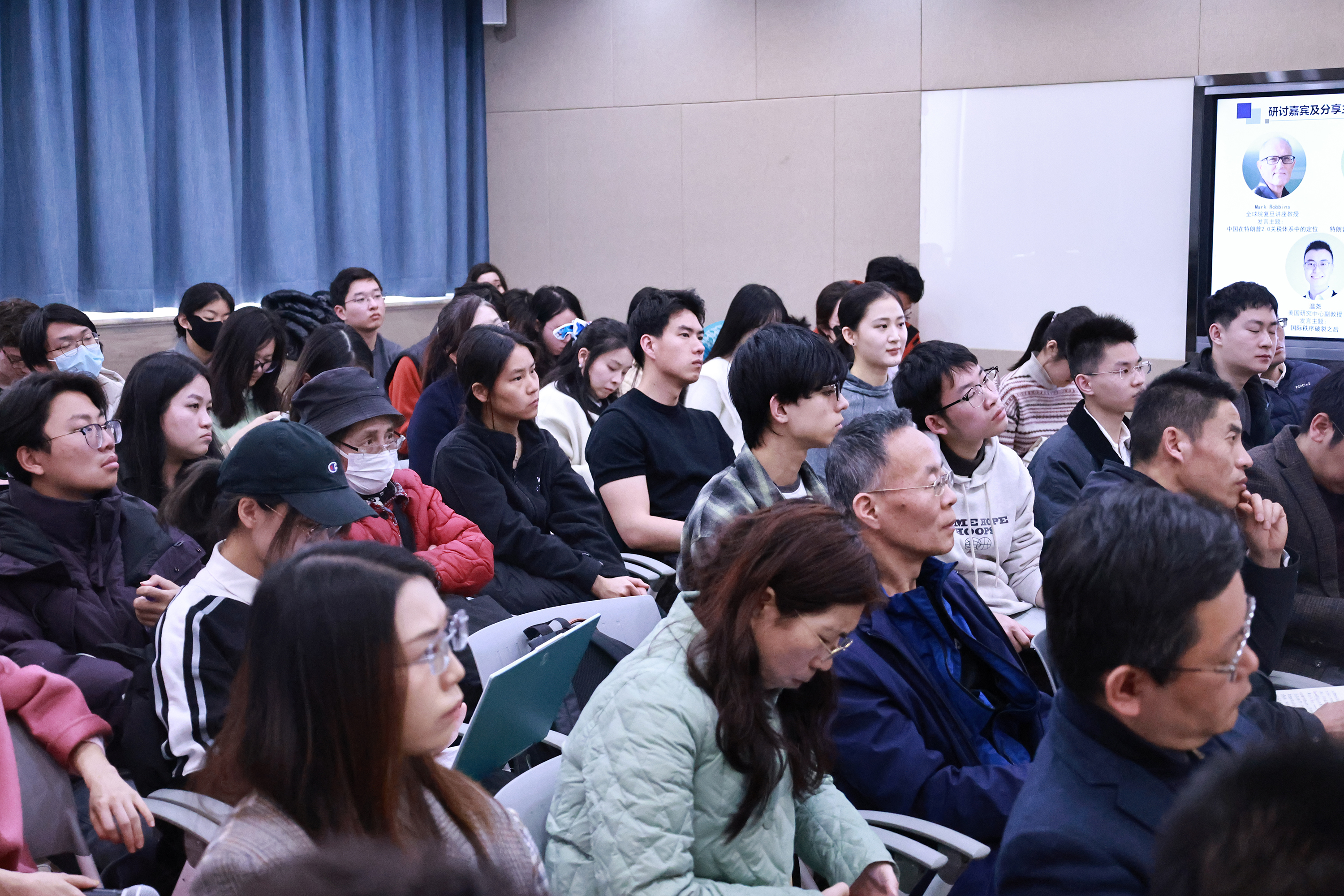
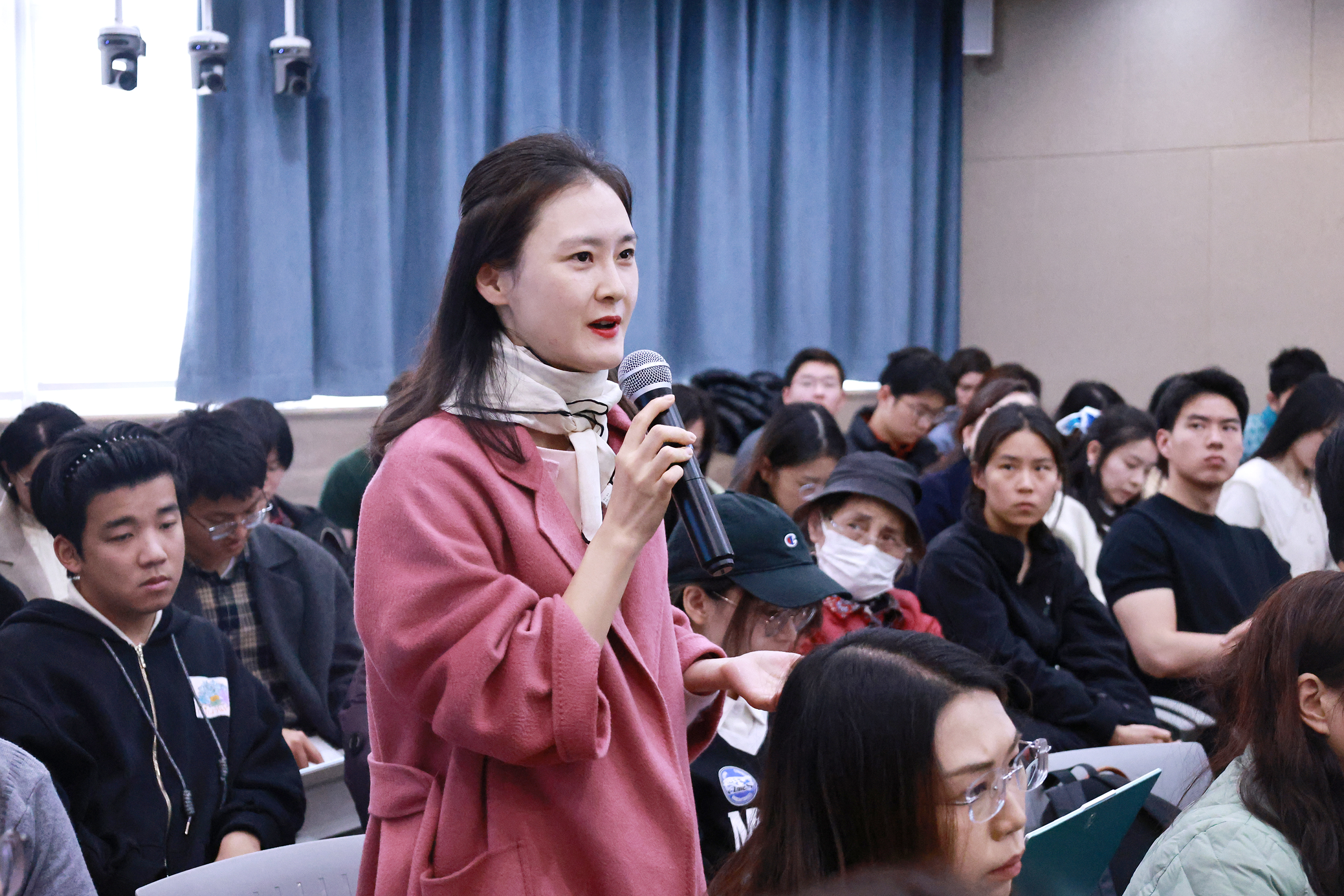
During the Q&A session, faculty and students engaged in in-depth discussions on topics such as China–U.S. strategic interaction and China’s role in the Middle East. Participants offered diverse perspectives, further exploring the complexity of China–U.S. relations and their implications for global governance.
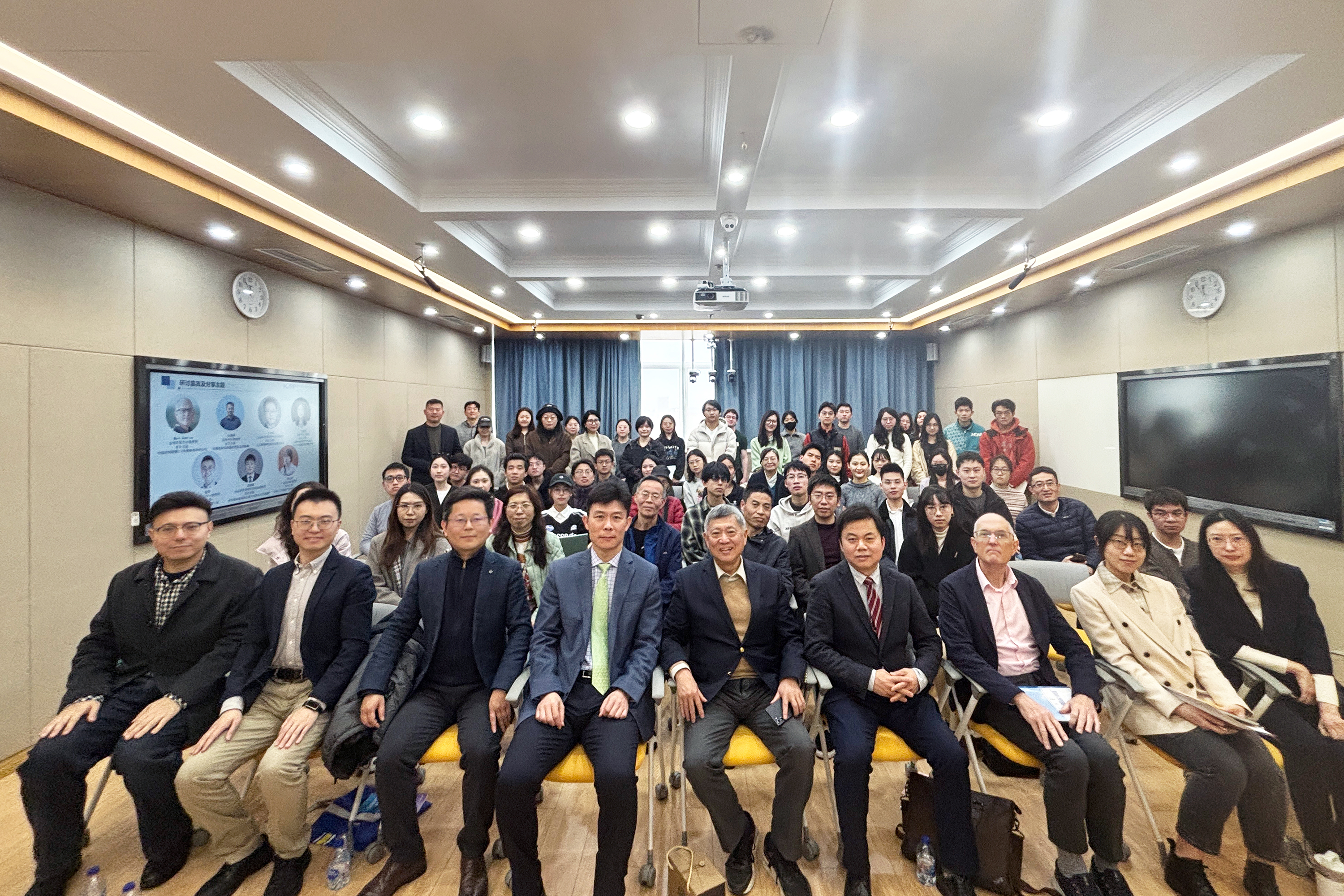
The event concluded with a group photo of speakers and participants.