News


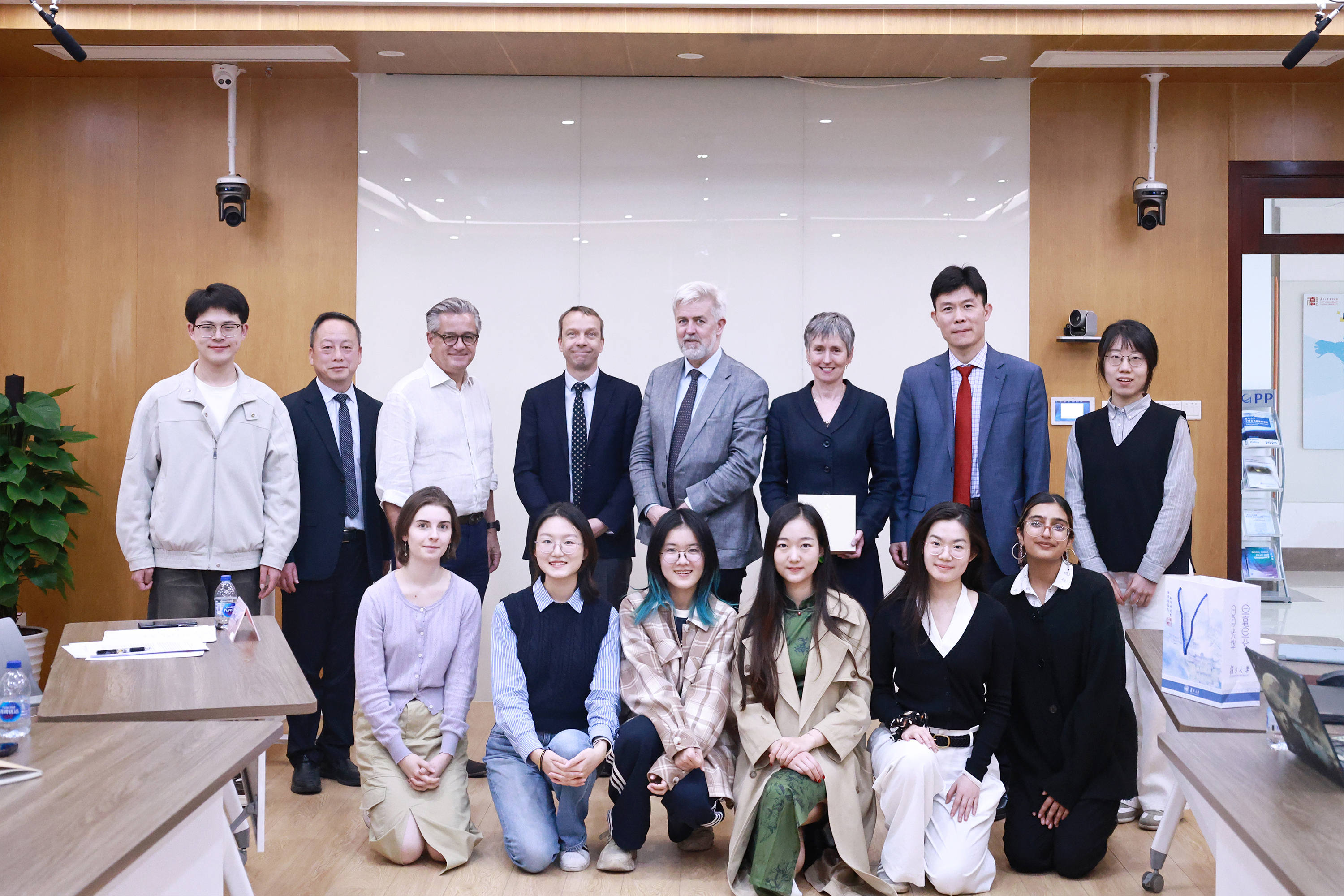
On April 7, 2026, a delegation from LSE, including Vice President Emma McCoy, Head Paul Kelly of the Department of Government, Director Neil McLean of the Language Centre, and Professor Charlie Beckett from the Department of Media and Communications, visited the Institute for Global Public Policy (IGPP) at Fudan University. Professor Yijia Jing, Dean of IGPP and Co-Director of the LSE-Fudan Research Centre for Global Public Policy (the Centre), along with Associate Professor Ping Jiang and Assistant Professor Wenjia Song, warmly received the delegation. The guests and hosts jointly attended workshop of LSE-Fudan undergraduate research projects.
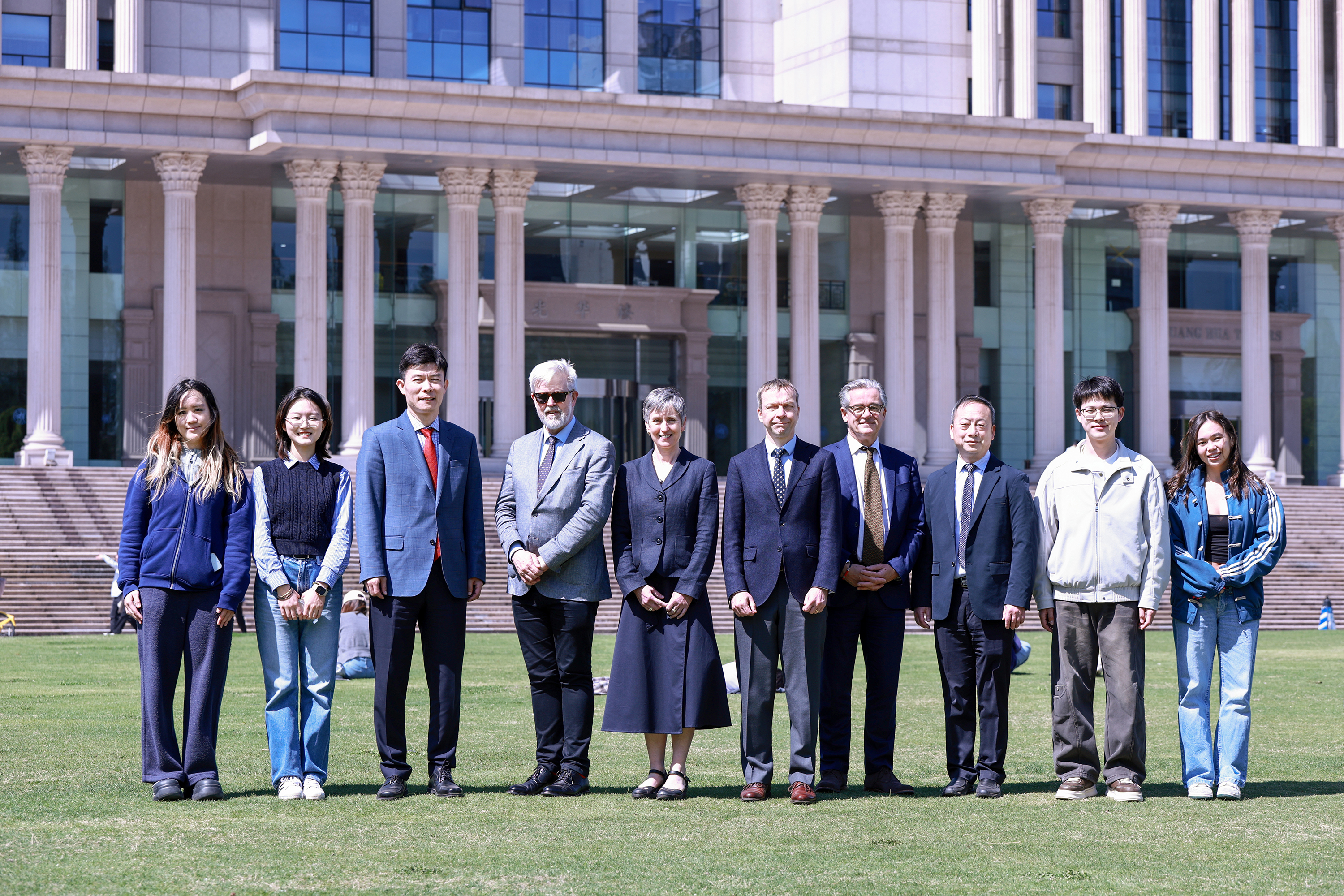
At noon, the LSE delegation, together with Dean Jing, IGPP faculty, and student representatives, took a group photo in front of Guanghua Building, capturing a memorable moment of exchange on Fudan’s vibrant spring campus.
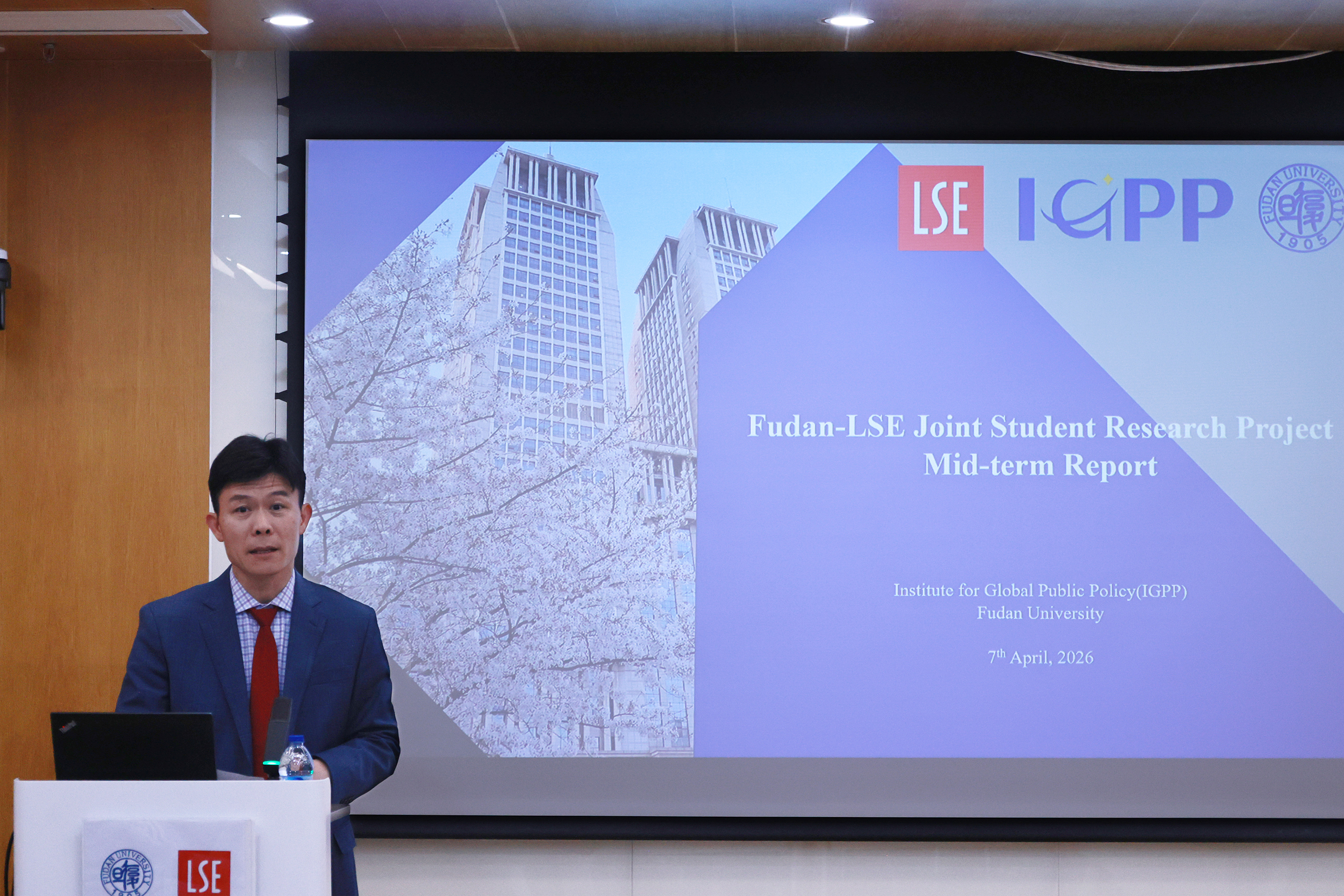
In the afternoon, President McCoy and her delegation attended the workshop jointly organized by IGPP and the Centre. The session opened with welcoming remarks by Dean Jing, who expressed sincere appreciation to colleagues from LSE and the Centre for their continued support and guidance. He also extended a warm welcome to the presenting students. He emphasized that research is an iterative process of exploration and refinement, and that the workshop is a critical stage for clarifying ideas, reviewing progress, and identifying challenges. They serve not only as a platform to showcase learning outcomes but also as an opportunity to receive expert feedback and improve research projects. He encouraged students to make the most of this opportunity, present their work thoughtfully, and carefully consider expert suggestions to further refine their research.
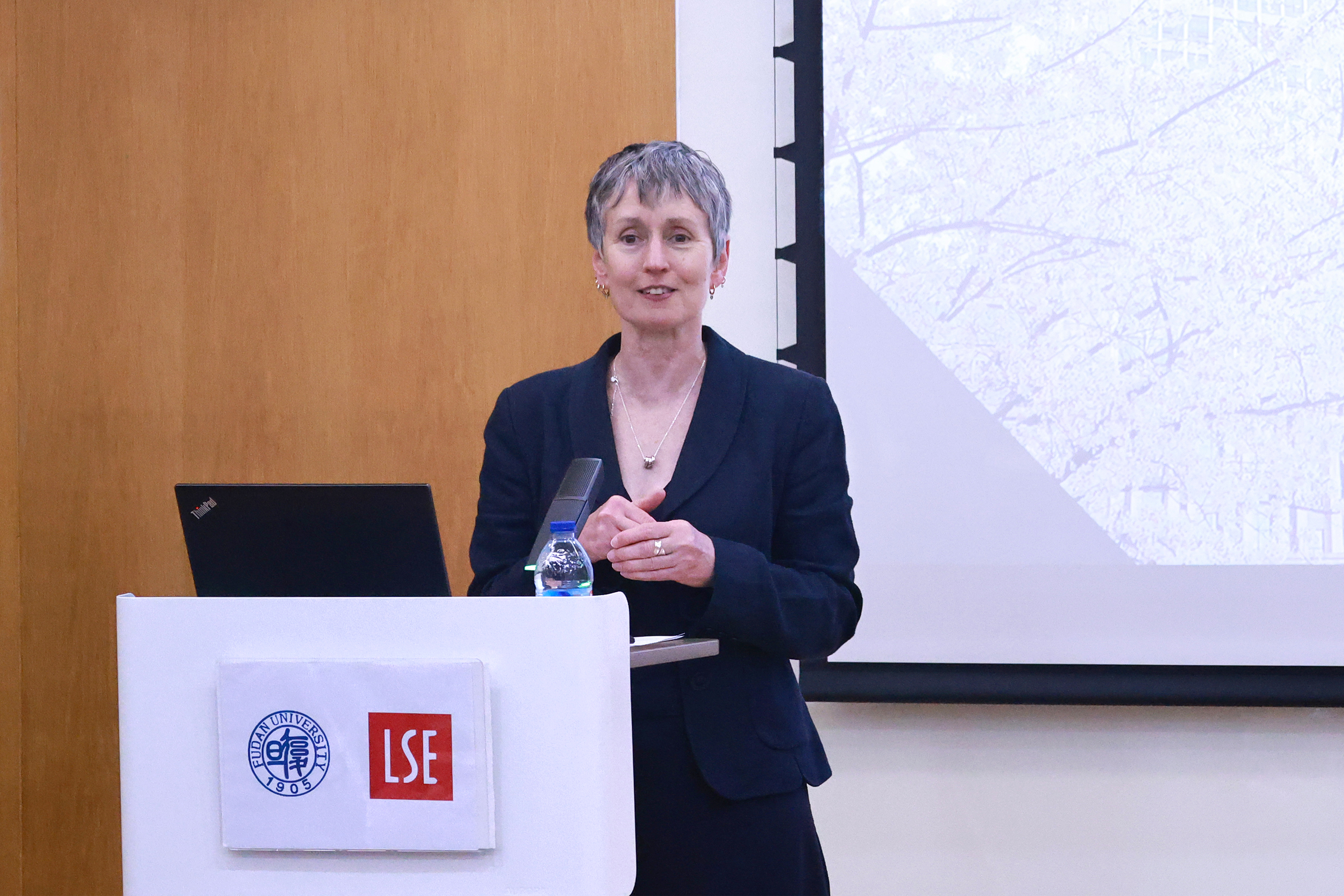
President McCoy then delivered remarks on behalf of LSE, expressing gratitude to Dean Jing and all faculty members for their sustained support of student research. She commended the students’ dedication and progress, highlighting that cross-institutional collaboration provides a valuable platform for mutual learning and shared advancement.
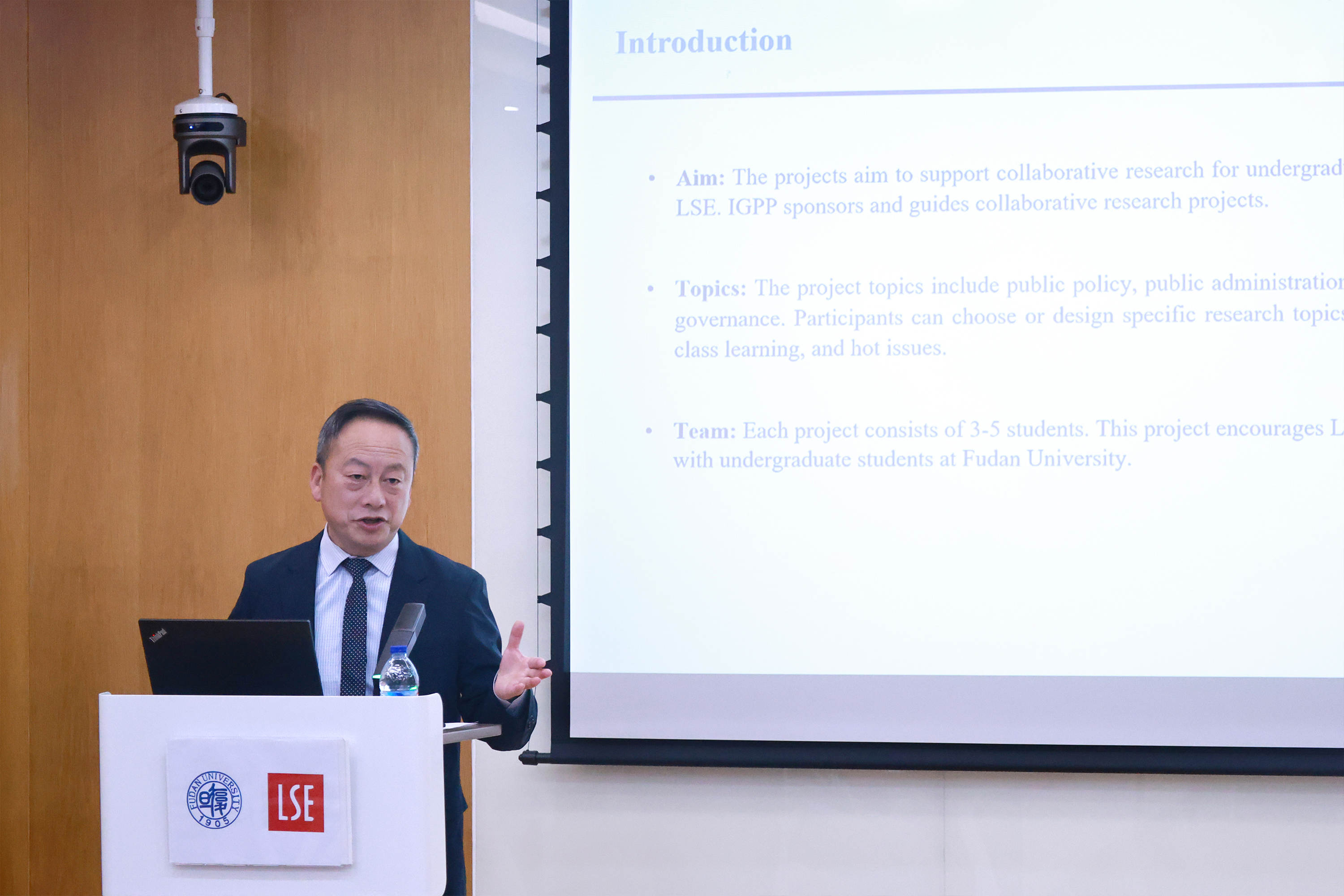
Following the opening remarks, Associate Professor Jiang introduced the presentation format and guidelines, encouraging students to present confidently, remain open to feedback, and continue improving their work. Five joint research teams then delivered their presentations.
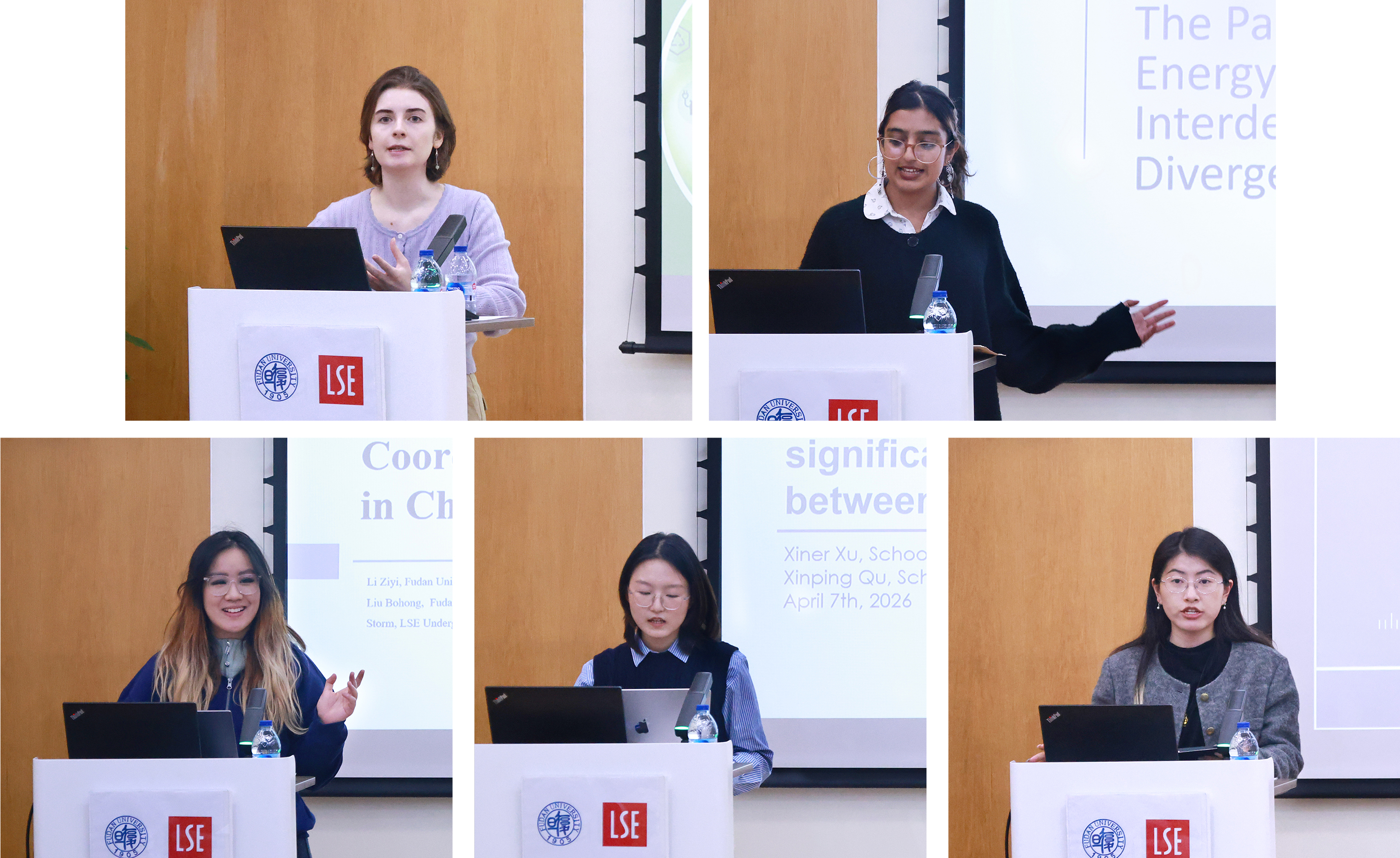
The first team examined the institutional design and emission reduction effectiveness of China’s national carbon market in comparison with the European Union Emissions Trading System. They analyzed institutional differences and compared outcomes, offering policy insights for improving China’s carbon market.
The second team addressed global governance challenges posed by deepfake technology, particularly the cross-border risks associated with generative AI-based face-swapping. They proposed a collaborative governance model involving multiple stakeholders.
The third team explored the “paradox” of China–EU cooperation in green energy. Drawing on literature review and international relations theory, they argued that China and the EU are deeply interdependent in clean energy innovation.
The fourth team focused on digital governance issues in China’s national carbon market. Using policy text mining methods, they reviewed recent policy developments and identified key institutional bottlenecks.
The fifth team investigated why deepening economic interdependence between China and Vietnam under the Belt and Road Initiative has not alleviated maritime tensions. The team provided new perspectives for understanding China–Vietnam relations.
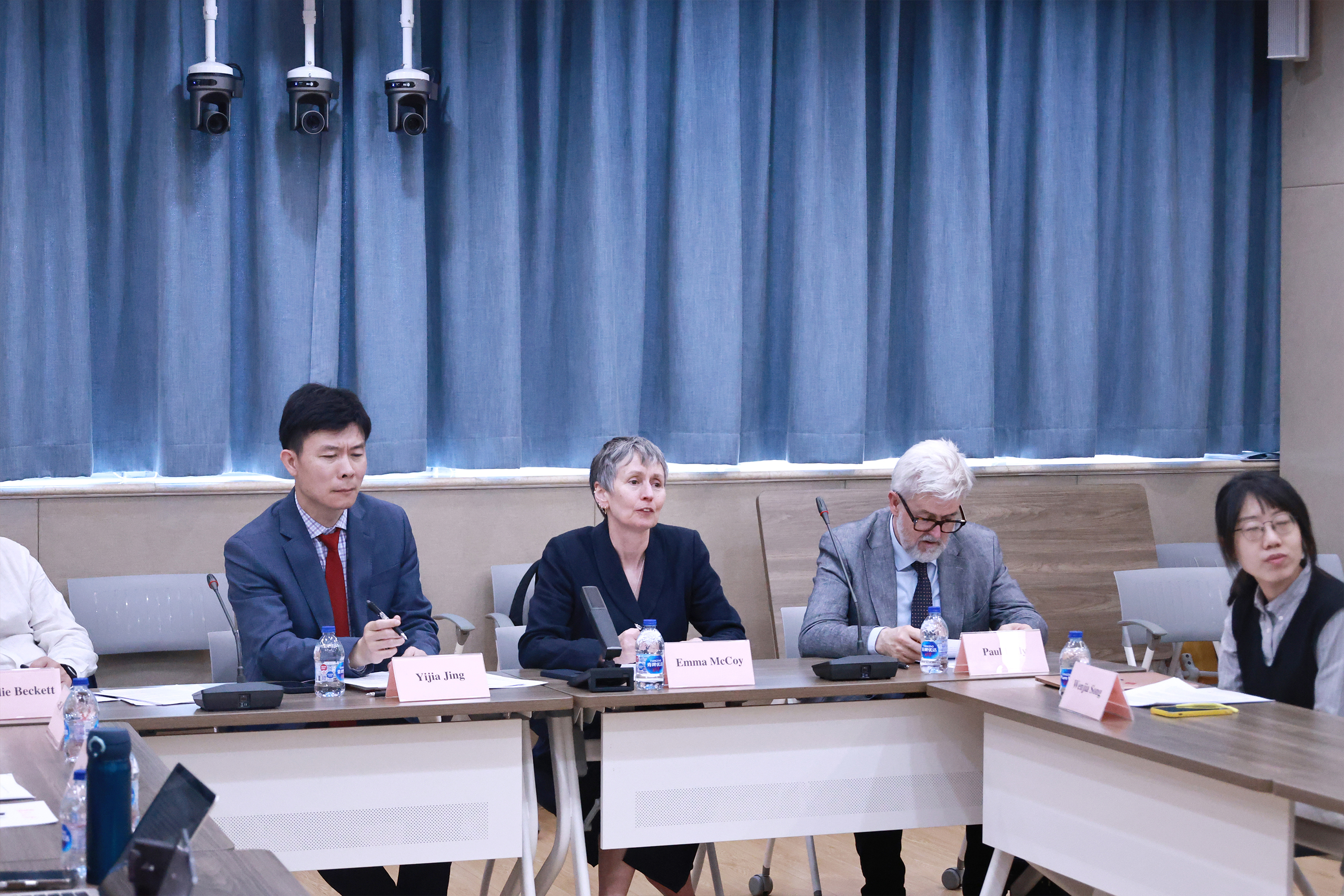
Following the presentations, attending scholars offered constructive feedback on each project, encouraging students to further refine their research designs and expressing expectations for strong final outcomes.
The presentation session showed the progress of student research projects, strengthened collaboration between the two institutions in academic research and talent development, and laid a solid foundation for future high-level international student cooperation.