News


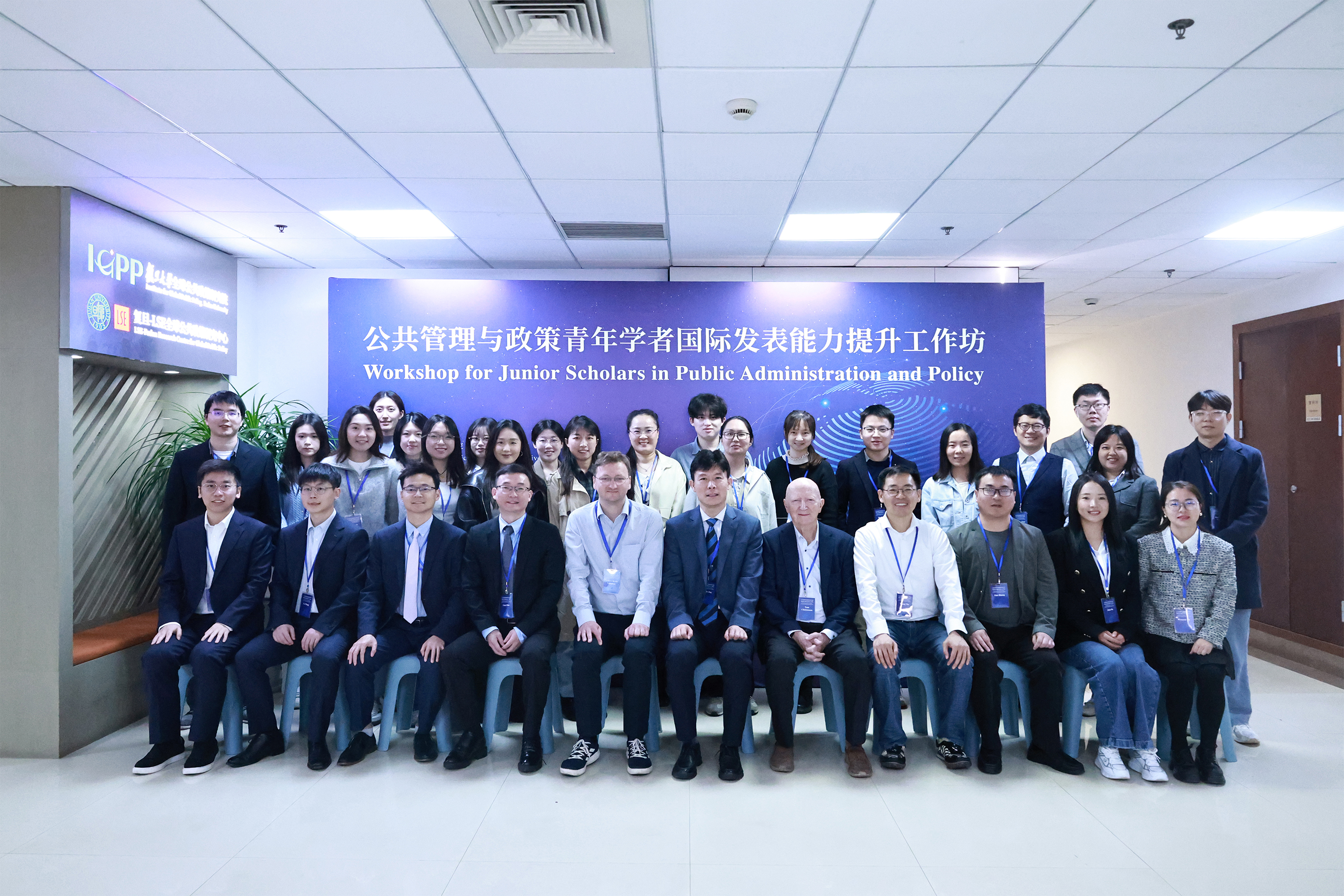
From April 18 to 19, 2026, the Workshop for Junior Scholars in Public Administration and Policy was successfully held at Fudan University. The Workshop was jointly organized by the Institute for Global Public Policy (IGPP), the China–Arab Network of Schools of Public Policy and Administration (CANSPPA), and supported by the Chinese Policy Scholars Group (CPSG), the American Society for Public Administration–Section for Chinese Public Administration of the (ASPA-SCPA), and the international journal Global Public Policy and Governance (GPPG). More than 20 early-career scholars from Tsinghua University, Fudan University, and the Hong Kong University of Science and Technology participated in the event.
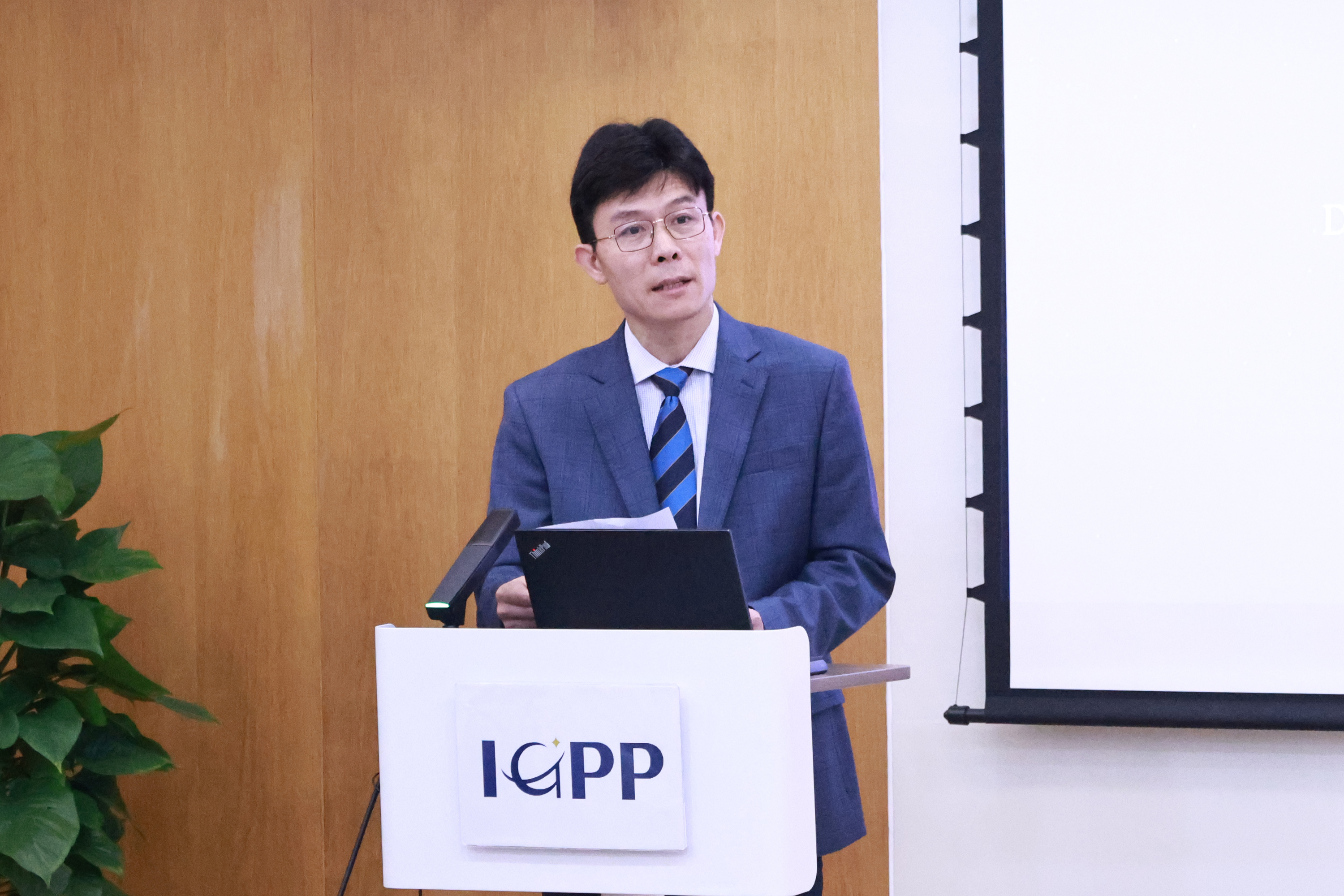
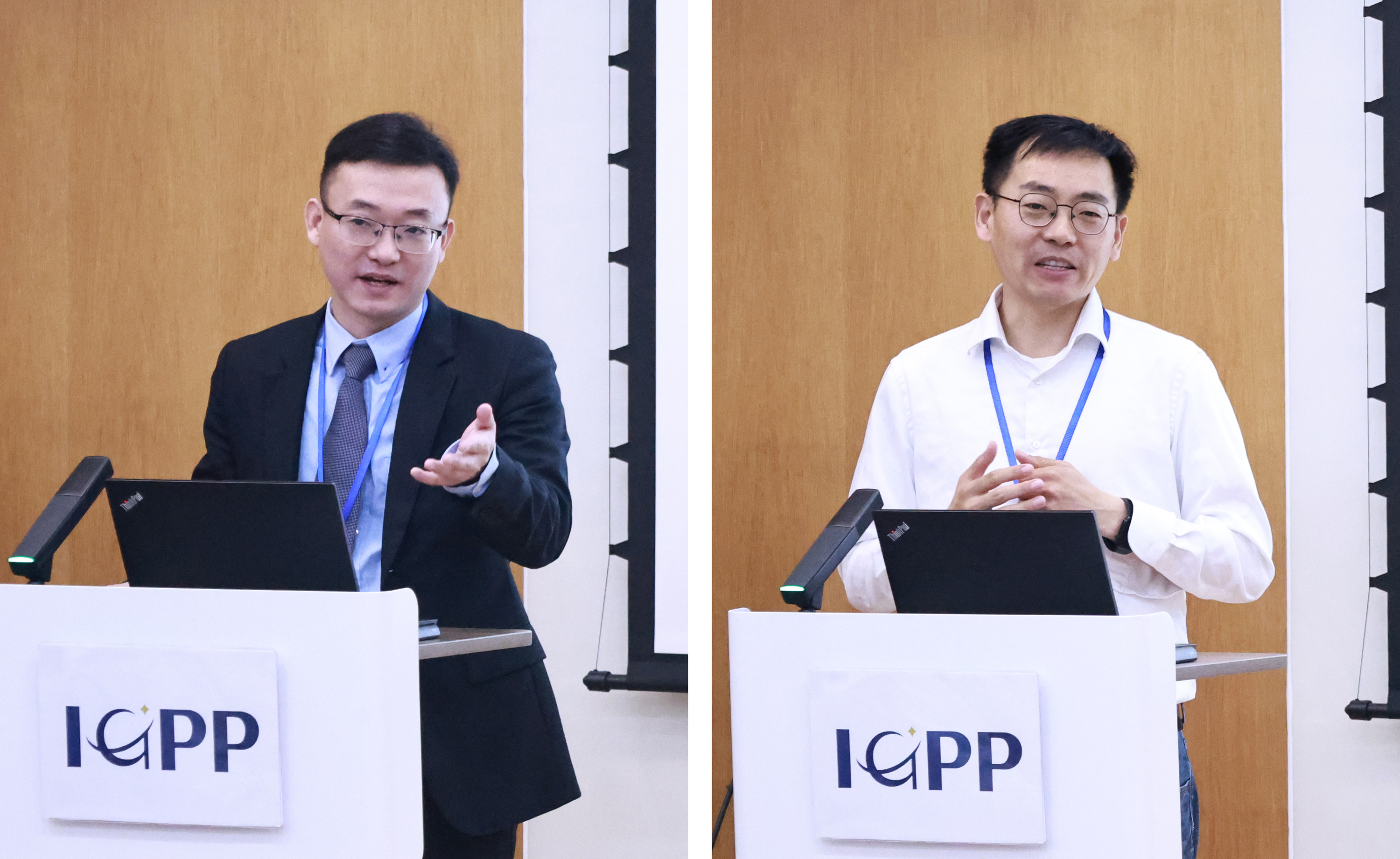
At the opening ceremony, Professor Yijia Jing, Dean of IGPP and President of CANSPPA, delivered a welcome speech. He extended a warm welcome to all participants and emphasized the workshop’s importance for advancing an indigenous knowledge system in public administration, promoting international academic communication, and fostering young scholars. He expressed his hope for the workshop’s success. The ceremony was hosted by Associate Professor Ziteng Fan of IGPP.
Professor Can Chen, President of CPSG and Associate Professor at Georgia State University, reviewed the founding and development of CPSG, noting its continued commitment to serving the Chinese public policy scholarly community and promoting international academic exchange. Professor Liang Ma of Peking University, former President of SCPA, highlighted that SCPA has developed a comprehensive system of academic activities and plays an important bridging role in connecting Chinese and international public administration communities.
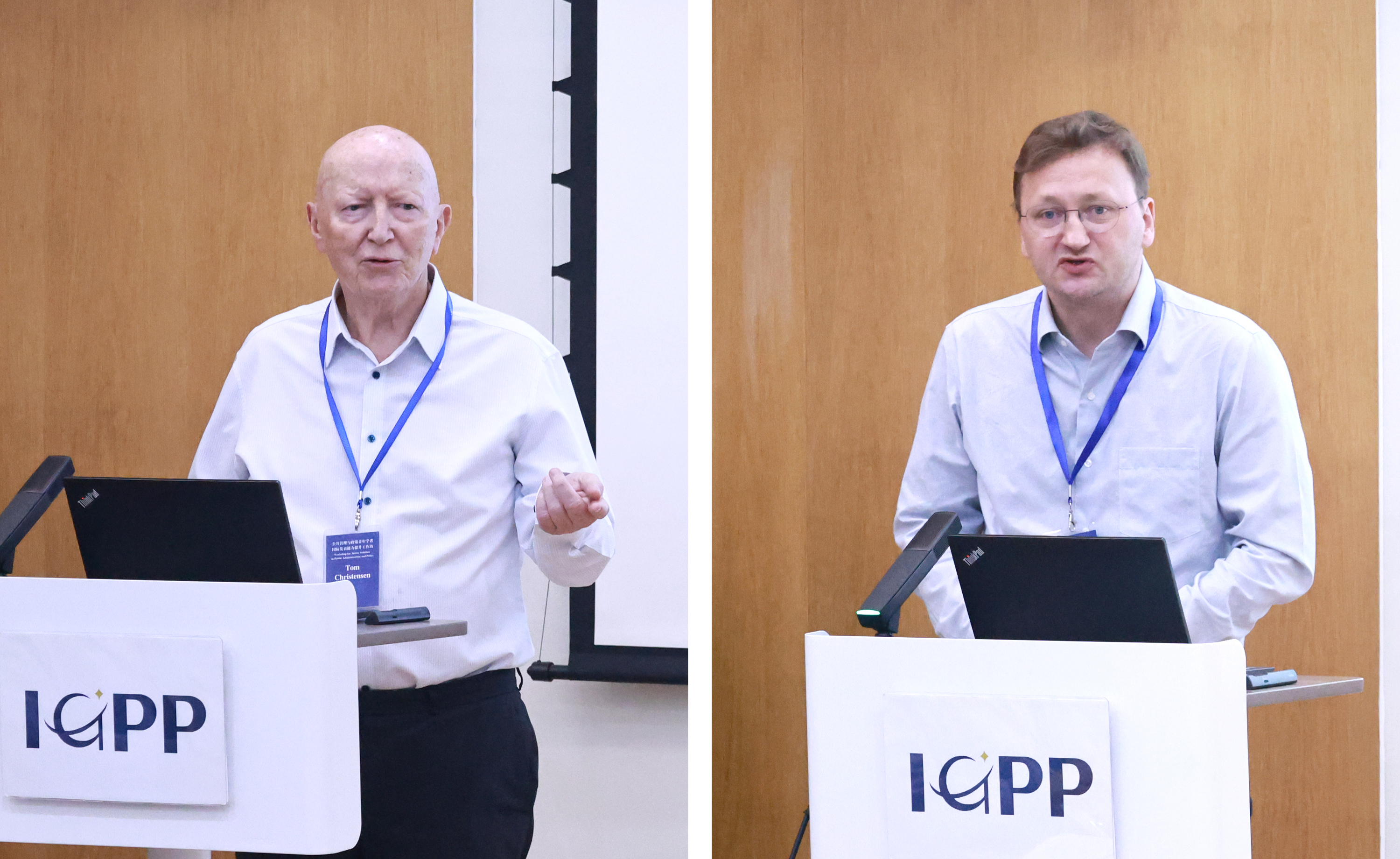
In the keynote session, Professor Tom Christensen, Emeritus Professor at the University of Oslo, systematically introduced strategies for writing English-language academic papers in public administration, covering problem formulation, literature review, theory development, empirical context, methodology, analysis, discussion, and conclusion. Professor Anders Ryom Villadsen from Aarhus University emphasized the importance of structuring independent, dependent, and moderating variables, highlighting theoretical contribution and the critical role of research context. He encouraged young scholars to develop theoretical contributions rooted in the Chinese context.
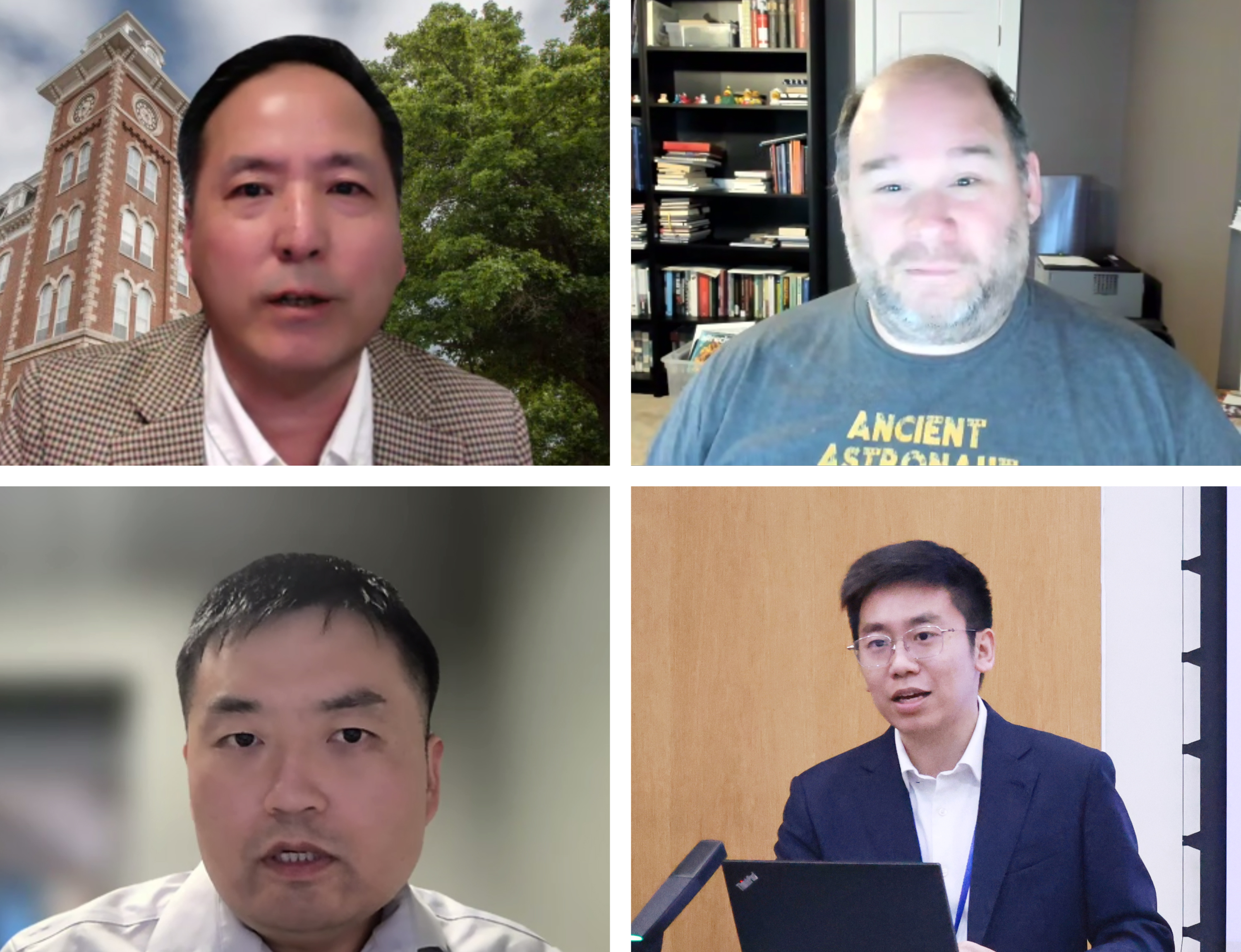
In the international journal editors’ panel, Professor Geoboo Song from University of Arkansas, Editor-in-Chief of Policy Studies Journal, Professor Bruce D. McDonald III from University of Old Dominion, Editor-in-Chief of Public Administration, Professor Hongtao Yi from Florida State University, Editor of Public Administration Review, and Associate Professor Fan, Assistant Editor of Global Public Policy and Governance introduced their journals’ aims, submission processes, theoretical orientations, and readership, while offering tailored advice for Chinese scholars aiming to publish internationally.
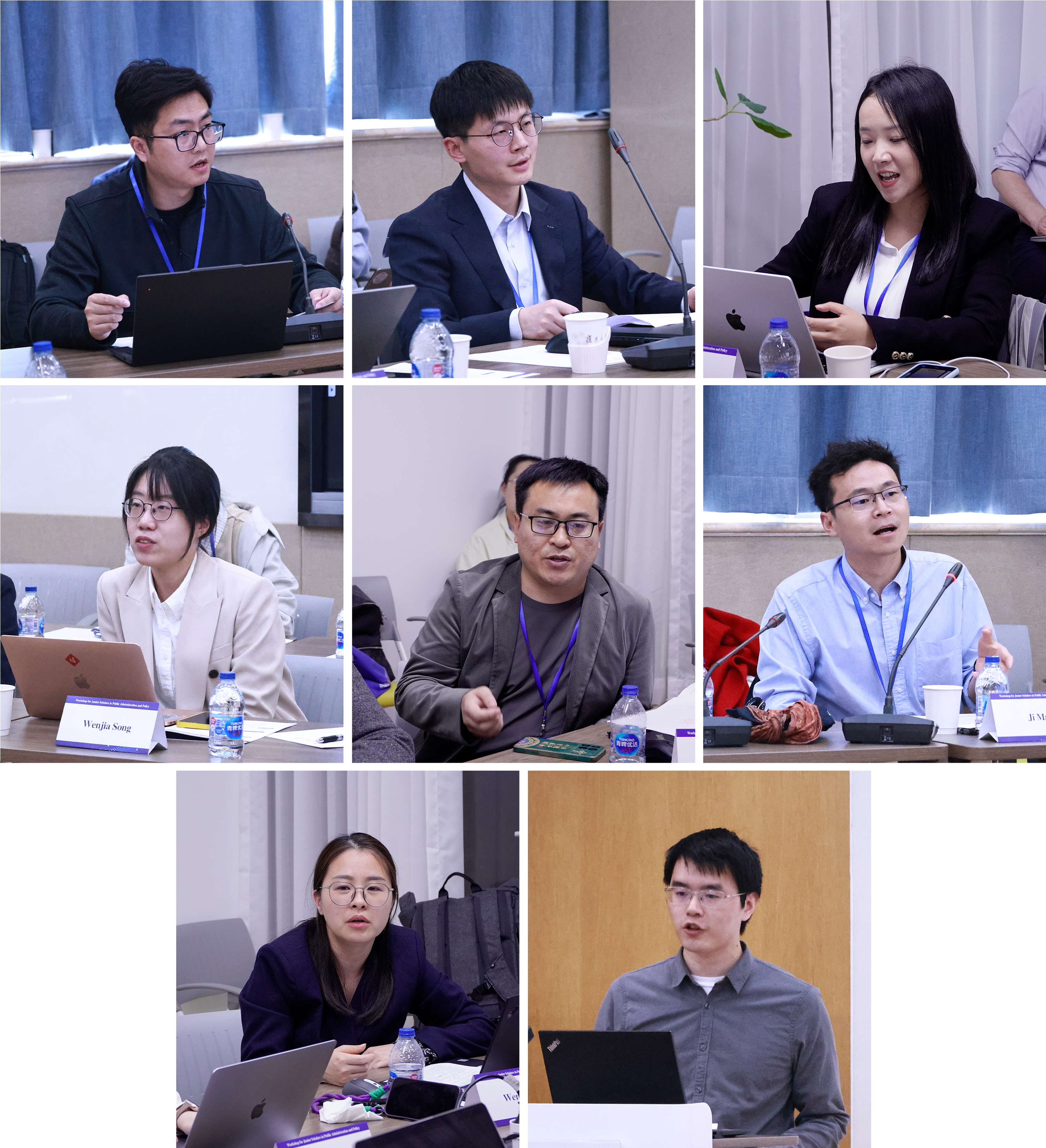
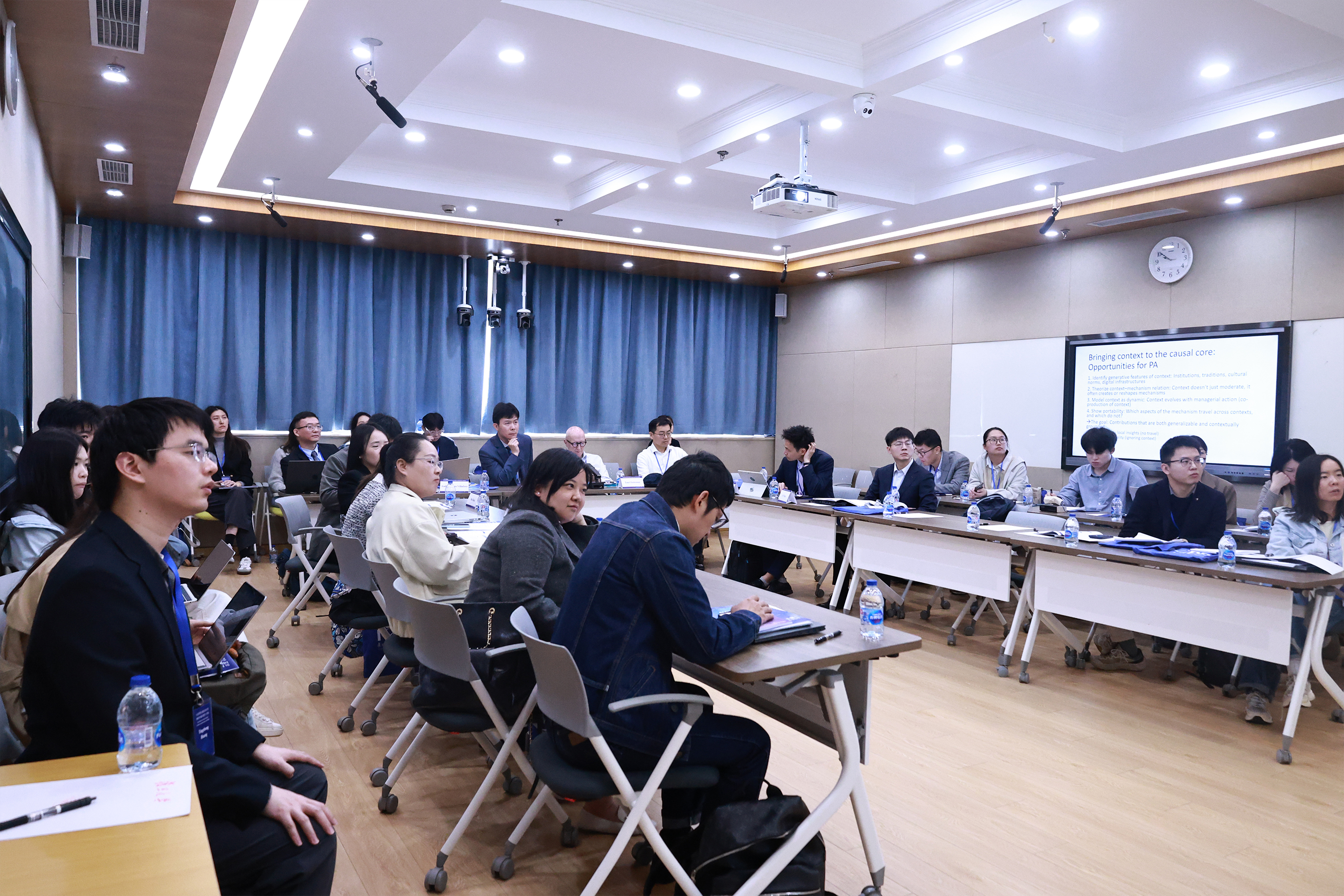
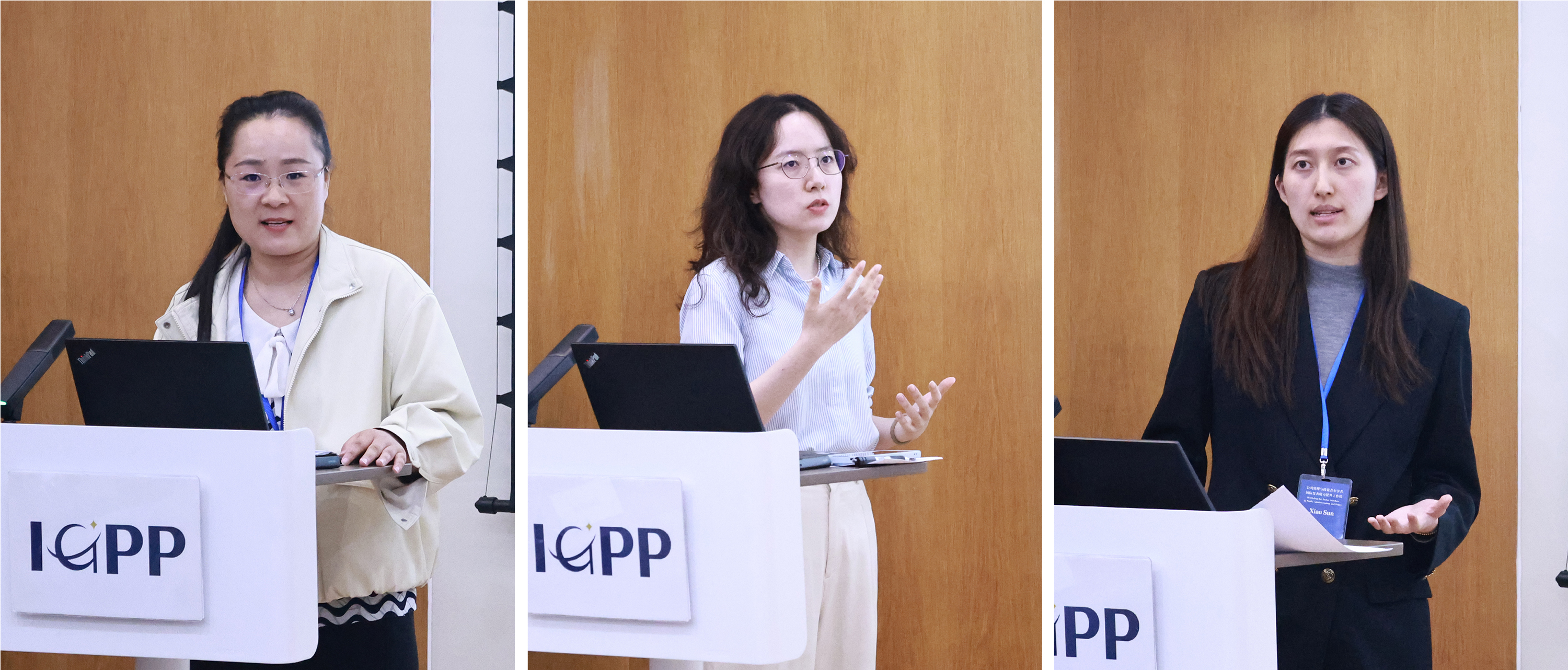
The workshop featured six parallel sessions, with 18 early-career scholars presenting their research.
The first panel was chaired by Professor Chen, with Professor Christensen and Professor Villadsen serving as discussants. Ying Zhang from the Party School of the Hebei Provincial Committee presented on Open Government Data Utilization Efficiency in Chinese Cities: Measurement and Mechanisms. Yu Feng from Fudan University presented on Do Advantages Reinforce Innovation, or Do Gaps Trigger Change? How Performance Feedback Conditions the Effect of Decision-Makers’ Attention on Policy Innovation Adoption. Xiao Sun from Beijing Administration Institute presented on Administrative Burden on Business in B2G Data Sharing: Evidence from a Survey in China.
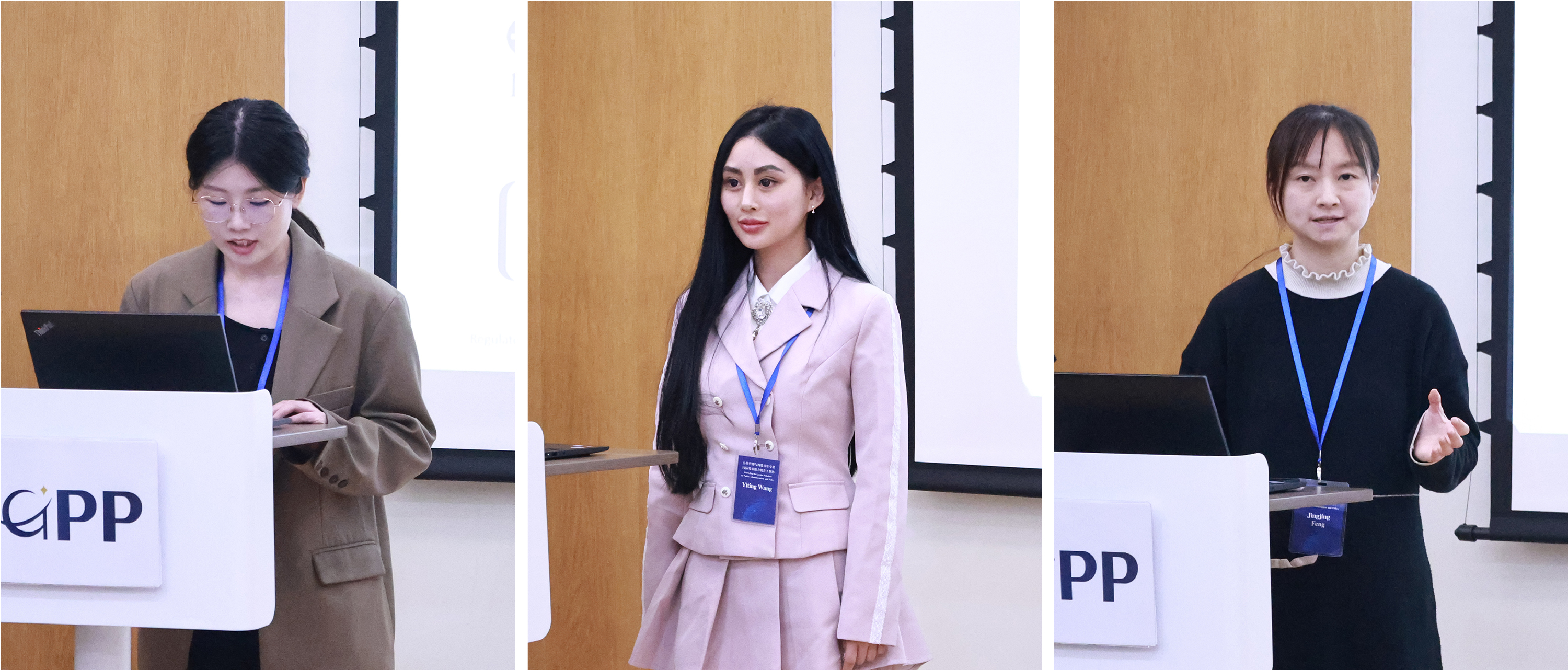
The second panel was chaired by Professor Liang Ma, with Associate Professor Xingchi Shen from Shanghai Jiao Tong University and Associate Professor Ge Wang from Central China Normal University serving as discussants. Yunxia Cai from Beijing University of Posts and Telecommunications presented on Regulatory Adaptation in Cyberspace: China’s Regulatory Regime under Sustained Technological Change, 1994-2024. Yiting Wang from Fudan University presented on Political Challenge, Institutional Responses, and Policy Change:Integrating WPR and Discursive Institutionalism. Jingjing Feng from Institute for the History of Natural Sciences, Chinese Academy of Sciences presented on From Global Collaborative Platform to Sovereign Strategic Hub: A Comparative Study on the Organizational Model of IMEC and NSTC.
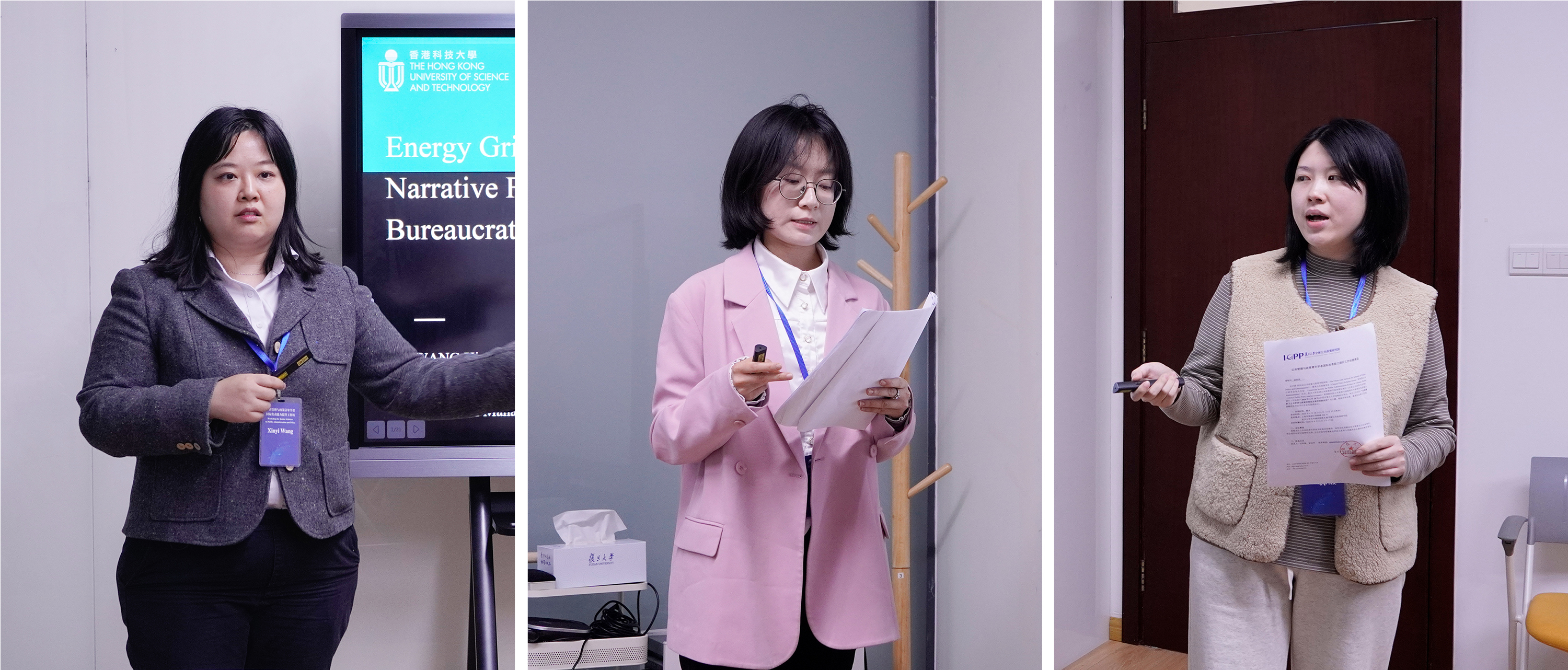
The third panel was chaired by Assistant Professor Ji Ma from Indiana University at Bloomington, with Associate Professor Pan Zhang from Shanghai Jiao Tong University and Associate Professor Juan Du from East China Normal University serving as discussants. Xinyi Wang from The Hong Kong University of Science and Technology presented on Energy Grievances and Digital Responsiveness: Narrative Framing, Programmatic Alignment, and Bureaucratic Capacity in Local Governance. Yuxuan Dai from Sichuan University presented on Vertical and horizontal environmental centralization: Synergy or conflict? Mengqi Xie from Fudan University presented on Are the Blue and the Green Natural Allies? Mapping the Public Foundations of Just Transition Worldwide.
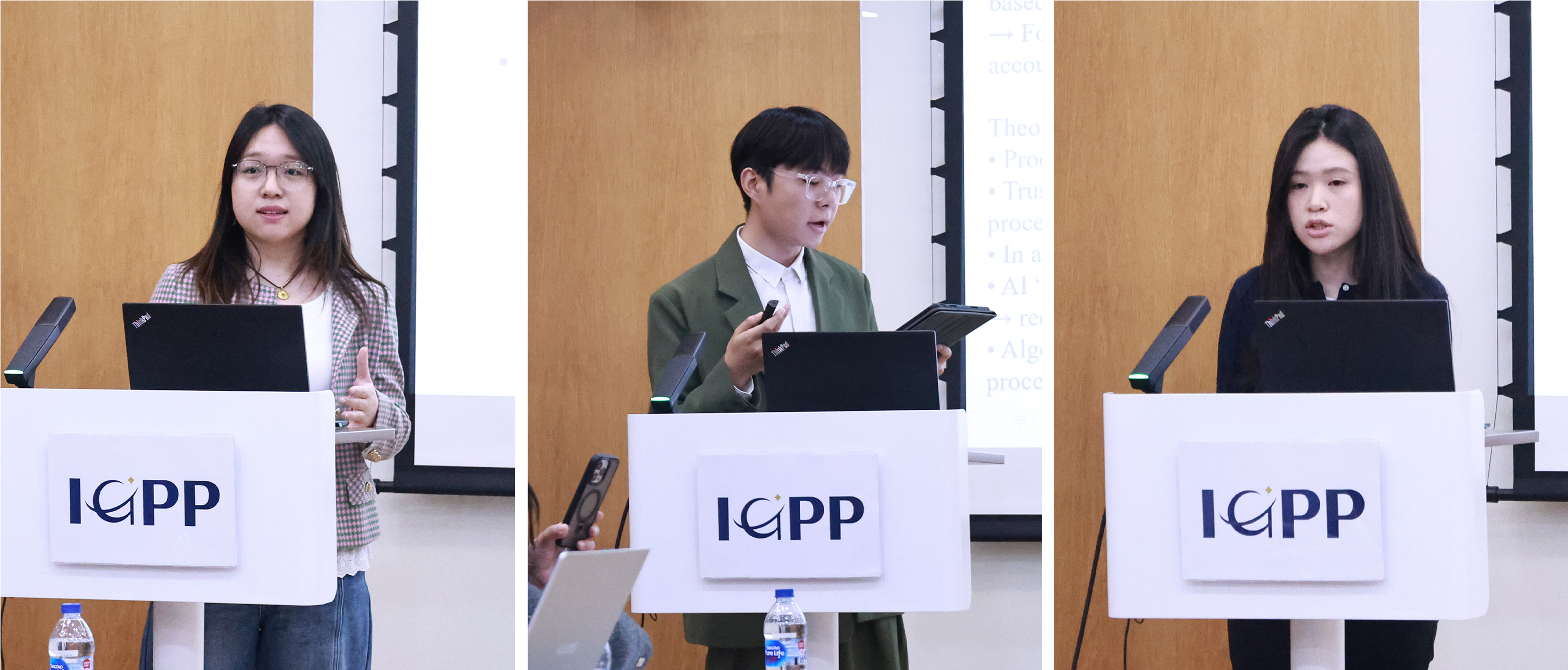
The fourth panel was chaired by Assistant Professor Wenjia Song from IGPP, with Professor Christensen and Professor Villadsen serving as discussants. Jiali Lu from Tsinghua University presented on How Does Academic Discourse Construct AI Public Governance? An Analytical Framework of Discursive Framing, Practice, and Meaning. Xiaodong Wang from Shandong University presented on Technical Characteristics, Task Context, and Civil Servants’ Trust in AI Decision-Making: Evidence from a 2×2×2 Survey Experiment. Siya Huang from Fudan University presented on From Technocratic Tool to “Algorithmic Bureaucrat”? The Role Shift of AI in Public Administration and the Reconfiguration of Governance.
The fifth panel was chaired by Dr. Tingzhong Huang from IGPP, with Professor Christensen and Assistant Professor Ji Ma serving as discussants. Xuechun Wang from Xiamen University presented on Capital as Politics: Bureaucratic Mobility, Career Incentive, and Cross-Jurisdictional Government Investment in China. Tianqi Wang from Shandong University presented on The Quiet Push: How Citizen Emotions and Request Orientation Shape Bureaucratic Responsiveness in Digital Public Encounters. Jingjing Xu from Tianjin University presented on Will “crying” get you a sweet treat? How communication of burdens affects frontline bureaucrats’ behavior toward clients.
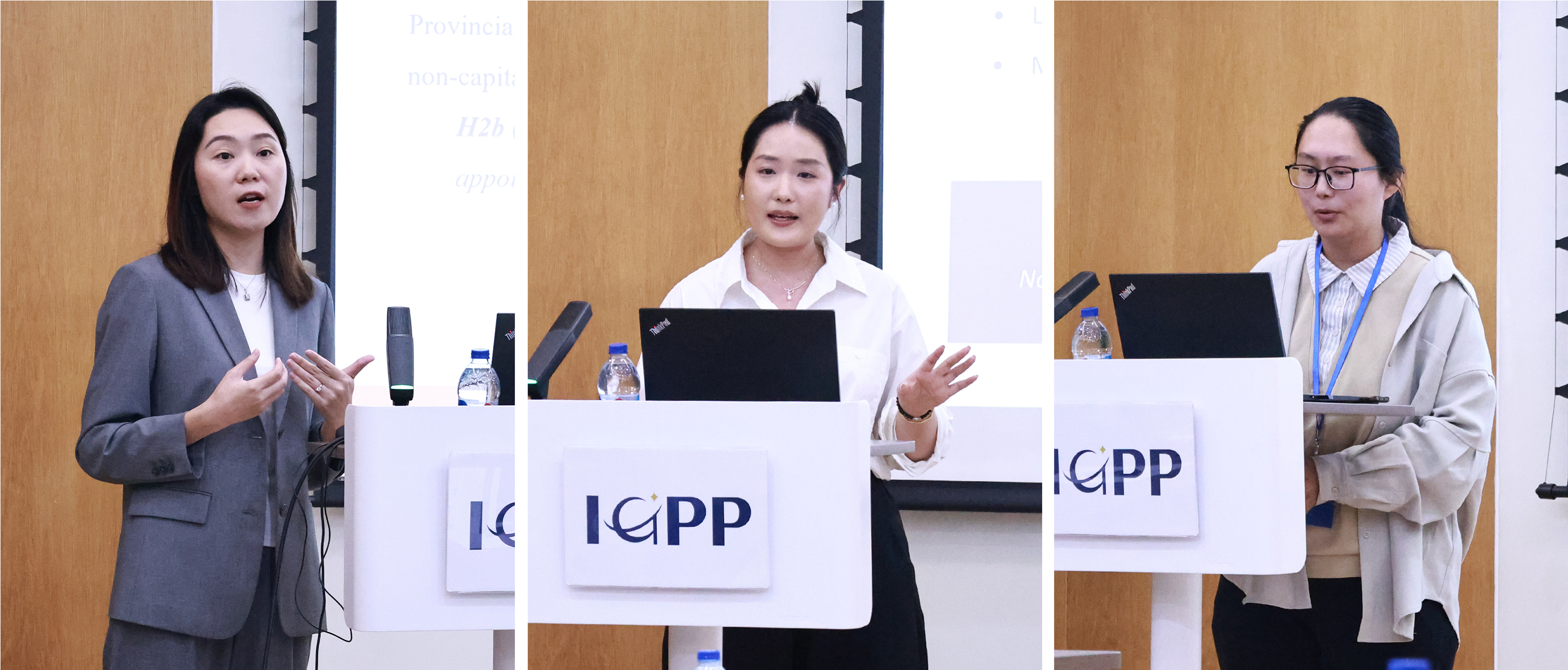
The sixth panel was chaired by Professor Liang Ma, with Professor Christensen and Assistant Professor Ji Ma serving as discussants. Pei Li from Fudan University presented on The Knowing-Doing Gap in Her Governance: Gender Preferences on Officials’ Behavior of Public Service in China. Xiaofei Shen from Tongji University presented on Ownership, Contracting, and Governance Trade-offs in Public Service Delivery: Evidence from Public–Private Partnerships. Weidong Zhang from Nanjing University presented on From “Deviants” to “Dependents”: Policy Identity Construction and Transformation of China’s Migrant Workers in a Deservingness-Attainment Framework.
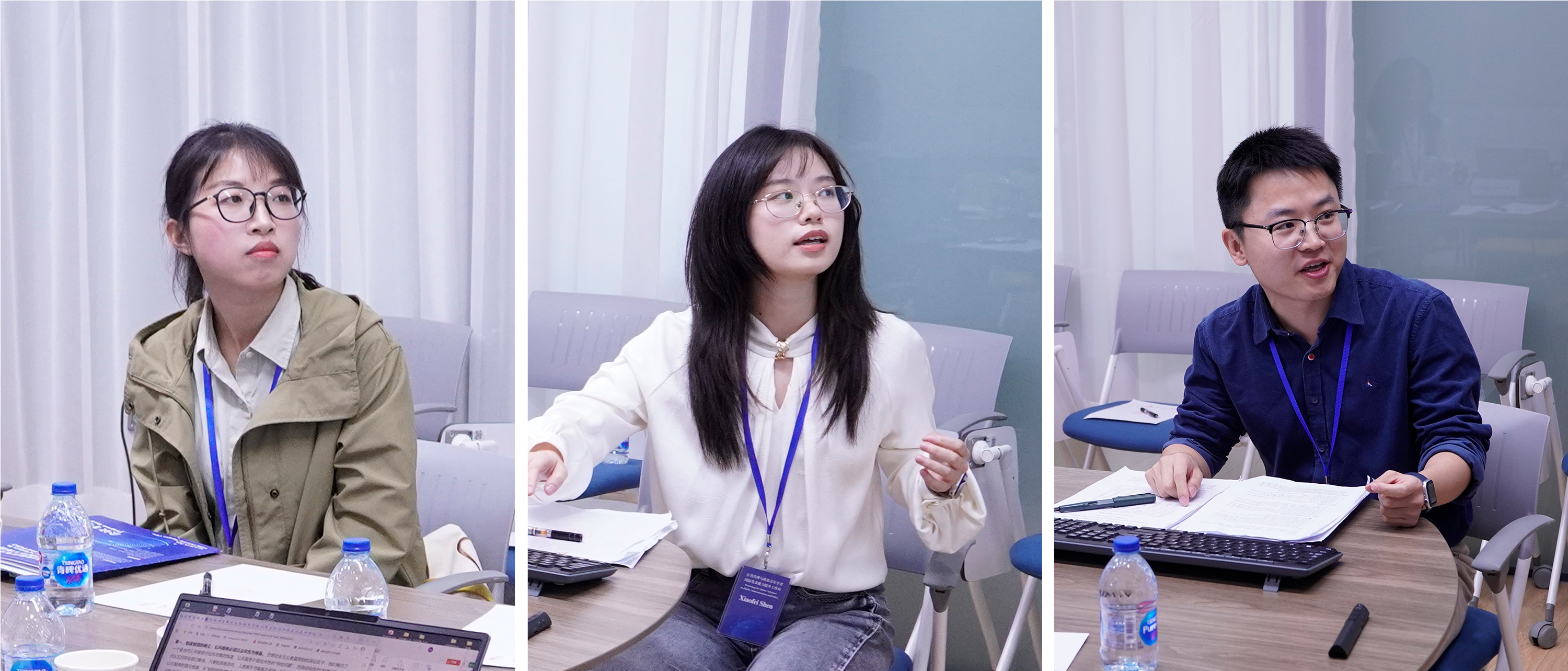
The closing ceremony was hosted by Associate Professor Fan. Following expert evaluation, the paper titled “Ownership, Contracting, and Governance Trade-offs in Public Service Delivery: Evidence from Public–Private Partnerships” by Xiaofei Shen was awarded Best Paper.