LSE-Fudan Centre


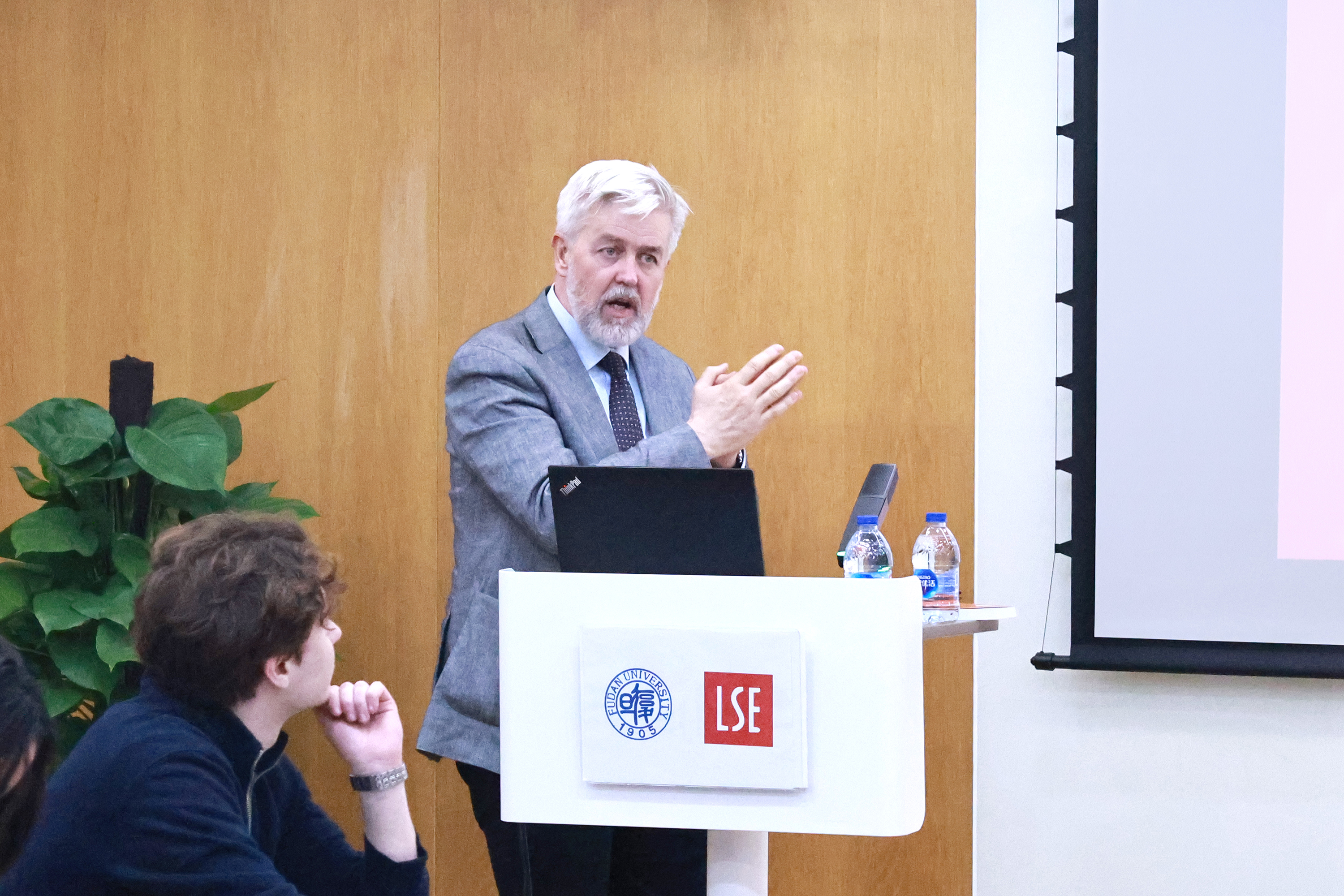
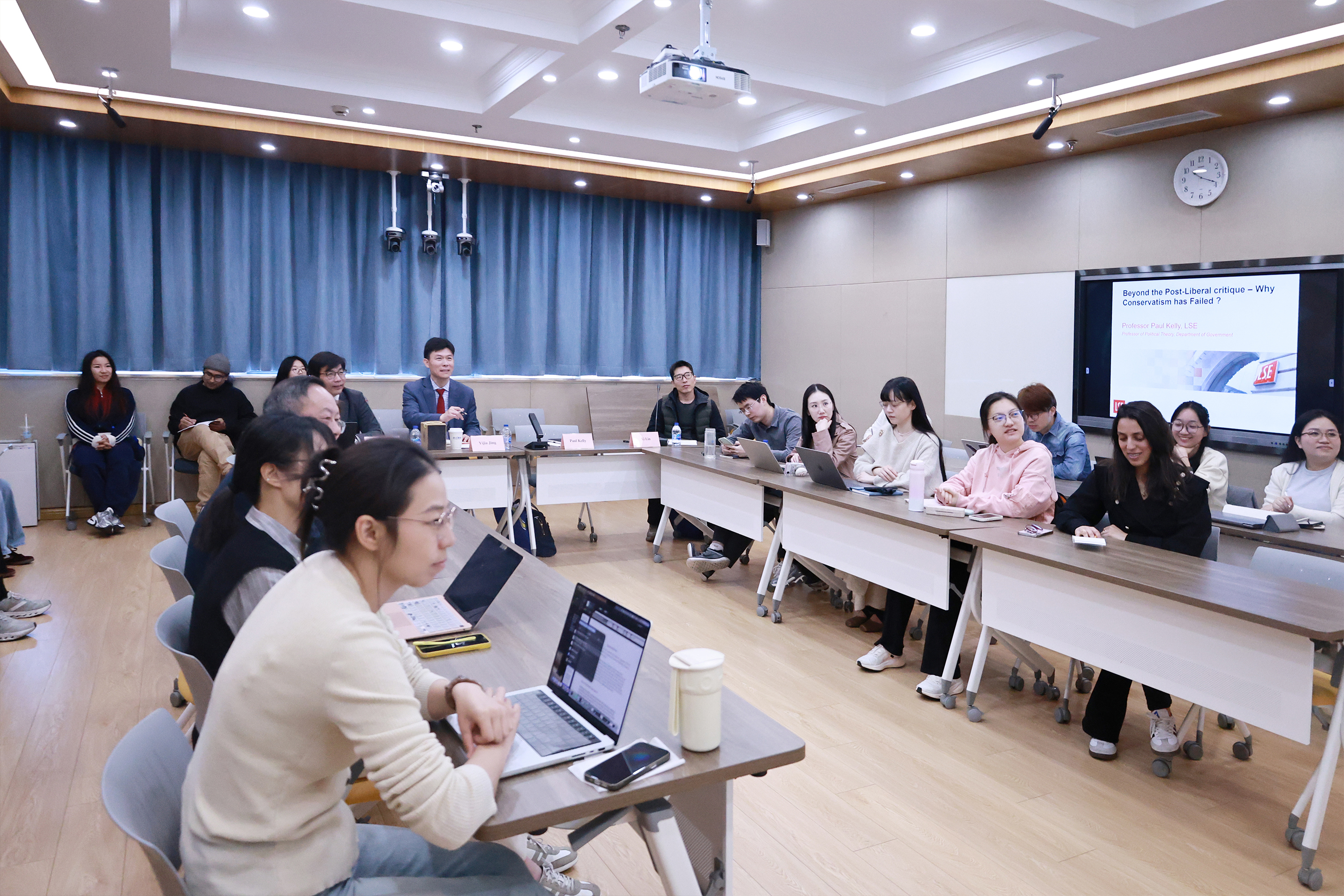
On April 7, 2026, the Fudan Institute for Global Public Policy (IGPP) organized the 85th lecture of the Fudan-LSE Lecture Series. Professor Paul Kelly from LSE delivered a lecture on the theme of Beyond the Post-Liberal critique — Why Conservatism has Failed. The session was chaired by Dean Yijia Jing of IGPP, with Professor Gangsheng Bao from the School of International Relations and Public Affairs and Professor Xi Lin from the Institute for Advanced Study in Social Sciences serving as discussants.
Professor Kelly is a leading scholar in political theory and contemporary Western political thought, He previously served as Vice President of LSE and is currently serving his second term as Head of the Department of Government. He has long been an active advocate of academic collaboration between LSE and Fudan University and has previously delivered lectures in the Fudan–LSE Lecture Series.
Professor Kelly outlined the theoretical background of his recent research. He noted the emergence of a new intellectual trend in Anglo-American political thought, often described as “post-liberalism.” It critiques what it sees as excessive individualism and value nihilism within liberal political culture and advances new political visions centered on the “common good.” Professor Kelly then linked the rise of post-liberalism to the contemporary challenges facing conservatism, tracing the intellectual development of conservative thought. Beginning with classical thinkers such as Burke and Coleridge, he reviewed different trajectories since the 20th century, including traditionalism, liberal conservatism, and American “fusionism.”
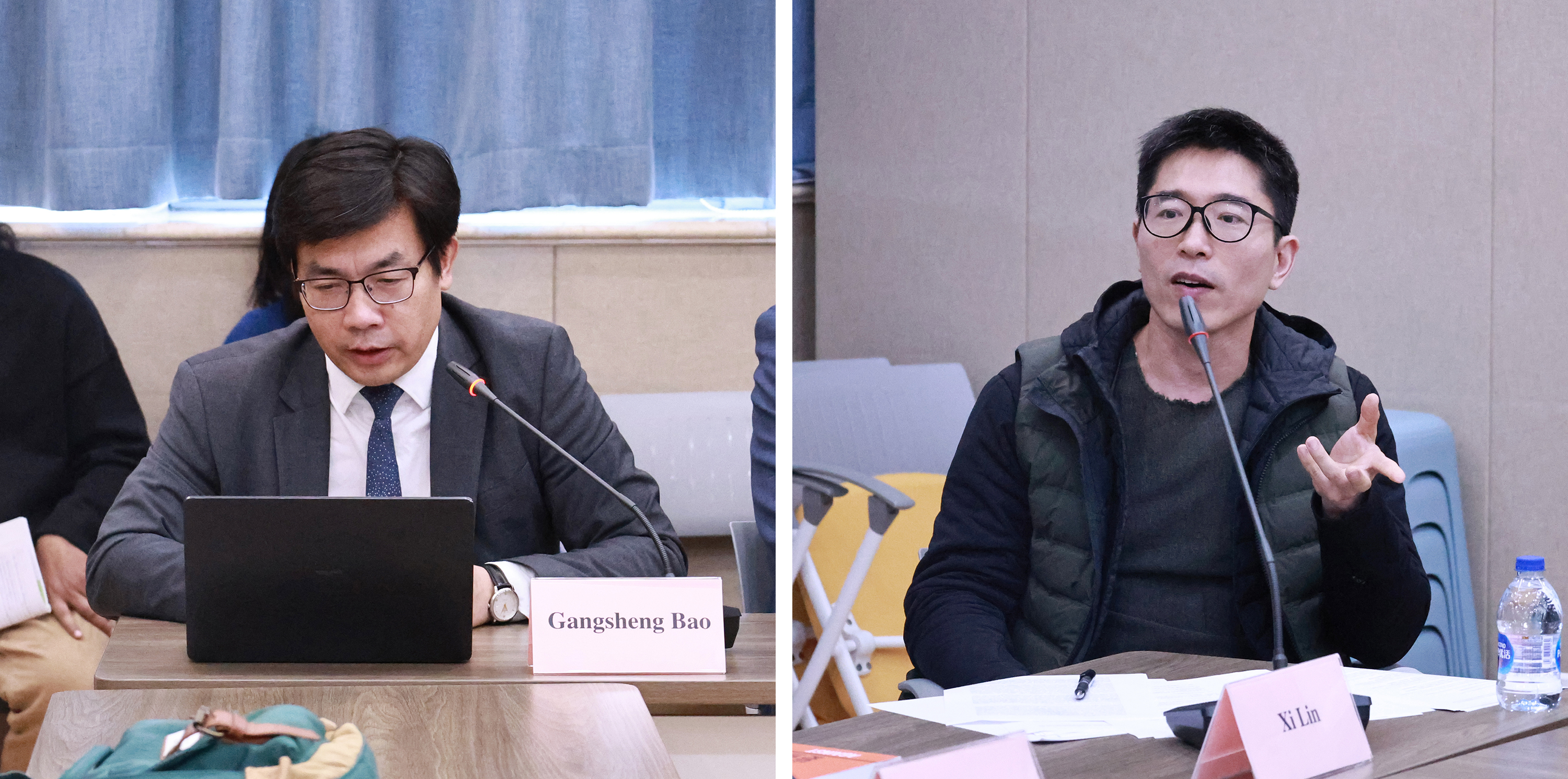
In the discussion session, Professors Bao and Professors Lin commented on the lecture, suggesting that the rise of extreme conservatism and populism effectively represents a negation of conservatism itself. They noted that responses to this perceived failure are marked by contradictions and inconsistencies in both the short and long term, reflecting the complexity and internal disorder of contemporary societal development.
During the Q&A session, faculty members and students engaged Professor Kelly in in-depth discussions on topics such as the historical evolution of conservative thought. Professor Kelly encouraged students to pay close attention to historical trajectories and to adopt a comparative perspective in understanding the interaction and evolution of different ideologies.
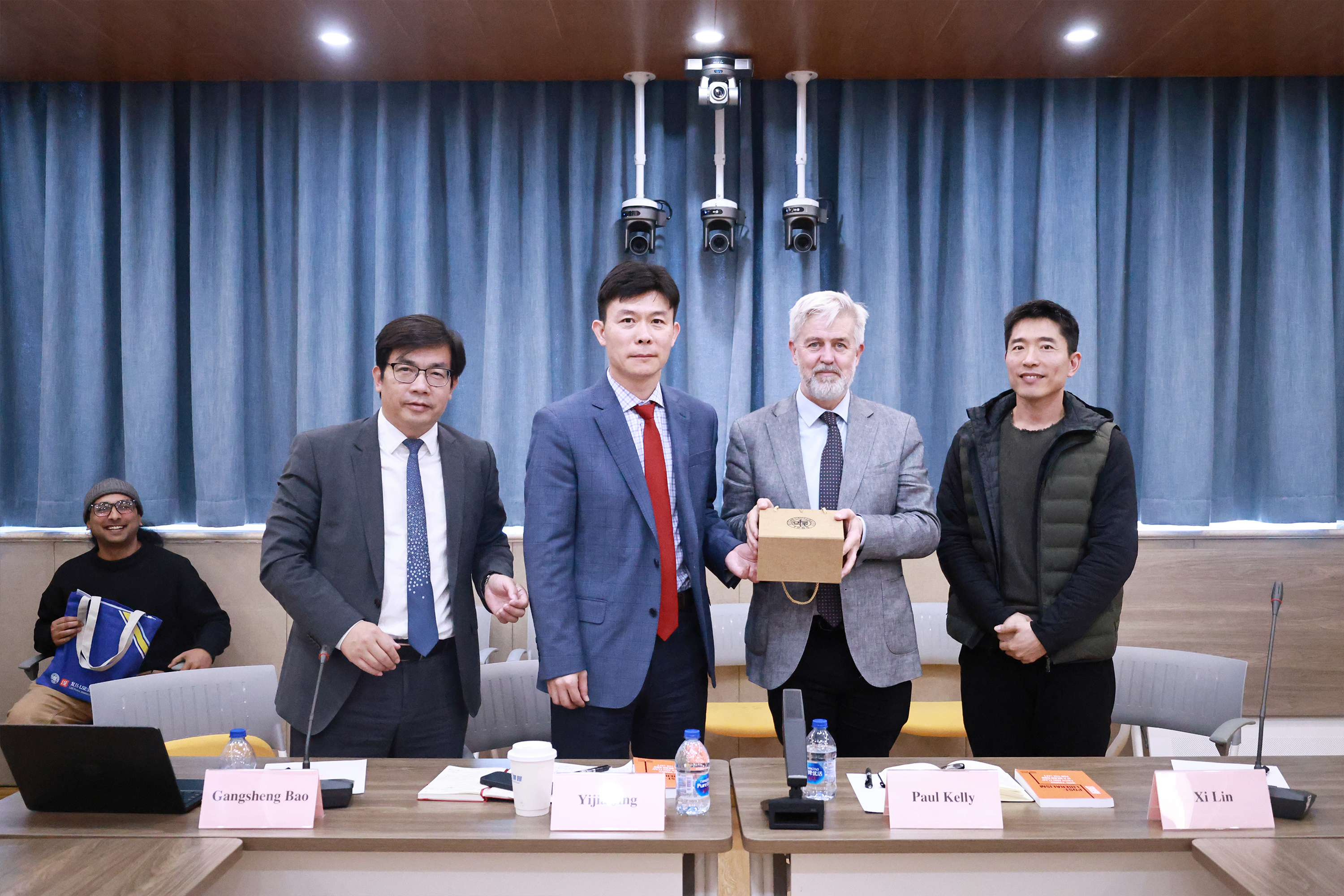
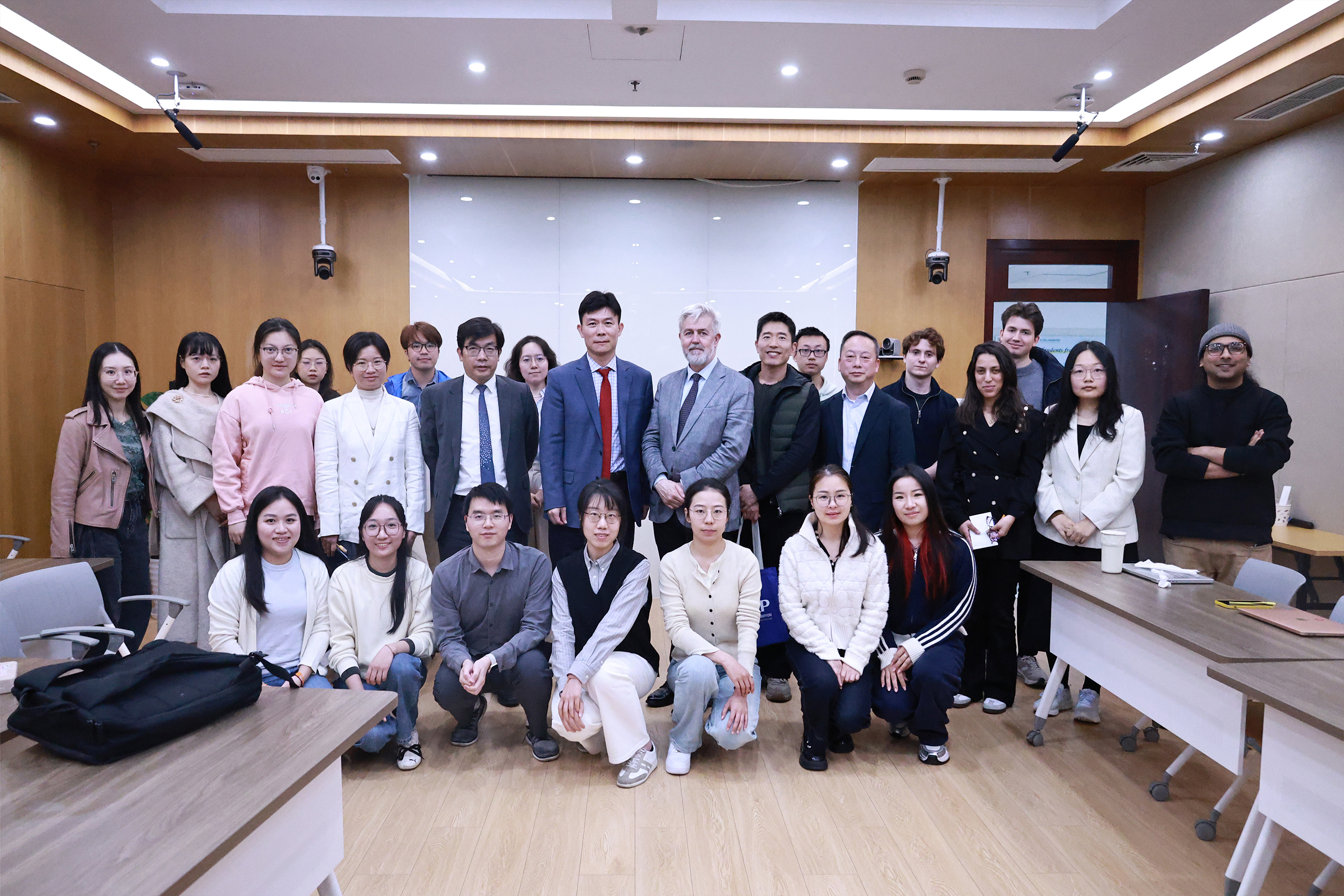
After the lecture, Dean Jing presented commemorative gifts to Professor Kelly. The event concluded with a group photo of the faculty and students.