Events


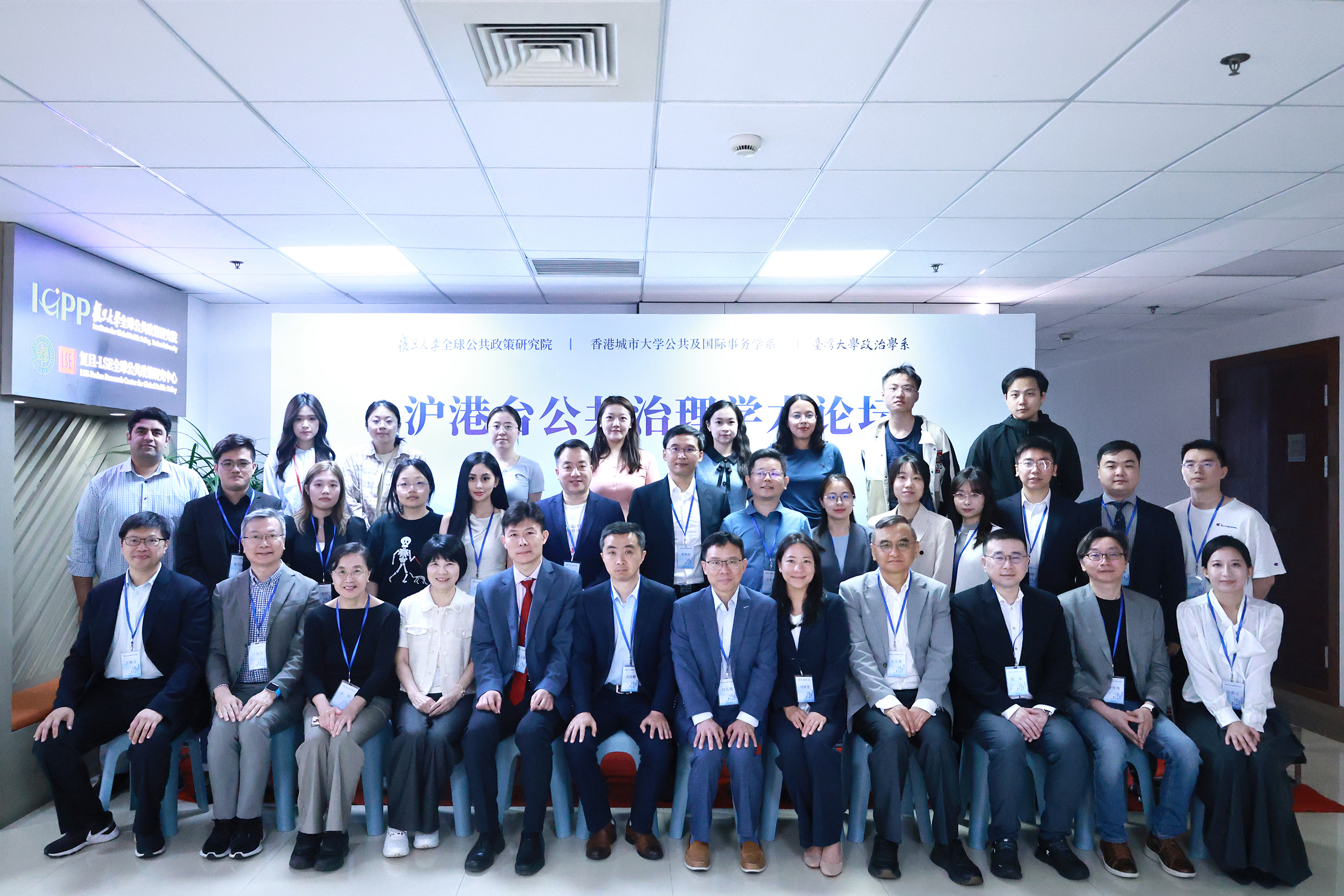
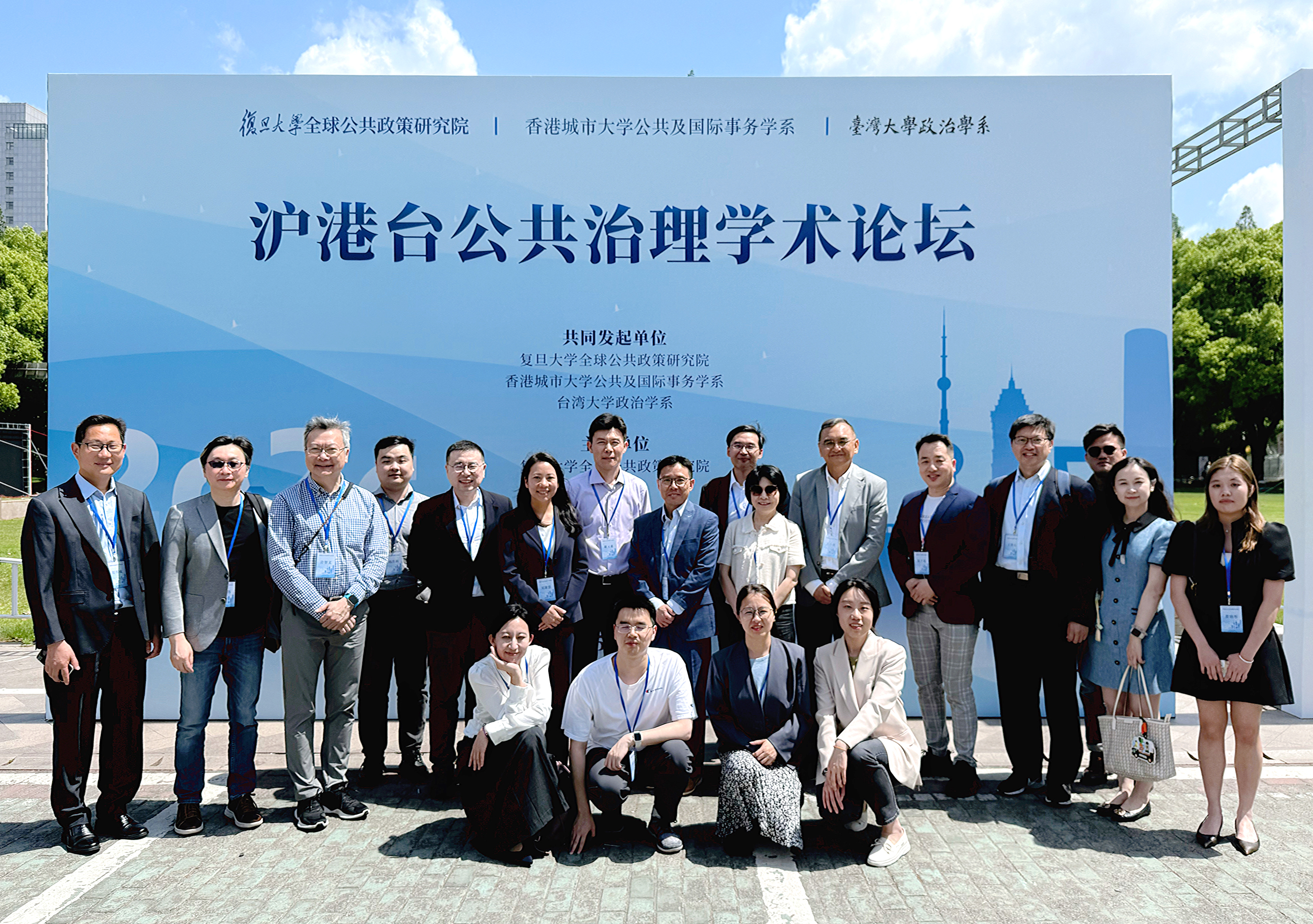
From May 16 to 17, 2026, the revived Shanghai–Hong Kong–Taipei Academic Forum on Public Governance was successfully held at Fudan University. The forum was jointly initiated by the Institute for Global Public Policy (IGPP) at Fudan University, the Department of Public and International Affairs at City University of Hong Kong (CityUHK), and the Department of Political Science at Taiwan University. The event was hosted by IGPP and organized by the LSE –Fudan Research Centre for Global Public Policy. Scholars from universities and research institutions in Shanghai, Hong Kong, and Taipei gathered at Fudan to engage in in-depth discussions on major theoretical and practical issues in public governance.
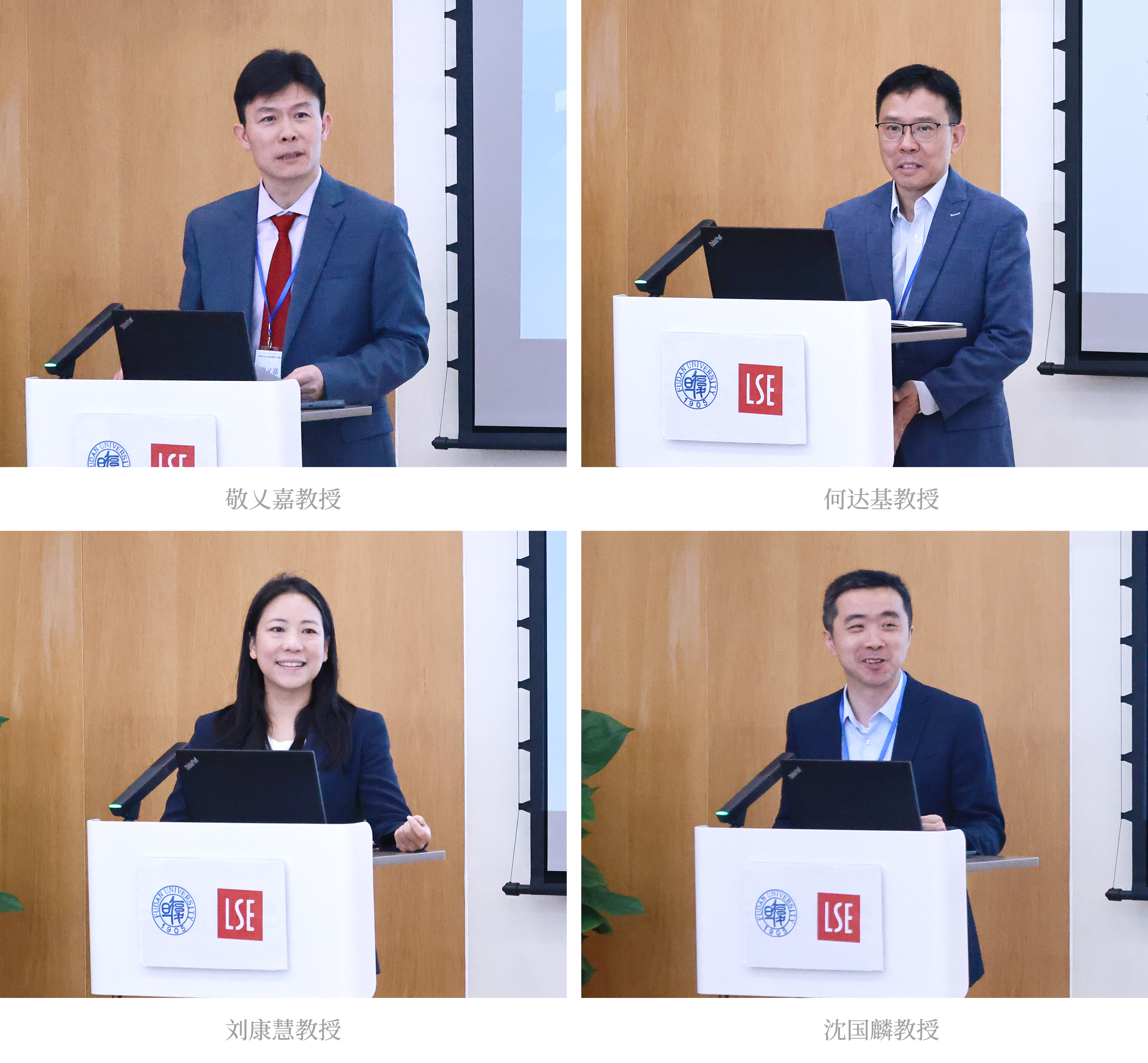
At the opening ceremony, Dean Yijia Jing of IGPP delivered remarks on behalf of the organizers. He emphasized that IGPP is rooted in Shanghai while maintaining a global outlook, with the goal of building a leading public policy school grounded in the Global South. He expressed hope that the three partner institutions would work together to develop the forum into a vibrant academic platform characterized by intellectual quality, strong interpersonal connections, and meaningful scholarly outcomes. Dean Tat Kei Ho of the College of Liberal Arts and Social Sciences at CityUHK noted the increasing importance of collaborative research in today’s academic landscape and highlighted opportunities for further cooperation in urban governance, social innovation, AI governance, and global governance. Chair Helen K. Liu of the Department of Political Science at Taiwan University expressed strong support for the forum and recognized its value as a platform for exchanging academic insights and governance experiences across the three regions. Director Guolin Shen from the Office of Hong Kong, Macao and Taiwan Affairs at Fudan University congratulated the forum on its revival and emphasized the importance of academic exchange and collaboration. He noted that the three universities share common intellectual roots while operating in distinct institutional and practical contexts, making the combination of similarities and differences a particularly fertile ground for scholarly dialogue. The opening ceremony was moderated by Associate Dean Haoqi Qian of IGPP.
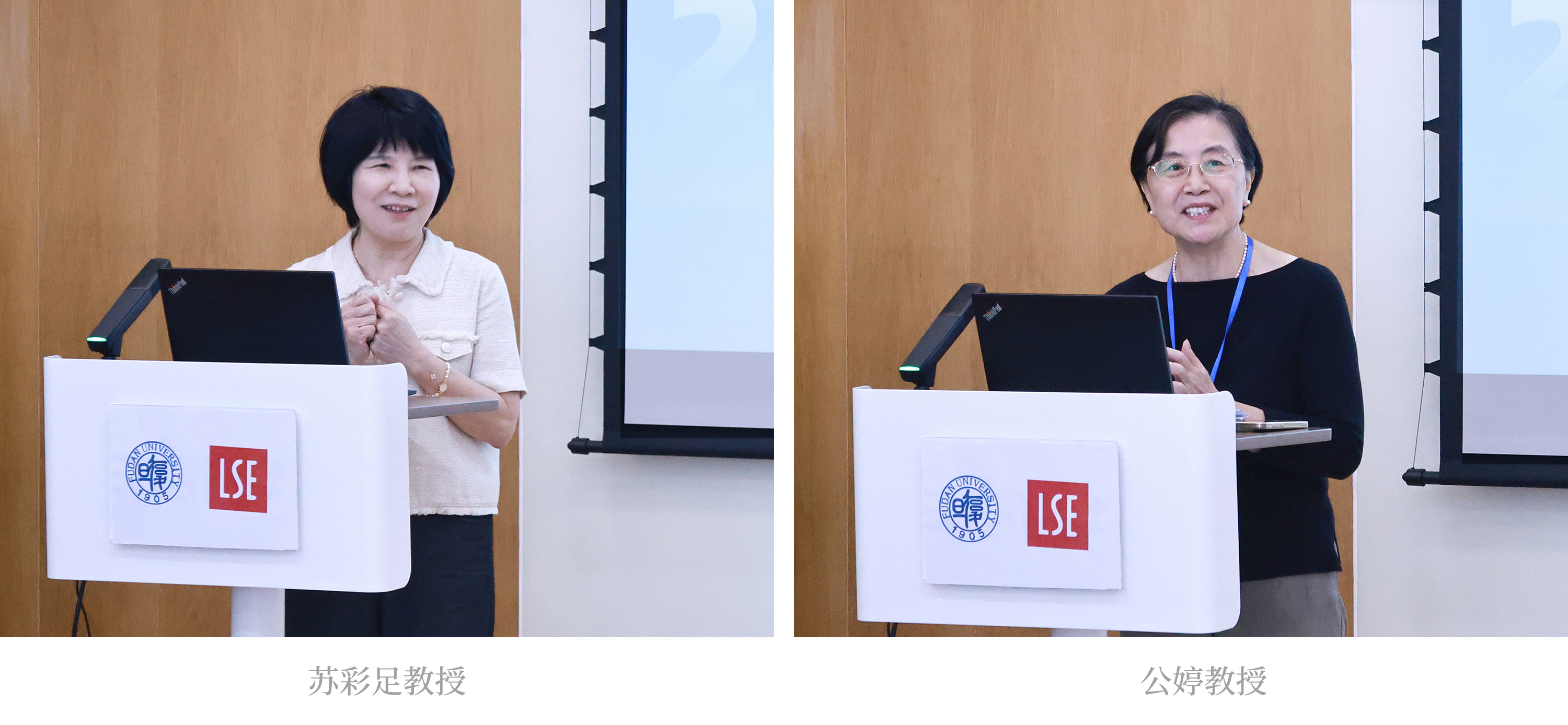
The subsequent “Forum Development Review” session was chaired by Dean Jing. Professor Tsai-tsu Su, Emeritus Professor at Taiwan University, reviewed the history of the forum since its founding, emphasizing that it has served not only as a platform for academic exchange but also as a means of strengthening personal ties among scholars and facilitating the transformation of research into practical impact. Professor Ting Gong, Fudan Chair Professor at IGPP and Adjunct Professor at CityUHK, reflected on the themes and characteristics of previous forums, noting their high academic quality and interactive design, which foster deep intellectual engagement and debate. Dean Jing also briefly revisited the forum’s founding and revival process, expressing gratitude to scholars from the three institutions for their enduring commitment and reunion. Since its launch in 2013, the forum has remained an important platform for public governance scholarship, continuously promoting dialogue and collaboration on public policy, public administration, and governance innovation.
The “Journal Forum” session was chaired by Associate Dean Xiaohu Wang of the College of Liberal Arts and Social Sciences at CityUHK. Scholars from the three institutions introduced major journals in the field of public administration and governance. Professor Chi Man Eddie Hui at CityUHK, Editor-in-Chief of Habitat International; Chair Liu, editorial board member of Taiwanese Journal of Political Science; Associate Professor Chih-Wei Hsieh at CityUHK, Associate Editor of Public Administration; and Dean Yijia Jing, Editor-in-Chief of Global Public Policy and Governance, discussed the research priorities, thematic directions, and publication experiences associated with their journals. The session provided participants with valuable insights into international academic publishing and research dissemination. Through editing and organizing these influential Chinese- and English-language journals, the three institutions jointly contribute to knowledge production and shape key research agendas in public governance.
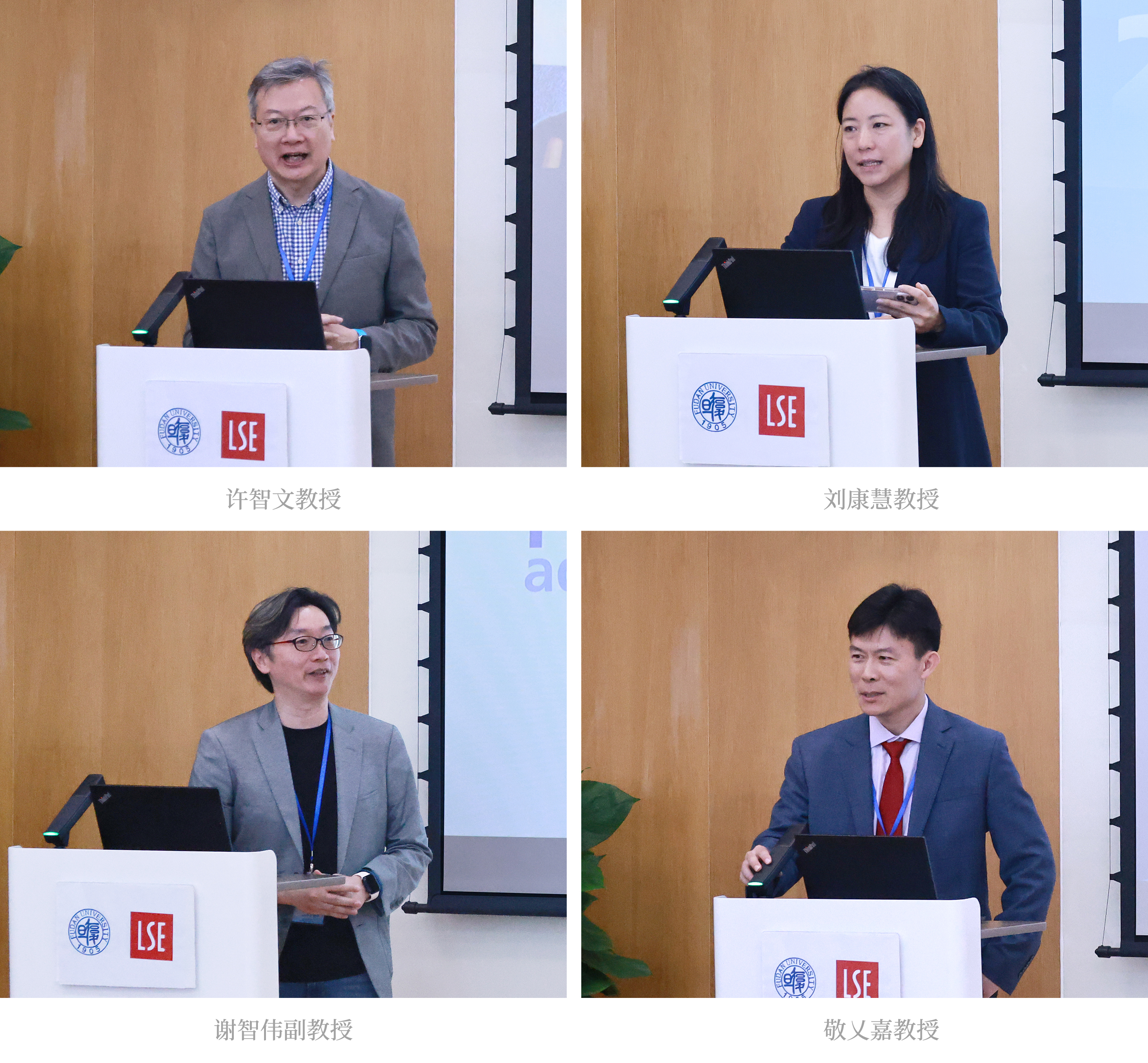
The forum featured five parallel sessions covering a wide range of cutting-edge topics, including digital governance, artificial intelligence, collaborative governance, corruption, public human resource management, social governance, and sustainable development.
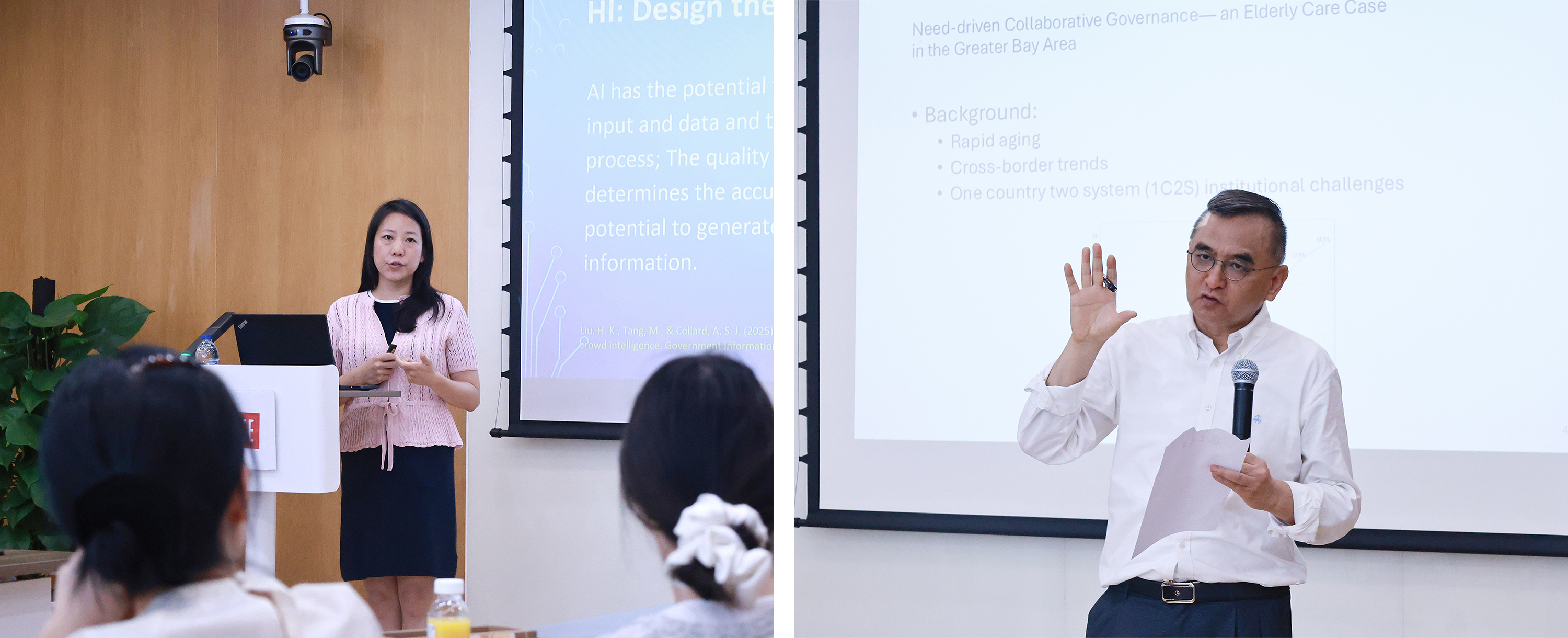
Panel I was chaired by Dean Ho, with Associate Professor Meijun Liu from IGPP serving as discussant. Chair Liu, Professor Chun-yuan Wang from Central Police University, and Master’s student Weijie Lin explored strategies for introducing hybrid intelligence into disaster management. Associate Dean Edmund Cheng of the College of Liberal Arts and Social Sciences at CityUHK analyzed how digital platforms shape vertical communication and government responsiveness in China. Associate Professor Ziteng Fan from IGPP proposed a public policy analytical framework focusing on risk governance and public policy preferences in the context of “machine replacing humans.”
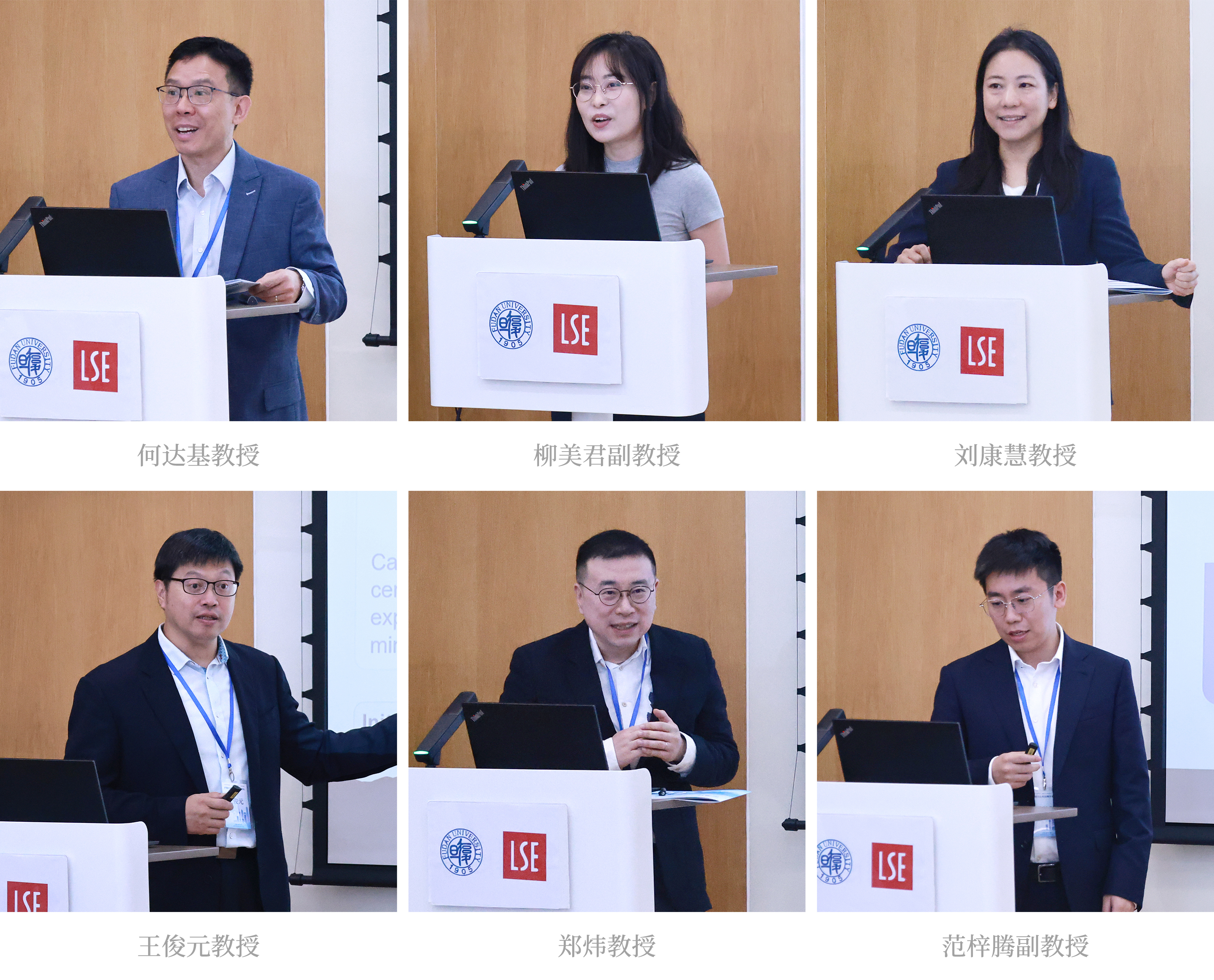
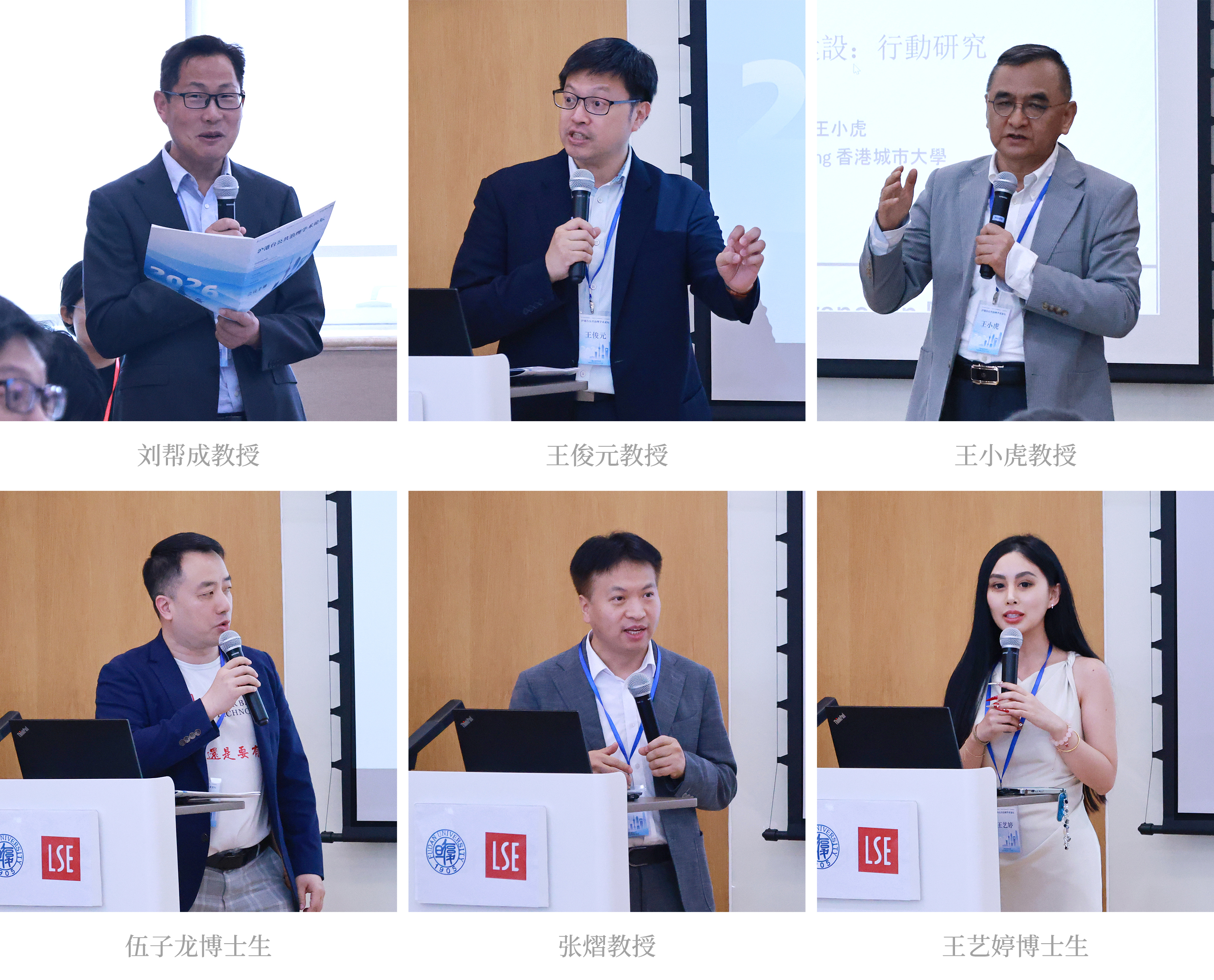
Panel II was chaired by Associate Dean Bangcheng Liu of the School of International and Public Affairs at Shanghai Jiao Tong University, with Professor Chun-yuan Wang serving as discussant. Professor Xiaohu Wang examined demand-driven collaborative governance through the case of elderly care in the Guangdong–Hong Kong–Macao Greater Bay Area. Doctoral student Zilong Wu from IGPP focused on the bridging role of university governance in cross-regional technology entrepreneurship between Hong Kong and Shanghai. Dean Yi Zhang of the School of Public Administration at Shanghai University of Finance and Economics analyzed high-quality population development and socioeconomic transformation in China. Doctoral student Yiting Wang from IGPP discussed political challenges, institutional responses, and policy change.
Panel III was chaired by Associate Dean Edmund Cheng, with Assistant Professor Wenyan Tu from IGPP serving as discussant. Professor Hui examined the reconstruction of spatial power in tourism-driven rural China. Assistant Professor Shun-Wen Wu from the Department of Political Science at Taiwan University analyzed factors influencing actual turnover and turnover intention among newly recruited civil servants. Postdoctoral Fellow Tingzhong Huang fromg IGPP explored the relationship between bureaucratic representation and citizen evaluation. Associate Professor Hsieh compared Eastern and Western differences in the use of generative artificial intelligence for evaluating candidate attributes in public sector recruitment.
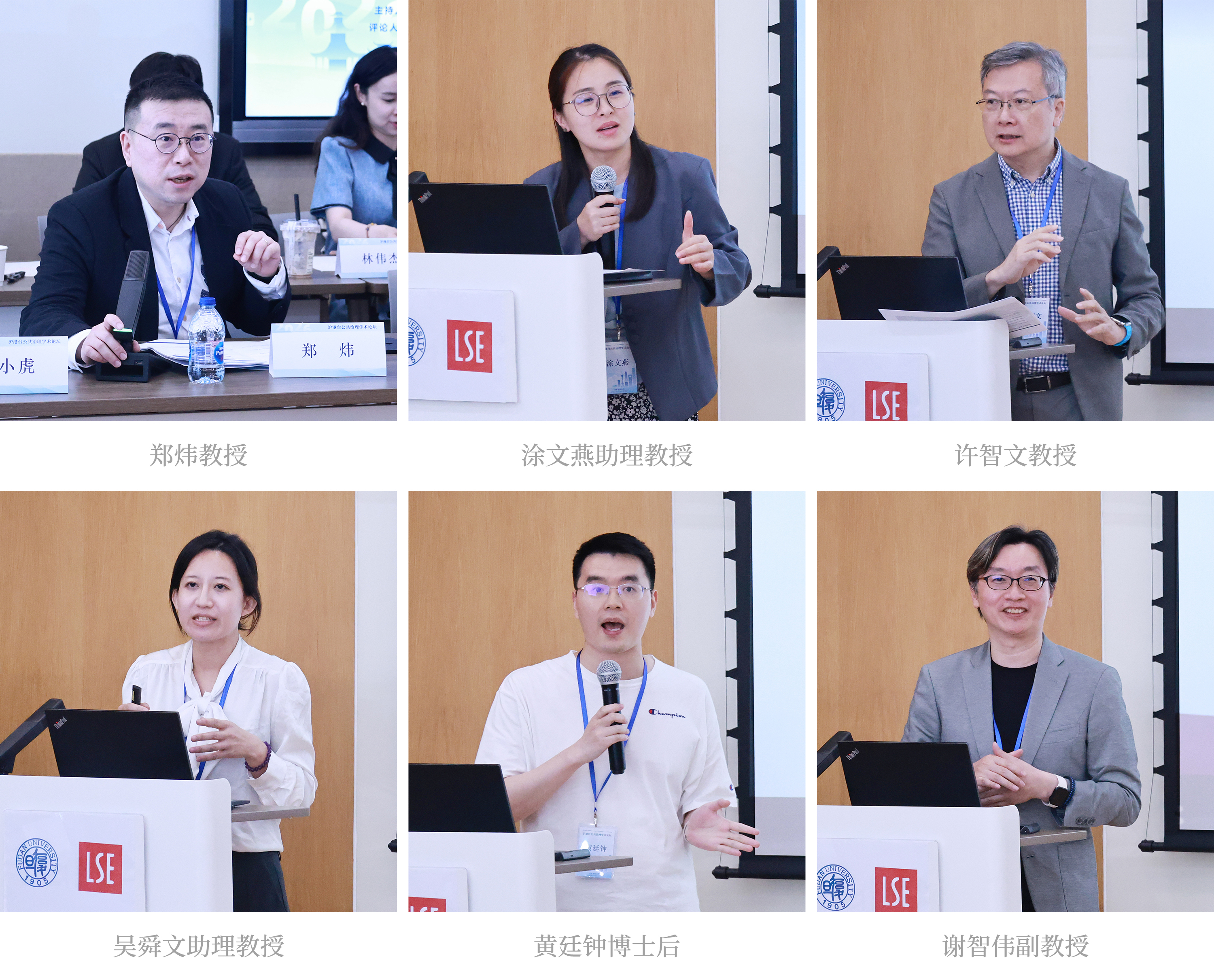
Panel IV was chaired by Professor Gong,, with Associate Professor Hsieh serving as discussant. Professor Li Tang, Deputy Chair of the Department of Public Administration at Fudan University, explored scientific development in the context of war. Professor Jinghan Zeng, Head of the Department of Public and International Affairs at CityUHK, analyzed China’s security and development discourse on the global AI order. Associate Professor Yunxiang Zhang, Chair of the Department of Public Administration at Shanghai Normal University, introduced a mixed-methods study combining structural topic modeling and grounded theory to investigate difficult grassroots demands in megacities. Associate Professor Zhongyuan Wang from the Institute for Advanced Social Sciences at Fudan University compared smart city governance and AI-enabled government hotline services in Shanghai and New York.
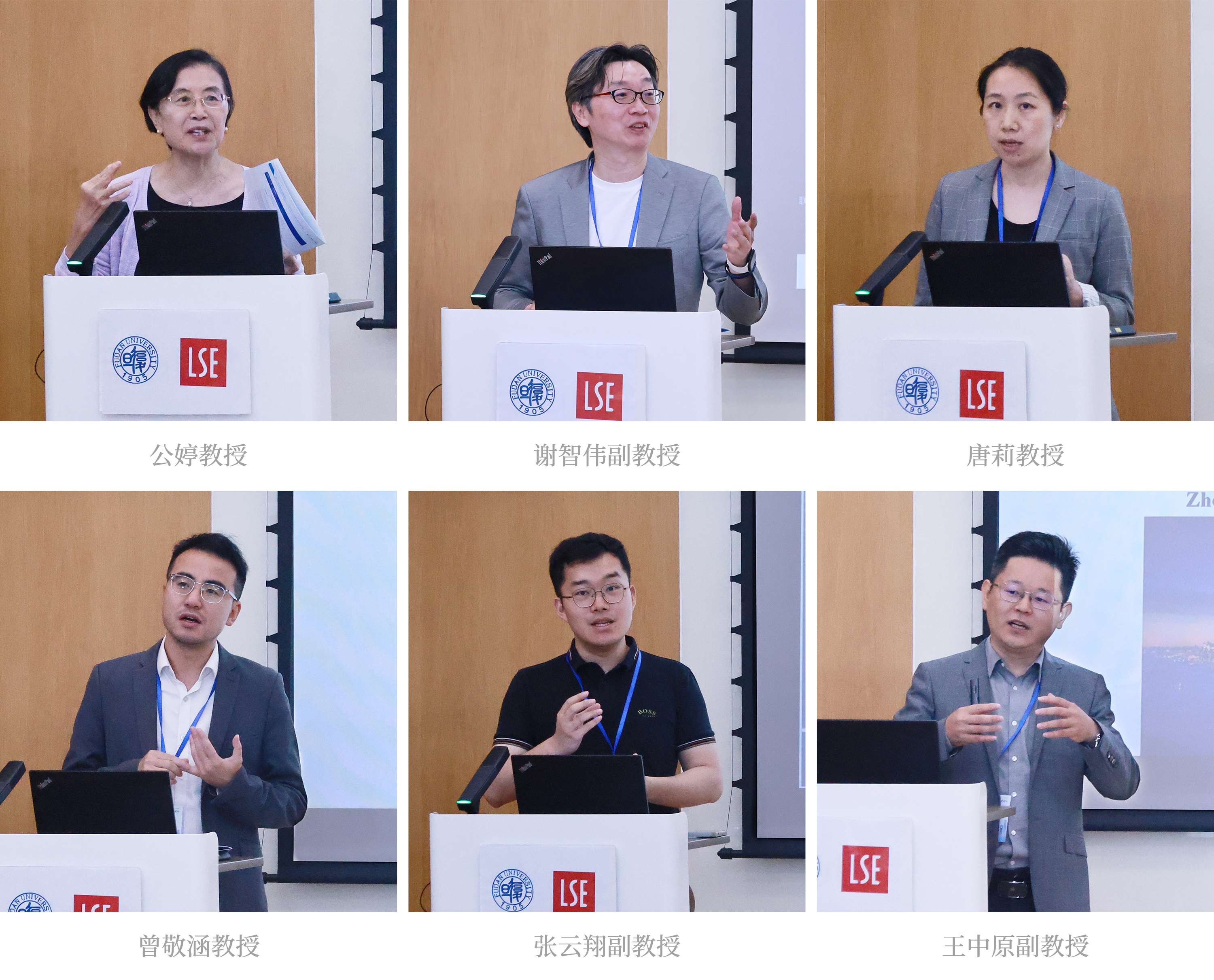
Panel V was chaired by Professor Su, with Assistant Professor Wu serving as discussant. Professor Gong proposed a tripartite analytical framework for understanding differences in corruption perception. Assistant Professor Tu examined the relationship among bribers, intermediaries, and corruption incubation periods. Assistant Professor Chung-Hsien Lee from the Department of Political Science at Taiwan University conducted a preliminary exploration of conceptualizing due diligence in corporate sustainability governance. Associate Dean Qian analyzed the alignment between policy signals and fiscal expenditure.
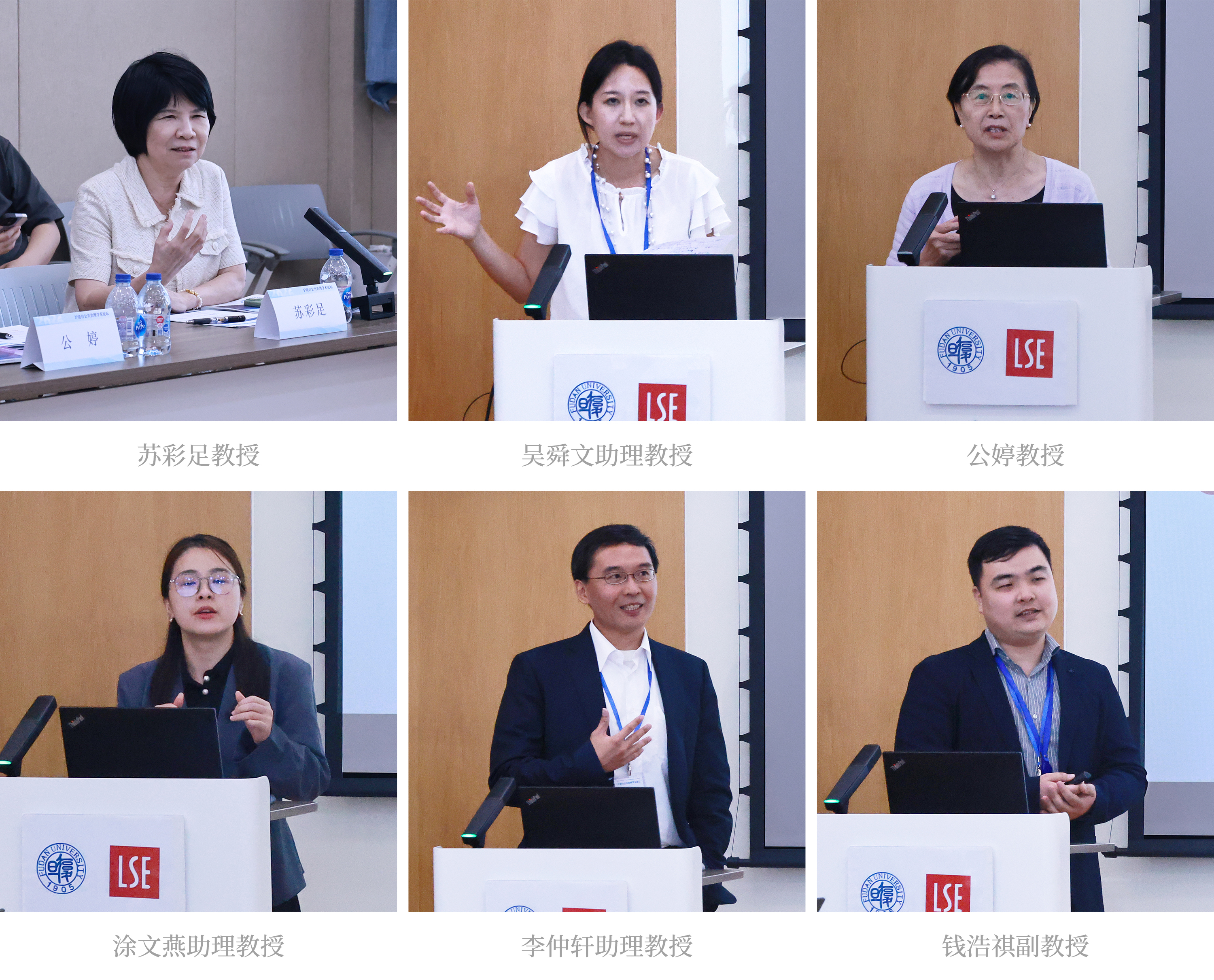
At the closing ceremony, representatives from the three universities concluded that the forum had been highly successful. Participants agreed that the event not only revived the strong academic exchange atmosphere established before the pandemic but also introduced new topics and high-quality research. The three parties jointly agreed that the next forum will be hosted by City University of Hong Kong in 2027.
Around the time of the forum, Chair Liu and Professor Xiaohu Wang were also invited to deliver academic lectures at IGPP on “The Development Hybrid Intelligence in the Public Sector” and “Building Governing Capacity in Collaboration: An Action Research,” respectively.