News


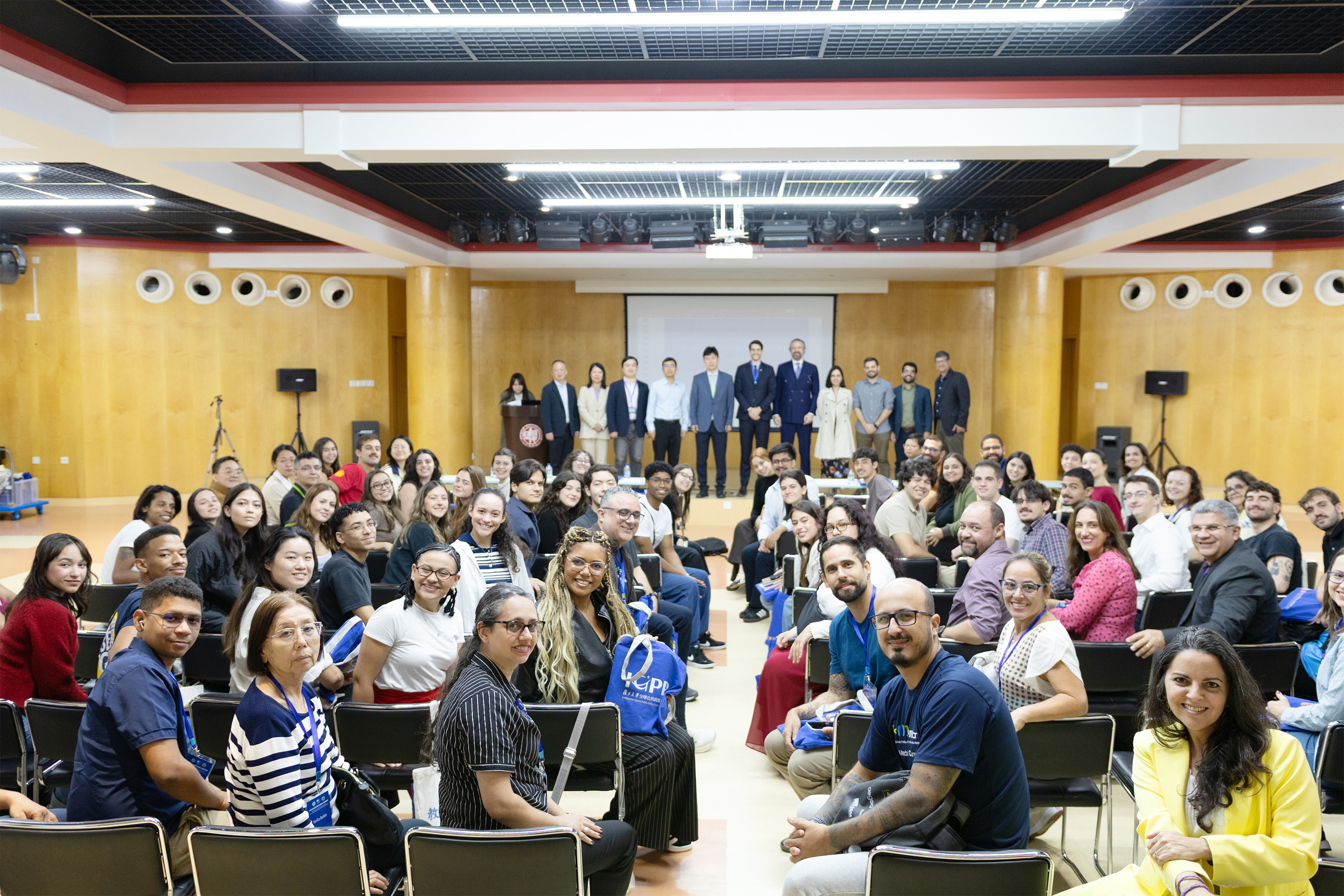
On May 9, 2026, the Seminar on the 2026 China–Brazil Cultural Year was held at the Institute for Global Public Policy (IGPP) at Fudan University. Participants included General Coordinator Victor Eyng of Basic Education at the Brazilian Ministry of Education; Professors Nelson Marconi, André Guzzi, and Tiago Couto from the Escola de Administração de Empresas de São Paulo da Fundação Getulio Vargas (FGV-EAESP); Dean Yijia Jing, Associate Dean Haoqi Qian, and Fudan Chair Professor José Puppim de Oliveira from IGPP; Professor Ping Zhang from the School of International Relations and Public Affairs; Associate Professor Ting Cao from the Institute of International Studies; Professor Xingfeng Huang from Shanghai Normal University; Professor Rodrigo Zeidan from New York University Shanghai; as well as scholars, Brazilian education officials, and students from both countries.
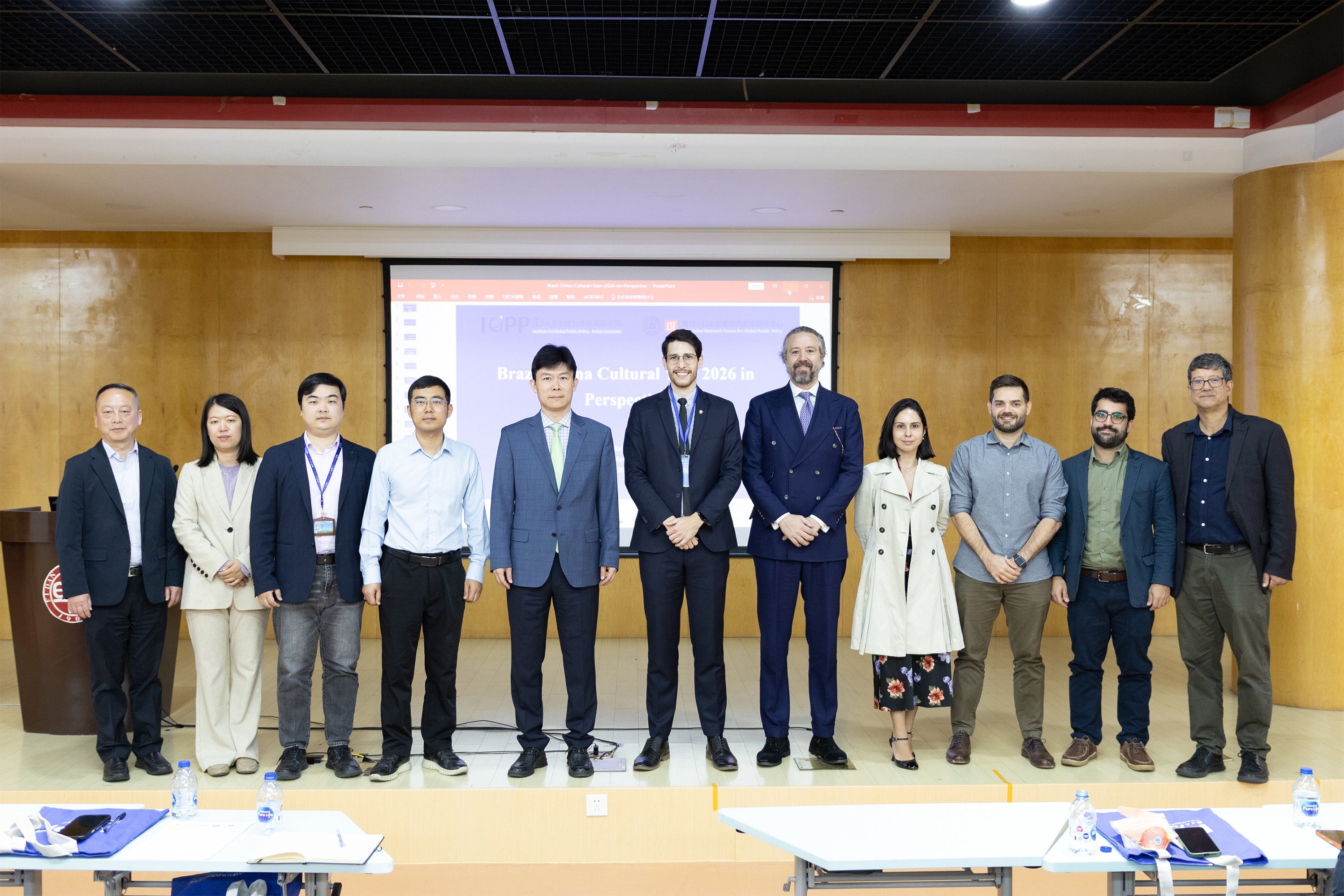
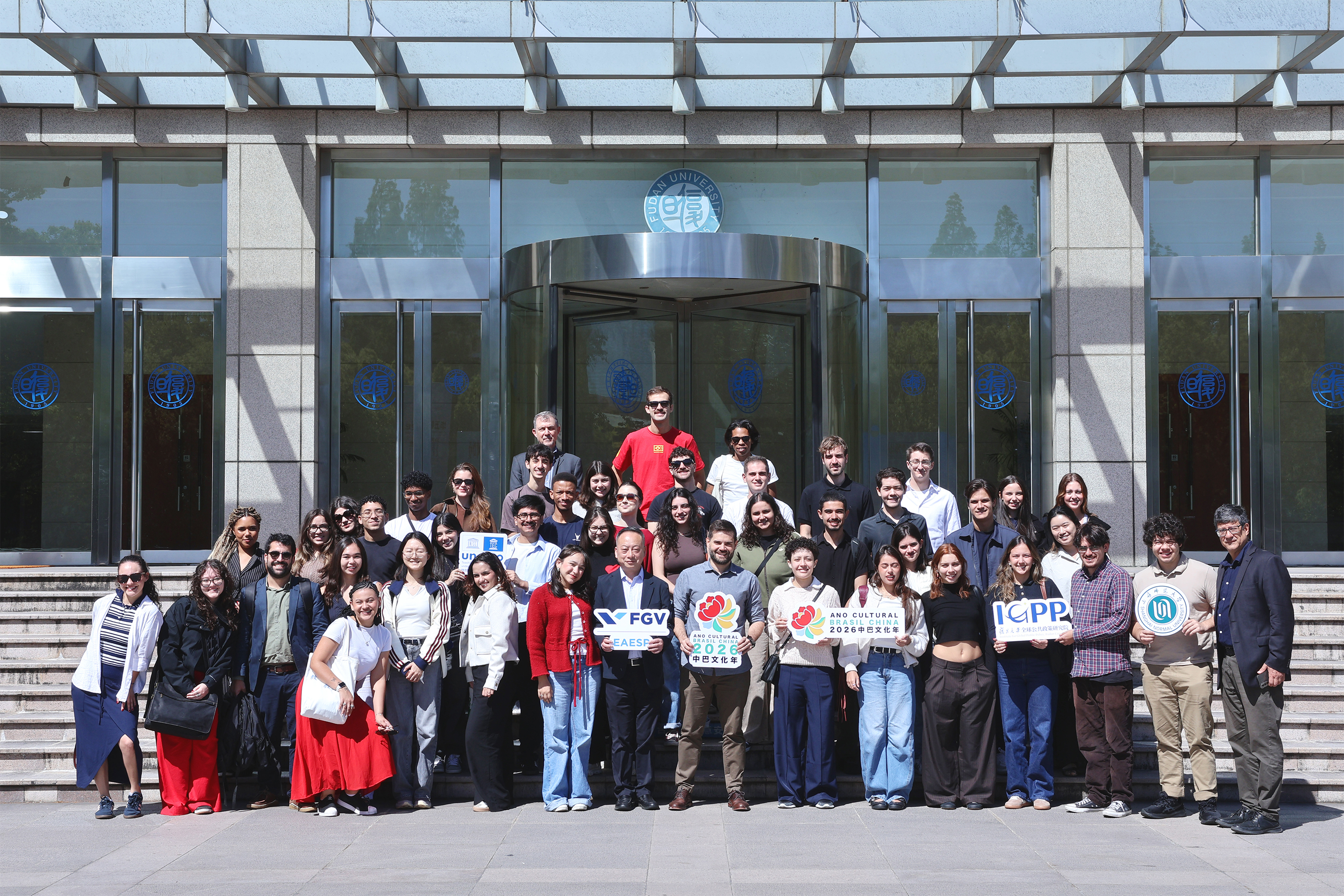
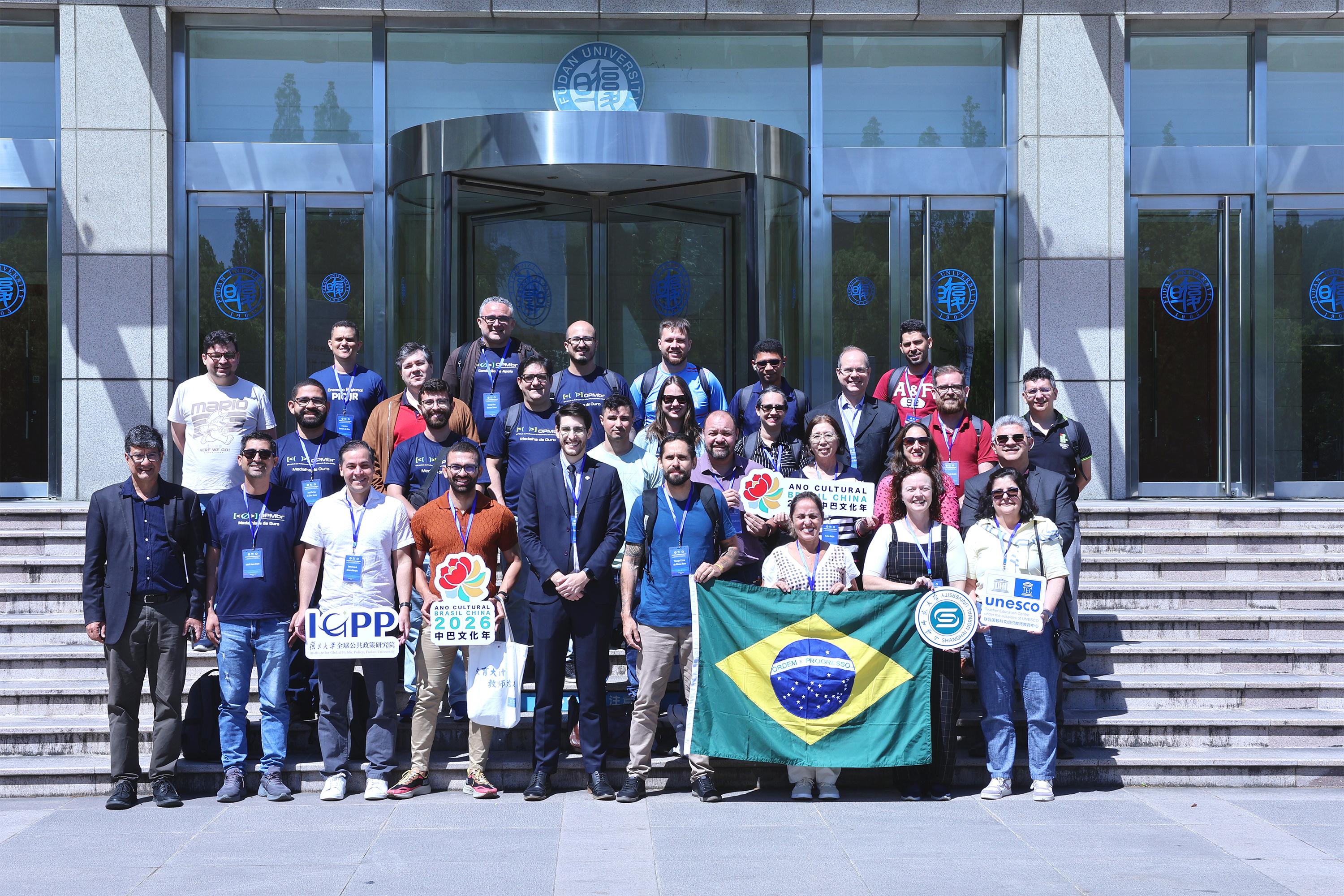
The seminar was chaired by Professor José Puppim de Oliveira. The event focused on educational and economic exchanges, exploring existing practices and future cooperation potential in China–Brazil cultural exchange from multiple perspectives.
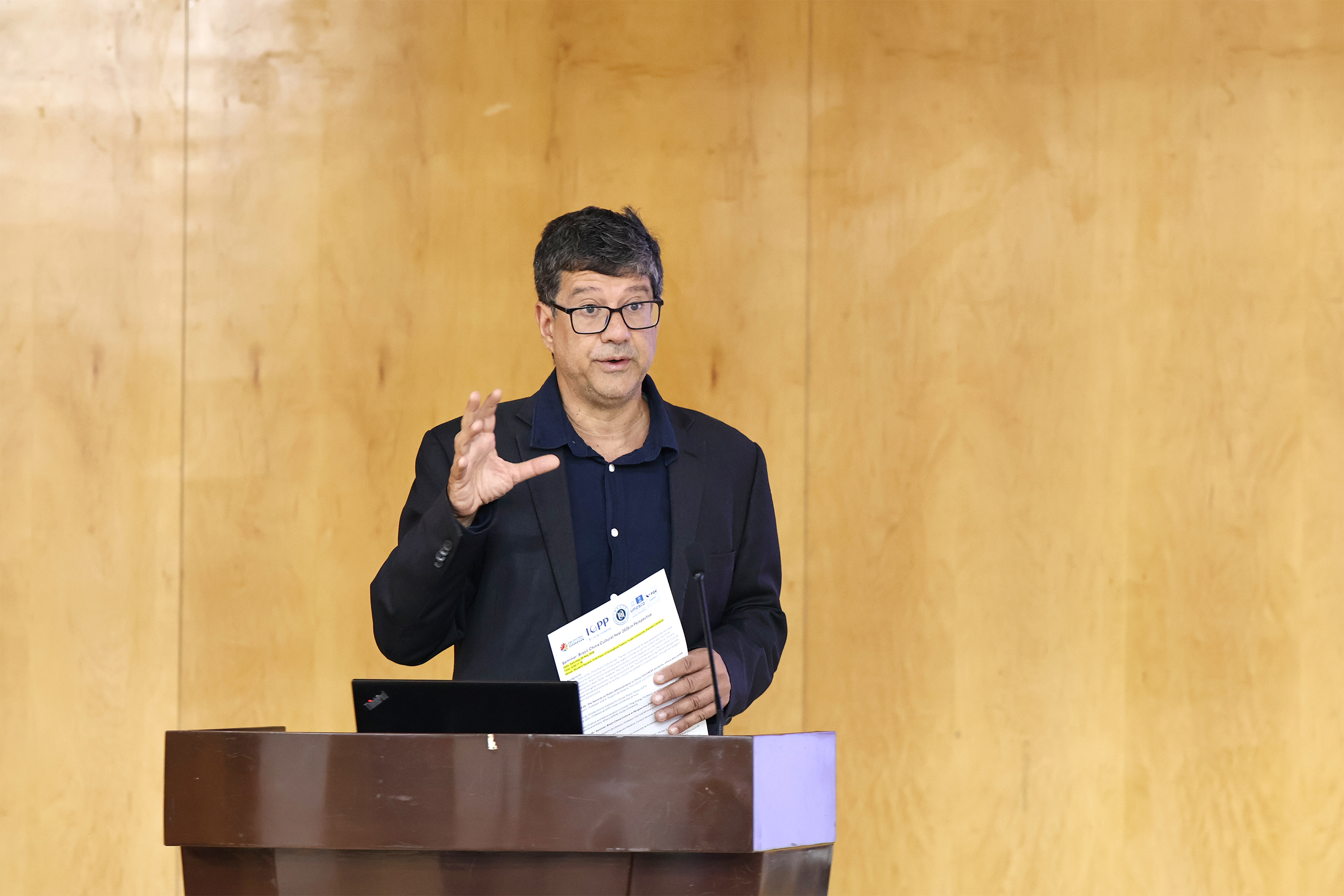
Prior to the formal discussion, Associate Dean Qian introduced the overall development of IGPP, providing a structured overview of its establishment, research centers, faculty strength, degree programs, scholarship system, international collaboration network, academic publications, and monograph output. He highlighted the institute’s internationalized training model and academic influence in the field of global public policy.
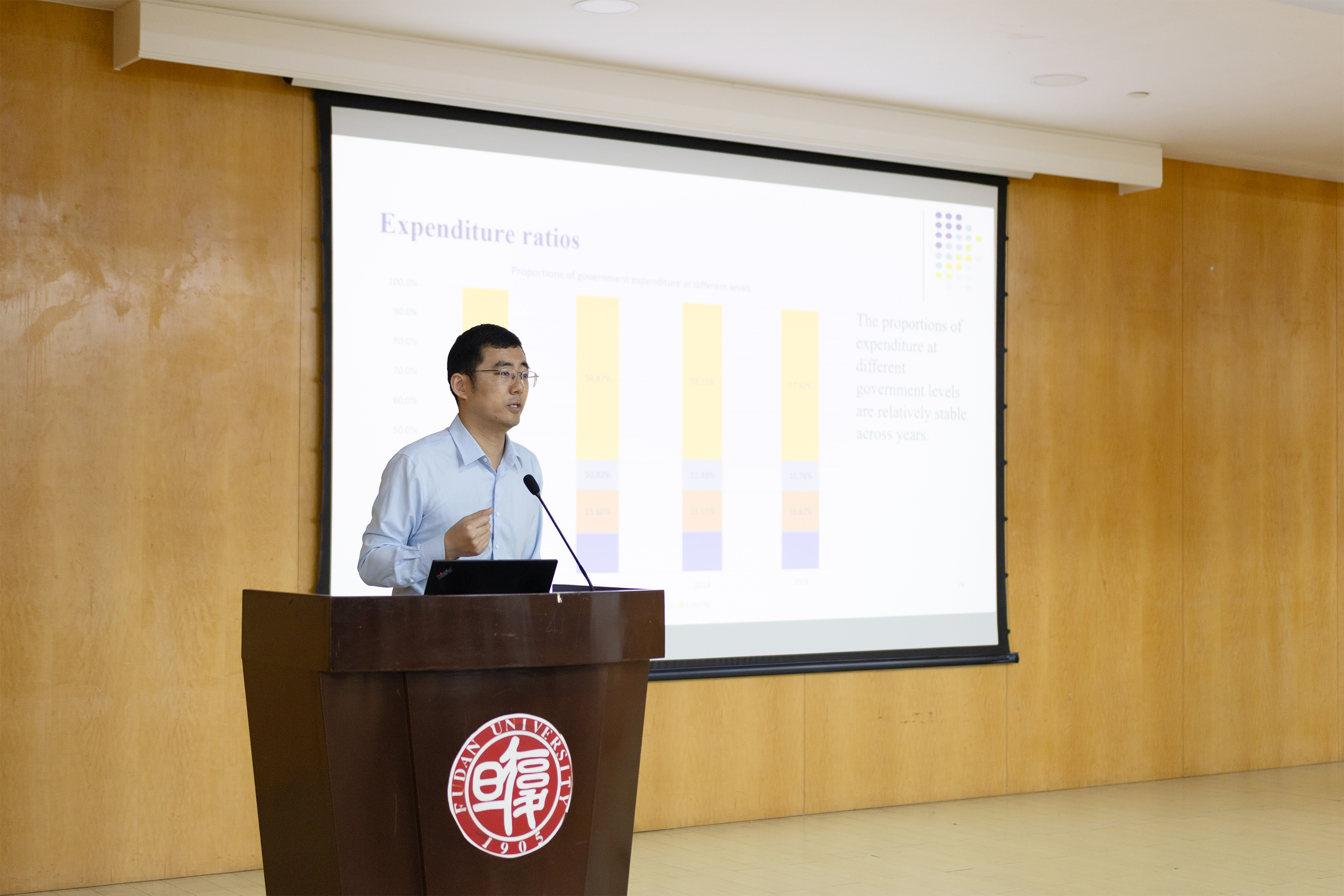
Professor Zhang delivered a keynote on the theme of China’s Public Finance and Public Governance. His talk centered on four main dimensions, government structure, expenditure system, revenue system, and intergovernmental fiscal relations. Using data on GDP, fiscal revenues and expenditures, tax structure, and central–local fiscal responsibilities, he conducted a detailed analysis of issues such as U.S.–China public debt comparisons and China’s local government debt and land finance system.
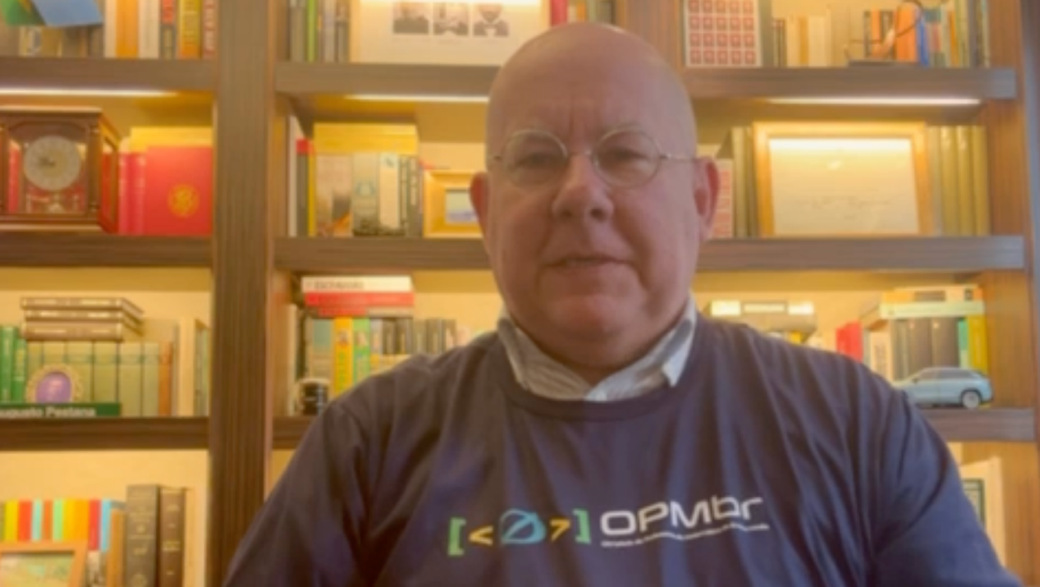
The seminar then officially commenced. Brazilian Consul General in Shanghai Augusto Pestana delivered a video address, extending greetings to participants. He emphasized that public diplomacy is not only the responsibility of professional diplomats but also of Brazilian citizens in China, who serve as ongoing ambassadors of Brazilian culture and national image. He encouraged continued efforts to promote Brazilian culture and strengthen China–Brazil friendship.
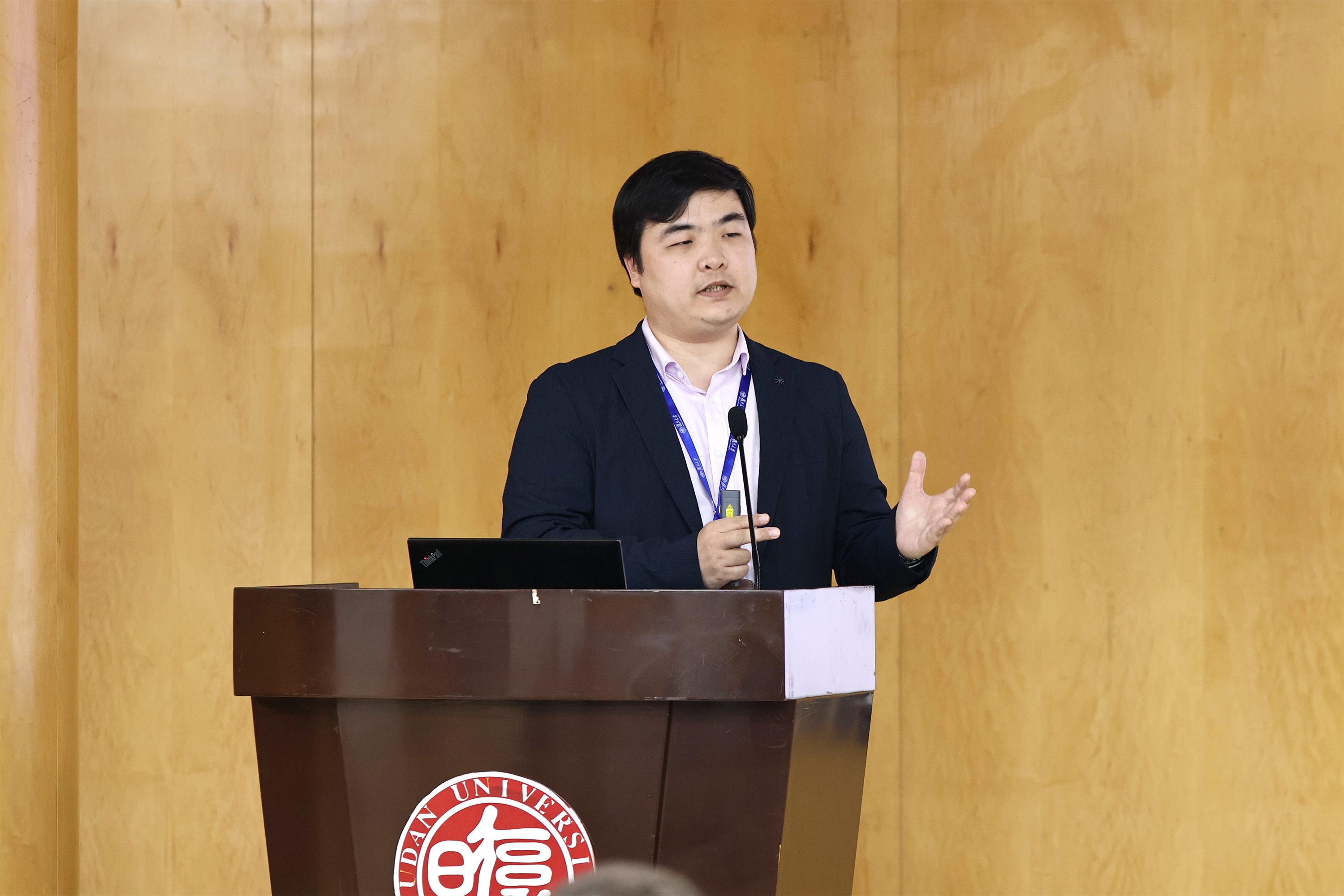
On behalf of IGPP, Dean Jing delivered welcoming remarks, expressing sincere appreciation to visiting scholars and students. He encouraged participants to experience Shanghai’s local culture and cuisine, deepen mutual understanding through interaction, and further strengthen academic and cultural cooperation between China and Brazil.
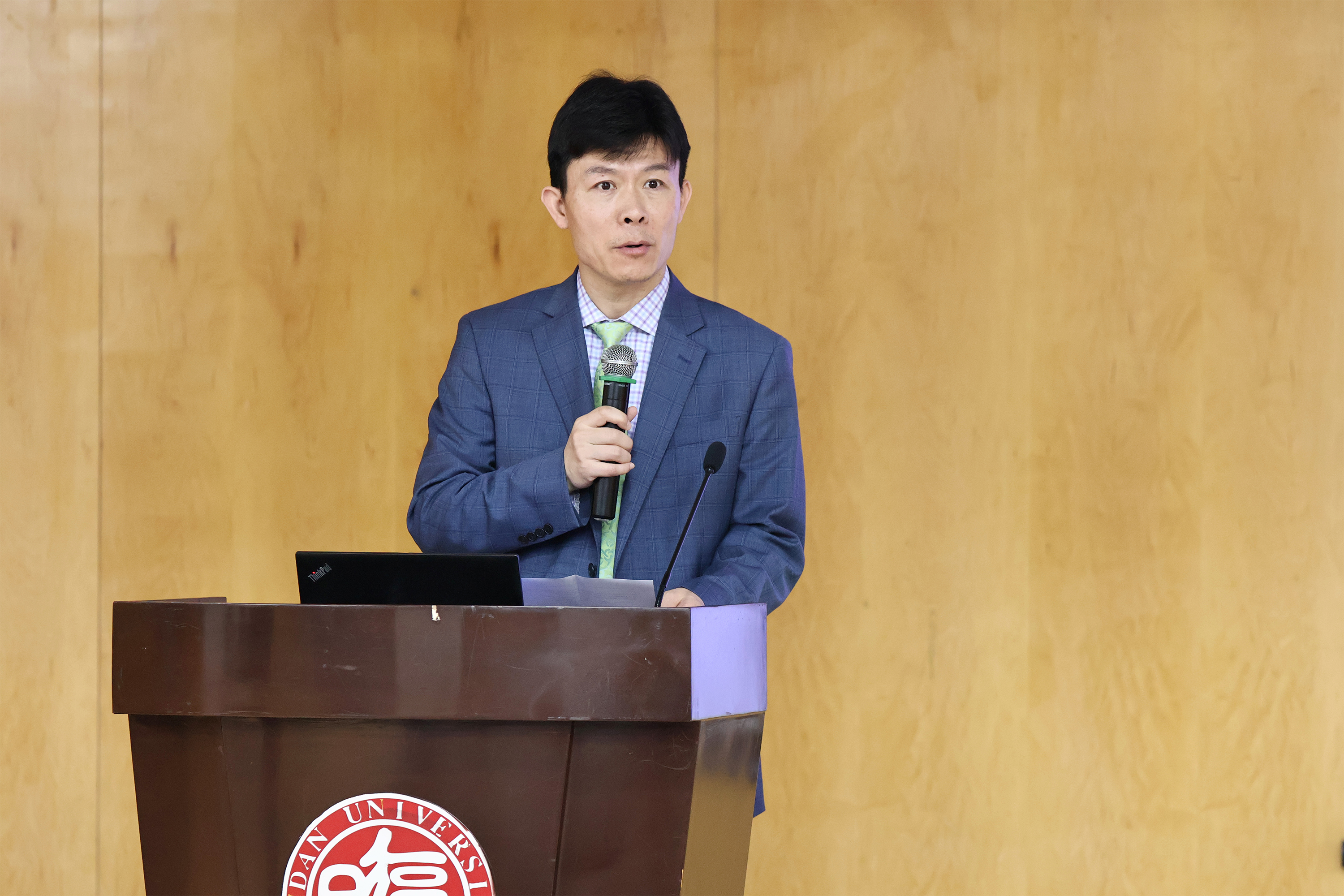
Professor Marconi of FGV-EAESP also delivered remarks, thanking Fudan University for hosting the event. He noted that the seminar would help deepen mutual understanding between the two countries and further consolidate economic and cultural cooperation.
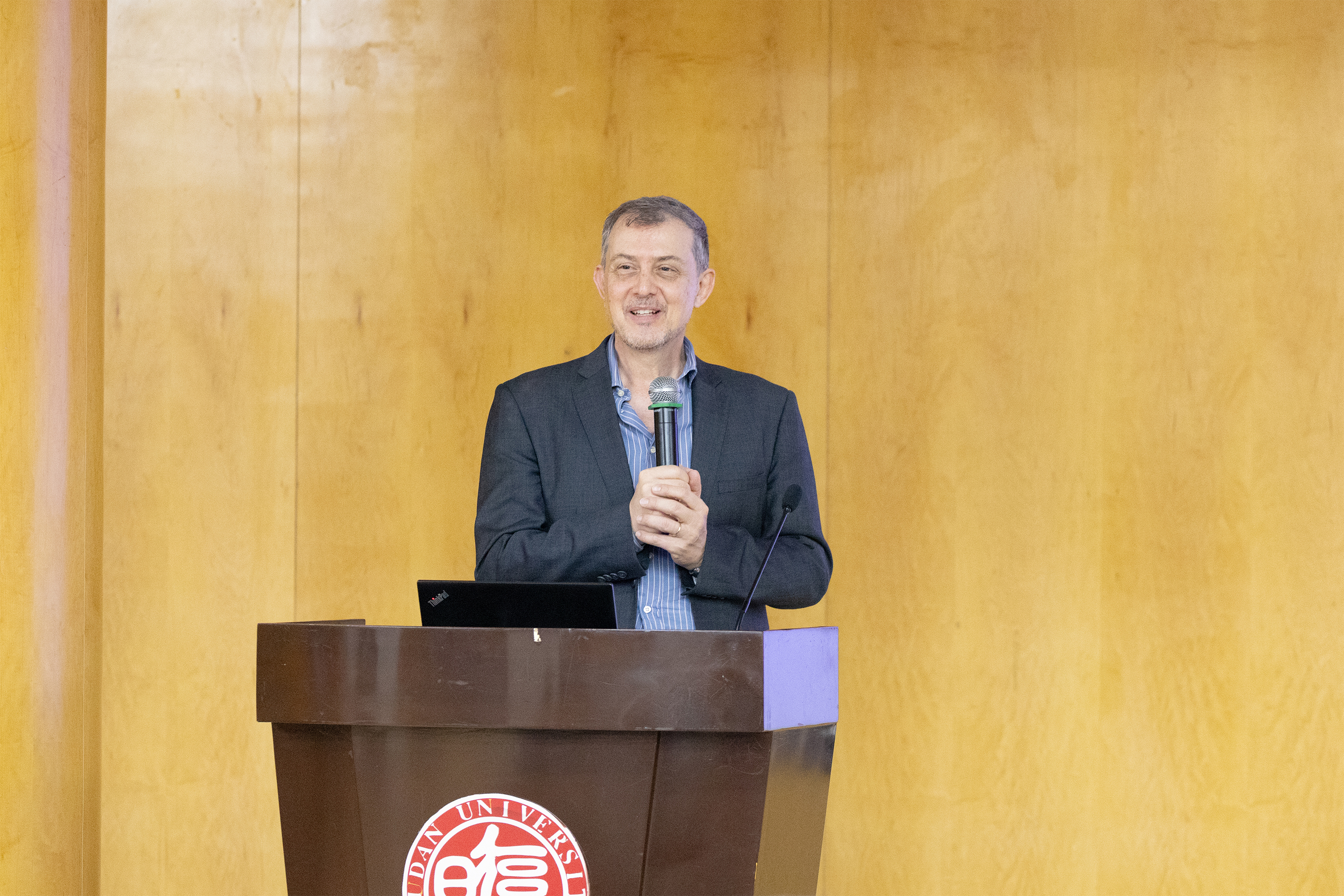
Professor Huang presented on China–Brazil mathematics teacher exchange. He introduced classical works such as The Nine Chapters on the Mathematical Art and Euclid’s Elements, as well as Xu Guangqi’s contributions to translating Western classics. He compared differences in mathematics education between China and Brazil in textbooks, schooling systems, competitions, and teacher training, and highlighted ongoing and planned exchange programs in Shanghai and Brazil.
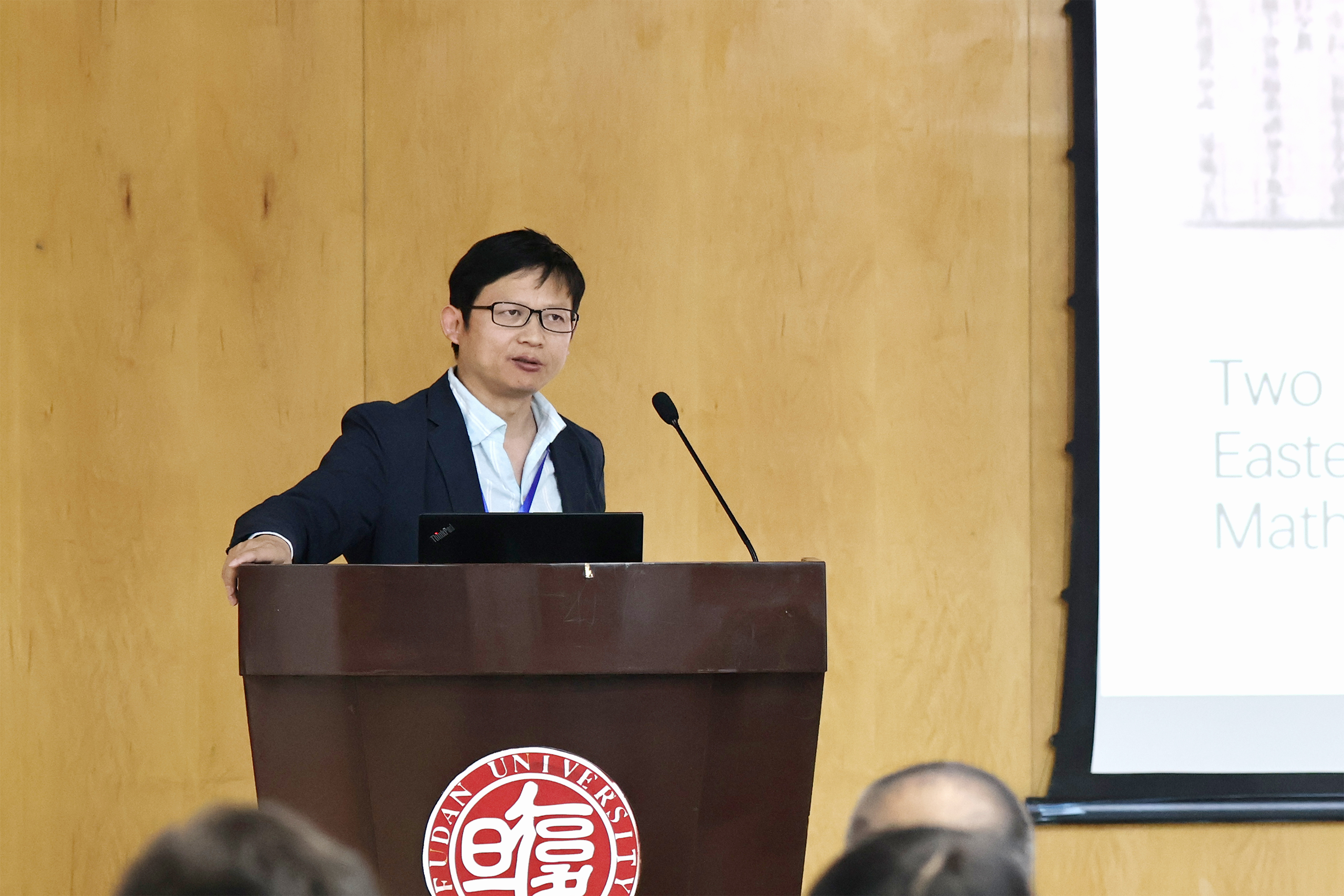
Associate Professor Cao delivered a keynote speech on the theme of China–Brazil People-to-People Exchanges and Cultural Mutual Learning: Drivers and Pathways. She emphasized that both countries are culturally diverse, open, and vibrant societies, and that as major developing nations, they share common challenges such as inequality and social inclusion. She called for deeper cooperation to achieve mutual benefit and shared development.
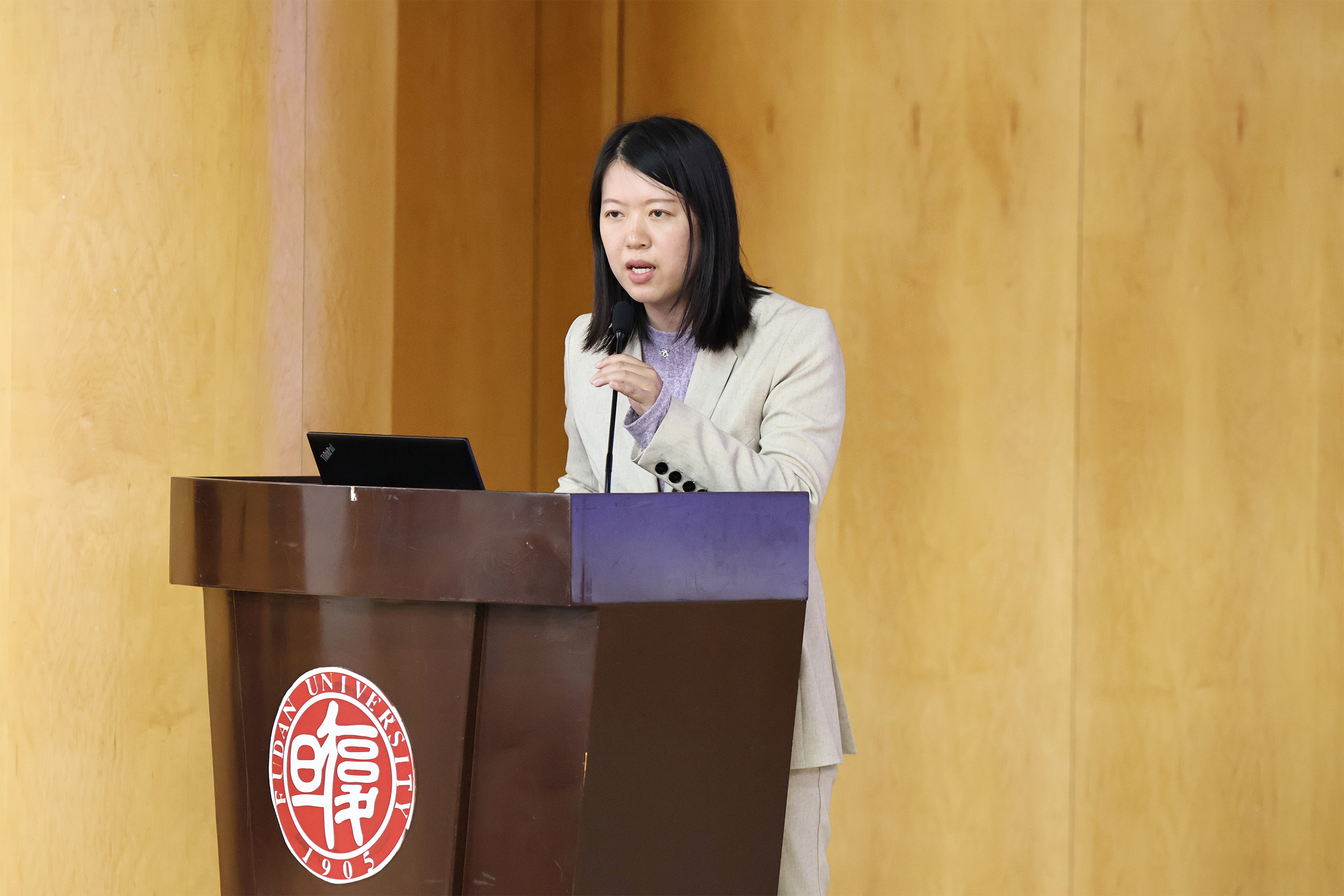
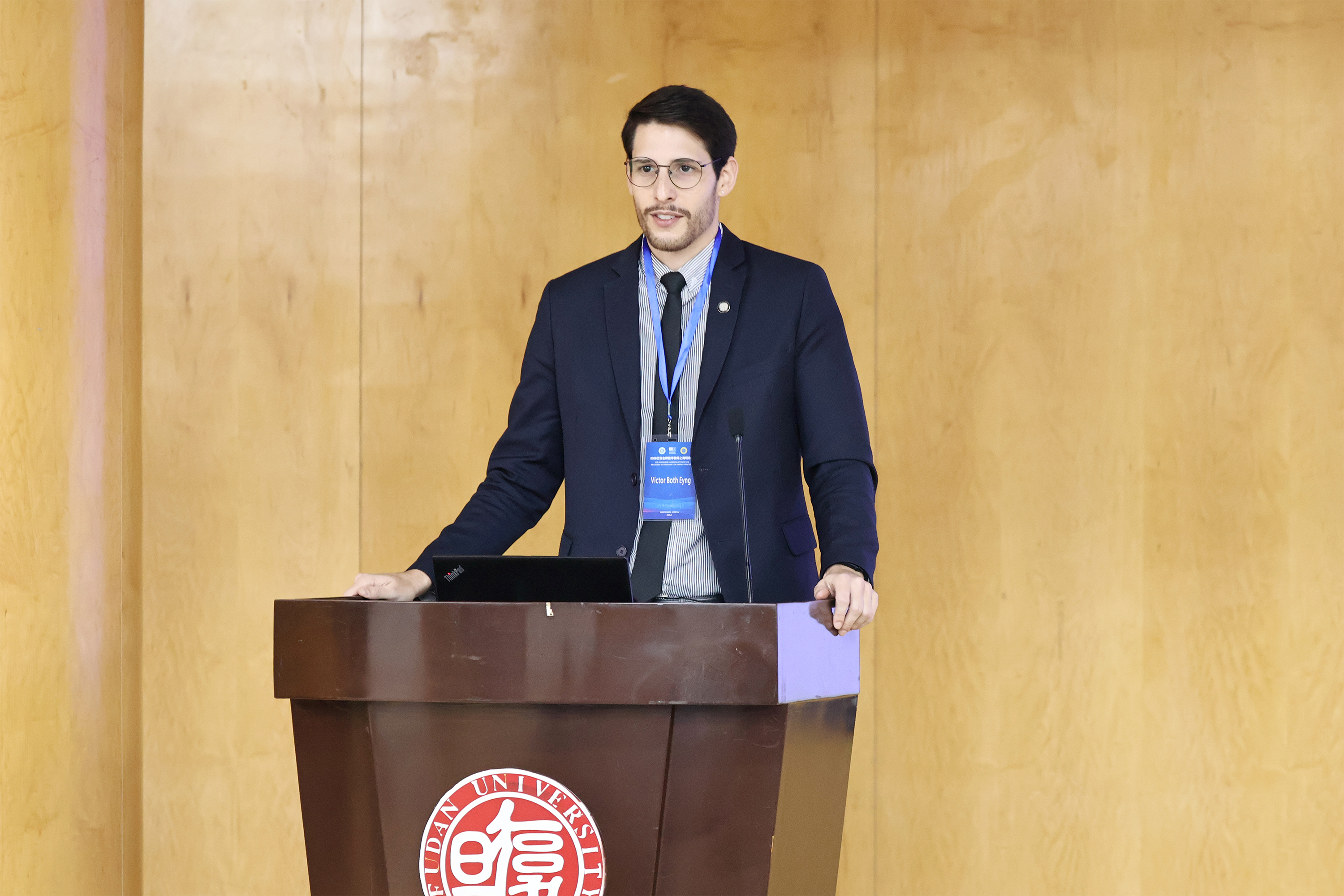
General Coordinator Victor Eyng noted that educational and cultural cooperation between China and Brazil is of great significance. He highlighted Brazil’s interest in learning from China’s experience in standardizing basic education, optimizing curriculum systems, and promoting educational equity, in order to improve the quality of Brazil’s basic education system.
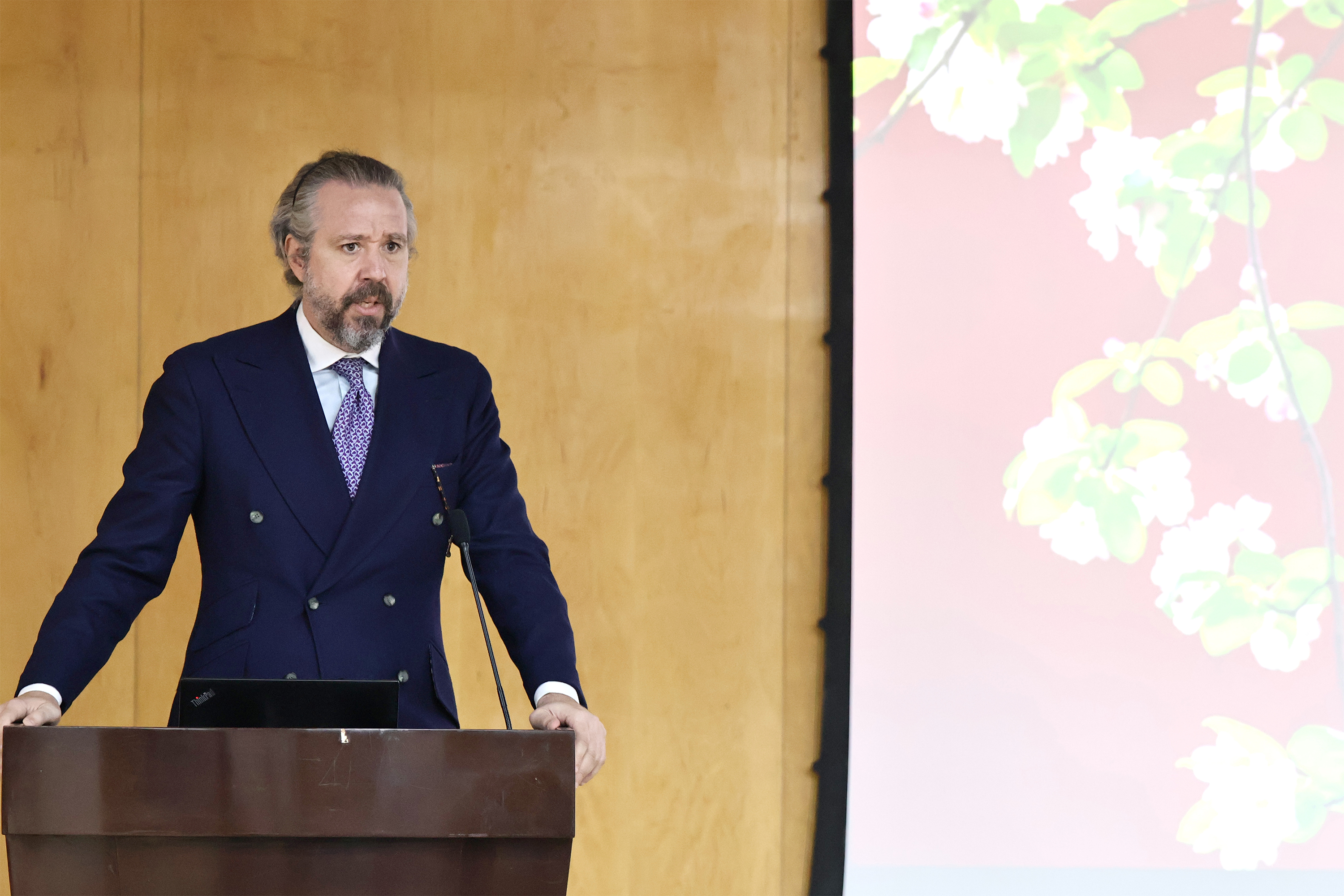
Professor Zeidan delivered a keynote speech on the theme of Culture, Education, and Development in China: Lessons for Brazil. He emphasized mutual learning between the two countries in educational philosophy, institutional models, and talent training systems. He also called for expanded student exchanges, academic visits, and joint research to strengthen the people-to-people foundation of bilateral relations.
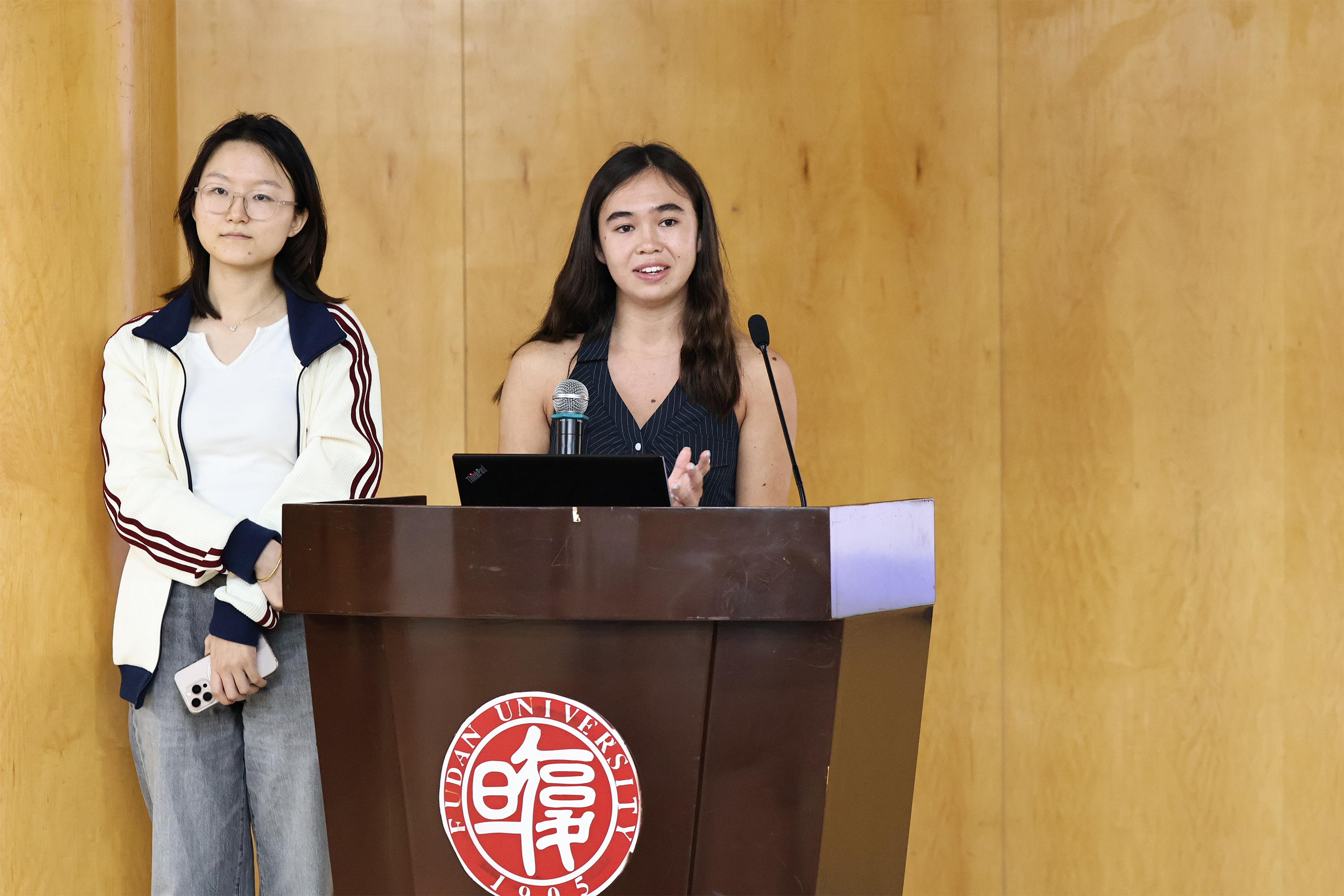
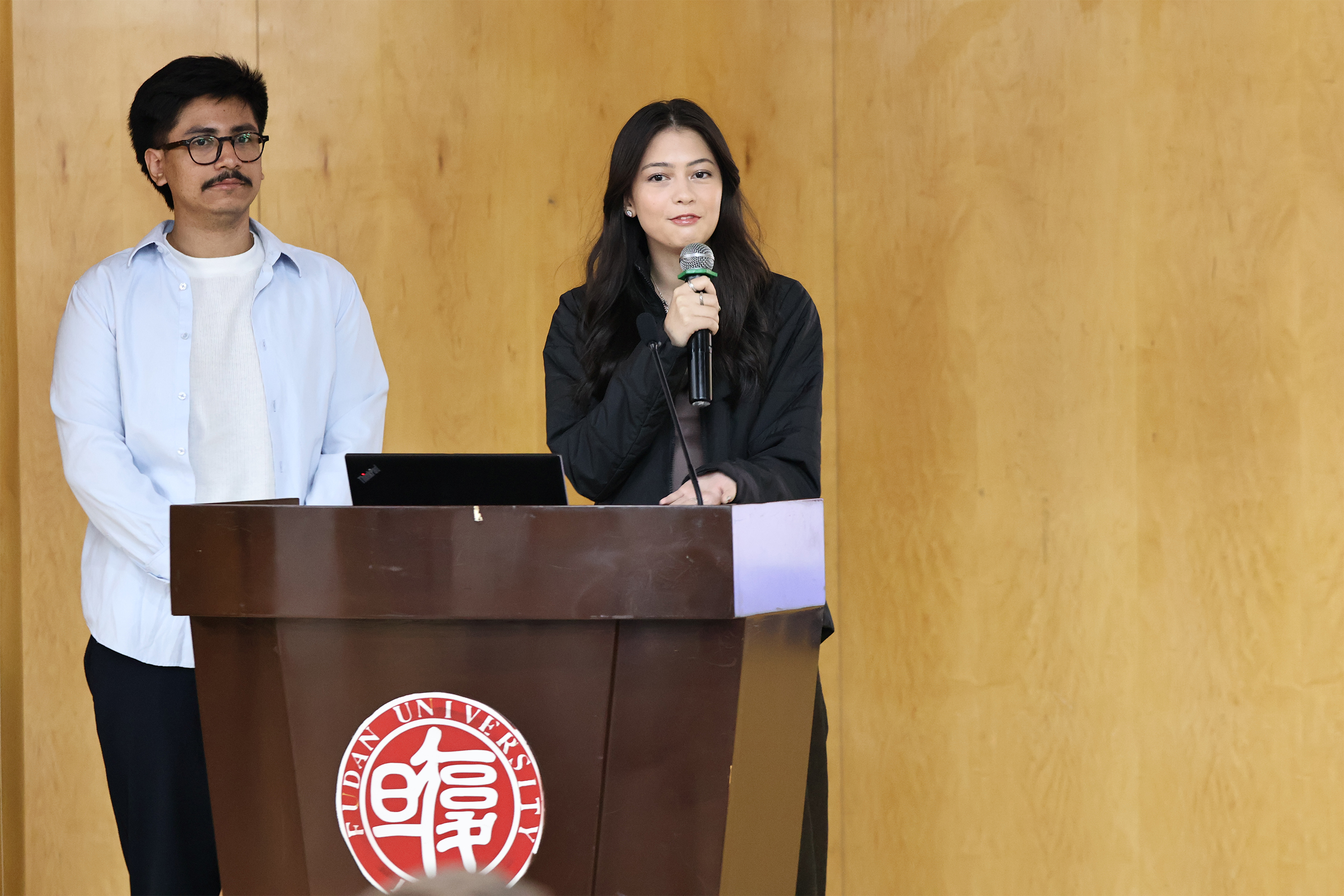
At the conclusion, students from both China and Brazil, including Xiner Xu and Yanlin Chen from Fudan University and representatives from FGV-EAESP, shared their cross-cultural experiences. They reflected on differences in cultural perspectives, academic approaches, and the gains from international exchange. The atmosphere was warm and engaging.
The seminar concluded with closing remarks by Professor José Puppim de Oliveira, who summarized the key themes and highlights of the discussions. He encouraged young scholars and students from both countries to cherish opportunities for international exchange and continue strengthening academic and cultural dialogue. The event ended with enthusiastic applause.