CANSPPA


From May 30 to June 5, 2026, the China–Arab Network of Schools of Public Policy and Administration (CANSPPA), with the Institute for Global Public Policy (IGPP) at Fudan University serving as its secretariat institution, organized a delegation visit to the United States for academic exchange and research activities. The delegation visited three major public affairs institutions in Washington, D.C., including the National Academy of Public Administration (NAPA), the American Society for Public Administration (ASPA), and the Network of Schools of Public Policy, Affairs, and Administration (NASPAA). The delegation was led by President Yijia Jing of CANSPPA and Dean of IGPP at Fudan University. Members included Associate Dean Haoqi Qian, Associate Professor Ziteng Fan, Associate Professor Meijun Liu, Assistant Professor Wenyan Tu, and Postdoc Fellow Tingzhong Huang.
On June 3, the delegation visited the headquarters of NAPA. The delegation was warmly received by NAPA Board Director Stan Soloway and President James-Christian Blockwood. Participants in the exchange included NAPA Fellows Larry Cooley; Office Director Kaitlyn Blume; NAPA Fellows and Fudan Chair Professor Evan Berman; and NAPA Fellows and Fudan Adjunct Professor Dan Guttman; and Dr. Tao Wang, Senior Climate Change and Environment Specialist at the World Bank and Fudan Adjunct Professor.
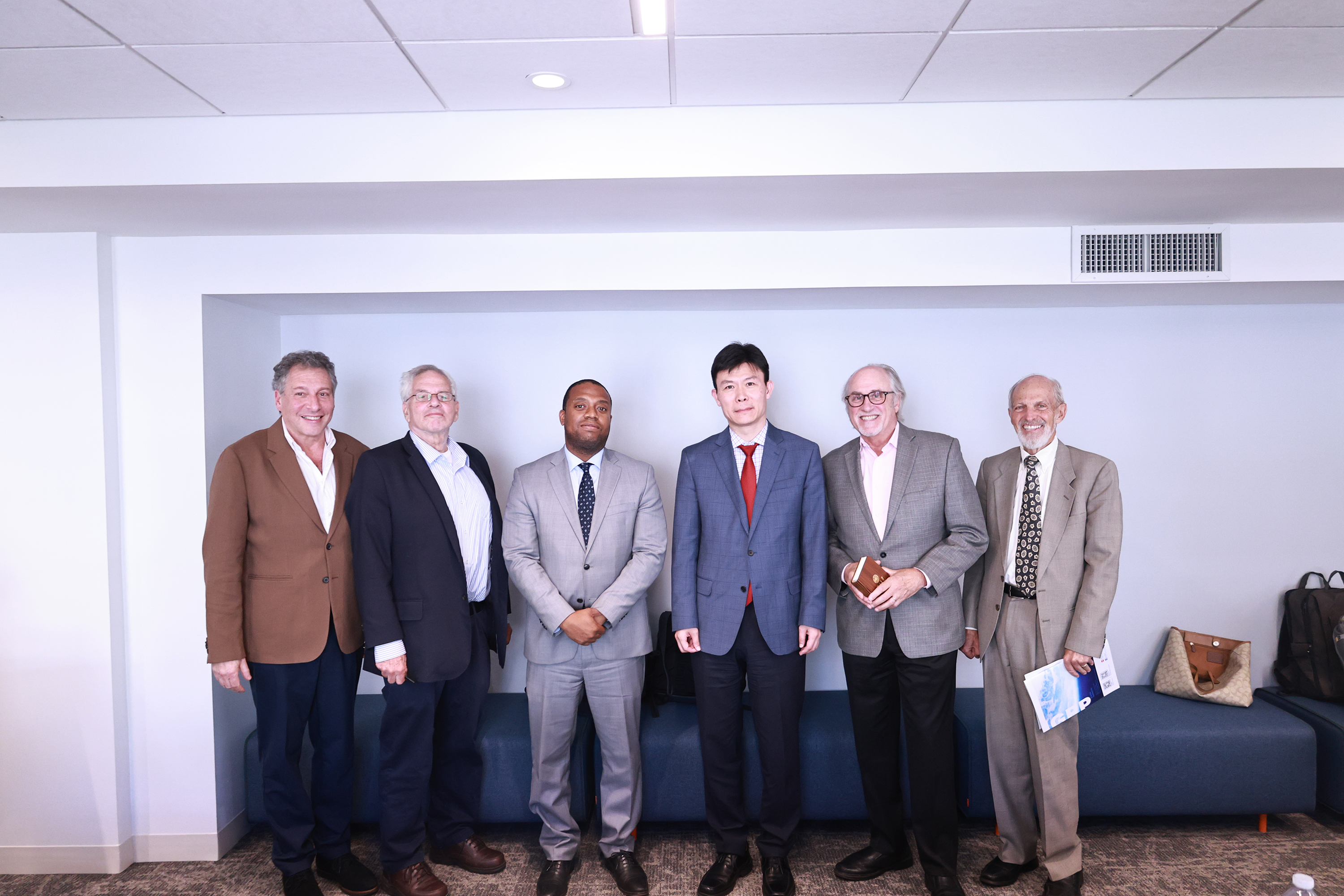
Both sides reviewed progress since the signing of their cooperation agreement in 2018, particularly joint research on global climate adaptation and its recent expansion. President Jing noted that the “12 Grand Challenges” proposed by NAPA nearly a decade ago are not only challenges for the United States but also global challenges, which should be addressed collaboratively by scholars from China and around the world through joint research and comparative perspectives to identify better solutions. Director Soloway and President Blockwood emphasized that this partnership helps scholars from both China and the United States better understand the complexity of shared public governance challenges and learn from each other through comparison and cooperation. Both sides engaged in in-depth discussions on potential areas of collaboration, including organizing thematic panels at CANSPPA annual meetings and inviting NAPA fellows for academic visits. Participants also held substantive discussions on the application of artificial intelligence in the public sector.
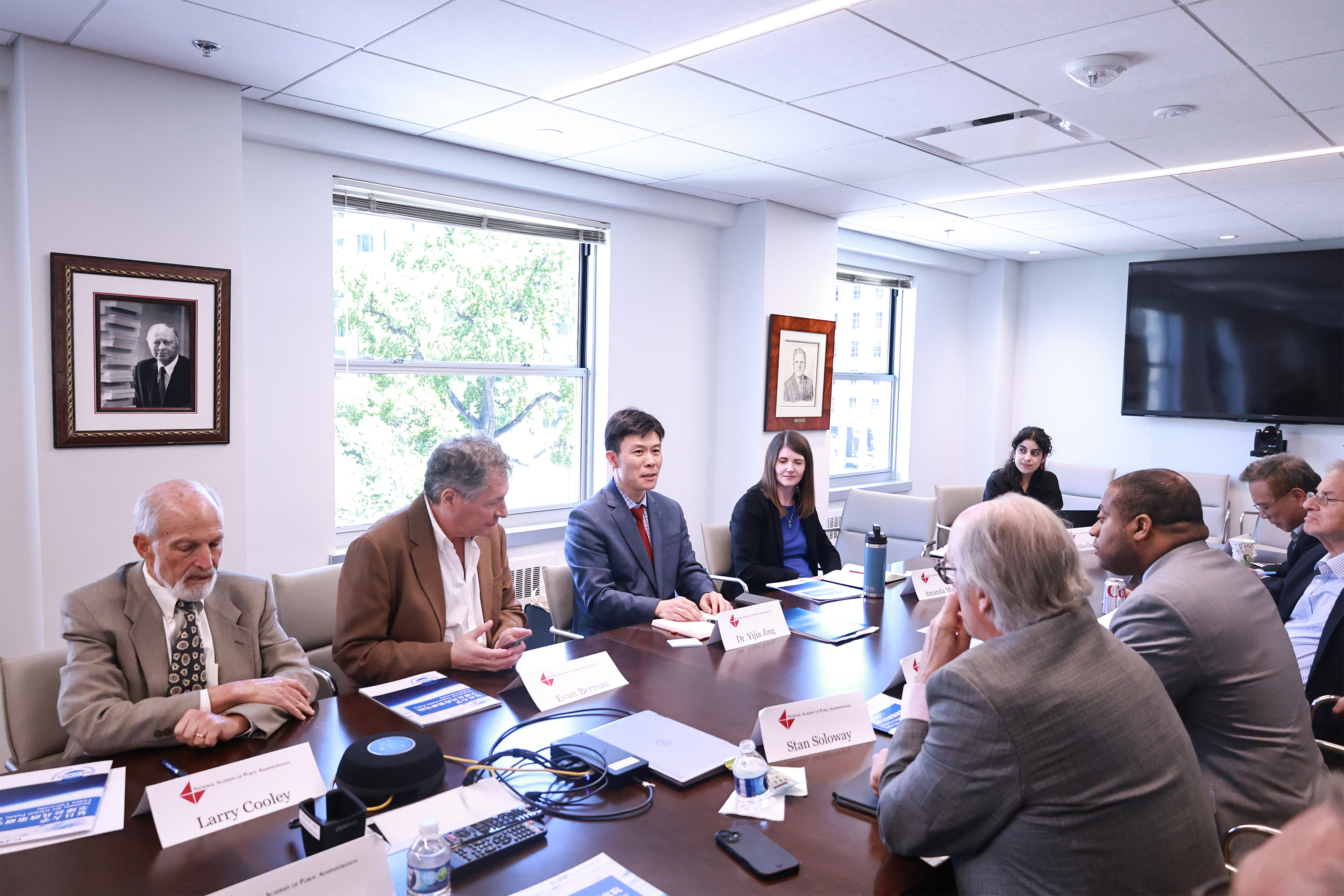
On June 4, the delegation visited ASPA headquarters and held discussions with Executive Director William Shields and senior officials responsible for international affairs at the invitation of ASPA President John Bartle. President Jing reviewed the history of cooperation between Fudan University and ASPA, including his role as the inaugural Associate Editor of Public Administration Review, and expressed hope for further strengthening academic exchange and mutual understanding between China and the United States. Director Shields emphasized that both institutions are highly complementary: Chinese scholars have strong demand for international engagement, while U.S. scholars increasingly need to better understand China’s governance practices and institutional strengths. Future cooperation should focus more on mutual needs and allocate targeted resources to build flagship collaborative programs. The meeting reached consensus on several potential areas of cooperation. Professors Evan Berman, Mark Robbins, and Dan Guttman also participated in the meeting.
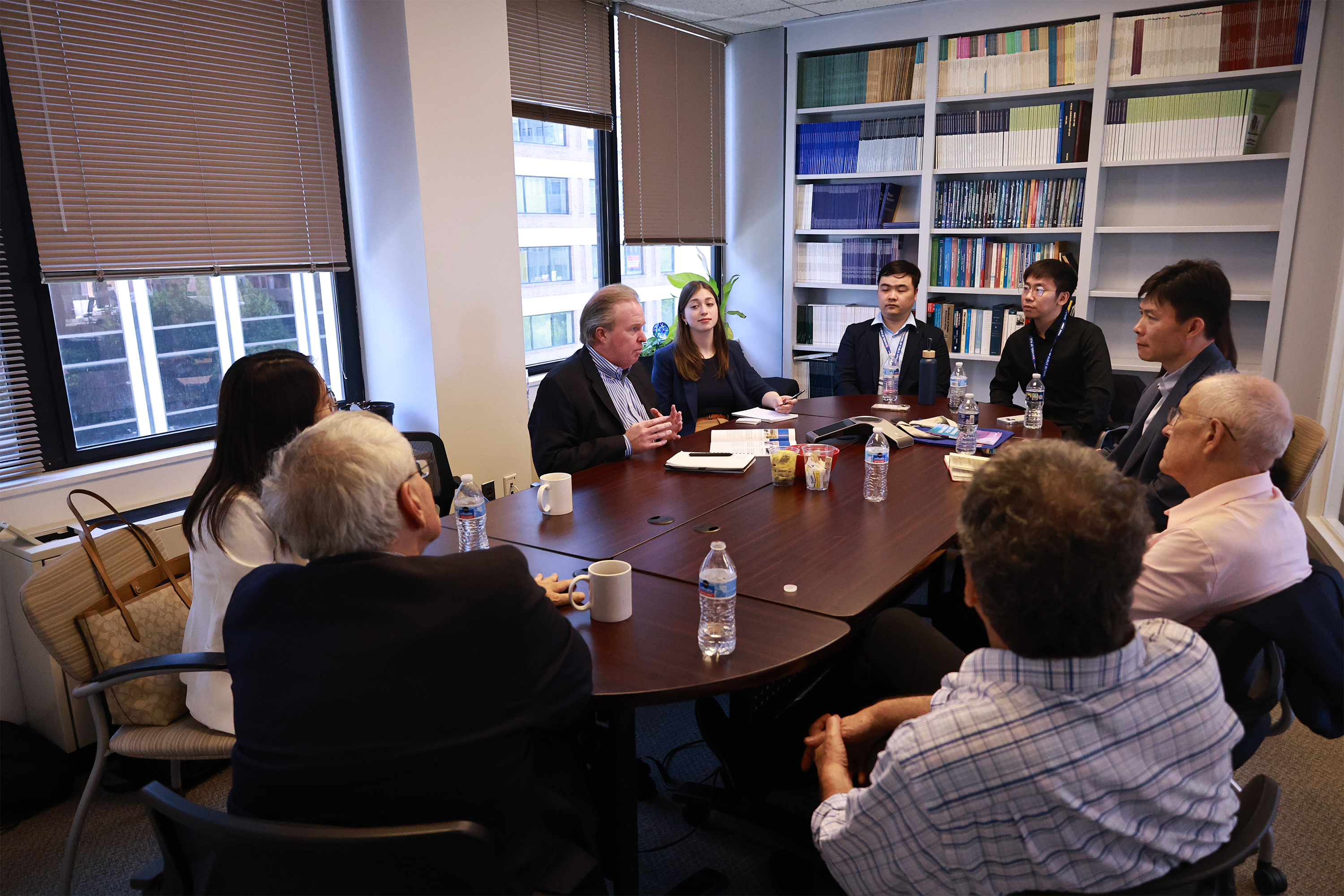
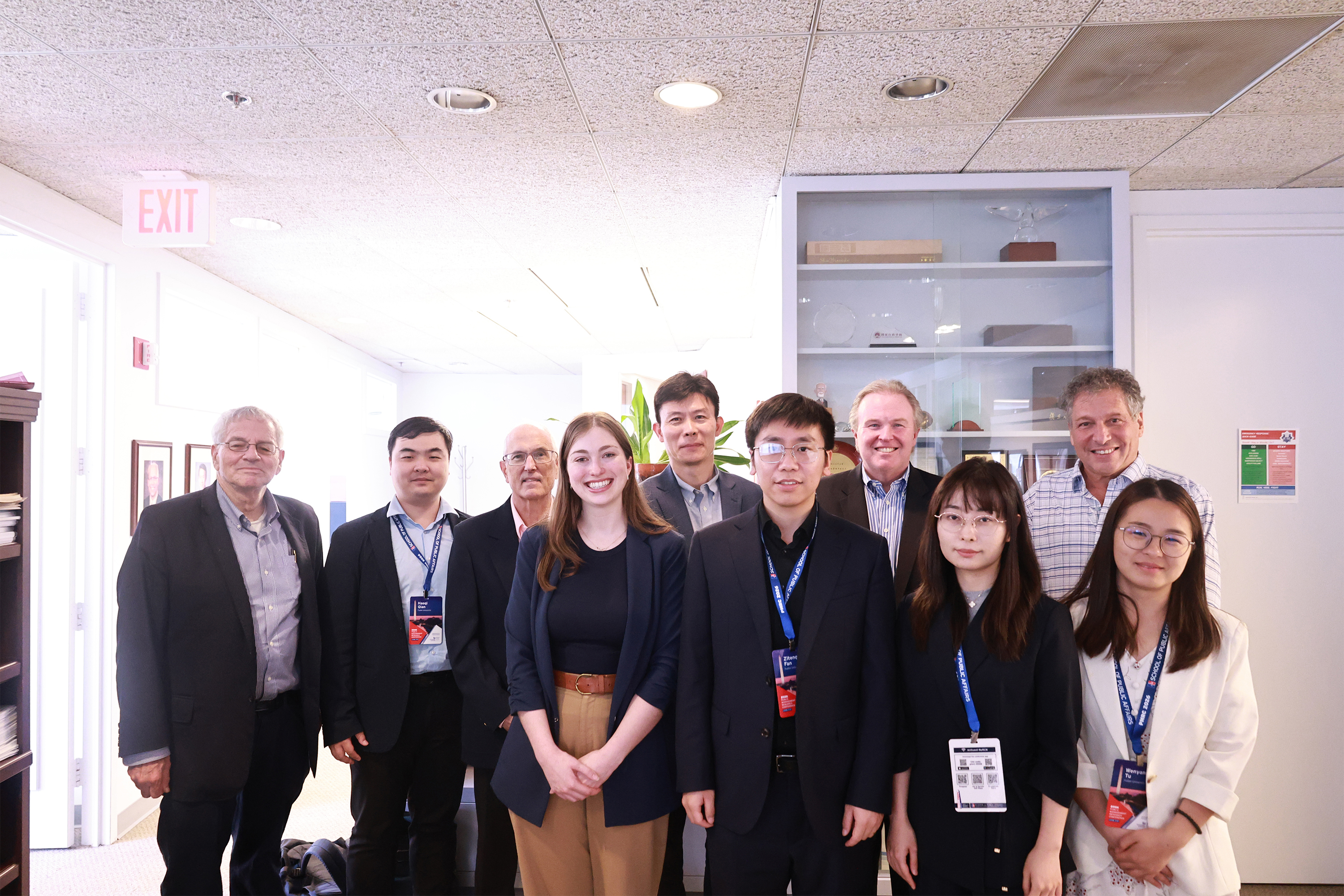
On the same day, President Jing met with Professor Roger Hartley, President-Elect of ASPA, at the PMRC conference venue, where preliminary discussions on cooperation were held. Professor Hartley served as the chair of President Jing’s panel session.

On June 5, the delegation participated in a dialogue jointly organized by NASPAA and CANSPPA at American University. NASPAA participants included Executive Director Cyrstal Calarusse, former President Professor Mohamad Alkadry, NASPAA Board member Dean Alison Jacknowicz of School of Public Affairs at American University, and accreditation officer Fabiola Bachinelo. Chinese participants included Professor Bo Qin from Renmin University of China, Associate Professor Kim Meloney from Hamad Bin Khalifa University, Associate Professor Nick Petrovsky from City University of Hong Kong, and Professor Chrysostomos Tabakis from KAPSARC School of Public Policy, along with other CANSPPA member representatives and Fudan Visiting Professor Mark Robbins and Professor Dan Guttman.
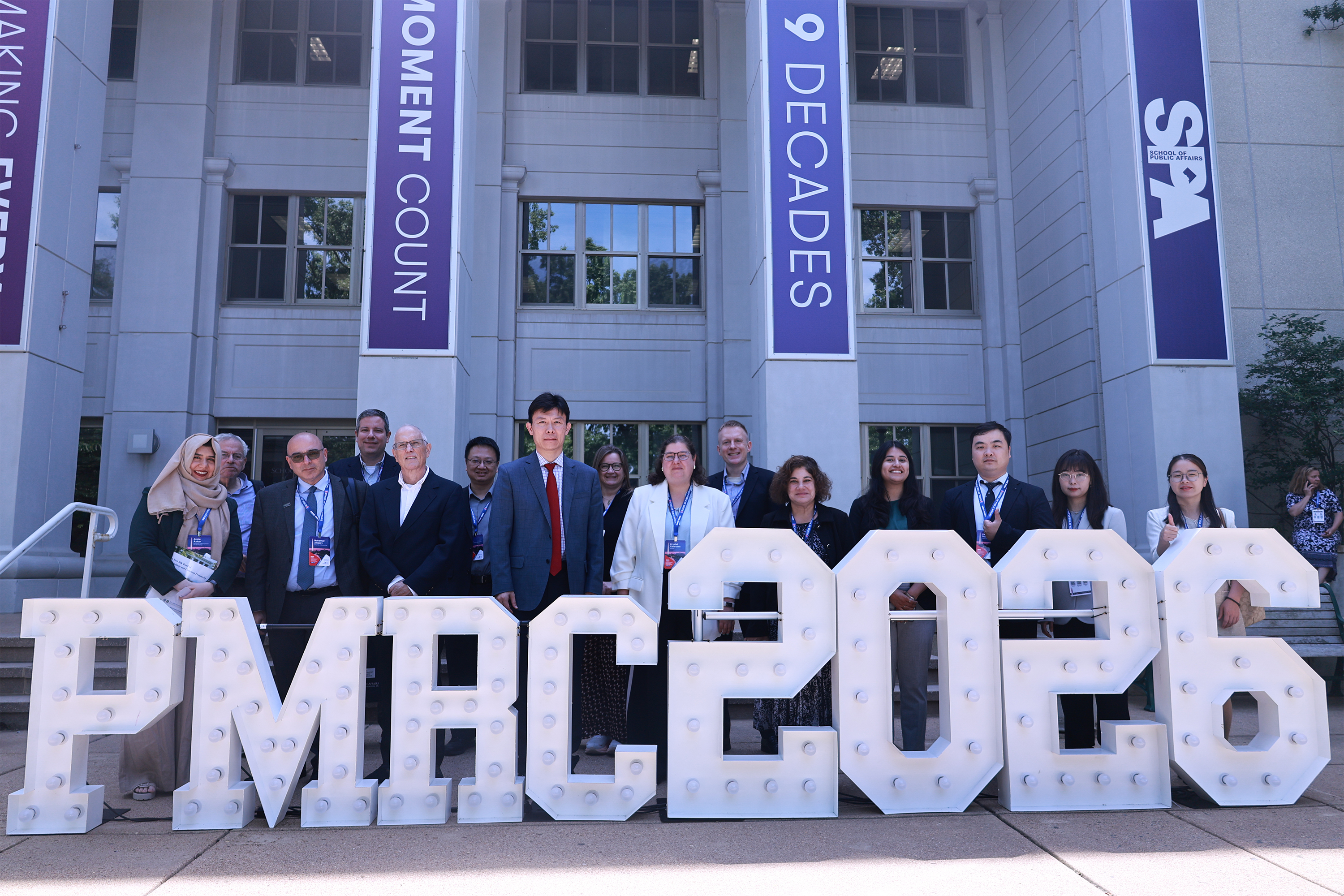
The dialogue focused on institutional cooperation mechanisms, the regional adaptability of accreditation systems, localization of case development, and collaboration in academic publishing. President Jing noted that CANSPPA, jointly initiated in 2023 by 12 leading schools of public policy and administration from China and Arab countries, now includes 20 member institutions and is committed to promoting academic exchange among China–Arab institutions, as well as South–South and North–South cooperation. NASPAA representatives acknowledged the importance of aligning global accreditation standards with local knowledge systems. Both sides agreed that current public administration teaching materials and case studies are still largely based on Western contexts and lack sufficient grounding in Global South practices. As a cross-regional platform rooted in the Global South, CANSPPA can help build a more diverse and inclusive global knowledge system in public administration by developing shared case studies on issues such as climate change and AI governance. Consensus was reached on future personnel exchanges and continued collaboration.
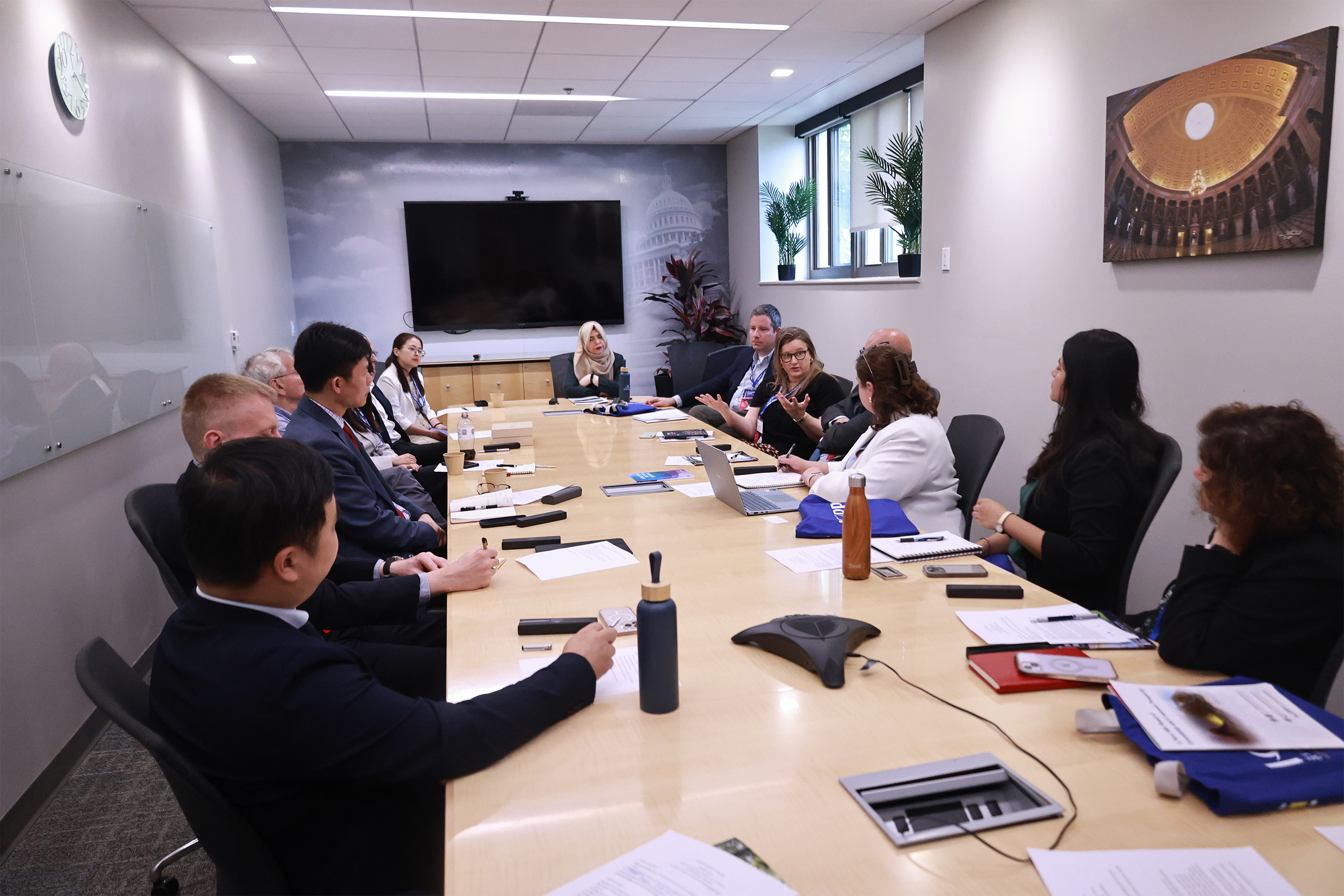
This visit marked the first CANSPPA delegation trip to the United States. Through in-depth dialogue with NAPA, ASPA, and NASPAA, the delegation expanded cooperation opportunities in public administration education, accreditation standards, case development, and academic publishing among Chinese, Arab, and international partners. The visit further advanced discussions on the relationship between “indigenous knowledge systems” and “global knowledge systems.” Against the backdrop of the rising Global South, this mission went beyond traditional academic exchange, reflecting a shift in China–Arab engagement in global public policy knowledge production from “learners” to “co-creators.” It laid a practical foundation for building a more diverse, inclusive, and equitable global knowledge ecosystem in public administration.CANSPPA will continue to serve as a bridge to further integrate China–Arab public administration education networks into the global academic system, promoting bidirectional knowledge flows and mutual learning among civilizations.
During the visit, the IGPP delegation also conducted academic exchanges with leading universities and institutions in New York City, Boston, and Washington, D.C., including New York University, CUNY, Harvard University, Boston University, American University, and George Washington University.