CANSPPA


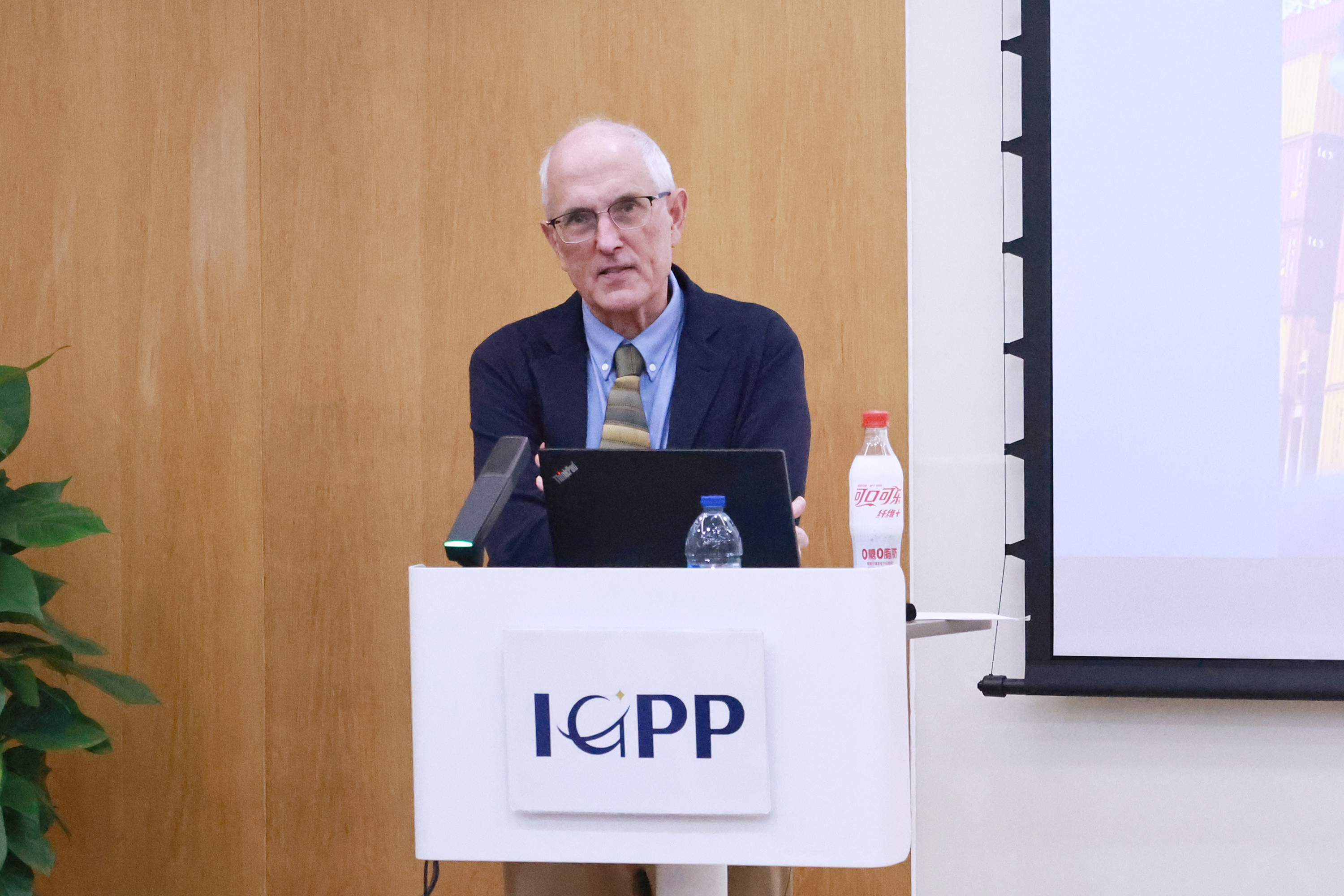
On April 21, 2026, the Fudan Institute for Global Public Policy (IGPP) organized the 25th lecture of the Fudan-Arab Lecture Series. Professor Mark Robbins from IGPP delivered a lecture on the theme of Who Pays for Trump’s Tariffs? U.S. Fiscal and Trade Policy in 2026. The session was chaired by Dean Yijia Jing from IGPP, with Professor Ping Zhang from School of International Relations and Public Affairs and Professor José Puppim de Oliveira from Fundação Getulio Vargas serving as discussants.
Professor Robbins has extensive research experience in public debt, budgeting practices, and tax preferences. He began by arguing that tariffs, while commonly understood as instruments of trade policy, are also fundamentally a form of fiscal policy and taxation. He then drew on historical trends and empirical evidence to analyze the origins and economic consequences of Trump-era tariff policies, highlighting differences between the first round of tariffs and more recent policy developments. He emphasized that tariffs are no longer solely a trade policy issue; they are increasingly transmitted into household welfare through consumer prices, making them a significant fiscal and distributional concern. He also discussed public attitudes toward tariffs in the United States, drawing on survey evidence showing substantial variation in public understanding of who actually bears the cost of tariffs. These perceptual differences, he noted, have a direct influence on public support for tariff policies.
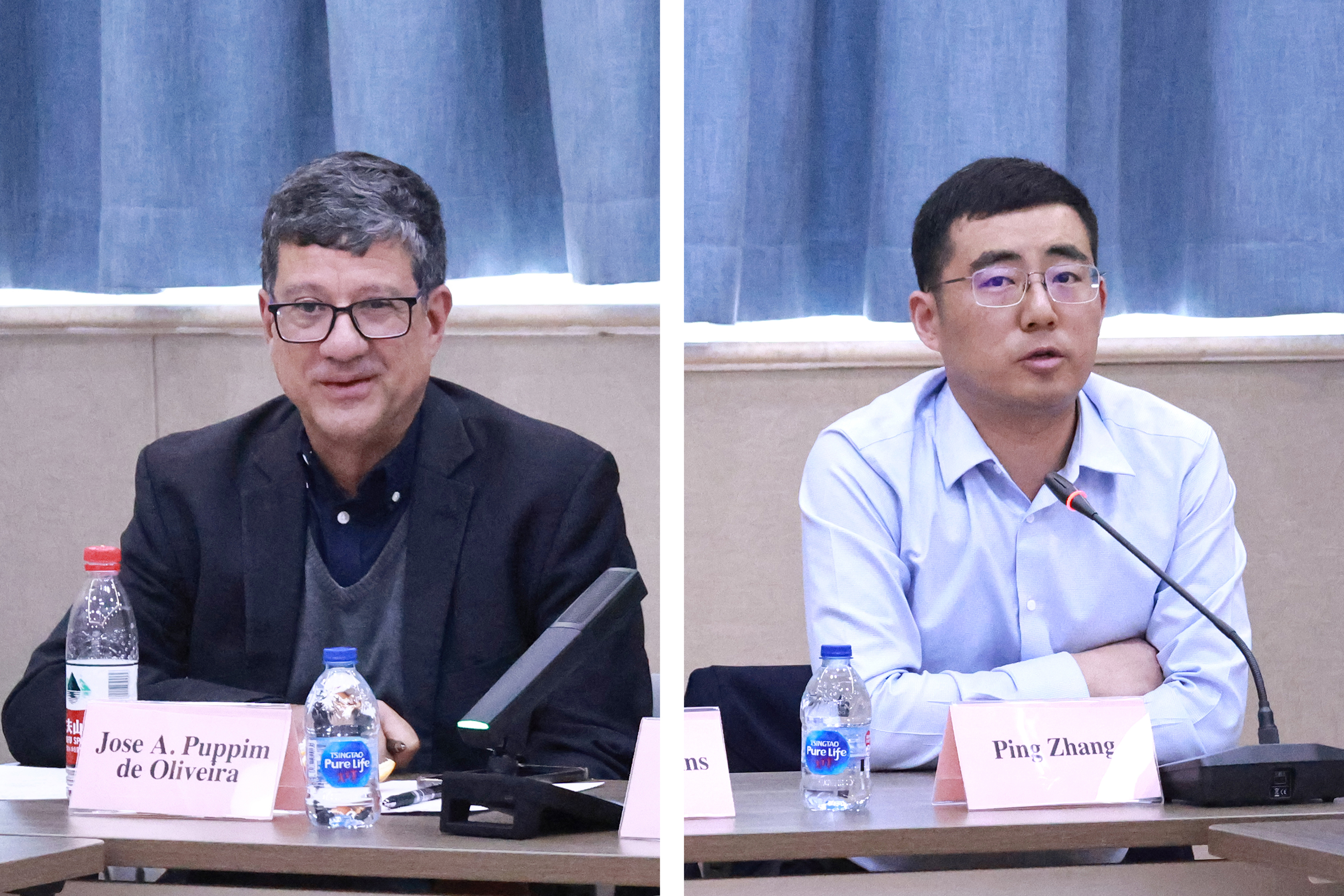
In the discussion session, Professor Zhang noted that tariffs may serve not only short-term economic goals but also longer-term industrial policy objectives, including protecting domestic industries and reshaping global competitiveness. However, their effectiveness depends on policy stability, clarity of objectives, and supporting institutional mechanisms. Professor Robbins responded that while tariffs under the Trump administration do exhibit strong characteristics of a bargaining instrument, their long-term economic consequences remain uncertain in the absence of stable expectations and coherent policy design.
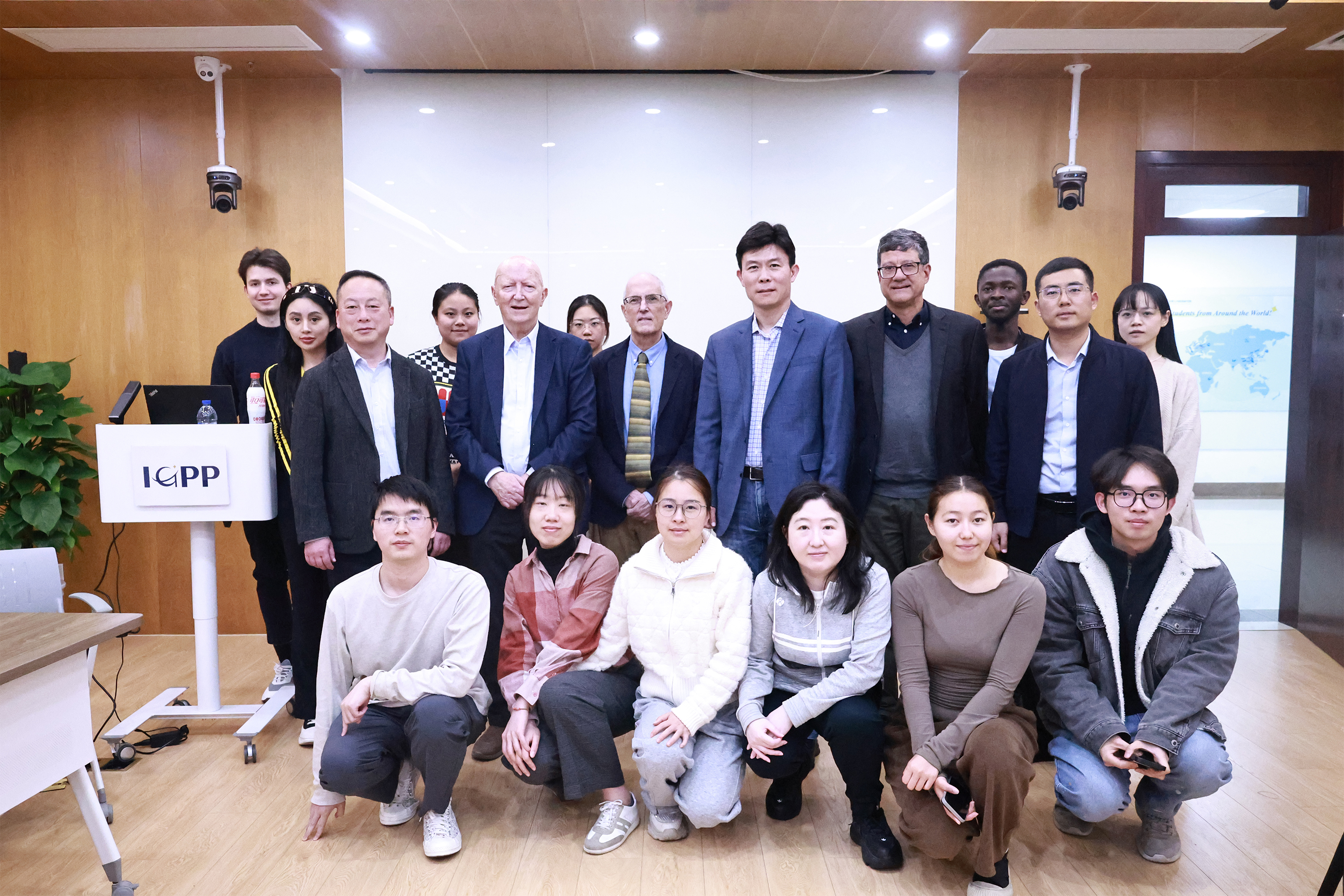
After the lecture, the event concluded with a group photo of the faculty and students.