Events


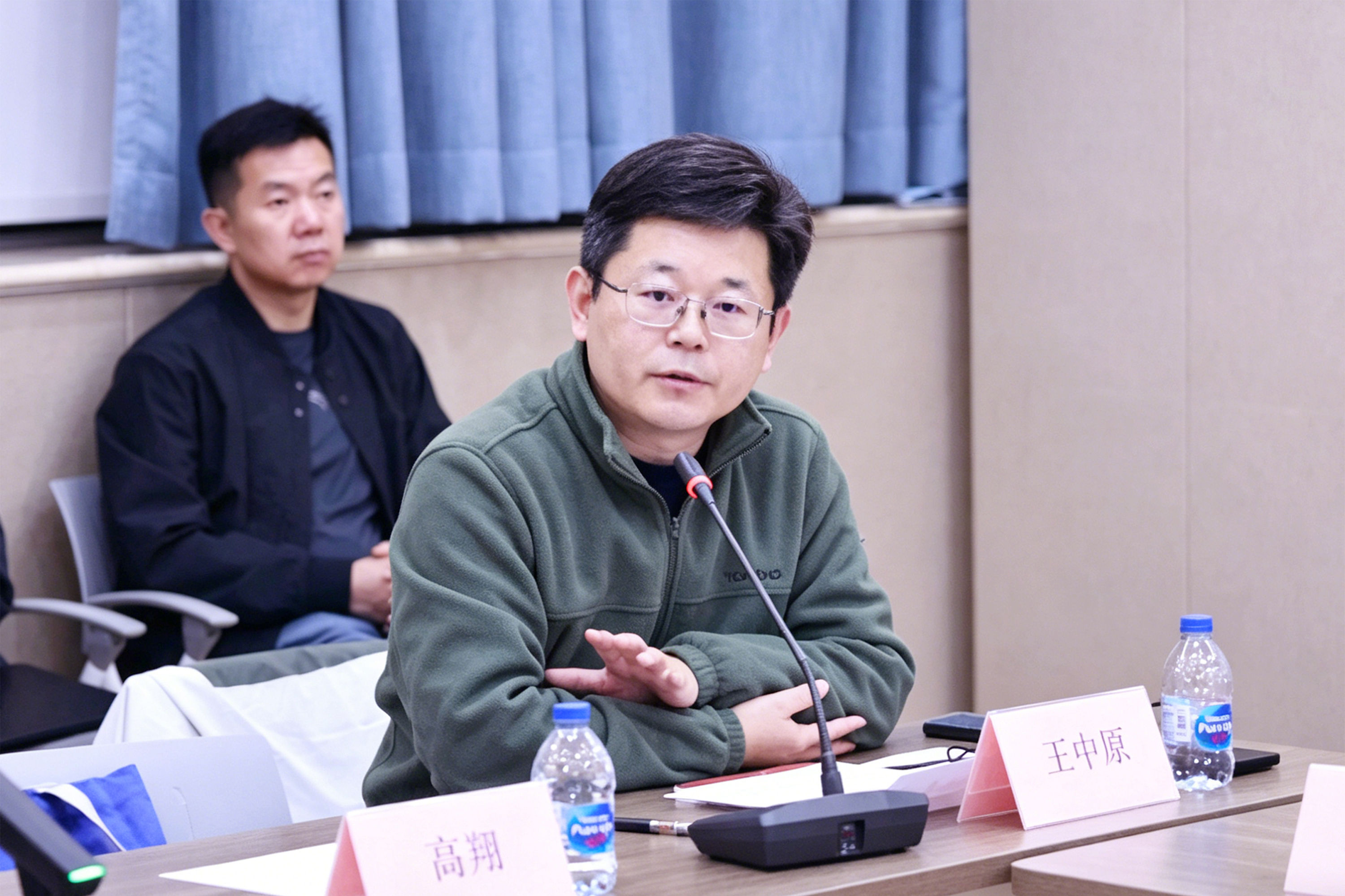
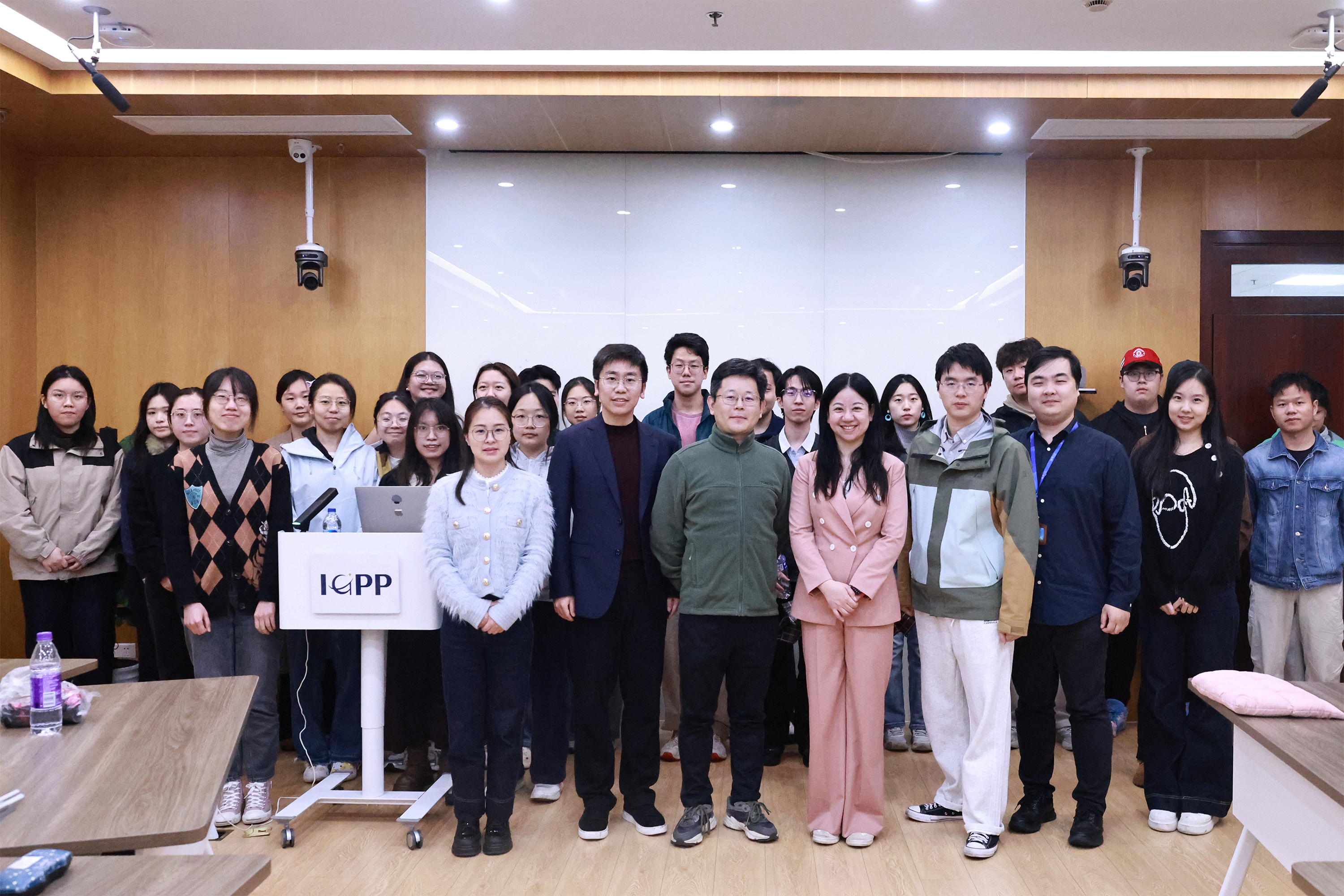
On April 29, 2026, Institute for Global Public Policy (IGPP) at Fudan University held an lecture on the theme of Artificial Intelligence and New Pathways for Building an Autonomous Knowledge System in Public Administration by Professor Gao Xiang from the School of Public Affairs at Zhejiang University. The event was chaired by Associate Professor Ziteng Fan from IGPP, with Associate Professor Zhongyuan Wang, Director of the Center for Social Science Intelligence at the Institute for Advanced Study in Social Sciences serving as the discussant.
Professor Gao focuses on the evolution of Chinese governance in the context of marketization, digitalization, and globalization. Her work has been published in leading academic journals such as Social Sciences in China, Political Science Research, and Management World. She and her research team have also been actively engaged in innovations in public administration education, including experimental applications of the “Baixiao Intelligent System,” which has attracted attention for its implications for teaching and research innovation in the field.
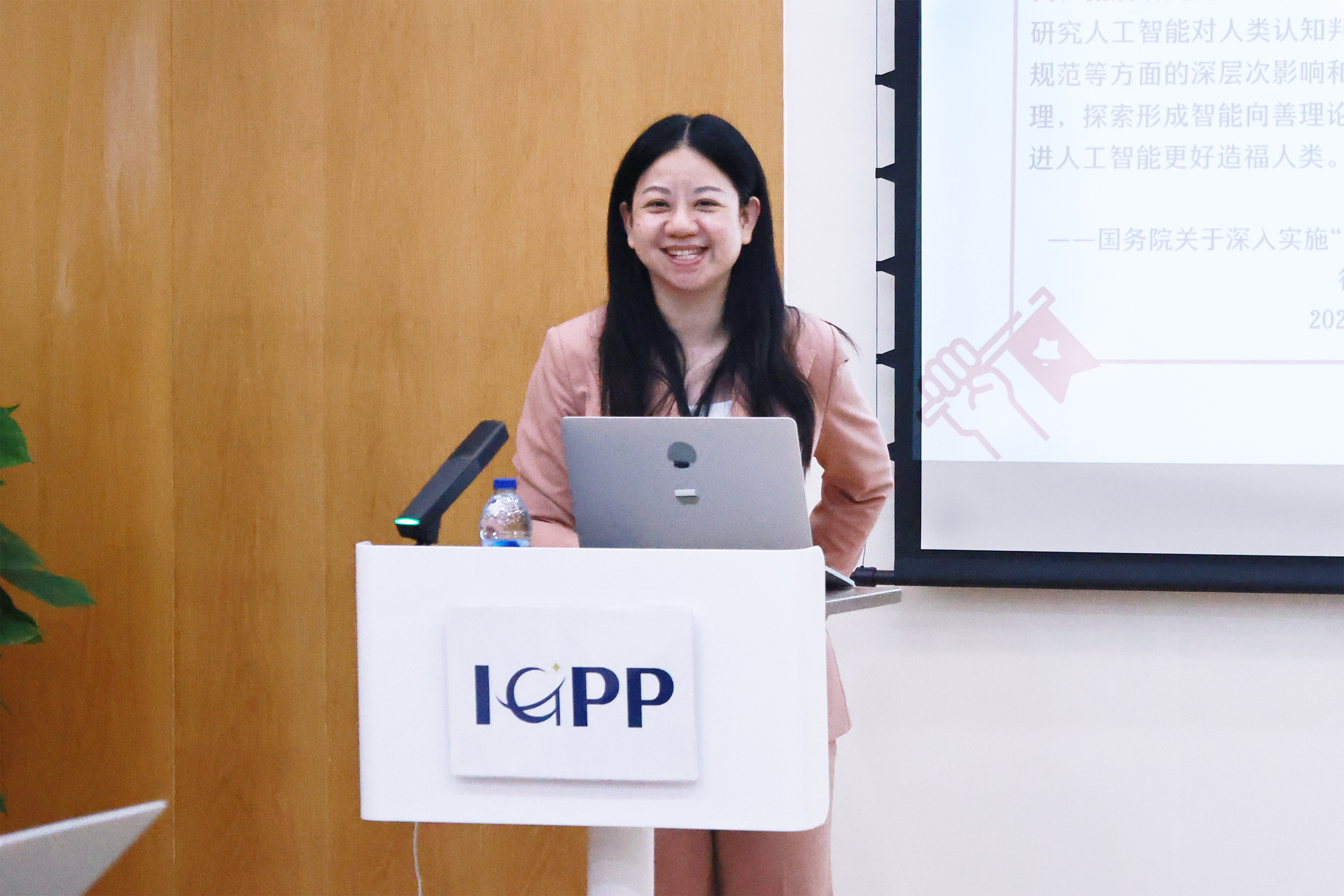
Professor Gao began her lecture by arguing that artificial intelligence should not be understood merely as a writing assistant, but as a force capable of reshaping the productive structure of social science research. She distinguished between two dimensions of research productivity: internal productivity, which refers to the ability of a scholarly community to efficiently produce, accumulate, and disseminate high-quality knowledge; and external productivity, which concerns whether such knowledge can effectively enter real-world practice and address concrete governance challenges. For public administration as a discipline, she emphasized that knowledge production should not be limited to academic publication and evaluation metrics, but should ultimately contribute to understanding real governance problems and providing actionable policy insights.
Building on this framework, Professor Gao introduced the design logic and practical applications of the “Baixiao Intelligent System – Public Administration Baixiao Agent.” Rather than functioning as a general-purpose generative tool, Baixiao Intelligent is conceived as a domain-specific retrieval system. Unlike general large language models, domain-oriented intelligent agents must be built upon specialized knowledge bases, academic judgment, and research contexts. She illustrated this by distinguishing between different types of knowledge bases, including curated scholarly repositories compiled by experts and “self-built knowledge bases” developed by individual researchers or research teams, which together resemble a scholar’s intellectual “bookshelf.”
In discussing quality control, Professor Gao highlighted experimental features of Baixiao Intelligent in reference verification and in-depth review support. She stressed that in an era where AI-assisted writing is increasingly common, greater attention must be paid to knowledge quality assurance. AI-generated content should be understood as providing auxiliary judgment rather than authoritative conclusions. Ultimately, decisions regarding acceptance, revision, and interpretation remain the responsibility of researchers and depend on their own understanding of academic standards.
In the commentary session, Associate Professor Wang highly commended the pedagogical and research innovations embodied in the Baixiao Intelligent initiative. He noted that its significance lies not only in technological application, but also in its human-centered orientation toward students, early-career researchers, and public administration education. He further suggested that future development could focus on improving evaluation frameworks, model stability, and the quality assurance mechanisms of knowledge bases.