Events


On May 12, 2026, the Fudan Institute for Global Public Policy (IGPP) organized the 86th lecture of the Fudan-LSE Lecture Series. Professor Ubaldo Villani-Lubelli from the University of Salento, Italy delivered a lecture on the theme of Weaponized Interdependence and Multipolar Gridlock: Can Adaptive Multilateralism Revive Multilateral Institutions? The event was chaired by Dean Yijia Jing IGPP, with Associate Professor Weizhan Meng from the Institute for Advanced Study in Social Sciences at Fudan University serving as the discussant.
Professor Villani-Lubelli is a Professor of History of Political Institutions at the University of Salento. He serves as Chair of the Master's Degree Program in Euro-Mediterranean Governance of Migration Policies and is a Member of the Kuratorium of Villa Vigoni – the German-Italian Centre for the European Dialogue. His research interests encompass the history of global governance and geopolitics, the evolution of German political institutions in the 20th and 21st centuries, and the history of European integration.
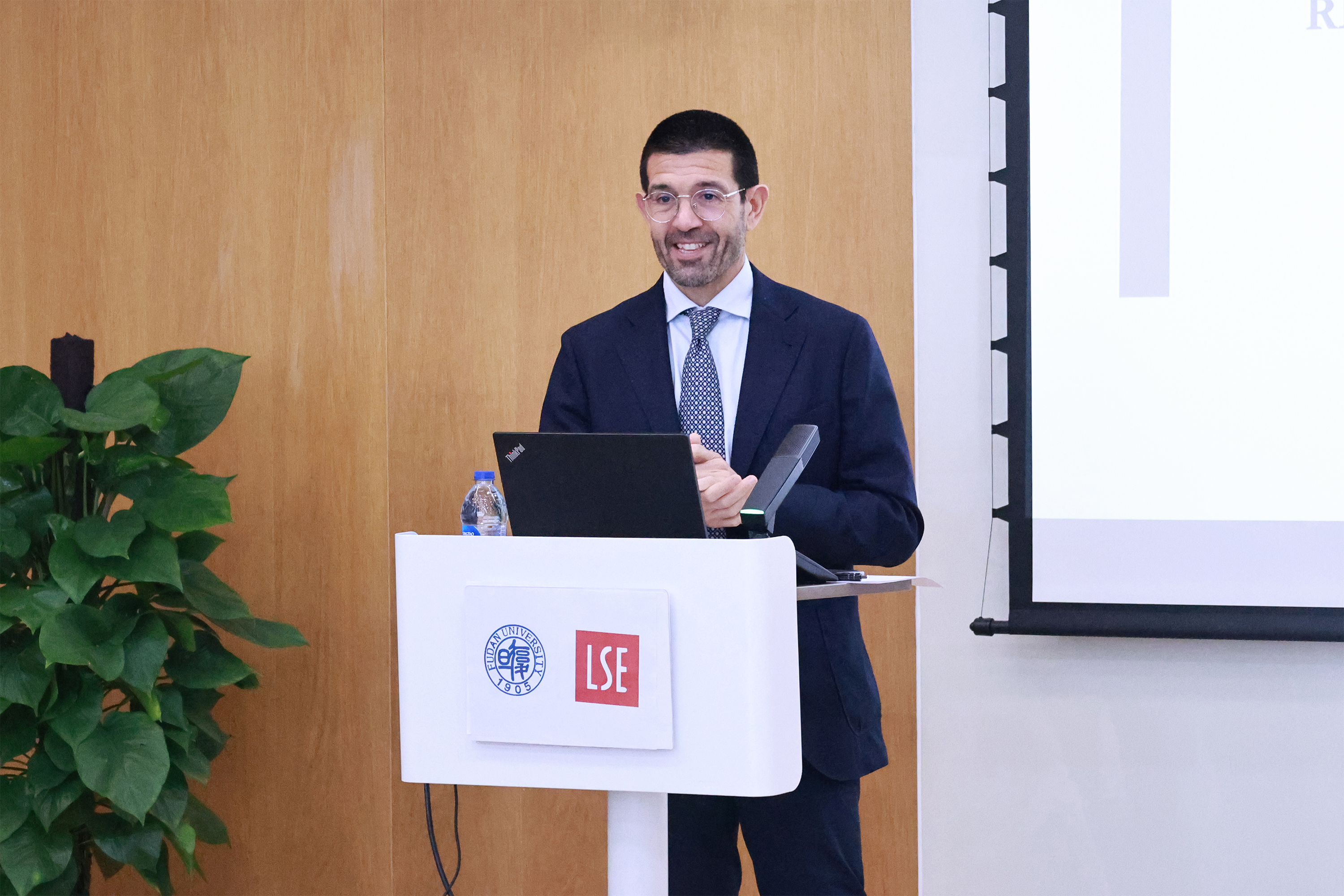
Professor Villani-Lubelli began his lecture by introducing a conceptual framework for understanding contemporary global governance—the “trilemma of global governance” in multilateralism. He argued that any ideal multilateral arrangement seeks to balance three dimensions: the resilience of institutional rules, the effectiveness of producing collective outcomes, and democratic legitimacy. However, these objectives often come into tension in contemporary international politics. Highly resilient rules without sufficient effectiveness may result in rigid institutions unable to respond to emerging challenges, while efficient governance lacking legitimacy may provoke resistance and backlash. Likewise, legitimacy without the support of stable institutional rules risks becoming merely rhetorical. Professor Villani-Lubelli emphasized that multilateralism should not be understood as a static institutional arrangement. By distinguishing among status quo-oriented, reform-oriented, and contestation-oriented forms of multilateralism, he illustrated the dynamic processes through which multilateral institutions adapt, experience contestation, and undergo incremental reforms.
The lecture then turned to the evolving roles and interactions between China and the European Union (EU) as key actors in the contemporary multilateral order. From a historical perspective, China has been a major beneficiary of the existing multilateral trade and customs system, while in recent years it has taken a more active role in promoting a more inclusive multilateral framework that provides greater representation and voice for developing countries. Such efforts are reflected not only in reform-oriented discourse but also through institutional initiatives such as the Belt and Road Initiative. Meanwhile, the EU, traditionally regarded as a major supporter of multilateralism, has been reconsidering its identity as a “normative power,” with strategic autonomy emerging as a central theme of its future development. Professor Villani-Lubelli proposed “adaptive multilateralism” as a potential solution. Its central logic lies in the ability to compartmentalize disagreements and pursue differentiated governance, maintaining institutionalized cooperation in specific strategic areas while preventing conflicts in individual domains from undermining the broader multilateral order.
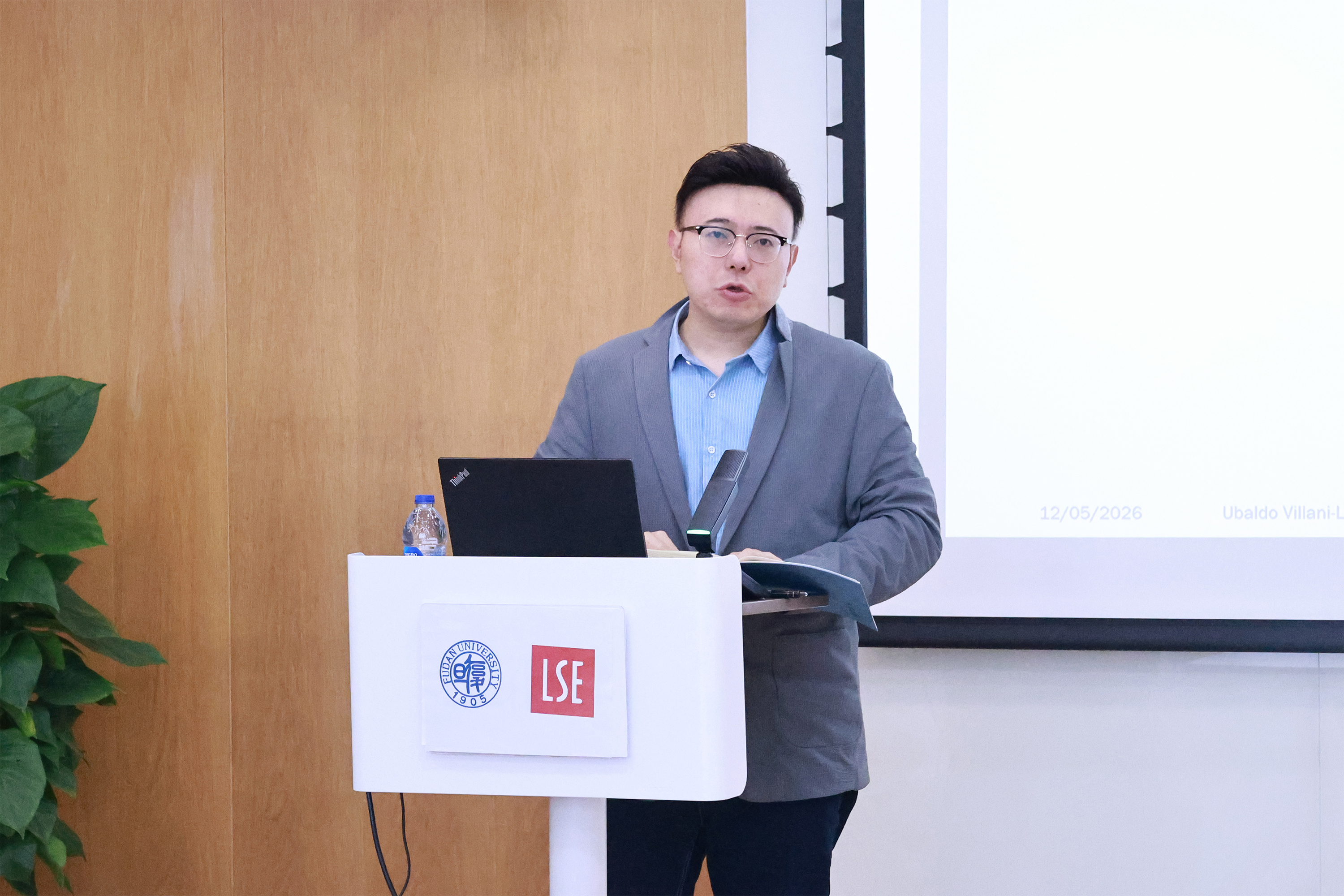
During the discussion session, Associate Professor Meng highly praised Professor Villani-Lubelli’s presentation and noted that the framework of adaptive multilateralism offers important insights into understanding the current crisis of global governance. By introducing the three forms of multilateralism and the global governance trilemma, the framework provides a useful analytical lens for unpacking the complexities of contemporary international politics. He further suggested that if the existing model of globalization proves increasingly difficult to sustain, “adaptive globalization” may become a possible pathway for reshaping the future international order.
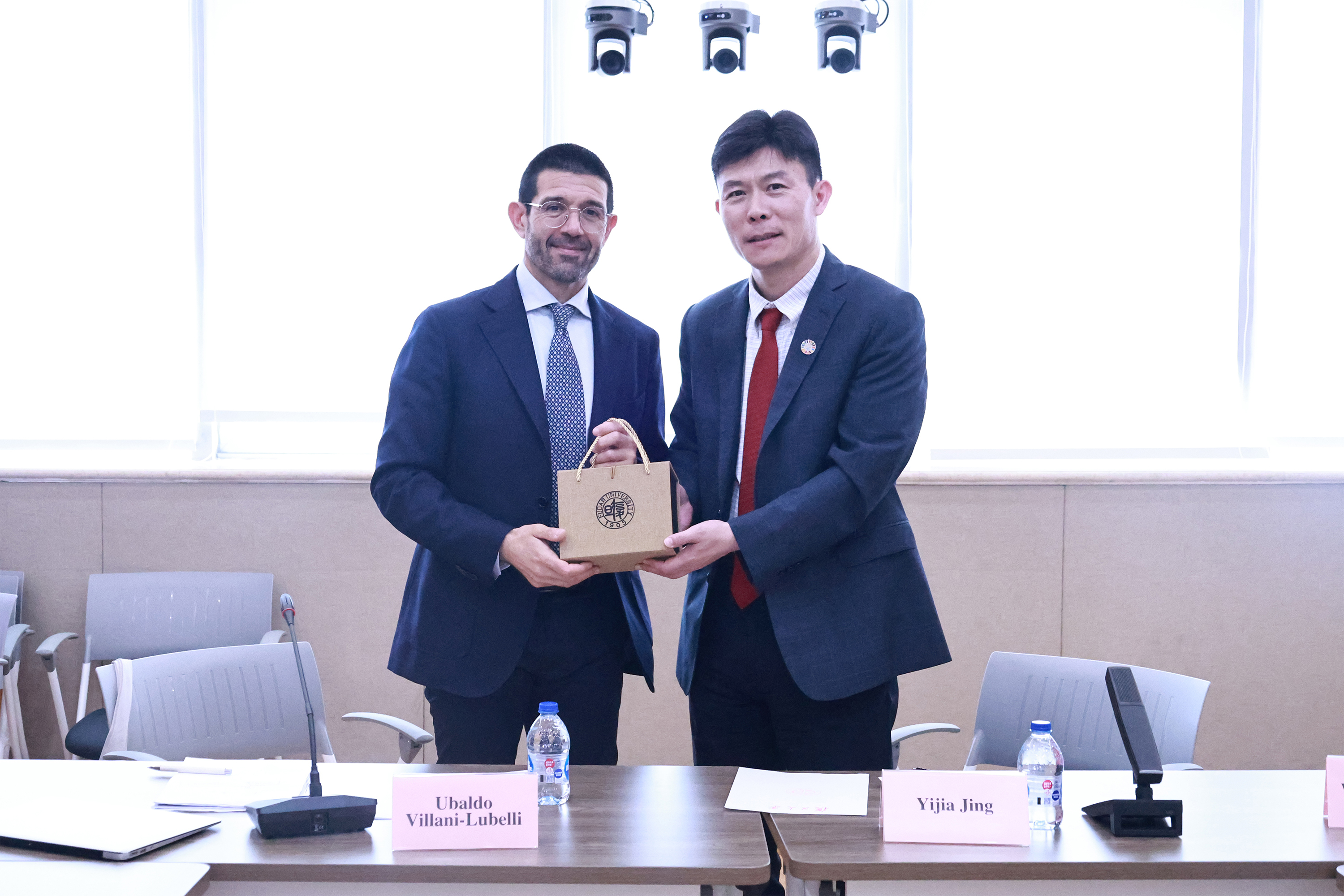
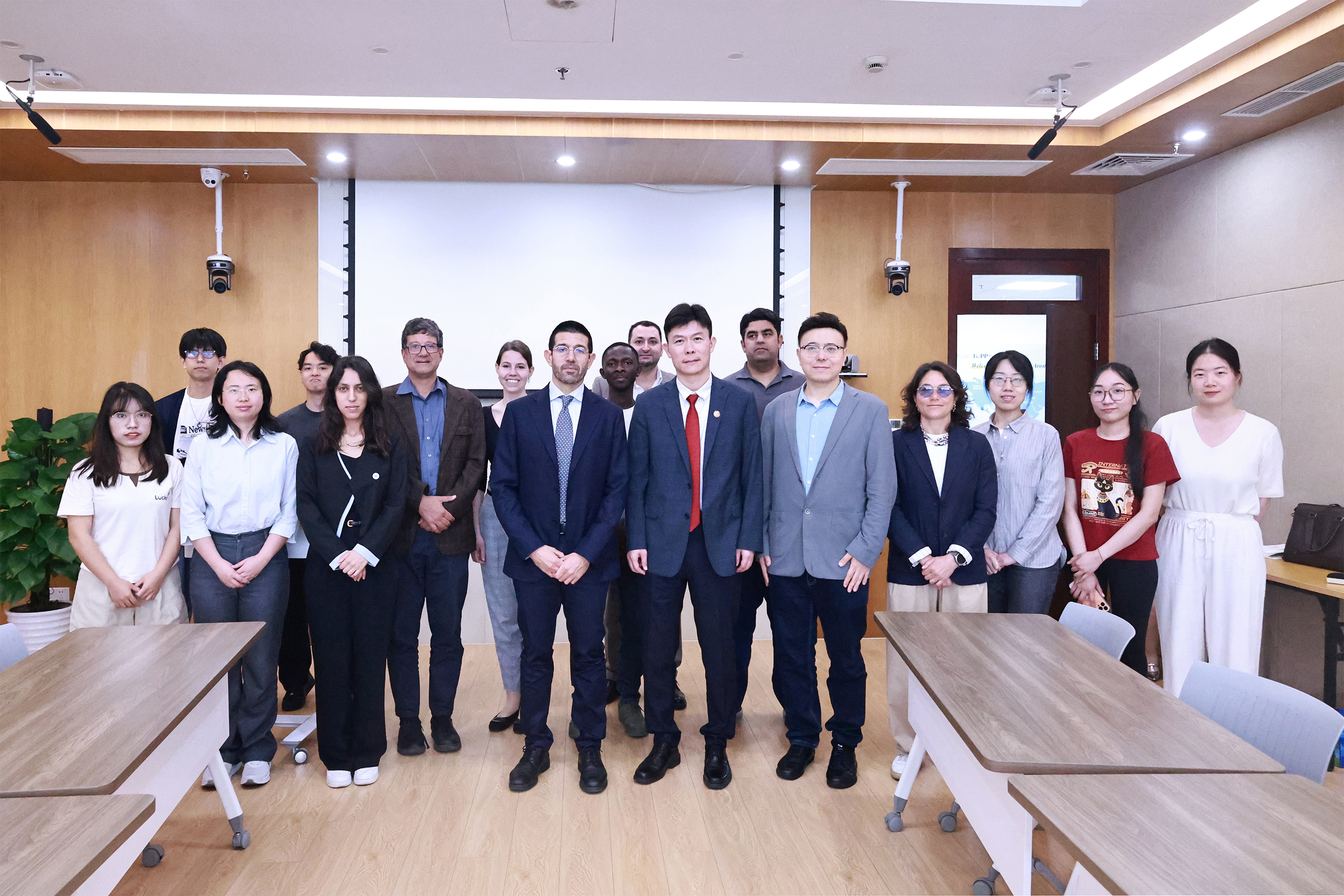
After the lecture, Dean Jing presented commemorative gifts to Professor Villani-Lubelli. The event concluded with a group photo of the faculty and students. The lecture provided Fudan students and scholars with a new perspective for understanding China–EU relations and the transformation of multilateral institutions, while further promoting academic dialogue and mutual learning between Chinese and European scholars.