Events


On May 15, 2026, the Fudan Institute for Global Public Policy (IGPP) organized the 88th lecture of the Fudan-LSE Lecture Series. Professor Helen K. Liu from Taiwan University delivered a lecture on the theme of The Development of Hybrid Intelligence in the Public Sector. The event was chaired by Dean Yijia Jing Yijia of IGPP, with Associate Professor Ziteng Fan and Assistant Professor Wenjia Song serving as discussants.
Professor Liu is a Professor and Chair of Political Science at the Taiwan University. She received a Ph.D. in public administration from Indiana University-Bloomington. She was awarded the Yushan Young Fellow Program and the Outstanding Research Award of Science and Technology Authority. She also serves as the Director of the NTU Center for Collective Intelligence. Her research has been published in PAR, GIQ, and AJPA, focusing on hybrid intelligence, crowdsourcing, and public engagement. She serves as an Associate Editor of GIQ.
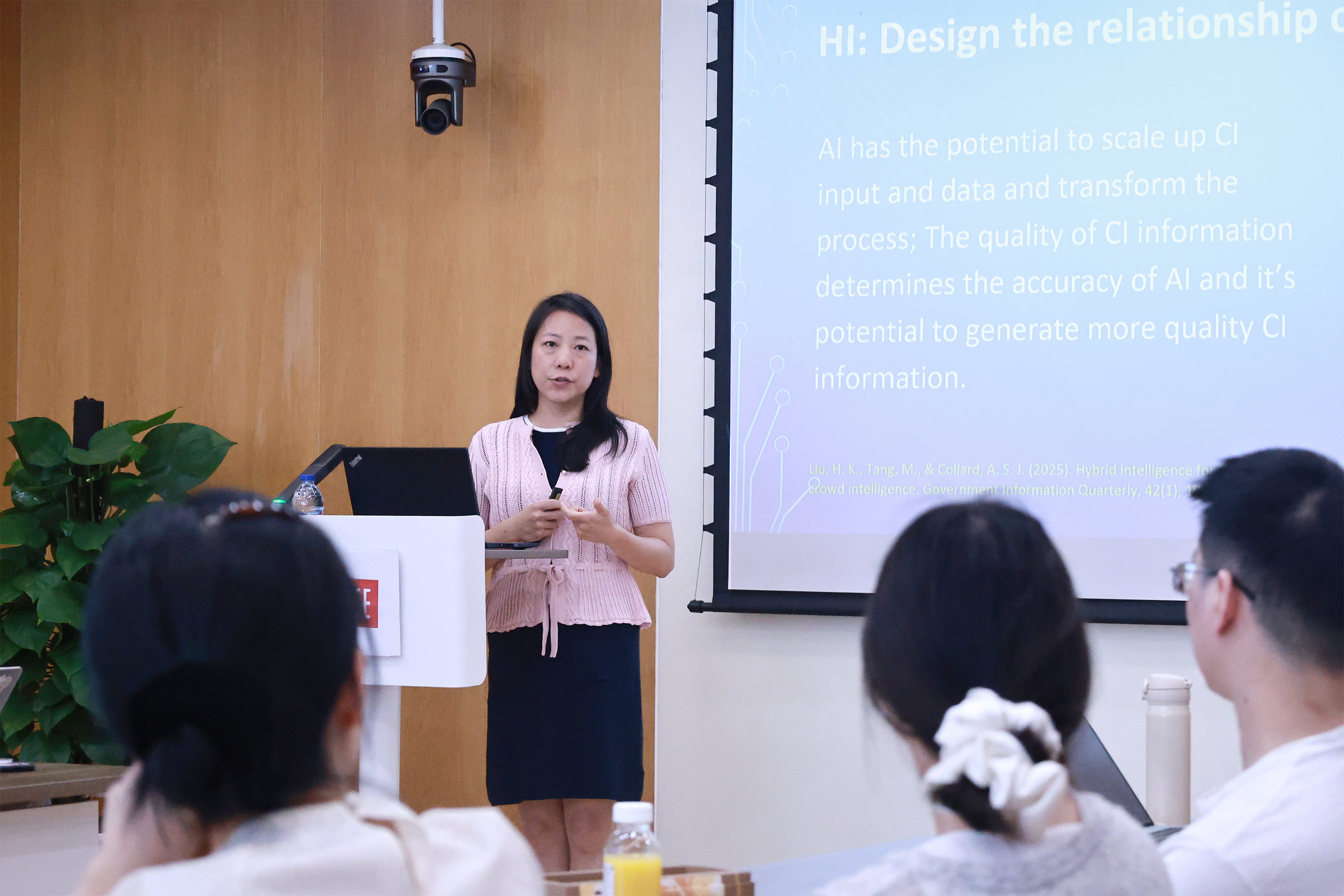
Professor Liu began by reviewing the current state of research on artificial intelligence in public governance. She argued that developing hybrid human–AI intelligence can not only improve the efficiency of public services and policy implementation but also strengthen trust between governments and citizens. She identified four major application areas for hybrid intelligence in the public sector: smart cities and the Internet of Things, event detection, personnel management, and resilience governance.
Professor Liu then explained the design principles underlying hybrid intelligence, emphasizing three key components: data input, process design, and the application of outcomes. She argued that AI should complement human expertise through appropriate task allocation, decision support, and feedback mechanisms to optimize public service delivery. She also examined governance challenges related to transparency, explainable AI, and accountability, discussing the roles of data sources, regulatory frameworks, and citizen participation while highlighting Taipei City’s experience with open government data and algorithmic transparency.
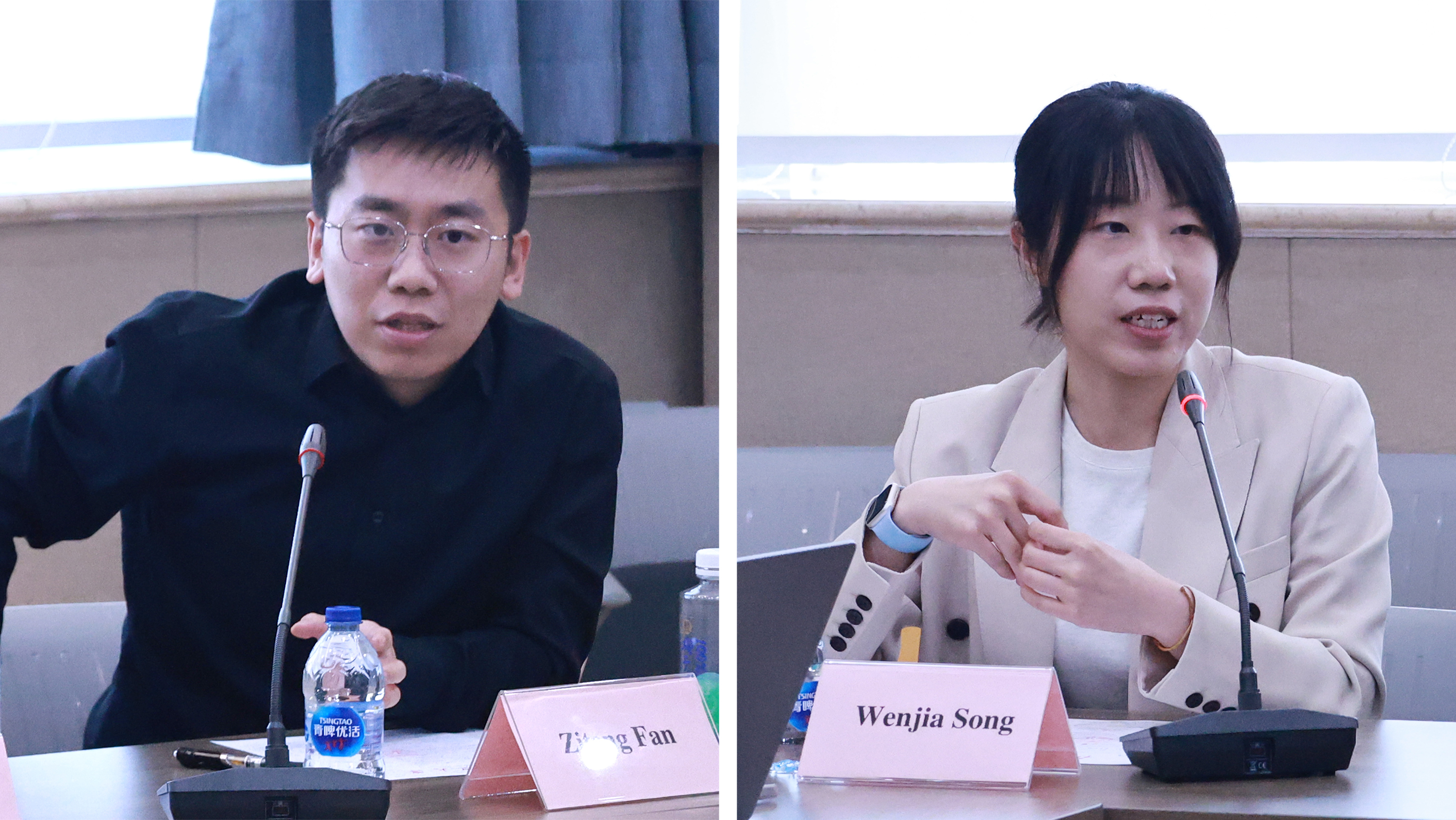
During the discussion, Associate Professor Fan and Assistant Professor Song raised questions regarding interagency data sharing, event detection, AI capacity building for civil servants, and the influence of cultural differences on AI adoption. In response, Professor Liu drew on both empirical research and practical experience to discuss issues such as algorithmic bias in decision support and public trust. Audience also engaged in discussions on the applications of hybrid intelligence in education, emergency services, and citizen participation.
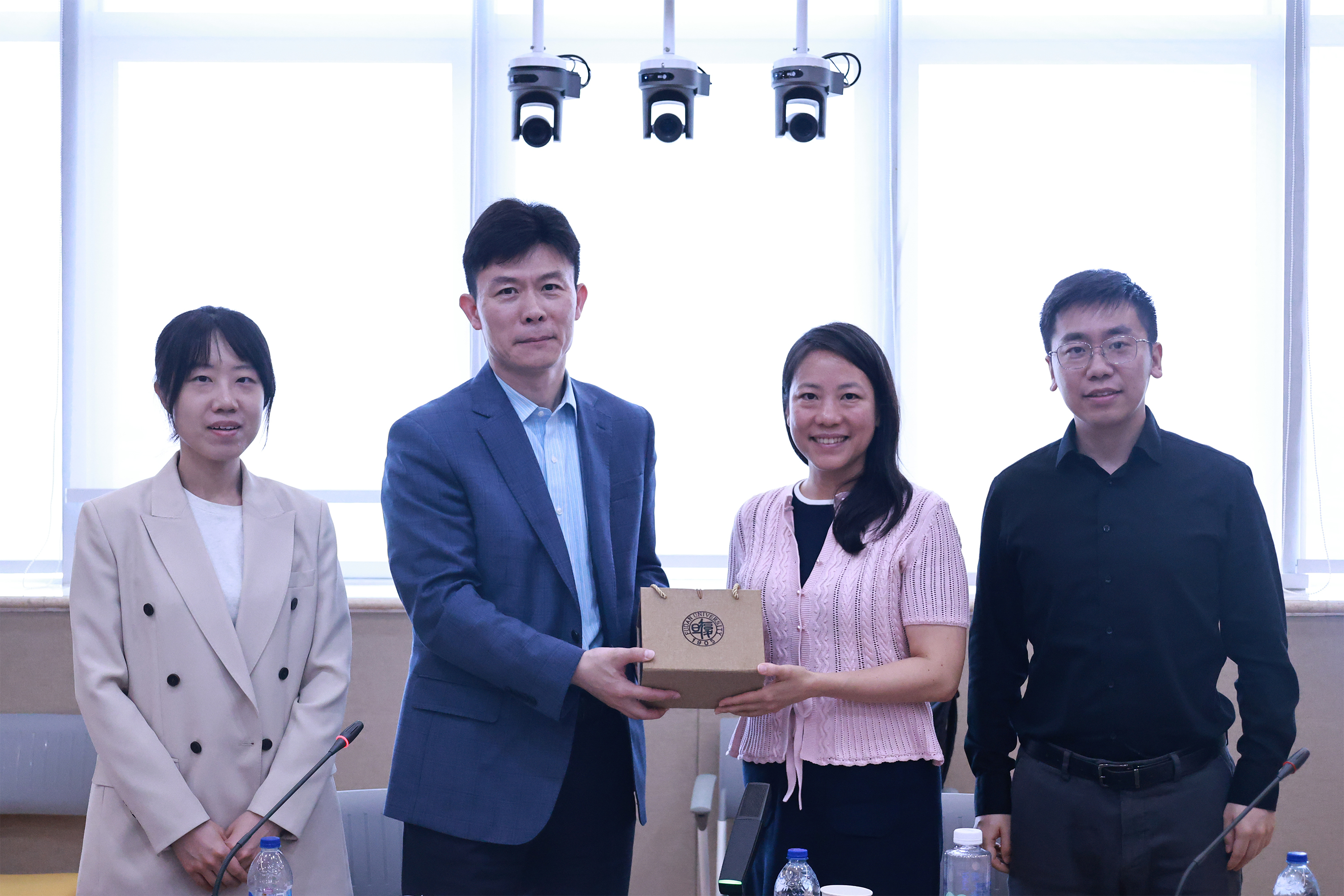
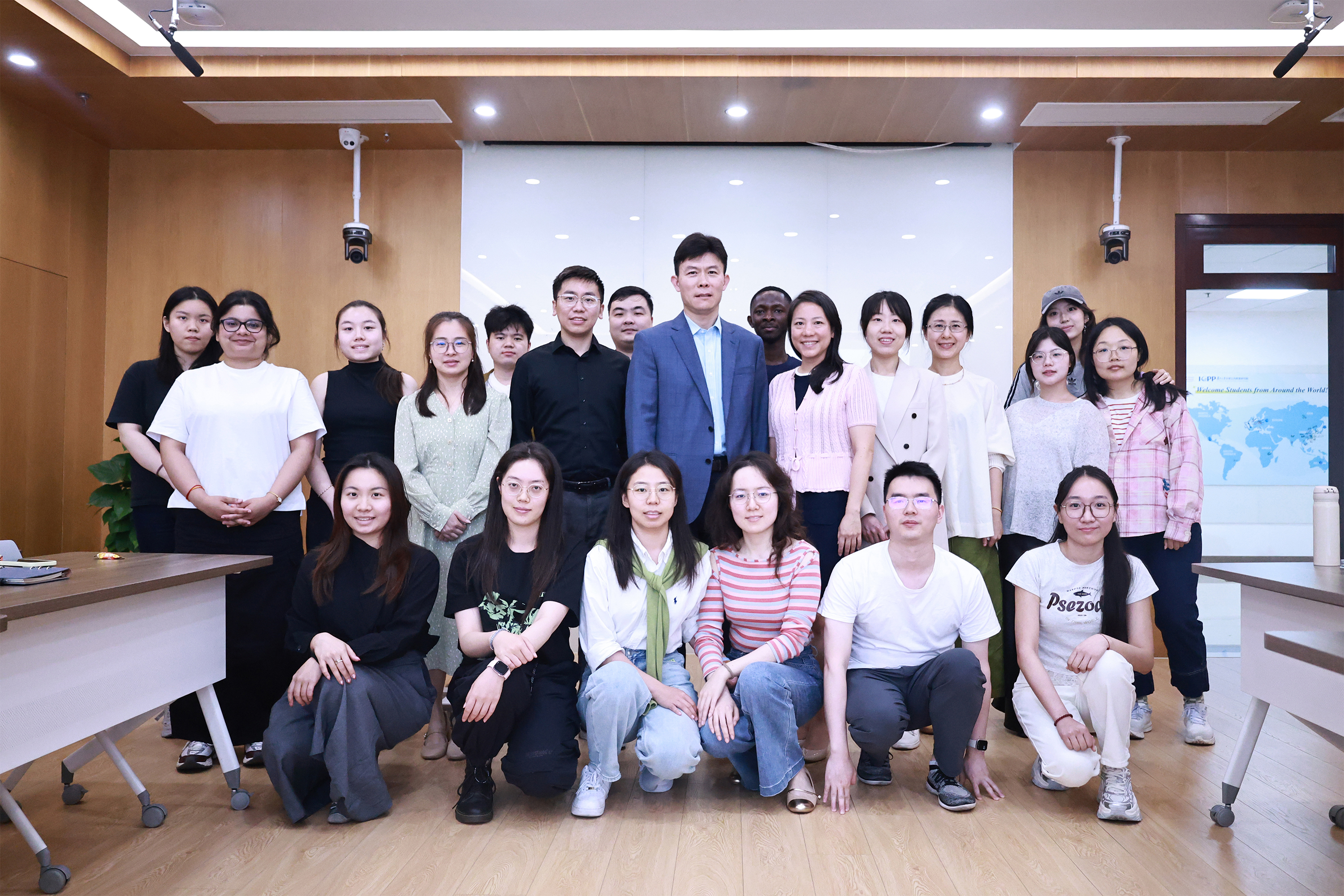
After the lecture, Dean Jing presented commemorative gifts to Professor Liu. The event concluded with a group photo of the faculty and students.