Events


On May 18, 2026, the Fudan Institute for Global Public Policy (IGPP) organized the 89th lecture of the Fudan-LSE Lecture Series. Professor Xiaohu Wang from the City University of Hong Kong (CityUHK) delivered a lecture on the theme of Building Governing Capacity in Collaboration: An Action Research. The event was chaired by Dean Yijia Jing Yijia of IGPP, with Associate Professor Ping Jiang and Assistant Professor Wenyan Tu serving as discussants.
Professor Wang is a Professor and Associate Dean (Research) at the CityUHK, directing the Greater Bay Area (GBA) Cluster. A global authority in public administration, he specializes in fiscal management, sustainability, and collaborative governance. His pioneering research, bridging international and Chinese governance models, includes over 100 publications and the standard textbook “Financial Management in the Public Sector”. Ranked among Stanford’s top 2% of most-cited scientists, his work is cited by the UN, World Bank, and national governments. In 2026, Prof. Wang received the prestigious Fred Riggs Award from the American Society for Public Administration (ASPA) for lifetime achievement in international and comparative public administration. Formerly a professor at the University of Central Florida and an ASPA leader, he remains a strategic consultant for governments and nonprofits across the U.S. and China.
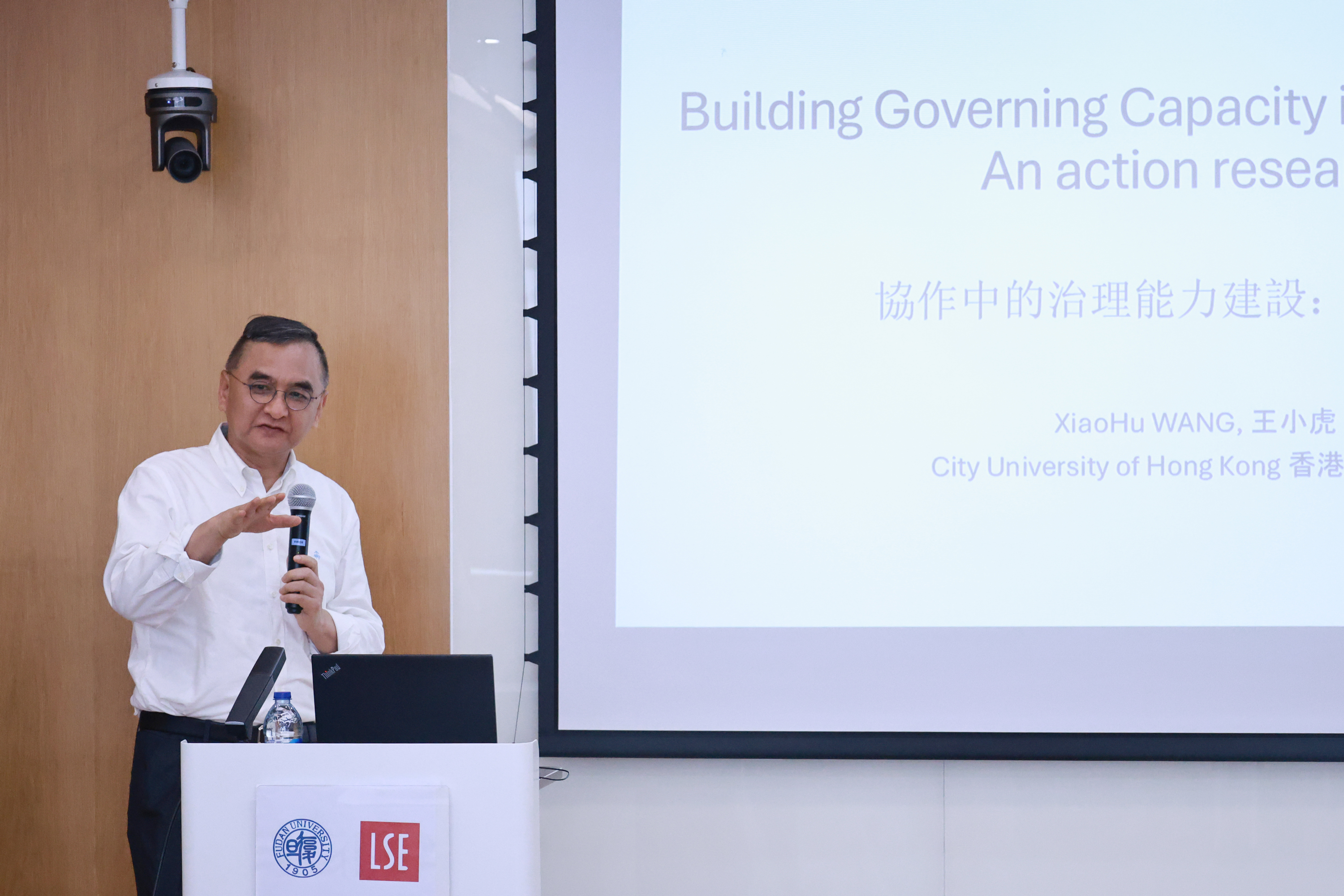
Professor Wang began by defining the mission of action research within the field of public administration. He explained that the project, launched in late 2024, prioritizes policy impact over academic publication by directly linking problem identification, research, and policy action in a continuous cycle. Using cross-boundary elderly care in the GBA as an example, he argued that existing policies suffer from two major limitations: overlooking the diverse long-term care needs of middle- and higher-income retirees and relying on a traditional model in which government serves as the sole provider. To address these challenges, Professor Wang described how his research team embedded academic expertise into the policy agenda-setting process of the Hong Kong Legislative Council, assisting legislators in transforming policy white papers into formal legislative inquiries, incorporating several key recommendations on cross-boundary elderly care into the Hong Kong SAR Government’s 2025 Policy Address. Professor Wang then outlined a three-pillar framework for reshaping the cross-boundary elderly care system in the GBA. The first pillar is the establishment of a shared cross-boundary data and information cloud platform to eliminate information gaps. The second is the creation of a collaborative governance ecosystem in which governments transition from sole service providers to network designers and regulators while encouraging participation from insurance companies and private capital to stimulate the “silver economy.” The third pillar involves developing a multi-tiered service system, including Continuing Care Retirement Communities (CCRCs) in mainland China that provide around-the-clock professional care, thereby leveraging differences in labor costs between Hong Kong and the mainland to improve the allocation of public services.
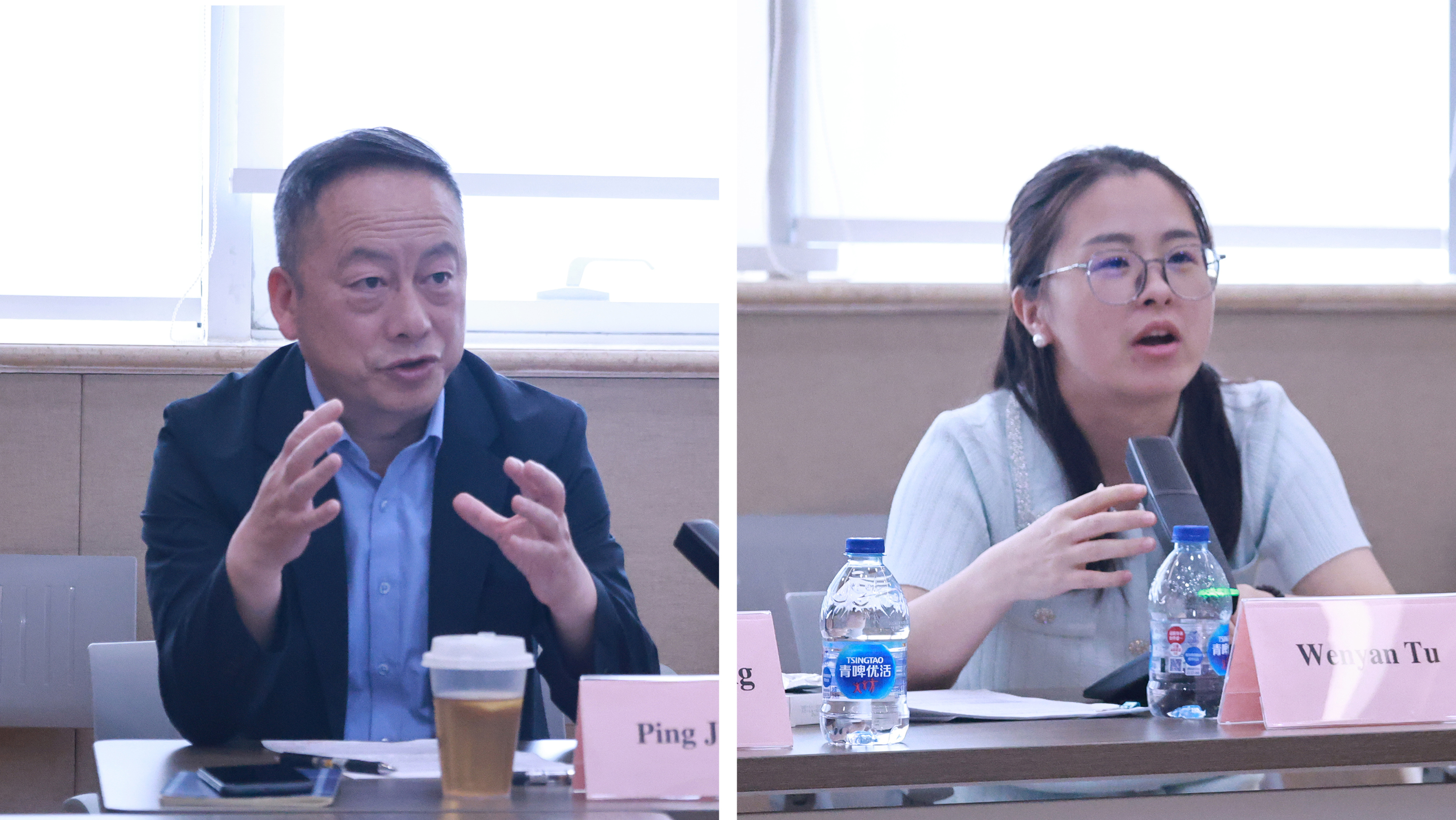
During the discussion session, Associate Professor Jiang argued that facilitating the movement of institutional resources across jurisdictions requires digital governance tools and big data technologies capable of bridging the digital divide for older adults and ensuring seamless access to information. Assistant Professor Tu noted that that the horizontal network collaboration represents an important innovation in governance mechanisms.
The subsequent Q&A session featured lively discussions on topics including whether collaborative governance networks may encourage agencies to shift responsibility to one another and how governance capacity within multi-actor networks can be systematically measured and evaluated.
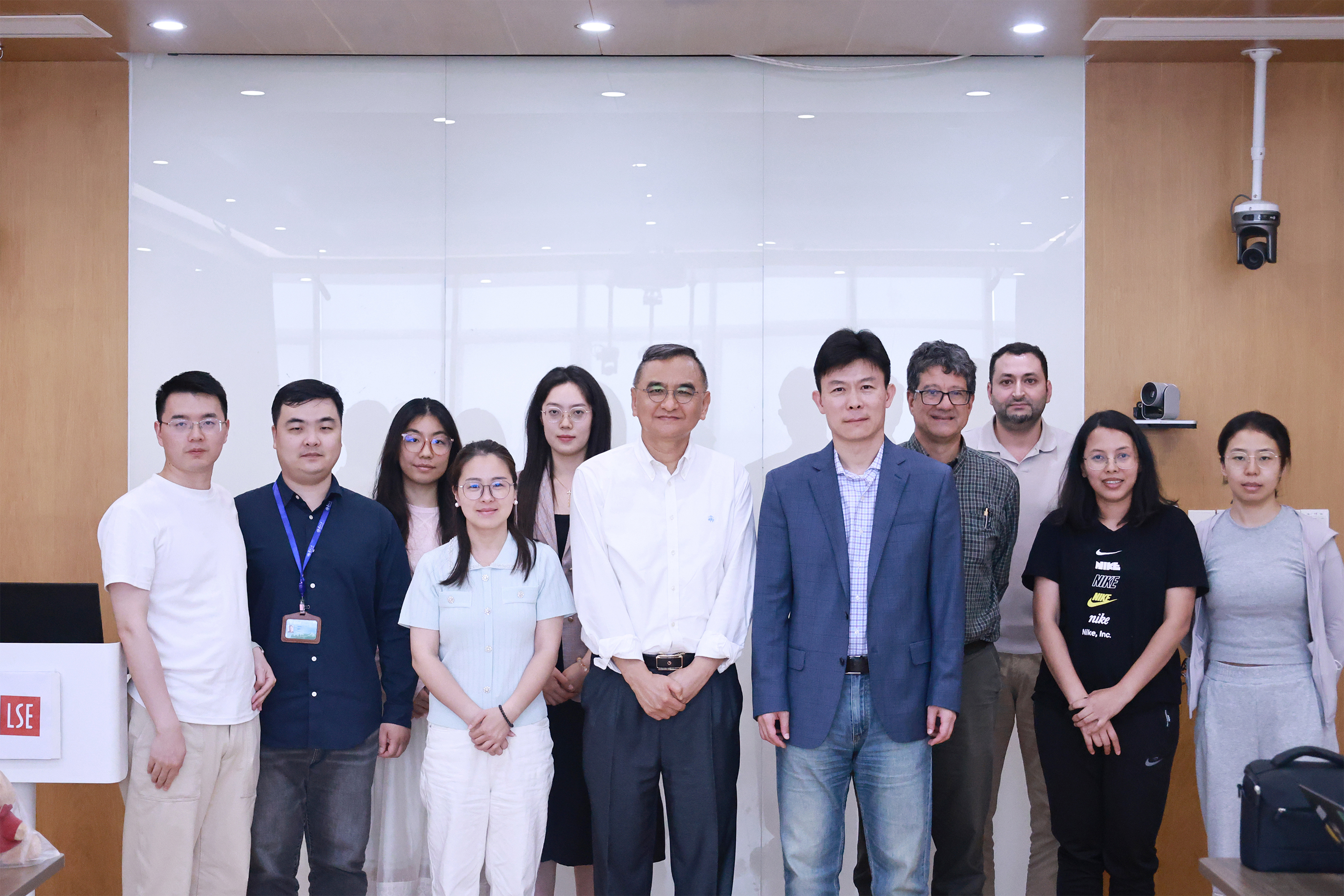
After the lecture, Dean Jing presented commemorative gifts to Professor Wang. The event concluded with a group photo of the faculty and students.